




3435 publications
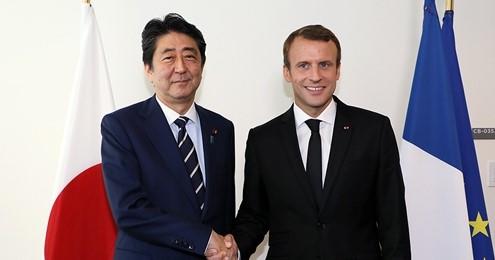
Macron in Japan: Upgrading the Franco-Japanese Strategic Partnership in the Indo-Pacific
On June 26, French President Emmanuel Macron will make his first, what is deemed to be a long overdue visit to Japan, a year after his previous travels to Asia led him to China (January 2018), India (March 2018), and Australia (May 2018).

Assessing Europe's Space Dependency and Its Implications
It is a classic exercise to imagine what today’s world would be like if all satellites were shut down. The exact consequences of such a scenario, which is not unlikely given the inherent vulnerability of space systems to natural, accidental and deliberate interferences, are however difficult to appreciate, even for specialists.
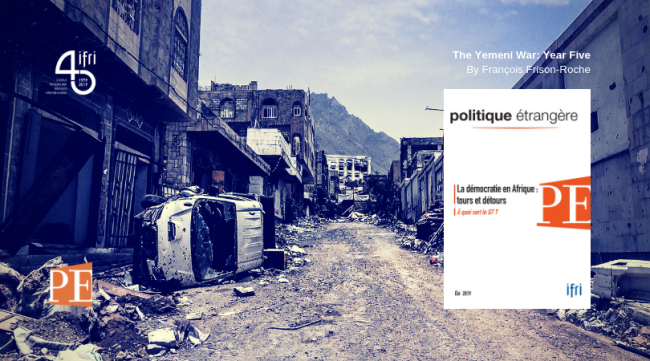
The Yemeni War: Year Five
The war in Yemen has entered its fifth year, and the situation is more complex than ever.
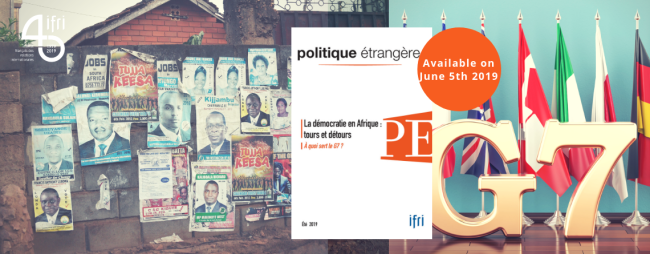
Democracy in Africa: A Long and Winding Road
The architecture of democracy is complex, coupling a legal framework to a social foundation that allows it to take root.
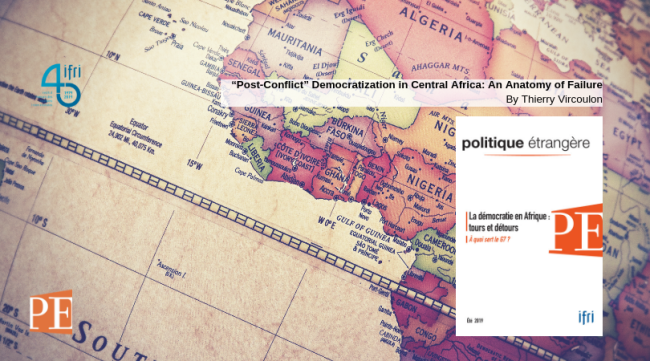
"Post-Conflict" Democratization in Central Africa: An Anatomy of Failure
To create a political shift that draws a line under conflict once and for all, it is not always enough to draft a democratic constitution and call elections.
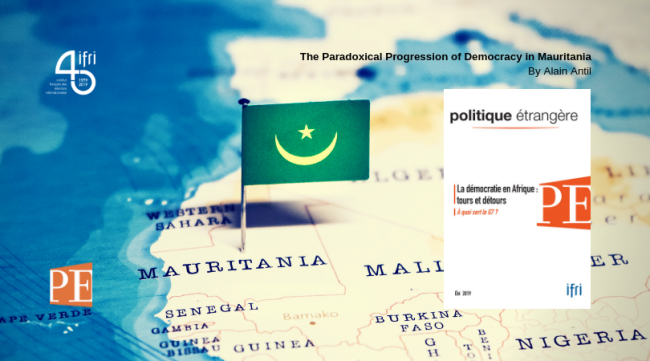
The Paradoxical Progression of Democracy in Mauritania
Mauritania's political system displays certain democratic qualities that go some way to meeting international standards.
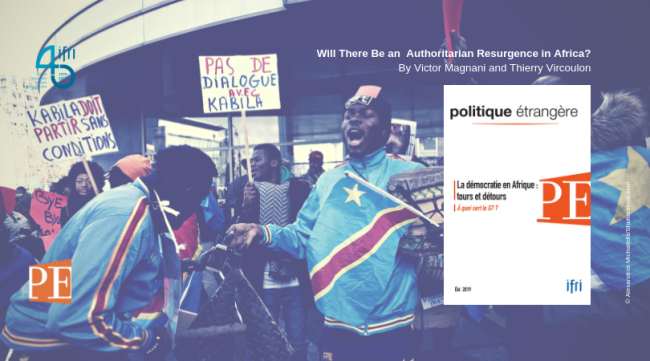
Will There Be an Authoritarian Resurgence in Africa?
Elections are held on a regular basis in various African countries, but democracy is far from flourishing.
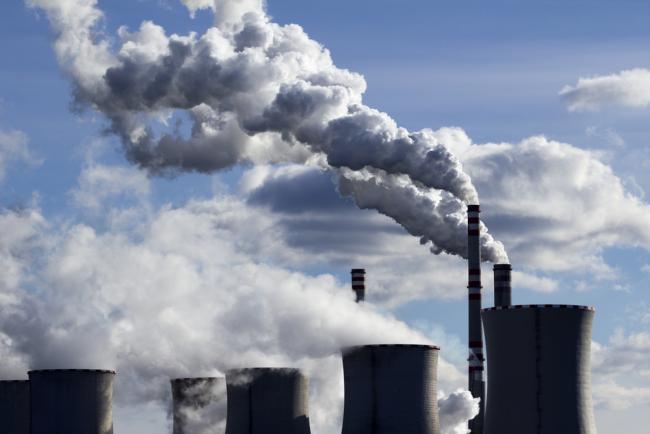
Carbon Capture, Storage and Utilization to the Rescue of Coal? Global Perspectives and Focus on China and the United States
In most of the pathways that limit global warming to 1.5°C, capture of CO2 from fossil-fuel or biomass-based installations and its long-term geological storage (carbon capture and storage - CCS and bio-energy with carbon capture and storage - BECCS) plays a crucial role.