




Economic Development
Economic development includes not only the idea of growth and enrichment, but also that of an improved quality of life.
Related Subjects

Towards Geopolitical German Development Cooperation? Recent History, Current Trends, and Future Prospects
German development cooperation (GDC) in a post-Merkel era can be expected to become more geopolitical. Recently adopted German policy documents like the Indo-Pacific guidelines as well as the support to the geopolitical ambition of the European Commission suggest such a tendency for future German policy making.
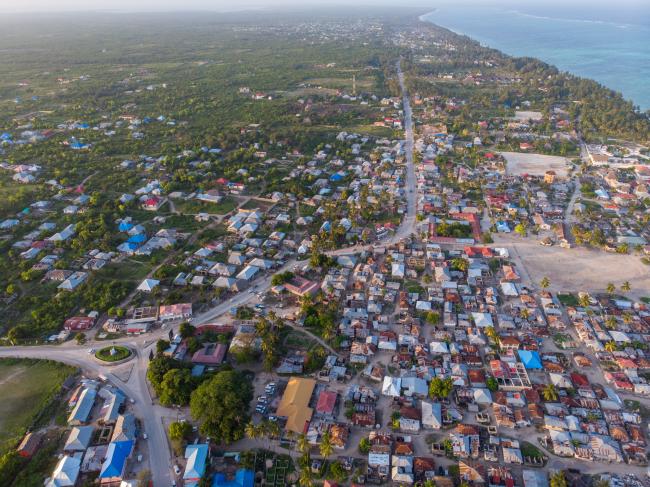
Land Governance in the Outskirts of African Cities. Socio-Economic Challenges of Growing Peri-Urban Land Markets
Between 2020 and 2050, Africa’s population is expected to double, and the continent will be home to 2.5 billion people. Almost half of this population will be living in urban agglomerations. Metropolitan cities, such as Lagos, Nairobi, Dar es Salaam or Abidjan will host several tens of millions of urban dwellers. Peri-urban areas are most affected by the cities’ expansion and undergo important social, political, and economic transformations.
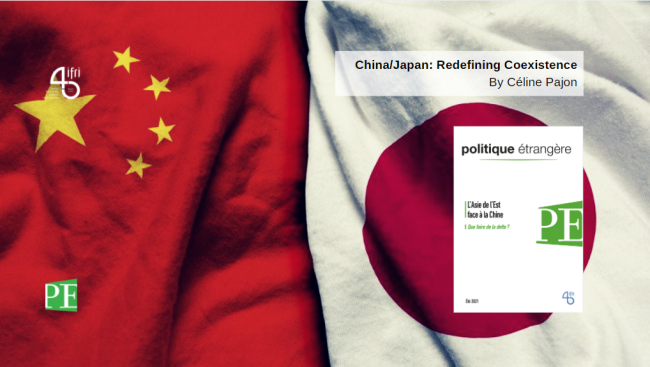
China/Japan: Redefining Coexistence
When dealing with China, Japan has assumed a position that protects its economic cooperation with Beijing, ensures Chinese aggressive strategies are deterred and guarantees its overall economic security: security of supply, autonomy in technological development, etc.

75 millions de nouveaux pauvres en Inde: le modèle de développement indien à l’épreuve du COVID-19
The pandemic has revealed the fragility of the Indian economy.
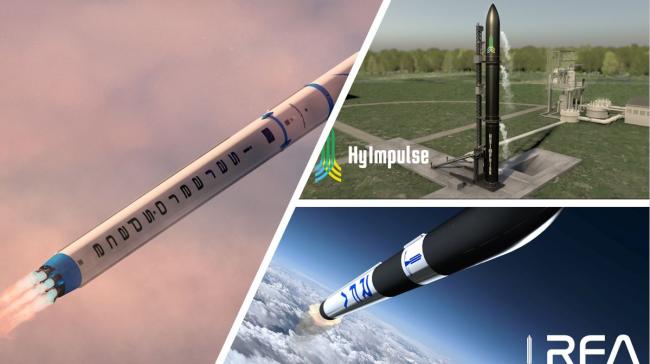
Commercial Space in Europe: A Balancing Act between Physics, Politics and Profession
Satellite constellations have become core elements of the digital transition. Over the next decade, several thousand satellites will have to be launched, to build these constellations. For positioning satellites, preferably in Low Earth Orbit (LEO), reliable and affordable launch services are essential.
From the Digital Levy to the Taxation of Multinationals: Joe Biden's Tax Revolution
The Organisation for Economic Co-operation and Development (OECD) is conducting important negotiations this spring to reform international taxation.
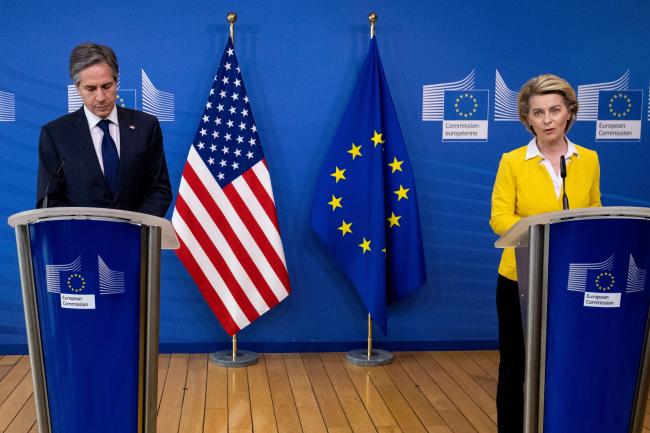
Europe in the Geopolitics of Technology: Connecting the Internal and External Dimensions
To respond to growing global competition, the EU has made notable progress on the internal dimension of technology policy over the past 3 years. It is now also seeking to adapt its foreign policy – from the transatlantic relationship to global partnerships – to technological challenges.

Poverty: The Rebound
Poverty, a major consequence of the COVID-19 pandemic, is set to increase exponentially throughout the world, even though it was supposed to disappear in its most extreme form by 2030.
Consequences and Lessons of a Virus
As Europeans get ready for their summer holidays, the Covid-19 pandemic seems to be winding down, despite hotspots cropping up here and there. However, we are not safe from the next wave. After so many careless speeches, nobody dares to make any more precise forecasts. In any case, any confirmed lull fosters broader reflections both on the disaster’s consequences and the dysfunctions that allowed it to happen.
The Future of Europe in the Context of Sino-American Competition - Foreword
In this special issue of Politique étrangère devoted to the proceedings of the conference organized by Ifri on April 10, 2019, in the Grand Amphitheater of the Sorbonne, on the occasion of its fortieth anniversary, discover the speech by Bruno Le Maire, Minister of Economy and Finance.
The Future of Europe in the Context of Sino-American Competition - Foreword
In this special issue of Politique étrangère devoted to the proceedings of the conference organized by Ifri on April 10, 2019, in the Grand Amphitheater of the Sorbonne, on the occasion of its fortieth anniversary, discover the speech by Bruno Le Maire, Minister of Economy and Finance.
The Africas of 2029
Real progress in diversification in some economic areas, as well as improvements in public policies, have modified the general conditions of development on the African continent since the 2000s. In politics, apart from the demands of formal representative democracy, states need to be reconstructed in order to integrate marginalized regions and develop regional and continental co-operation.
Poverty and Inequality through 2030
Thanks to strong economic growth, poverty has tended to fall worldwide. But the trend is not sufficient to eradicate poverty by 2030. For this, growth would have to rise further and inequalities fall. Non-economic dimensions of well-being, such as education and health, also need to be taken into account. This assumes that governments in particular have the capacity to invest in public infrastructures.
2029, the Great Asian Renaissance
Asians were dominated and sometimes humiliated by Westerners during the last two centuries. Today, they look to the future with confidence. In 2050, the world’s two leading powers are likely to be China and India. The great Asian Renaissance will lead to geopolitical upheavals. China-US tensions are already visible and conflicts may emerge between Asian powers. Yet the clash of civilizations is not inevitable.
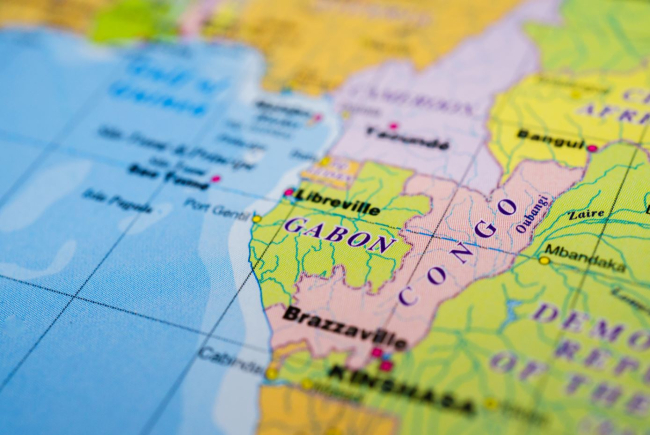
Adjustment Is Back: The Political and Financial Crisis in Central African Oil-Producing Countries. Gabon and Congo-Brazzaville
This paper aims to highlight both the financial, economic and political adjustment cycle, affecting two Central African petro-states, Gabon and the Republic of Congo (Congo-Brazzaville).
Conceptualizing the middle class in a developmental state: Narratives and expectations in Ethiopia
The category ‘middle class’ was used increasingly throughout the 2010s to identify social changes occurring in African countries, including Ethiopia. However, the category itself is hard to define and has been employed to describe very diverse socio-economic dynamics.

New Consumption Spaces for the New Middle Classes? Shopping Centres in Abidjan
Since 2011 and the end of the post-election crisis, Côte d’Ivoire has returned to impressive economic growth. The country and its capital are drawing attention from a growing number of investors, and the “Abidjanian middle classes” are widely publicised and sought after.
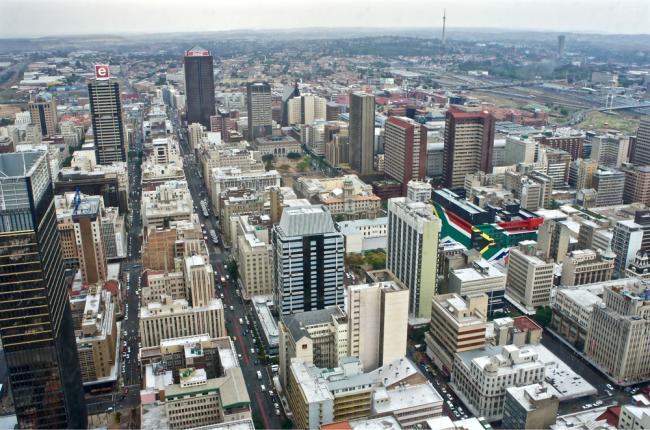
Defining the Middle Class in the Global South. A Quantitative Perspective from South Africa
What makes you middle class? Is it your income, occupation, or education? Your family background or maybe the house and neighbourhood you live in? It is probably all of these things.
ASEAN at 50: Half a Century of Unique Experience
In its fifty-year existence, the Association of Southeast Asian Nations (ASEAN) has developed a complex, progressive and balanced approach to regional integration. Rather than the European Union’s far-reaching statements of ever-closer union, ASEAN combines highly diverse economic and political strategies of different States whose main priority is to safeguard sovereignty.
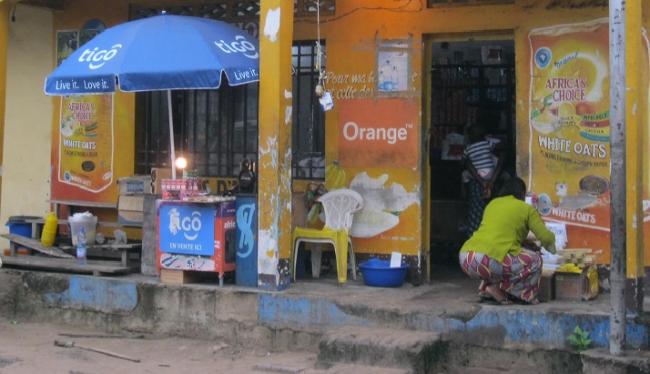
Are African Middle Classes Coming Together? The Case of Telecommunications Employees in Kinshasa
For many observers, a change in perception of the African continent occurred in the 2010s. Attention has focused on the relatively high rates of economic growth and a high population growth associated with urban expansion; both indicators interpreted as promises of economic “emergence” leading to potential new markets.
The Future of Europe in the Context of Sino-American Competition - Foreword
In this special issue of Politique étrangère devoted to the proceedings of the conference organized by Ifri on April 10, 2019, in the Grand Amphitheater of the Sorbonne, on the occasion of its fortieth anniversary, discover the speech by Bruno Le Maire, Minister of Economy and Finance.
The Future of Europe in the Context of Sino-American Competition - Foreword
In this special issue of Politique étrangère devoted to the proceedings of the conference organized by Ifri on April 10, 2019, in the Grand Amphitheater of the Sorbonne, on the occasion of its fortieth anniversary, discover the speech by Bruno Le Maire, Minister of Economy and Finance.
Poverty and Inequality through 2030
Thanks to strong economic growth, poverty has tended to fall worldwide. But the trend is not sufficient to eradicate poverty by 2030. For this, growth would have to rise further and inequalities fall. Non-economic dimensions of well-being, such as education and health, also need to be taken into account. This assumes that governments in particular have the capacity to invest in public infrastructures.
2029, the Great Asian Renaissance
Asians were dominated and sometimes humiliated by Westerners during the last two centuries. Today, they look to the future with confidence. In 2050, the world’s two leading powers are likely to be China and India. The great Asian Renaissance will lead to geopolitical upheavals. China-US tensions are already visible and conflicts may emerge between Asian powers. Yet the clash of civilizations is not inevitable.
The Africas of 2029
Real progress in diversification in some economic areas, as well as improvements in public policies, have modified the general conditions of development on the African continent since the 2000s. In politics, apart from the demands of formal representative democracy, states need to be reconstructed in order to integrate marginalized regions and develop regional and continental co-operation.
Defining the Middle Class in the Global South. A Quantitative Perspective from South Africa
What makes you middle class? Is it your income, occupation, or education? Your family background or maybe the house and neighbourhood you live in? It is probably all of these things.
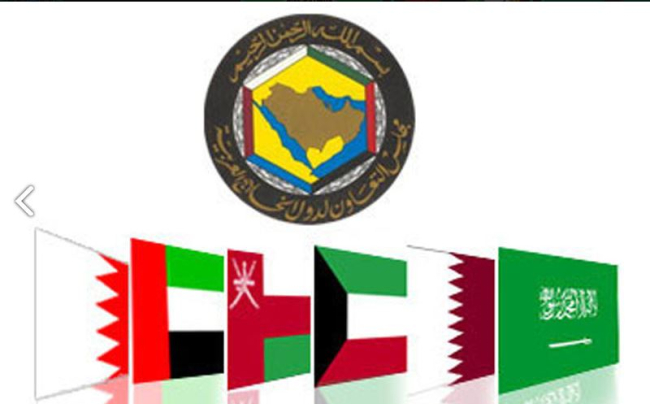
Persistence and Evolutions of the Rentier State Model in Gulf Countries
A general economic model of understanding Middle Eastern states was elaborated by political scientists around the 1980’s, based on the concept of rent as a factor of wealth around which the economic model as much as the governance of energy-rich countries was re-organized. The particular case of GCC’s countries as rentier state has been at the cornerstone of this concept since they own the most important share of energy resources in the world.
Establishing the Rule of Law: the U.N. Challenge in Kosovo
Created on the 10th July 1999 by Security Council Resolution 1244, UNMIK was responsible for restructuring the institutions of a country devastated by war and establishing democratic governance. The security of people and goods and the existence of a legal system trusted by the population were two crucial prerequisites to the state-building process.
Is Turkey an Economic Exception?
This roundtable dealt with the specificities of Turkey"s economy, which is completing major economic achievements in particularly difficult times. François Faure analyzed the risks of an economic backlash following the European crisis; Turkey appears indeed in a weaker position than in 2008 and difficult times could lie ahead. Esen Çağlar pointed out how Turkey progressed from a low-technology to medium-technology economy, thus ensuring considerable levels of growth. Yet, a renewed reform agenda is needed if Turkey wants to maintain its economic performance. Deniz Ünal addressed the issue of economic governance under the AKP and the consistency of their economic policy agenda. In any case, Europe will most certainly play a role in the country"s economic future. According to Rémi Bourgeot, the Middle East cannot provide an alternative to European markets even if it offers interesting opportunities for the Turkish South East. Turkey"s future growth will also depend on its capacity to impose itself as a corridor between Europe and its neighbours energy resources.
Moldova: A Status Quo of EU Institutional Relations
The barbed wire at the Prut River, on the Republic of Moldova’s (Moldova) border with Romania and, thus, with Europe will be removed by March 2010. This way, the last soviet “wall” will be torn. Maybe this symbolic action will open the door to the European Union (EU).
Ifri, a foundation recognized as being of public utility, relies largely on private donors – companies and individuals – to guarantee its sustainability and intellectual independence. Through their funding, donors help maintain the Institute's position among the world's leading think tanks. By benefiting from an internationally recognized network and expertise, donors refine their understanding of geopolitical risk and its consequences on global politics and the economy. In 2026, Ifri partners with over 90 French and international companies and organizations.
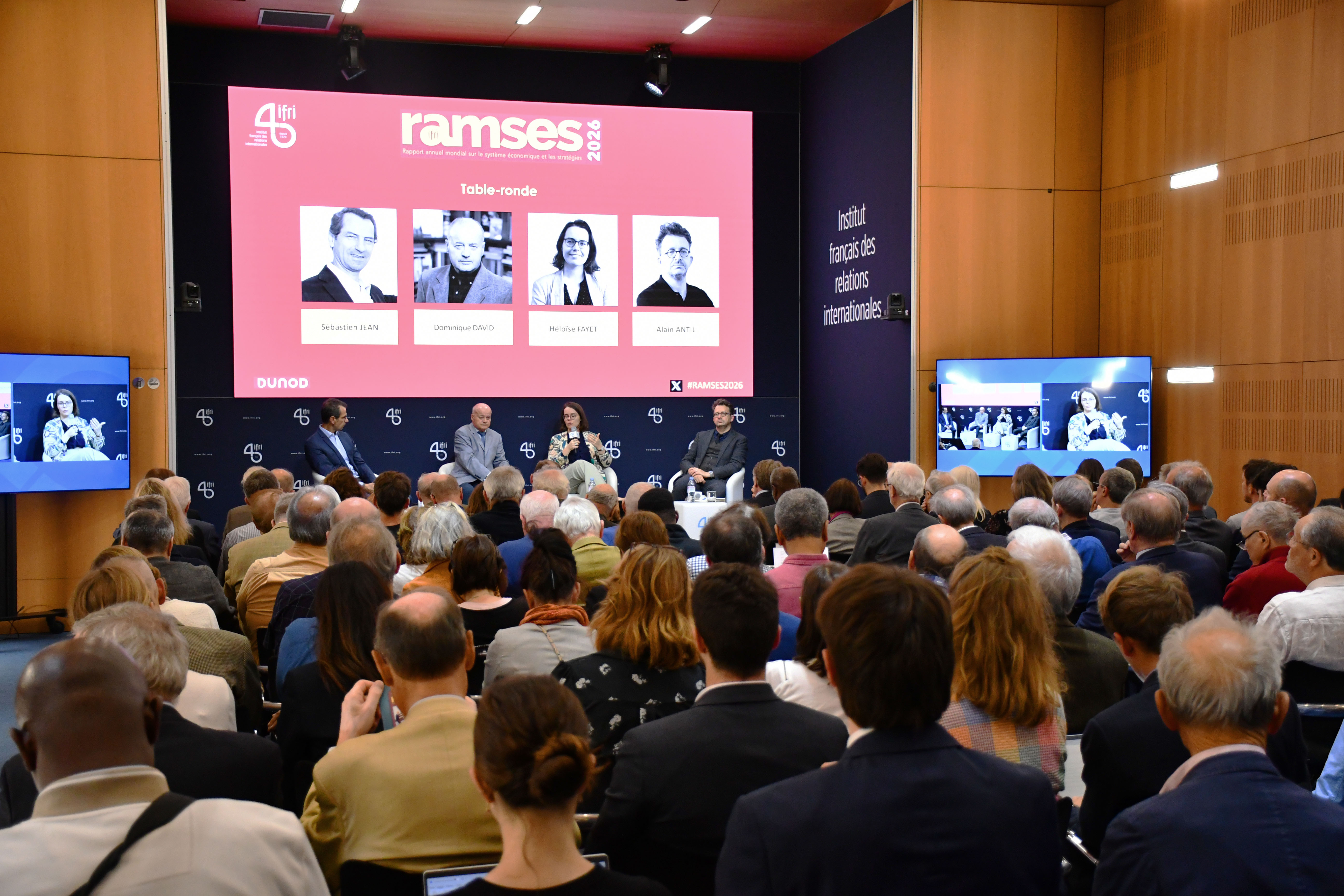

To analyze the impact of power rivalries and tensions on globalization, this initiative combines economic and political expertise. In the face of growing geopolitical risk, the goal is to decipher the dynamics of reconfiguration: protectionist pressures, sanctions, restrictions, industrial policies, and economic security concerns are redefining the rules of international trade. These tensions are also transforming international financial relations by undermining the foundations of trust and reshaping the global monetary system. They raise questions about the role of several key players: sovereign wealth funds, central banks, digital platforms, multilateral institutions, and financial infrastructure operators. In a context of profound disruption, simply refining existing approaches is no longer sufficient. The initiative is designed as a flexible model, drawing on diverse expertise to offer both broad overviews and targeted analyses. It also provides a platform for stakeholders and experts from various backgrounds to debate these issues freely.