




Economic Development
Economic development includes not only the idea of growth and enrichment, but also that of an improved quality of life.
Related Subjects

The Mediterranean: a Sea of Crises?
The Mediterranean is currently an intersection of upheavals and crises. Destabilization on its southern shores, uncontrolled migrations, simmering hostilities in the east surrounding exploitation of energy resources, military presence of all the great world powers (from Washington to Beijing, and Moscow of course), and increasing assertion of regional powers…
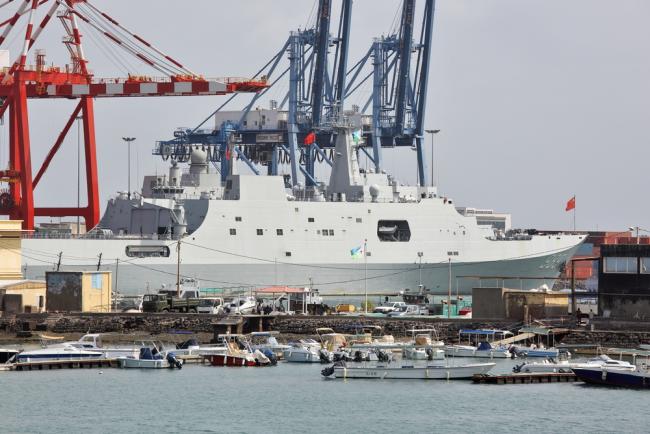
China in Djibouti: A military base with Chinese characteristics?
Last February, the Chinese Defense Ministry confirmed the launch of the construction of a Chinese military base in Djibouti. For a long time, Chinese officials had insisted that China would never build military bases or to station troops abroad.
Najib Razak’s Malaysia: A solid economy on a foundation of political tension
Najib Razak began his term as Prime Minister of Malaysia in 2009 amidst a severe global economic crisis, concern over spiraling public debt and fears the country would fall into the ominous “middle income trap”.
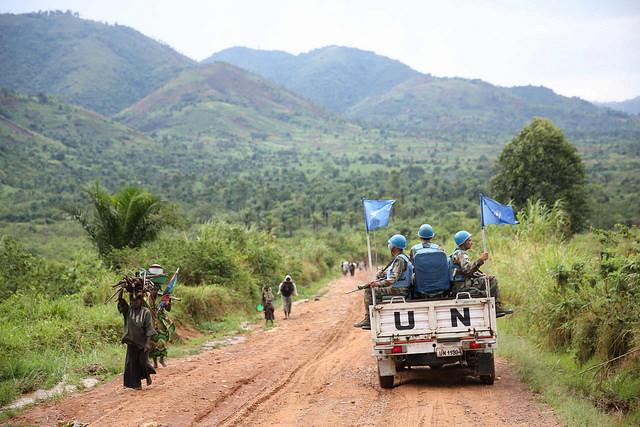
Reflections on 17 years of UN presence in the Democratic Republic of Congo
Since 2013 and the victory of the Congolese armed forces and the United Nations over the last serious threat against the regime - the 23 March (M23) movement-, the question of the relevance of the UN presence in the Democratic Republic of Congo (DRC) is raised again.
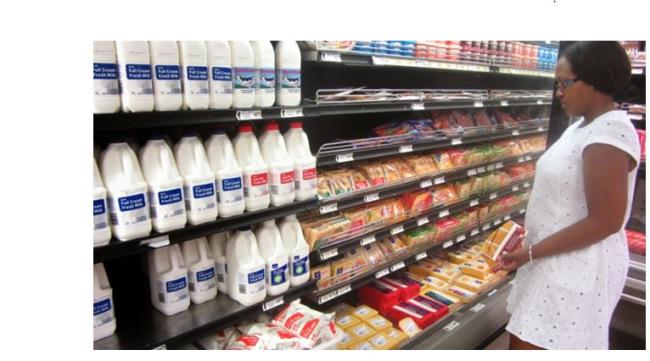
Identifying the Middle Classes: Diversity, Specificities and Consumption Practices Under Pressure
The international viewpoint on the African continent has profoundly changed in the last decade. Images advertised by the media drifted from afro-pessimism - the sad fate of Africa (wars and poverty) - to afro-optimism - a brighter future for the continent.
Ethiopia, an African Power?
For a long time, Ethiopia was the only African country to escape colonization, but over recent decades the country has suffered a string of economic crises, a violent revolution, and Eritrea’s secession. The current government launched a massive development plan which is starting to show sign of improvement.
China and the UN’s Peace Keeping Operations: Defending Sovereignty
China has become one of the main personnel contributors for UN peace keeping operations, and the principal contributor among the permanent members of the Security Council.
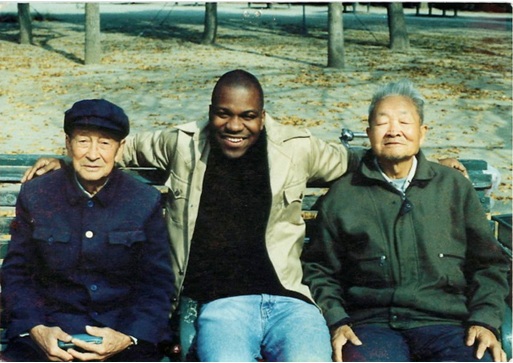
China and Africa: the Honeymoon is Over
For the new geopolitical reality called “Chinafrica”, the future may not be destined to be as radiant as the official win-win rhetoric would have us believe. Although the beginning of the century was notable for the exponential development of Sino-African trade (which grew from $10 billion in 2000 to $210 billion in 2013), a series of emerging problems seem to be signalling that the Sino-African honeymoon is over and that we are back with the harsh realities of the globalised economy.
The Country Risk Concept
The expression “country risk” emerged in the United States in the 1960s. Its meaning has evolved over time, without any definition ever really being settled on.
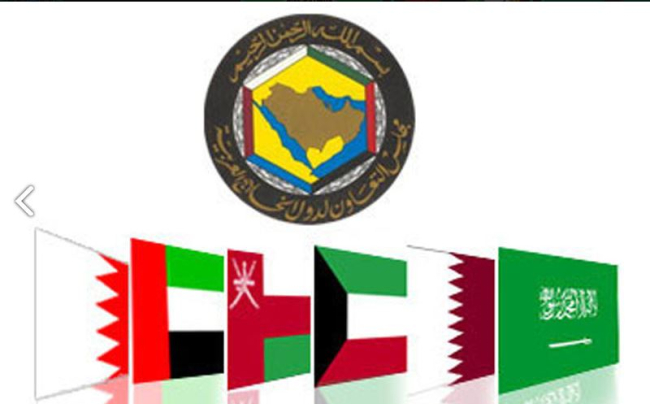
Persistence and Evolutions of the Rentier State Model in Gulf Countries
A general economic model of understanding Middle Eastern states was elaborated by political scientists around the 1980’s, based on the concept of rent as a factor of wealth around which the economic model as much as the governance of energy-rich countries was re-organized. The particular case of GCC’s countries as rentier state has been at the cornerstone of this concept since they own the most important share of energy resources in the world.
Country Risk Analysis: More than a Postmodern Discipline
Methodological debates about the stages of growth and the way in which a country goes through political modernization are long-established and manifold.
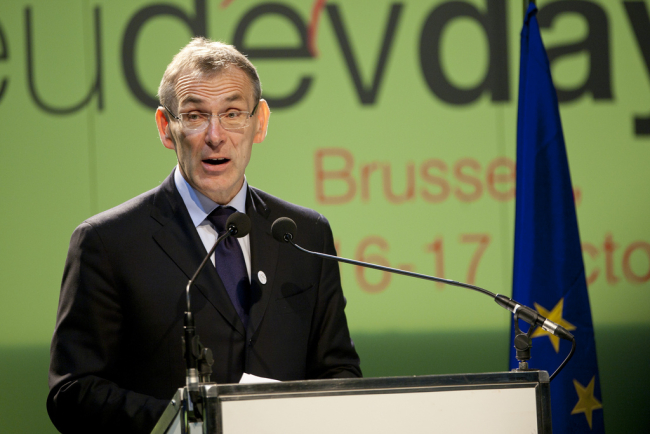
The European Union's Development Aid : from Development to Security, the Example of the European Development Fund
In the course of its institutional development and the expansion of its activities, the European Union (EU) has tended to pile up rather than to rationalize its policies, creating a financial tool per objective. As a result, the European funds have become a labyrinth, for which management costs are high.
The Legacy of the Great War: Sovereign States, Globalization and Regionalism
The Great War has shaped many 20th century practices and norms.
Winning in Libya: By Design or Default?
The 2011 insurgency in Libya brought about the demise of Supreme Leader Mouammar Qadhafi. A NATO-led coalition operated to meet a unique United Nations mandate including an arms embargo, no-fly zone, and the requirement to protect the population from armed attack.
Establishing the Rule of Law: the U.N. Challenge in Kosovo
Created on the 10th July 1999 by Security Council Resolution 1244, UNMIK was responsible for restructuring the institutions of a country devastated by war and establishing democratic governance. The security of people and goods and the existence of a legal system trusted by the population were two crucial prerequisites to the state-building process.
Consumption in an Uncertain Environment: The Paradox of the African Middle Classes
Three hundred million people belonging to the middle classes of Africa; three hundred million of potential consumers: an image of this kind is enough to make many an entrepreneur start dreaming. In fact, whereas for many years Afro-pessimism has dominated public opinion in the West, what seems to be the new trend in fashion, in both the media and economic circles, is now an exaggerated Afro-optimism.
Is Turkey an Economic Exception?
This roundtable dealt with the specificities of Turkey"s economy, which is completing major economic achievements in particularly difficult times. François Faure analyzed the risks of an economic backlash following the European crisis; Turkey appears indeed in a weaker position than in 2008 and difficult times could lie ahead. Esen Çağlar pointed out how Turkey progressed from a low-technology to medium-technology economy, thus ensuring considerable levels of growth. Yet, a renewed reform agenda is needed if Turkey wants to maintain its economic performance. Deniz Ünal addressed the issue of economic governance under the AKP and the consistency of their economic policy agenda. In any case, Europe will most certainly play a role in the country"s economic future. According to Rémi Bourgeot, the Middle East cannot provide an alternative to European markets even if it offers interesting opportunities for the Turkish South East. Turkey"s future growth will also depend on its capacity to impose itself as a corridor between Europe and its neighbours energy resources.
Chinese and Indian Economic Presence in the Maghreb
One of the major events of the last couple of decades has been the rise of China and India, reflected by their increasingly important economic presence in the world, both in terms of trade flows and of foreign direct investments.
Africa, which has long remained the former colonial powers" “private hunting ground”, does not seem to escape from Indian and Chinese presence and activity, hence worrying Africa"s traditional partners.
The Gulf Cooperation Council in the Maghreb: Exchange and Investment Strategies
The Gulf Cooperation Council (GCC) is a regional organization which was created in 1981, reassembling six Arab countries together: Saudi Arabia, Kuwait, Bahrain, Oman, Qatar, and the United Arab Emirates (UAE). Thanks to their oil income, GCC countries have enjoyed economic boom since 2002, hence breaking with the 1990s economic slow-down.
Moldova: A Status Quo of EU Institutional Relations
The barbed wire at the Prut River, on the Republic of Moldova’s (Moldova) border with Romania and, thus, with Europe will be removed by March 2010. This way, the last soviet “wall” will be torn. Maybe this symbolic action will open the door to the European Union (EU).
Ifri, a foundation recognized as being of public utility, relies largely on private donors – companies and individuals – to guarantee its sustainability and intellectual independence. Through their funding, donors help maintain the Institute's position among the world's leading think tanks. By benefiting from an internationally recognized network and expertise, donors refine their understanding of geopolitical risk and its consequences on global politics and the economy. In 2026, Ifri partners with over 90 French and international companies and organizations.


To analyze the impact of power rivalries and tensions on globalization, this initiative combines economic and political expertise. In the face of growing geopolitical risk, the goal is to decipher the dynamics of reconfiguration: protectionist pressures, sanctions, restrictions, industrial policies, and economic security concerns are redefining the rules of international trade. These tensions are also transforming international financial relations by undermining the foundations of trust and reshaping the global monetary system. They raise questions about the role of several key players: sovereign wealth funds, central banks, digital platforms, multilateral institutions, and financial infrastructure operators. In a context of profound disruption, simply refining existing approaches is no longer sufficient. The initiative is designed as a flexible model, drawing on diverse expertise to offer both broad overviews and targeted analyses. It also provides a platform for stakeholders and experts from various backgrounds to debate these issues freely.