




Health
The Covid-19 pandemic was an unprecedented shock and a catalyst for international relations. Other health crises will follow. We need to be prepared for them.

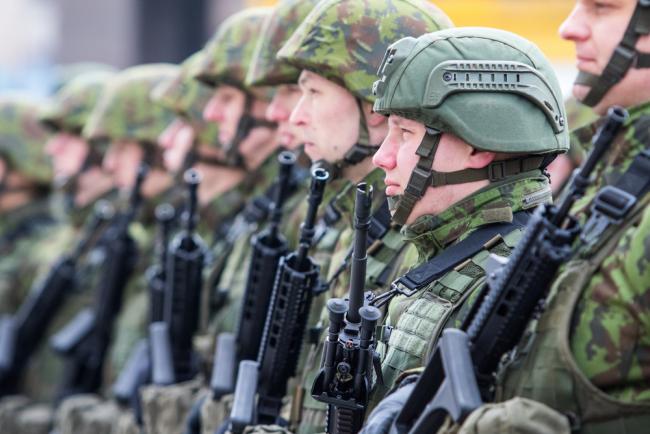
Collective Collapse or Resilience? European Defense Priorities in the Pandemic Era
To what extent has the COVID-19 pandemic affected defense priorities across Europe?
Towards the Second Crusade?
Europeans first grew aware of a possible pandemic exactly one year ago. The wave is here. It has submerged the world, claiming many lives and causing tremendous collateral damage.
COVID-19 in Africa: A Continent’s Response to a Global Crisis
The COVID-19 pandemic has struck Africa less than expected.

Latin America and the COVID-19 Challenge
Latin American governments have not responded consistently to the COVID-19 pandemic.
What are the impact of the COVID-19 crisis on Japan's economic security?
In this interview, Shin Oya, Senior Consulting Fellow, Asia Pacific Initiative and Chief Representative for Strategic Research, JBIC looks at COVID-19's impact on economic security in Japan.
Rethinking Economic Security in the (Post) COVID-19 World
The COVID-19 crisis has highlighted the risks of an excessive dependence on one single economic partner and has prompted a rethinking of what economic security really entails.

Contact tracing and Internet governance: debate with Audrey Tang, Digital Minister of Taiwan
Audrey Tang, Digital Minister of Taiwan, discussed the impact of technological changes such as 5G, contact tracing and Internet governance in an online debate.

The German Health care System in the Face of the Coronavirus Crisis
The handling of the COVID-19 pandemic by the German government and health system has globally been perceived as a success because of a relatively low death rate.
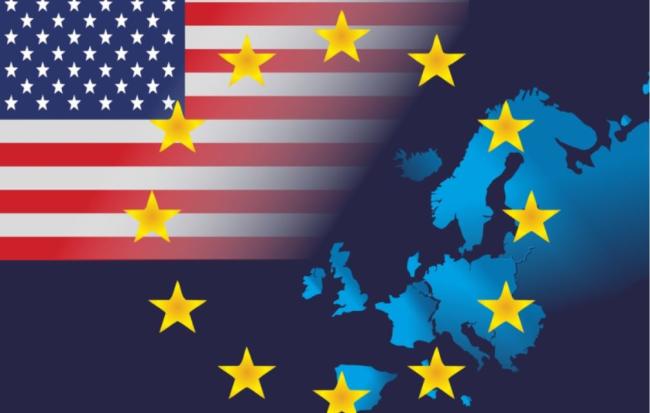
COVID-19 Reveals Europe’s Strategic Loneliness
The COVID-19 crisis has not only revealed a world that has moved into an age of interdependence and competition, it has also laid bare Europe’s strategic loneliness and vulnerability.
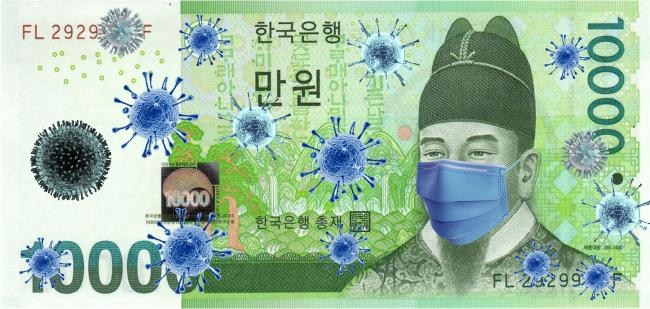
A Democratic tour de force: How the Korean State Successfully Limited the Spread of COVID-19
While the COVID-19 pandemic is still greatly affecting most of the world, the Republic of Korea has managed to stall the spread of the disease.
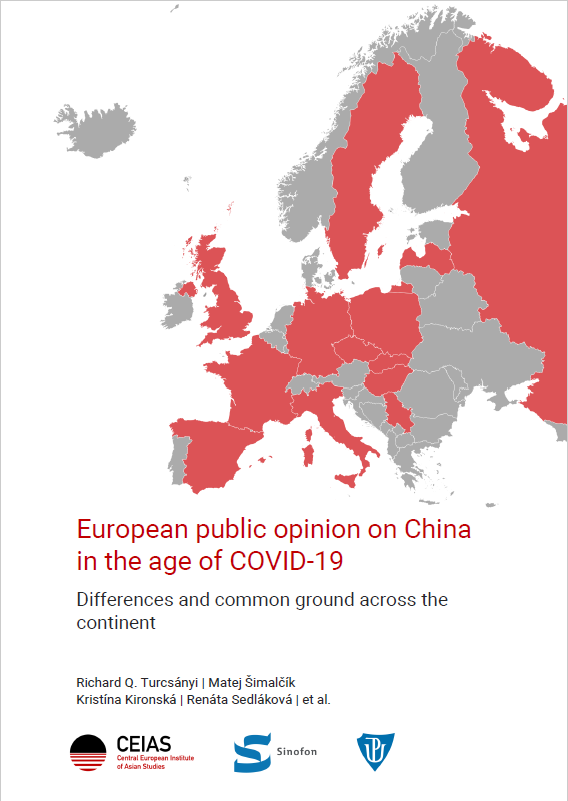
European public opinion on China in the age of COVID-19: Differences and common ground across the continent
In September and October 2020, the Sinophone Borderlands project at Palacký University Olomouc conducted a wide-scale survey of public opinion on China in 13 European countries. The polled countries include: Czechia, France, Germany, Hungary, Italy, Latvia, Poland, Russia, Serbia, Slovakia, Spain, Sweden, and the United Kingdom. Here, we present the basic findings of the survey, which are a result of a joint analysis of the survey data by the Central European Institute of Asian Studies (CEIAS) and Sinophone Borderlands.

GovTech, The New Frontier in Digital Sovereignty
The COVID-19 crisis has been a catalyst for a surge in the GovTech market, while triggering debate around the use of new technologies in the public health response to the pandemic. More broadly, the health crisis has shed a new light on the strategic importance of some domains relevant to GovTech such as HealthTech, smart cities and EdTech.

German Economic Policy during the Corona-crisis. How Germany Intends to Support its Economy
Compared with other European countries, Germany’s management of the COVID-19 crisis has been efficient. Its health system has successfully coped with the challenge of the fight against the pandemic, the impact on employees has been mitigated thanks to allowances dedicated to furlough leave, business aids were important and quickly available, the government has been responsive.
The American Elections and Beyond
The next few years will be tumultuous ones in the United States. The dependency of foreign policy on domestic policy is unlikely to diminish. Whether in the rivalry with China or the predominance of Israeli interests in Middle East policy, for example, it is hard to imagine Biden taking a big step backward. Many Europeans want to believe that a victory by Obama’s former vice president will signal a return to the good old days of transatlantic consultation and multilateralism.
Cybersecurity and COVID-19: Responses from Japan
In this interview, Mihoko Matsubara, Chief Cybersecurity Strategist, NTT Corporation in Tokyo, examines Japan's cybersecurity responses during the COVID-19 pandemic.
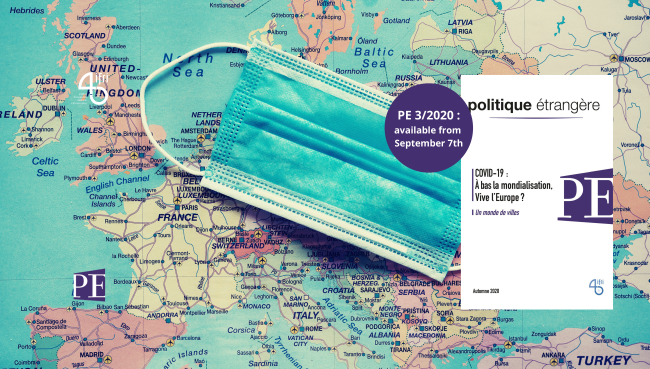
COVID-19: Down with Globalization, Long Live Europe?
Beyond national healthcare systems, COVID-19 questions major global balances, as well as the modes of cooperation underpinning them.


Letter from Europe: Disorder, Injustice and our Current Crisis
Looking back on the last few weeks, a famous quote by Goethe (from his report on the siege of Mainz in 1793) came to mind: “Better to commit an injustice than to countenance disorder.” In other words, disorder engenders more injustice than it eradicates.

Europe beyond COVID-19
The recovery plan agreed upon by European Union leaders in July 2020 is unprecedented: for the first time, it creates a common debt that will help revive the economies impacted by the pandemic.

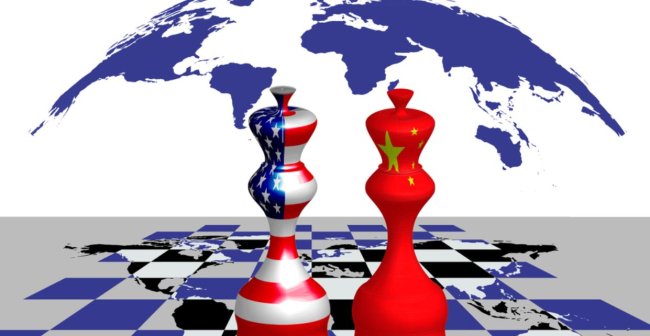
COVID-19 Puts International Health Cooperation to the Test
The COVID-19 pandemic catalyzed international tensions, in particular between China and the United States.
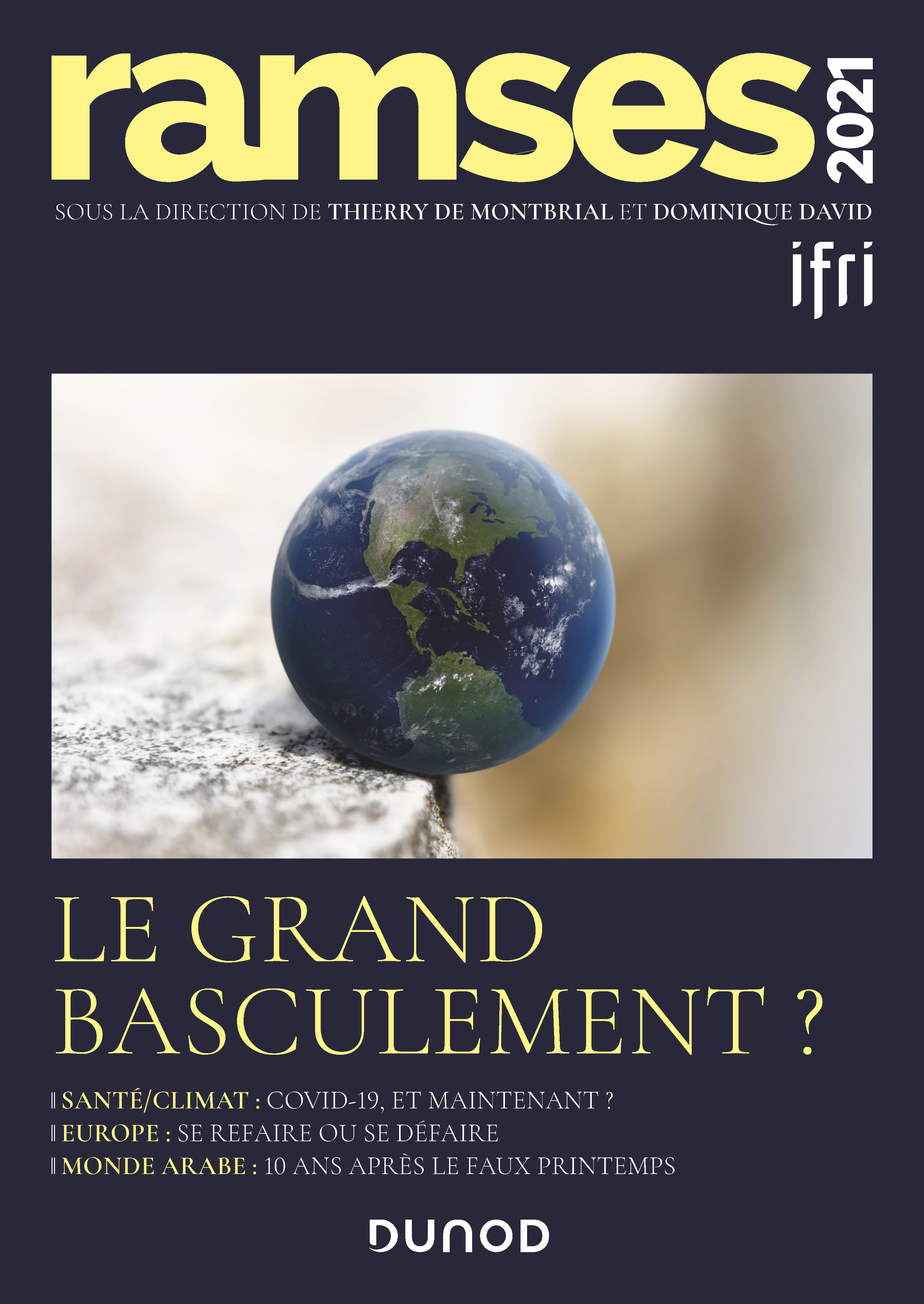
RAMSES 2021. At the Edge?
RAMSES 2021. At the Edge?, written by Ifri's research team and external experts, offers an in-depth and up-to-date analysis of geopolitics in today’s world.
Ifri, a foundation recognized as being of public utility, relies largely on private donors – companies and individuals – to guarantee its sustainability and intellectual independence. Through their funding, donors help maintain the Institute's position among the world's leading think tanks. By benefiting from an internationally recognized network and expertise, donors refine their understanding of geopolitical risk and its consequences on global politics and the economy. In 2026, Ifri partners with over 90 French and international companies and organizations.
