






Security - Defense
As a result of global strategic competition, security and defense issues are marked by the return of major wars and nuclear deterrence, the transformation of terrorism and the race for military technologies.
Related Subjects
Pakistan : du désordre à la guerre civile ?
While the Pakistani state is on the decline, the militarization of the society increases. By arming the Pashtun tribes so that they stand up to the local Taliban, the Pakistani state fully contributes to its own process of marginalization. That strategy could easily lead to an escalation of the civil war which already rages in the Pashtun belt. Yet, the Taliban challenge only represents one of the threats hanging over Pakistan's future. The decline of the state can be witnessed everywhere.
This content is published in French - Pakistan : du désordre à la guerre civile ?
President-elect Obama and Nuclear Disarmament: Between Elimination and Restraint
Transforming for What ? Challenges Facing Western Militaries Today
The term "transformation" is often heard in Western - especially U.S. - military circles. "Transformation" is generally intended to convey the notion of major, productive change for the future that will result in improved military capabilities. A major issue that faces the militaries of most democratic nations is, however, what missions are they transforming for? This article examines that important question, with a particular focus on the types of operations that are likely to predominate in the coming years, and the implications that they will have for the armed forces of the Western nations as they plan for the future.

La surprise stratégique. De la notion aux implications
The concept of strategic surprise has rarely been defined precisely and generally conveys the idea of a badly or non-anticipated threat which unexpectedly hits a state, shaking its conceptions and its position towards security. Until the 1980s strategic surprise would take the form of a nuclear surprise attack. In the 1990s, the idea of a so-called "computer Pearl Harbor" was put forward, which would neutralize the complex systems supporting western societies. With the 9/11 attacks, the threat of a strategic surprise suddenly materialized. After delineating the legitimate scope of the notion of "strategic surprise", highlighting the variability of its effects and underlining the importance of the "target" and of its vulnerability, this paper aims exploring some possible trails and answers, which would attempt to reduce not only the probability of an attack but also its impact.
Candide in Congo. The expected failure of Security Sector Reform (SSR)
From Afghanistan to the Central African Republic, through Haiti and Guinea Bissau, 'failed' or fragile states have finally turned out to be much more resilient than planned to the Security Sector Reforms (SSR) and other imported reforms of governance. Their ability to let any reform coming from abroad sink, to block or twist such initiatives strongly contrasts with the weakness of their human and financial resources. The example of the Democratic Republic of Congo illustrates the difficulties which are inherent to the concept of SSR.
La notion de partage capacitaire en question
In Europe and to a lesser extent in the rest of the world, the last decades have been characterized by two concomitant phenomena : the increasing cost of armament technology which has become always more sophisticated as well as the reduction in the strength of national armed forces and in their budget. In that context of restrictions, the implementation of armament programs in a strictly national framework appears to be more and more problematic. Resorting to co-operation and harmonizing the needs of the different armed forces turns out to be a "pressing necessity" or at least a pragmatic solution to many recurring difficulties.
L'aide au développement face à la guerre
Development aid has progressively penetrated the fields of conflicts and "fragility". It tends to become a key component of external interventions, next to military action and diplomacy. As a result, it is subjected to the final goals of those operations which, beyond the end of confrontations and the setting up of a political solution, aim at building peace.
Du bon usage de la terreur
What is the role of terror in wars in general and in asymmetric conflicts in particular? Why have democratic countries such as France and the United States been confronted to torture in Algeria and Irak? Do terrorists have to be "terrorized"? That article aims at exploring some lines of enquiry in order to answer those particularly sensitive issues.
Birthing Athena. The Uncertain Future of European Security and Defense Policy (ESDP)
Birthing Athena. The Uncertain Future of European Security and Defense Policy (ESDP)
Stabiliser autrement ? Les équipes provinciales de reconstruction (PRT) en Afghanistan
Jadis simple corollaire de l'action militaire, ce qu'il est convenu d'appeler la bataille des cœurs et des esprits constitue désormais l'un des enjeux principaux du conflit et en tout état de cause, l'enjeu majeur de la sortie de crise. Bien que préparée dès le temps de paix, la relation entre acteurs civils et militaires peine traditionnellement à se mettre en place sur les théâtres d'opérations, tant les modes opératoires des uns et des autres sont différents. Justement conçues pour dépasser ces divergences en Afghanistan, les équipes provinciales de reconstruction (PRT) représentent aujourd'hui l'outil de terrain le plus abouti en matière de coopération civilo-militaire.Malgré les ambiguïtés qui persistent entre aide humanitaire et objectifs militaires, en dépit également de résultats aléatoires et de certaines polémiques concernant la pertinence même du concept, les PRT s'étendent progressivement à tout l'Afghanistan qui fait désormais figure de laboratoire pour les stratégies de sortie de crise, au point de poser la question de la portée véritable de l'instrument pour les opérations de stabilisation à venir.
New Wine in Old Bottles? The New Salience of Nuclear Weapons
L'interarmées aux États-Unis - rivalités bureaucratiques, enjeux opérationnels et idéologie de la jointness
Thème lancé pendant les années 1980 et constamment repris depuis, érigé en obligation impérieuse et presque en dogme pendant l'ère Rumsfeld, l'interarmisation ou jointness s'inscrit en réalité dans un débat ancien et même récurrent qui, par-delà MacNamara, remonte aux débuts de la guerre froide et même en-deçà.
Ifri, a foundation recognized as being of public utility, relies largely on private donors – companies and individuals – to guarantee its sustainability and intellectual independence. Through their funding, donors help maintain the Institute's position among the world's leading think tanks. By benefiting from an internationally recognized network and expertise, donors refine their understanding of geopolitical risk and its consequences on global politics and the economy. In 2026, Ifri partners with over 90 French and international companies and organizations.

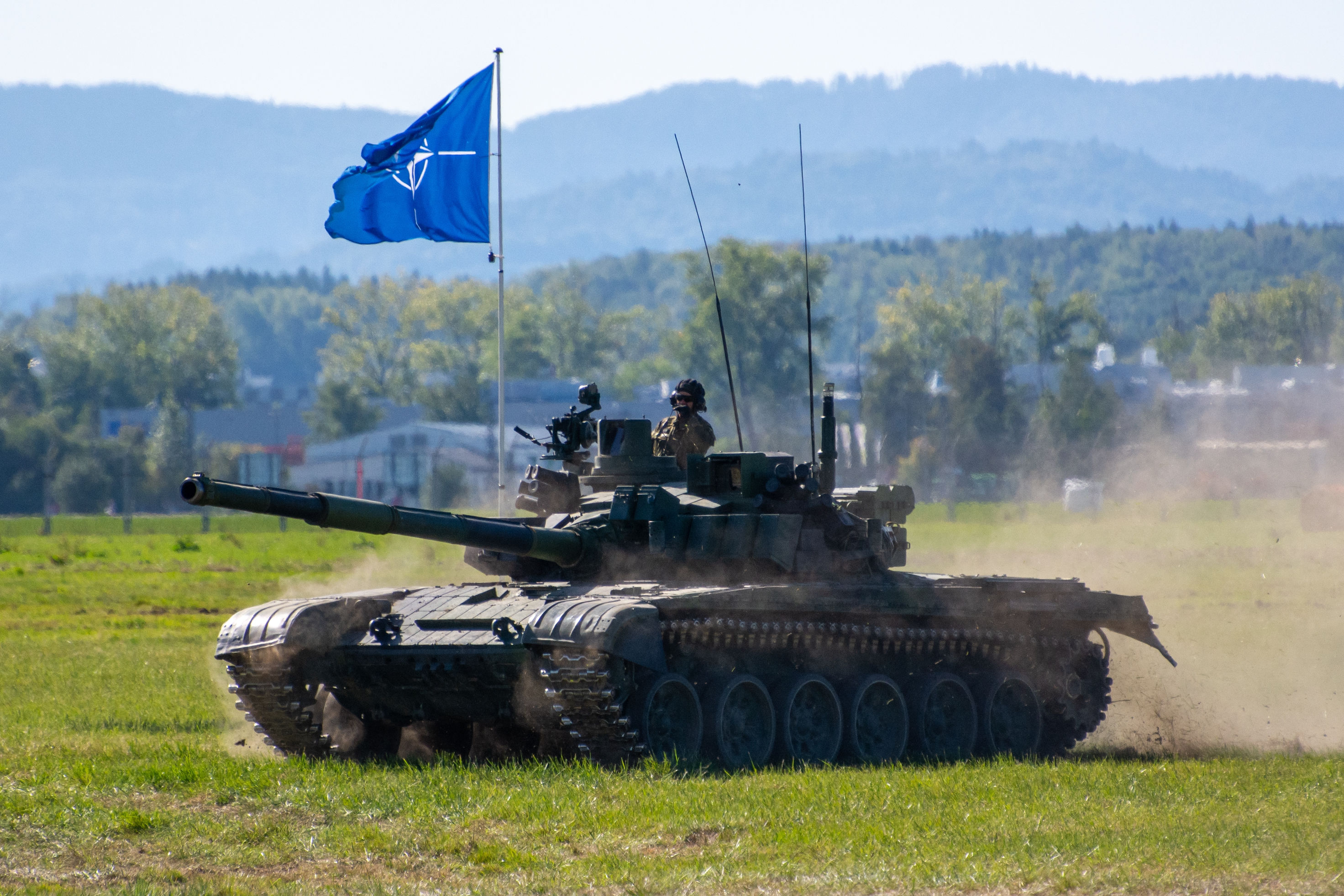
The European & Transatlantic Security Program aims to contribute to the strategic debate by developing analyses around three main axes: European defense and the security architecture of the European continent, institutional and strategic links between the Treaty Organization of North Atlantic (NATO) and the European Union (EU), as well as the evolution of the transatlantic relationship.
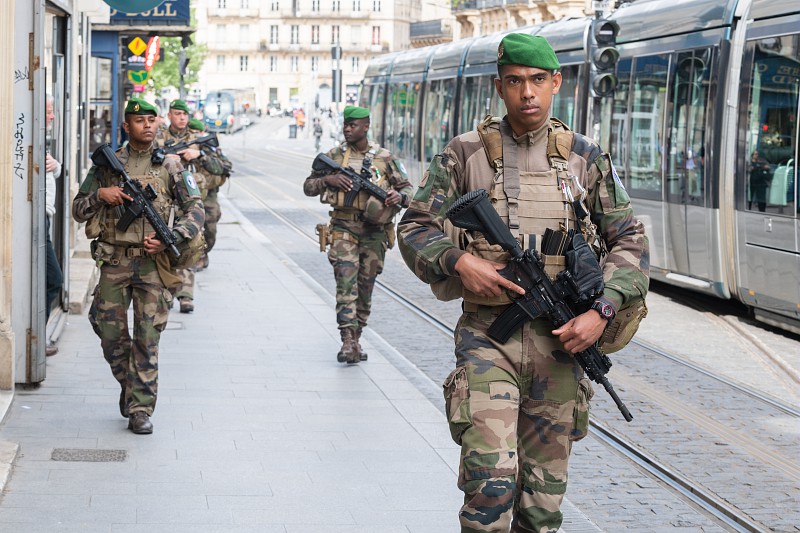
The distinction between internal and external threats is often exaggerated, as the borders are so porous. Conflicts taking place thousands of kilometers from France can have tragic resonances on national territory. Radicalization, terrorism and even organized crime have an international dimension that cannot be ignored.
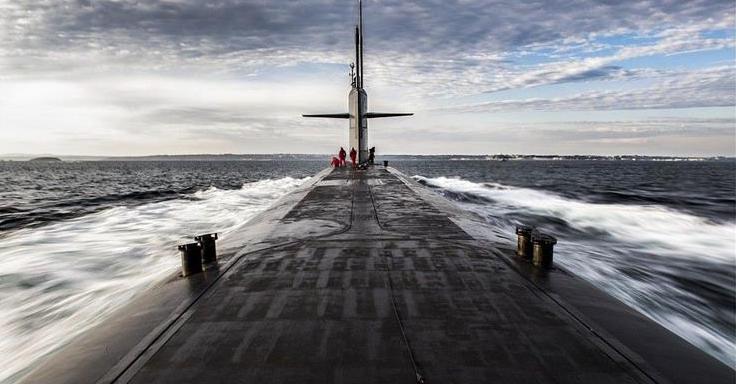
The conflicts in Europe, Asia and the Middle East demonstrate a return of nuclear power to the balance of power. Arsenals are being modernized and expanded, while arms control is collapsing. This research program aims to analyze these phenomena.
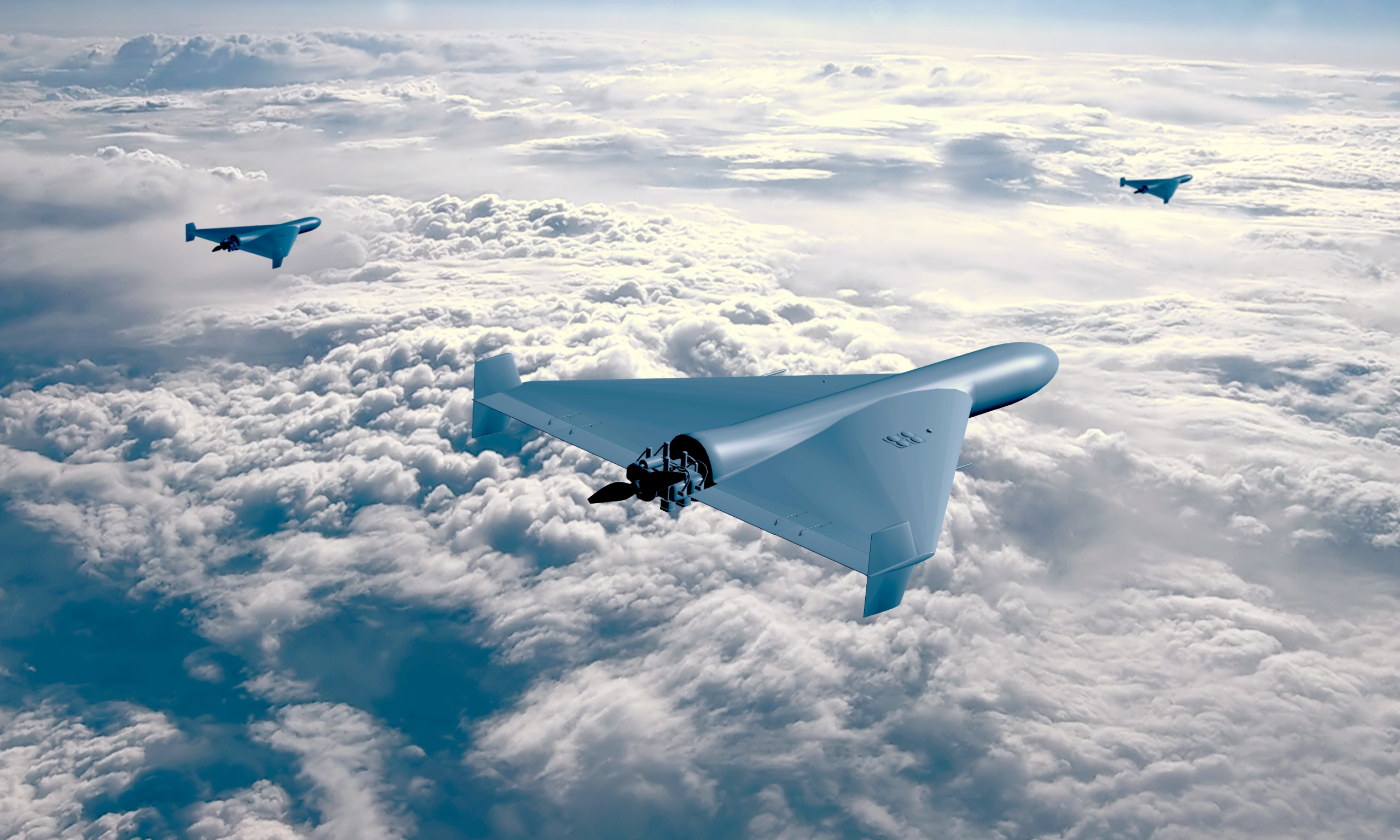
The Observatory of Future Conflicts is a research program carried out by the French Institute of International Relations and the Foundation for Strategic Research on behalf of the three army headquarters aimed at studying developments in tensions and armaments at the horizon 2040 in a transversal perspective, taking into account the issues of each army.
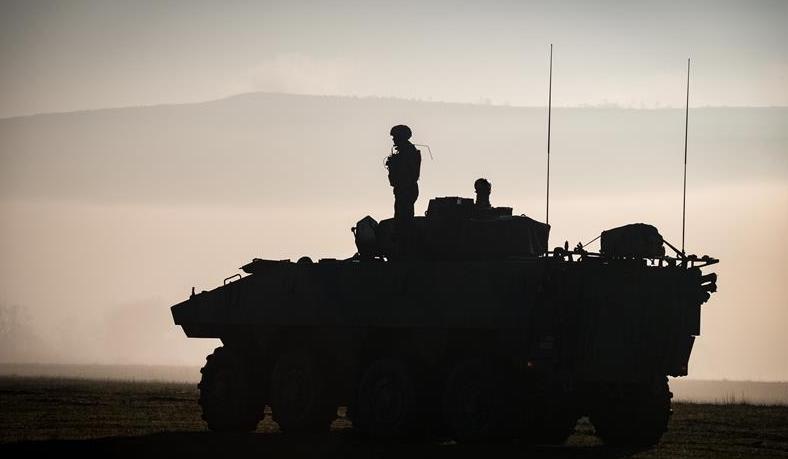
Heir to a tradition dating back to the founding of Ifri, the Security Studies Center provides public and private decision-makers as well as the general public with the keys to understanding power relations and contemporary modes of conflict as well as those to come. Through its positioning at the juncture of politics and operations, the credibility of its civil-military team and the wide distribution of its publications in French and English, the Center for Security Studies constitutes in the French landscape of think tanks a unique center of research and influence on the national and international defense debate.
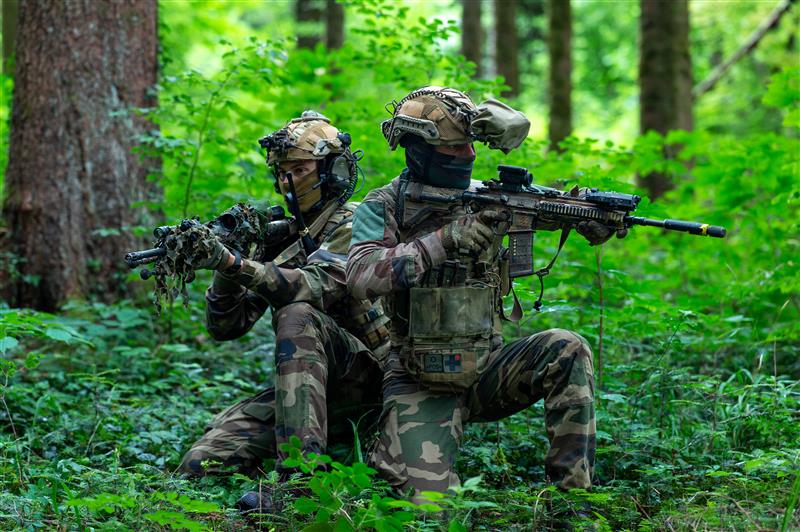
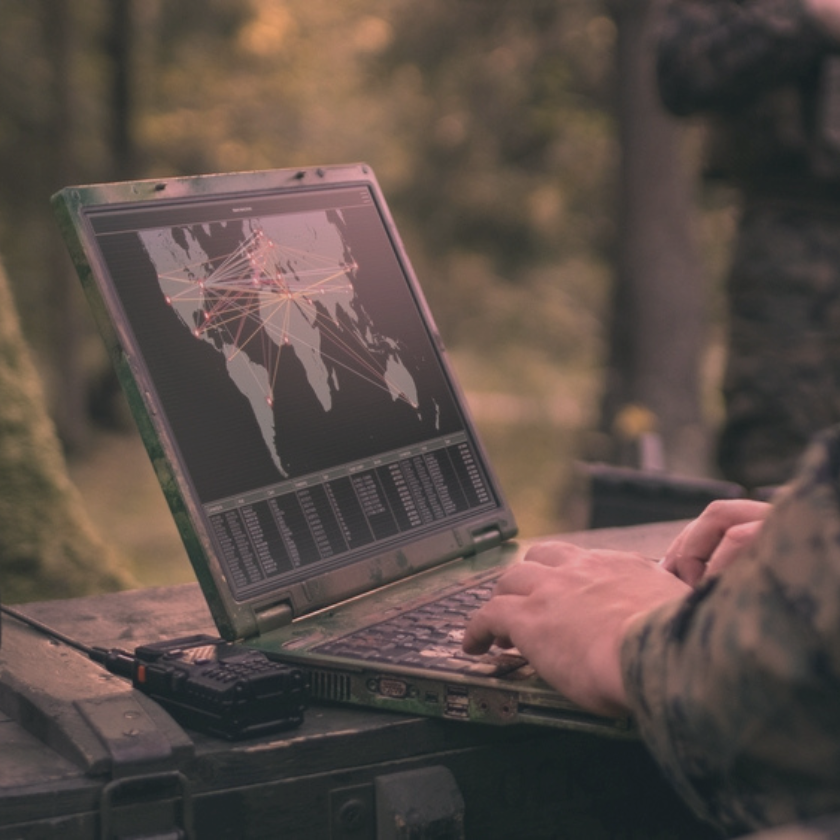
The Defense Research Unit is a program that aims at stimulating the strategic debate by dealing with subjects at the junction of the “technico-operational” and the “political-strategic”. A unique structure in France, it brings together civilian researchers and “military fellows” from each of the three armies to produce work on defense policies, the capability and strategic adaptation of armies, and foresight on tomorrow's conflicts.