



Leadership Change in East Asia and Implications for Regional Stability
Informations pratiques
Centres et programmes liés
Ceci est un événement réservé.
En savoir plus sur nos programmes de soutienSeminar with Ryo Sahashi, Associate Professor, Kanagawa University and Fellow with JCIE (Japan Center for International Exchanges), Marie-Orange Rivé-Lasan, Professor, University Paris Diderot and Alice Ekman, Associate Research Fellow, Center for Asian Studies, Ifri.
Chair: Françoise Nicolas, Director, Center for Asian Studies, Ifri.
In 2012, new political leadership has been taking root throughout the Asia-Pacific. While general elections were held in South Korea in April, a new President will step up in December. In Pyongyang, the anniversary of the nomination of Kim Jung-un as Supreme Leader will be celebrated at the end of the year. Last March, a presidential election was held in Russia while this November voters will go to the polls in the United States (Nov 6th) and a once-in-a-decade leadership change is expected in China (Nov 8th). Meanwhile, Japan"s government is suffering from low popularity and general elections are looming. What implications will these leadership changes have on regional stability in East Asia? This seminar will provide elements to understand the context of political transition in various countries in the region and how political change could shape the regional order.
The seminar will be held in English.
Intervenants

Notre équipe

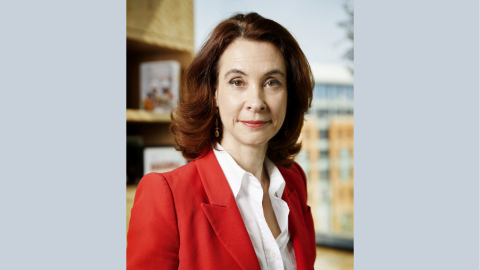
Alice EKMAN
Ancienne Responsable des activités Chine, Centre Asie
Intervenant(s) extérieur(s)

Ryo SAHASHI, Marie-Orange RIVE-LASAN

Autres événements
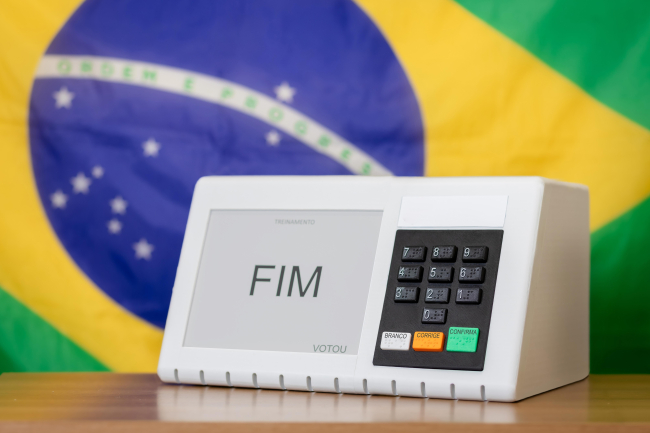
Brésil : vers une continuité décevante, avec Lula ou Bolsonaro
Un brief de 30 minutes autour de Jean-Louis Martin, chercheur associé, Programme Amériques et Centre énergie et climat de l'Ifri.
La sécurité environnementale : nouvel enjeu de l’autonomie stratégique européenne
Face aux bouleversements géopolitiques, à l’accélération du changement climatique et aux avancées technologiques qui redessinent les rapports de force mondiaux, la maîtrise des ressources s’impose comme un enjeu de puissance. Eau, énergie, matières premières critiques : des sujets longtemps appréhendés principalement sous l’angle environnemental ou économique occupent aujourd’hui une place croissante dans les réflexions sur la souveraineté et la sécurité des États.

Le renseignement peut-il encore anticiper les ruptures ?
Retour de la guerre de haute intensité en Europe, durcissement des rivalités entre puissances, multiplication des menaces hybrides, persistance du risque terroriste : le monde est entré dans une ère de confrontation où l'information, son contrôle et son exploitation sont devenus des armes à part entière.