




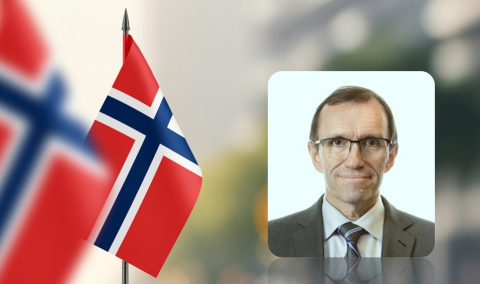
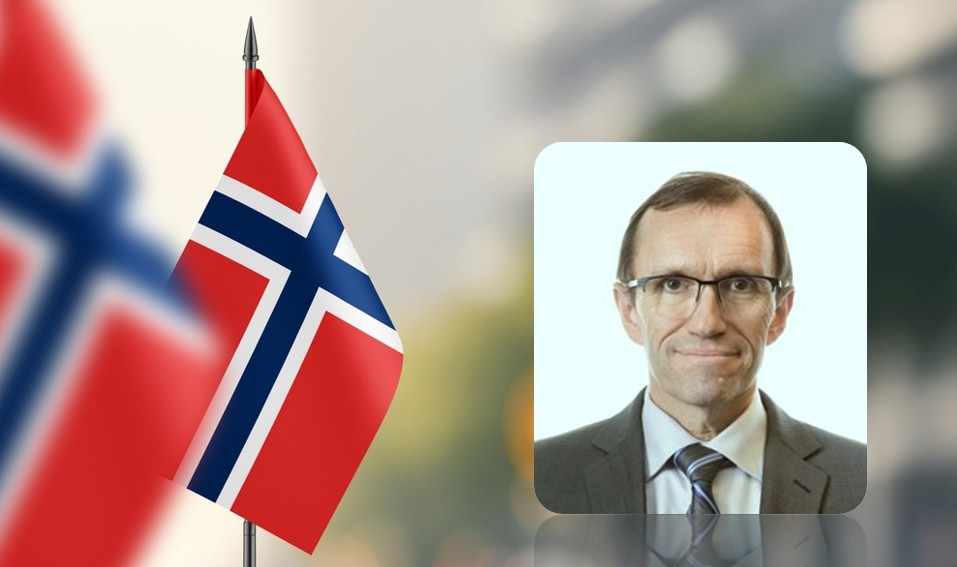
Conference with Espen Barth Eide, Minister of Foreign Affairs of Norway
Practical information
Accessibility
Since the invasion of Ukraine by Russia in 2022, Norway has become the European Union’s leading supplier of gas. This position could be further strengthened given the ongoing war in the Middle East.
Beyond the issue of energy, how does the Norwegian government view the current crises, and what means does it have to act within its regional environment (notably in the Arctic) and, more broadly, on the international stage? How does Norway - sharing a border with Russia and having been a member of NATO since its founding – approach the security of the Euro-Atlantic area? These are some of the questions that will be discussed during this conversation with Espen Barth Eide, Norway’s Minister of Foreign Affairs.
Discussion moderated by Marc Hecker, Ifri's Executive Director.
Replay
Contact
Lucie MIELLE
Project Officer to the Director, Ifri

Related Subjects
Other events
Navigating Uncertainty: Asian Powers amid US-China Competition
As relations between China and the United States oscillate between hardening competition and strategic stability, regional powers in Asia must adapt to greater uncertainty.