




Conversation with Nabil Fahmy, designated Secretary General of the Arab League - WPC 2026
Conversation with Nabil Fahmy, designated Secretary General of the Arab League, chaired by Thierry de Montbrial, Founder and Executive Chairman of Ifri and the World Policy Conference.
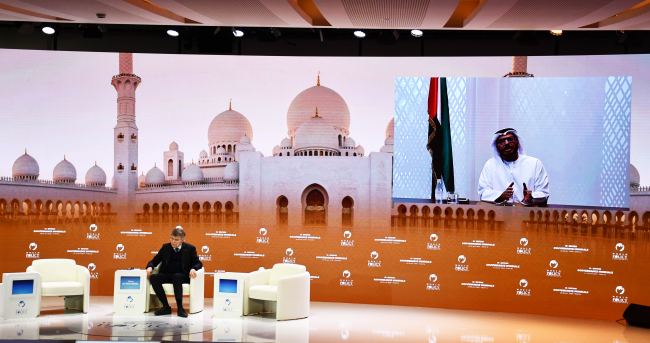
A conversation with Anwar Gargash, Diplomatic Advisor to the President of the United Arab Emirates
In an exceptional debate with Thierry de Montbrial, Anwar Gargash, Diplomatic Advisor to the President of the United Arab Emirates shares his perspective on the ongoing war with Iran in the Middle East.
The New Diplomatic Weight of Gulf Countries
The political and economic weight of the Gulf monarchies has increased considerably. These countries have diversified their economies and become logistic hubs, attracting large numbers of investors. They have also managed to extend their power beyond their borders. However, the wider regional fallout of the war begun by Hamas on October 7, 2023 has cast doubt on the Gulf’s stability, especially as it seems that the American security umbrella can no longer be taken for granted

The Gulf Search for Power(s) / Politique étrangère, Vol. 90, No. 4, 2025
Persian Gulf countries have become heavyweights in the international arena, wielding influence both regionally and far beyond. Acting as diplomatic mediators, investors, and hosts of global events, they are attempting to move beyond their long-standing role as suppliers of energy resources and reshape their economic, social, and political foundations through ambitious national “Visions”. Their international alliances are proving increasingly flexible, broadening their diplomatic reach (even if Washington’s influence remains decisive)—with Saudi Arabia, Qatar, and the United Arab Emirates all part of a dynamic pushing many global actors toward multi-alignment.
Gulf Sovereign Wealth Funds: Major Actors in World Finance
The sovereign wealth funds of Gulf countries have become key players in world finance. By investing colossal sums in strategic sectors, they contribute both to local development and the growing influence of the Gulf monarchies in the global economy and international politics. In the near future, they will have to grapple with two challenges: that of human capital, and that of their geopolitical position between the Global North and Global South.
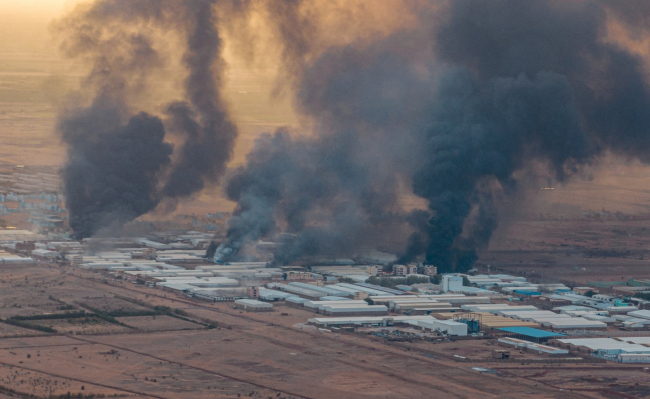
Gulf States: A Paradoxical Economic Lifeline for Sudan
For decades, Gulf states have provided crucial financial assistance to Sudan. Gulf interest in Sudan is driven by economic benefits and geopolitical competition, though each country has its own interests and approach.
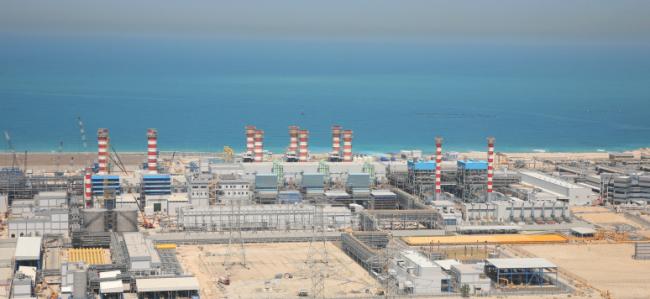
The Geopolitics of Seawater Desalination
Water desalination is gradually emerging as the leading solution to cope with increasing water stress: i.e., the imbalance between water demand and quantities available. The United Nations estimates that by 2025, two-thirds of the world’s population will be affected by such challenges. The causes of water scarcity are multiple, including climate change, intensive agriculture, and population growth. This requires states to rethink their water policies, which are central to preserving their stability, resilience and sovereignty.
A Year after the Start of the Saudi-Emirati Blockade against Qatar. What Are the Consequences for West Africa?
On June 5th 2017, Saudi Arabia, the United Arab Emirates, Egypt and Bahrain broke off diplomatic relations with Qatar and agreed to isolate the Emirate via an air and land blockade.
The Gulf Monarchies' Armed Forces at the Crossroads
Something is happening with the military forces of the Arab monarchies in the Gulf.
Diplomacy as Diaspora Management: The Case of India and the Gulf States
In today’s world, diaspora management and diplomacy have become increasingly enmeshed, reflecting the growing interconnections between domestic and international issues.
Water and Energy in the GCC: Securing Scarce Water in Oil-Rich Countries
Water scarcity in the Gulf Cooperation Council (GCC) states has traditionally been addressed by finding new ways of producing water. The high costs of desalinated water production are borne by the State through subsidies. As this trend is not environmentally or economically sustainable, new strategies are now giving priority to cost recovery and efficient resource management.
Persistence and Evolutions of the Rentier State Model in Gulf Countries
A general economic model of understanding Middle Eastern states was elaborated by political scientists around the 1980’s, based on the concept of rent as a factor of wealth around which the economic model as much as the governance of energy-rich countries was re-organized. The particular case of GCC’s countries as rentier state has been at the cornerstone of this concept since they own the most important share of energy resources in the world.
Turkey/GCC Economic Relations
Developing economic relations with GCC countries has become a consistent objective of the Turkish government since the coming in power of AKP. They have been successful in rallying part of the Turkish business community to this objective, thus building an internal social consensus towards opening to the Gulf.
Temporary Workers or Permanent Migrants? The Kafala System and Contestations over Residency in the Arab Gulf States
The Arab Gulf is the third largest receiving region for global migrants (after North America and the European Union). The six states of the Gulf Corporation Council (GCC) are the richest Arab economies, boast some of the highest GDP per capita rankings in the world, and they all depend upon guest workers in virtually every economic sector. Guest workers have played an integral role in the Gulf since the 1970s, supplying the skills and manpower needed to implement ambitious development plans.
The Gulf Cooperation Council in the Maghreb: Exchange and Investment Strategies
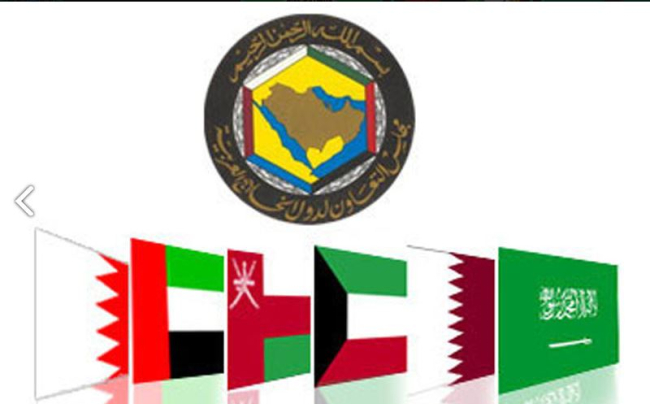
The Gulf Cooperation Council (GCC) is a regional organization which was created in 1981, reassembling six Arab countries together: Saudi Arabia, Kuwait, Bahrain, Oman, Qatar, and the United Arab Emirates (UAE). Thanks to their oil income, GCC countries have enjoyed economic boom since 2002, hence breaking with the 1990s economic slow-down.

The Gulf Search for Power(s) / Politique étrangère, Vol. 90, No. 4, 2025
Persian Gulf countries have become heavyweights in the international arena, wielding influence both regionally and far beyond. Acting as diplomatic mediators, investors, and hosts of global events, they are attempting to move beyond their long-standing role as suppliers of energy resources and reshape their economic, social, and political foundations through ambitious national “Visions”. Their international alliances are proving increasingly flexible, broadening their diplomatic reach (even if Washington’s influence remains decisive)—with Saudi Arabia, Qatar, and the United Arab Emirates all part of a dynamic pushing many global actors toward multi-alignment.
Gulf States: A Paradoxical Economic Lifeline for Sudan
For decades, Gulf states have provided crucial financial assistance to Sudan. Gulf interest in Sudan is driven by economic benefits and geopolitical competition, though each country has its own interests and approach.
A Year after the Start of the Saudi-Emirati Blockade against Qatar. What Are the Consequences for West Africa?
On June 5th 2017, Saudi Arabia, the United Arab Emirates, Egypt and Bahrain broke off diplomatic relations with Qatar and agreed to isolate the Emirate via an air and land blockade.
The Gulf Monarchies' Armed Forces at the Crossroads
Something is happening with the military forces of the Arab monarchies in the Gulf.
Diplomacy as Diaspora Management: The Case of India and the Gulf States
In today’s world, diaspora management and diplomacy have become increasingly enmeshed, reflecting the growing interconnections between domestic and international issues.
Water and Energy in the GCC: Securing Scarce Water in Oil-Rich Countries
Water scarcity in the Gulf Cooperation Council (GCC) states has traditionally been addressed by finding new ways of producing water. The high costs of desalinated water production are borne by the State through subsidies. As this trend is not environmentally or economically sustainable, new strategies are now giving priority to cost recovery and efficient resource management.
Persistence and Evolutions of the Rentier State Model in Gulf Countries
A general economic model of understanding Middle Eastern states was elaborated by political scientists around the 1980’s, based on the concept of rent as a factor of wealth around which the economic model as much as the governance of energy-rich countries was re-organized. The particular case of GCC’s countries as rentier state has been at the cornerstone of this concept since they own the most important share of energy resources in the world.
Turkey/GCC Economic Relations
Developing economic relations with GCC countries has become a consistent objective of the Turkish government since the coming in power of AKP. They have been successful in rallying part of the Turkish business community to this objective, thus building an internal social consensus towards opening to the Gulf.
Temporary Workers or Permanent Migrants? The Kafala System and Contestations over Residency in the Arab Gulf States
The Arab Gulf is the third largest receiving region for global migrants (after North America and the European Union). The six states of the Gulf Corporation Council (GCC) are the richest Arab economies, boast some of the highest GDP per capita rankings in the world, and they all depend upon guest workers in virtually every economic sector. Guest workers have played an integral role in the Gulf since the 1970s, supplying the skills and manpower needed to implement ambitious development plans.
A conversation with Anwar Gargash, Diplomatic Advisor to the President of the United Arab Emirates
In an exceptional debate with Thierry de Montbrial, Anwar Gargash, Diplomatic Advisor to the President of the United Arab Emirates shares his perspective on the ongoing war with Iran in the Middle East.
Conversation with Nabil Fahmy, designated Secretary General of the Arab League - WPC 2026
Conversation with Nabil Fahmy, designated Secretary General of the Arab League, chaired by Thierry de Montbrial, Founder and Executive Chairman of Ifri and the World Policy Conference.
A conversation with Anwar Gargash, Diplomatic Advisor to the President of the United Arab Emirates
In an exceptional debate with Thierry de Montbrial, Anwar Gargash, Diplomatic Advisor to the President of the United Arab Emirates shares his perspective on the ongoing war with Iran in the Middle East.
Ifri, a foundation recognized as being of public utility, relies largely on private donors – companies and individuals – to guarantee its sustainability and intellectual independence. Through their funding, donors help maintain the Institute's position among the world's leading think tanks. By benefiting from an internationally recognized network and expertise, donors refine their understanding of geopolitical risk and its consequences on global politics and the economy. In 2026, Ifri partners with over 90 French and international companies and organizations.
