





Energy in the Era of the New Geopolitics
The global energy system is constantly changing: rising consumption in developing countries, the growing role of electricity, vulnerabilities in supply chains, and the environmental implications of energy policy choices. The security of the system and the substantial investments required in the future can only be ensured through international cooperation, as exemplified, among other mechanisms, by the International Energy Agency.
Europe’s Power Grid Challenge: A Make-or-Break for Accelerating Electrification
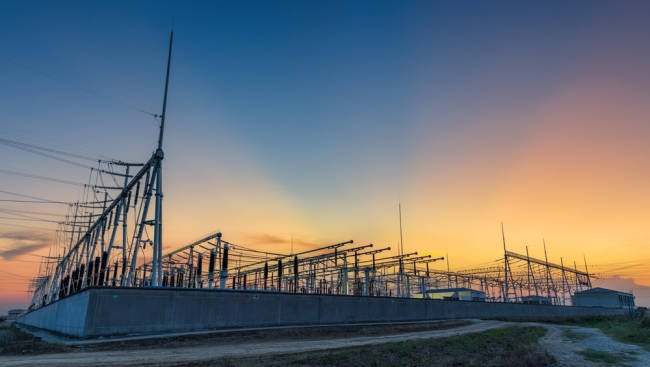
In April 2023, The Economist published an article pointing to the vast amounts of electricity infrastructure needed to reach energy transition goals.

EDF’s problems pile up as full nationalisation looms
French supplier of nuclear energy is struggling with plant shutdowns, build problems and skills shortages.
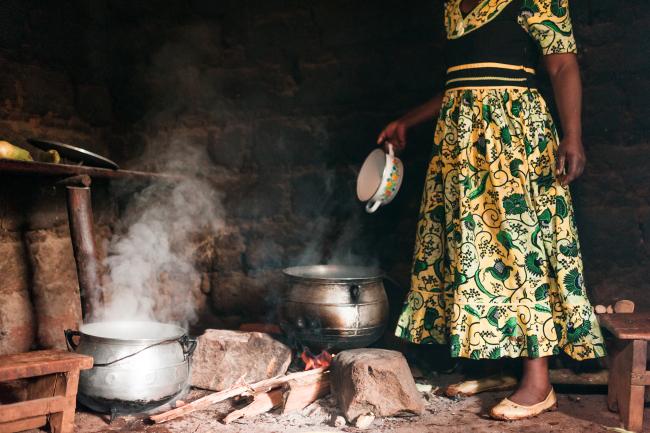
Power to the Cooks! New Clean Cooking Opportunities for Sustainable Development in Sub-Saharan Africa
2.6 billion people globally and 1 billion in Sub-Saharan Africa (SSA) cook using biomass fuel. The detrimental effects on the environment and public health, as well as the time and money lost are considerable. If nothing new is done, this situation will worsen further in SSA.
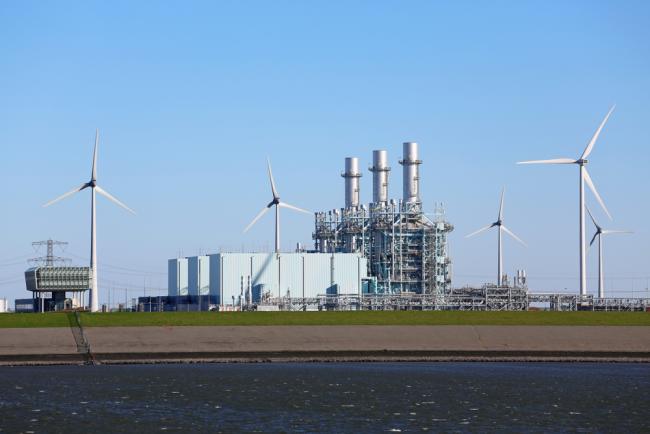
The Energy Price Crises: A Reality Check for Europe’s Green Deal
On its path to carbon neutrality, the European Union (EU) will be exposed to growing energy price volatility and vulnerable to Russian and Chinese pressure on supply and demand.
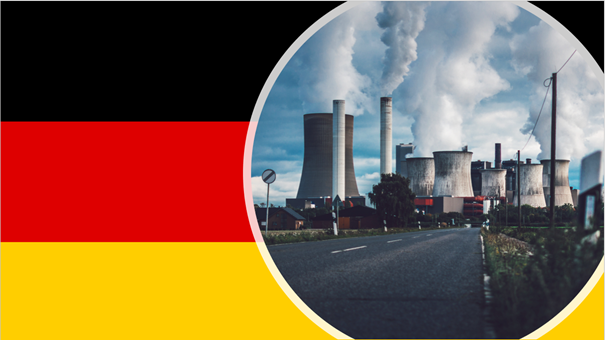
Facing a Wall: Climate in the German Elections and Perspectives for France
All key candidates have climate neutrality by 2045 in sight, yet Germany is preparing to embark on a high-speed decarbonization train that has neither enough power nor rails to lead to its final destination. Beyond slogans and principles, effective strategies have often been missing.

After the Hydrogen Bubble Bursts: The Factors Shaping and Possibly Unfolding International Hydrogen Value Chains
The laws of physics and the geographic realities will prevail over the myths of hydrogen (H2): it will essentially be delivering carbon-neutral feedstocks to the chemical and steelmaking industries, carbon-neutral fuels to shipping and aviation, and eventually ensuring security in fully decarbonized power grids.
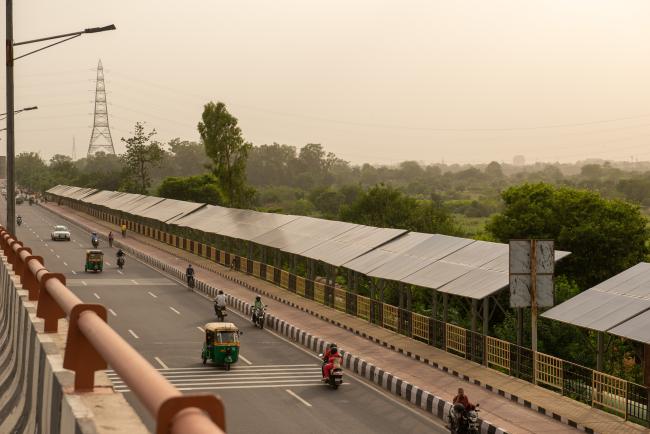
India’s Energy and Climate Policies Post COVID-19: Short Term Slowdown, Longer Term Boom in Renewables
India has long been a positive and committed partner in global and domestic climate change mitigation efforts.

Green Recovery for Sub-Saharan Africa: Boosting Sustainable Electrification
If sub-Saharan Africa followed the same model of economic development as the rest of the world, focused on the growth of carbon intensive industries, cities and infrastructures, it would seal the planet's climate future. Africa’s emissions today are among the lowest per capita in the world: 0.8 tons/capita.
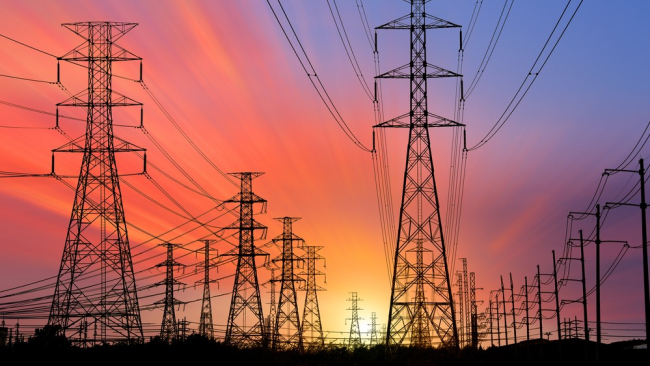
Is the TEN-E Regulation Fit for a Decarbonized Future? A Battle to Shape the European Energy Transition
The European Union’s energy infrastructure policy has become obsolete with the adoption of both the Green Deal and the 2050 climate neutrality target. The ongoing review of the regulation on Trans-European Energy Networks (TEN-E) should lead to an-depth discussion on Europe’s energy transition strategy.
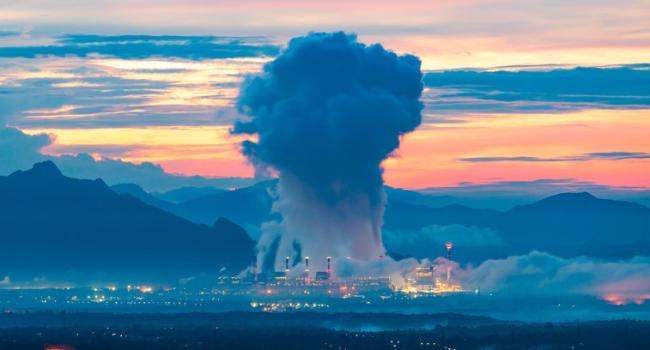
Addressing the Climate Emergency: Closing 1,000 Gigawatts of Coal Plants by 2035
In order to have any chance of limiting global warming to well below +2°C, there is no choice but to tackle coal-fired power plants head-on, around the world.

South Africa’s Energy Policies: Are Changes Finally Coming?
Energy and electricity policy, planning and regulation in South Africa has been slow and bureaucratic, lacking visionary leadership, and marred by uncertainty. Policy positions and actions taken have tended to be reactive, and driven more by crisis management than by forward-looking leadership.

The Potential of Digital Technologies for Centralized Electricity Systems in Sub-Saharan Africa
Affordable and reliable electricity access is a prerequisite for the economic development of sub-Saharan Africa.
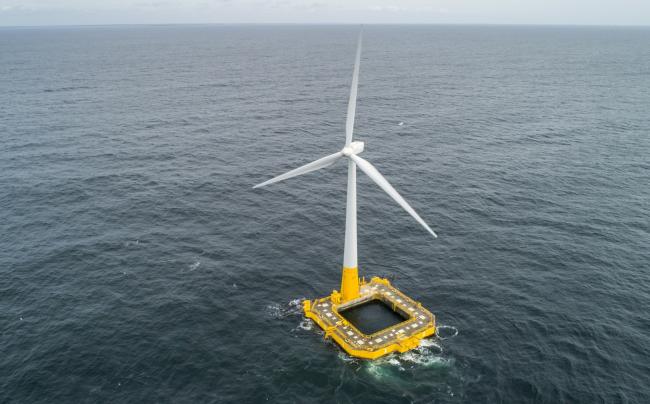
Offshore Wind Power Floating in its Industrial and Technological Dimension
Europe has become a frontrunner in fixed offshore wind. Can this success story be replicated with floating offshore wind, a technology that would lift the sea depth constraint and thus open up wider market opportunities? This research study looks at the main success factors for this emerging industry.
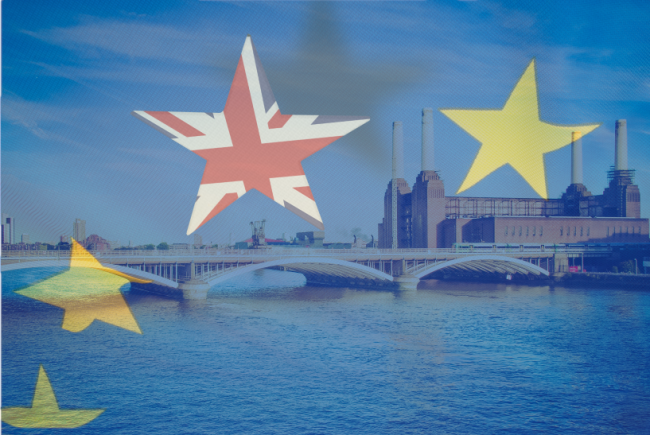
Brexit, Electricity and the No-Deal Scenario: Perspectives from Continental Europe, Ireland and the UK
When it comes to energy and electricity in particular, there can be no winner in the Brexit negotiations. The only reasonable objective should be to minimise losses and avoid trade friction.
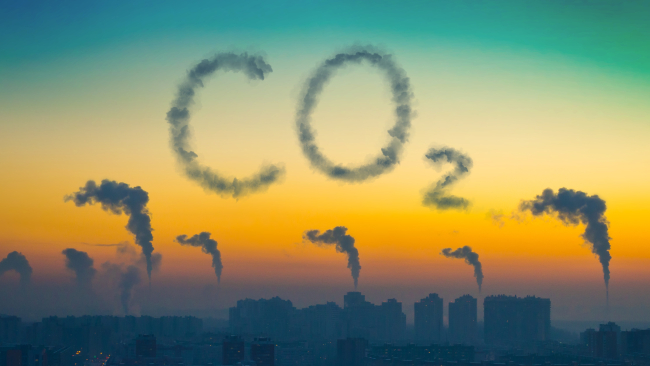
Booming Prices on the European Emission Trading System: From Market Oversupply to Carbon Bubble?
Since its creation in 2005, the European emission trading system (EU ETS) has been through several periods of turmoil. With emission allowances (EUA) averaging around 7 euros per ton from 2012 to 2017, European Member States have been trying to remedy the depressed price signals successively through market design reforms at both European level (backloading, market stability reserve) and national level, with the UK introducing a carbon price floor for its domestic power sector in 2013.
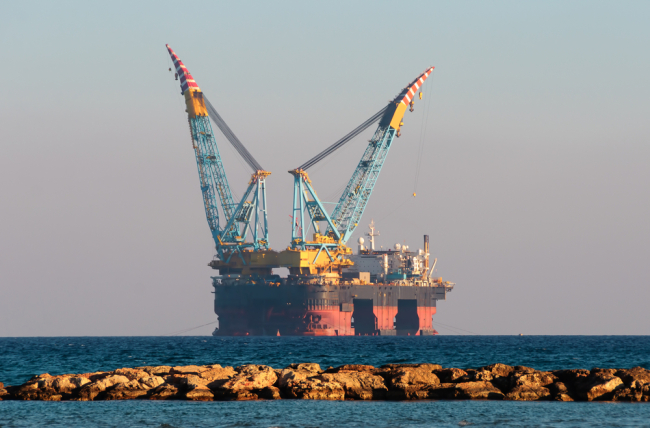
L’Égypte, nouvelle plateforme gazière en Méditerranée orientale
Recent offshore gas discoveries in the Eastern Mediterranean, primarily in Egypt as well as in Israel, but also around Cyprus, are dramatically changing these countries' energy perspectives and economies, and also influence geopolitical balances in the region.
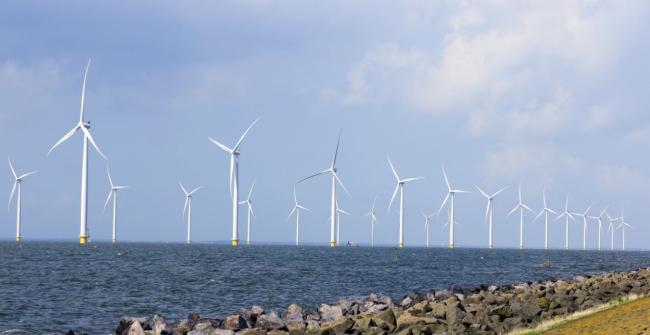
The Expansion of Offshore Wind Power in the North Sea: A Strategic Opportunity for the European Union
The North Sea is the cradle of the global offshore wind industry. The favourable wind patterns in the Southern part and the low depth of water have created an enabling environment for the construction of the first wind turbines in the world. Public policies have progressively encouraged their deployment in the best-endowed countries: Belgium, Denmark, Germany, the Netherlands and the United-Kingdom.
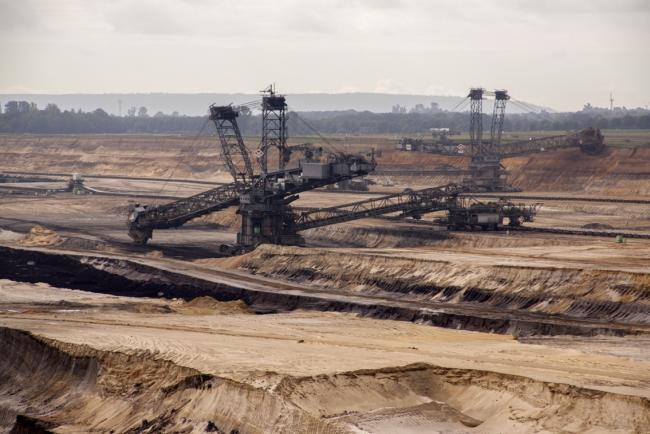
Coal Exit or Coal Expansion? A Review of Coal Market Trends and Policies in 2017
Coal in the power sector is the principal focus of climate-related policies due to its high carbon intensity, making CO2 emissions from coal a leading contributor to climate change.
More renewables in the European Union? Yes, we can
The European Union is about to adopt new renewable energy targets for 2030. While going beyond the initially-planned 27% is absolutely feasible, the EU strategy can only be credible if it is based on a good mix between performance and effort obligations, and also includes possible review clauses.
Energy in the Era of the New Geopolitics
The global energy system is constantly changing: rising consumption in developing countries, the growing role of electricity, vulnerabilities in supply chains, and the environmental implications of energy policy choices. The security of the system and the substantial investments required in the future can only be ensured through international cooperation, as exemplified, among other mechanisms, by the International Energy Agency.
Europe’s Power Grid Challenge: A Make-or-Break for Accelerating Electrification
In April 2023, The Economist published an article pointing to the vast amounts of electricity infrastructure needed to reach energy transition goals.
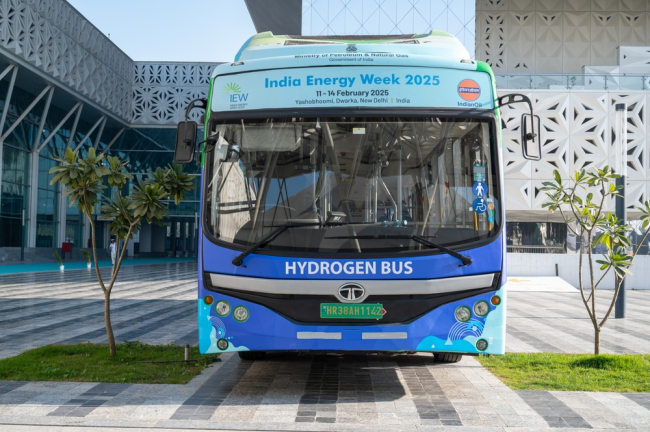
India’s Green Hydrogen Strategy in Action: Policy Actions, Market Insights, and Global Opportunities
India is poised to remain the world’s fastest-growing major economy, and this rapid growth is driving a sharp rise in energy demand. As the most populous country on the planet, India urgently needs to decarbonize its energy systems.
After the Hydrogen Bubble Bursts: The Factors Shaping and Possibly Unfolding International Hydrogen Value Chains
The laws of physics and the geographic realities will prevail over the myths of hydrogen (H2): it will essentially be delivering carbon-neutral feedstocks to the chemical and steelmaking industries, carbon-neutral fuels to shipping and aviation, and eventually ensuring security in fully decarbonized power grids.
Green Recovery for Sub-Saharan Africa: Boosting Sustainable Electrification
If sub-Saharan Africa followed the same model of economic development as the rest of the world, focused on the growth of carbon intensive industries, cities and infrastructures, it would seal the planet's climate future. Africa’s emissions today are among the lowest per capita in the world: 0.8 tons/capita.
Is the TEN-E Regulation Fit for a Decarbonized Future? A Battle to Shape the European Energy Transition
The European Union’s energy infrastructure policy has become obsolete with the adoption of both the Green Deal and the 2050 climate neutrality target. The ongoing review of the regulation on Trans-European Energy Networks (TEN-E) should lead to an-depth discussion on Europe’s energy transition strategy.
South Africa’s Energy Policies: Are Changes Finally Coming?
Energy and electricity policy, planning and regulation in South Africa has been slow and bureaucratic, lacking visionary leadership, and marred by uncertainty. Policy positions and actions taken have tended to be reactive, and driven more by crisis management than by forward-looking leadership.
Booming Prices on the European Emission Trading System: From Market Oversupply to Carbon Bubble?
Since its creation in 2005, the European emission trading system (EU ETS) has been through several periods of turmoil. With emission allowances (EUA) averaging around 7 euros per ton from 2012 to 2017, European Member States have been trying to remedy the depressed price signals successively through market design reforms at both European level (backloading, market stability reserve) and national level, with the UK introducing a carbon price floor for its domestic power sector in 2013.
More renewables in the European Union? Yes, we can
The European Union is about to adopt new renewable energy targets for 2030. While going beyond the initially-planned 27% is absolutely feasible, the EU strategy can only be credible if it is based on a good mix between performance and effort obligations, and also includes possible review clauses.
China’s National Carbon Market: a Game Changer in the Making?
As 2017 drew to close, China officially approved plans for its long-awaited national Emission Trading Scheme (ETS) and the National Development and Reform Commission (NDRC) outlined some of the implementation details[1]. Though it will be limited to the power sector (and combined heat and power, or CHP) at first, it will nevertheless be the world’s largest carbon market. It is expected to cover 1,700 companies representing approximately 30% of China’s total greenhouse gas (GHG) emissions. China’s CO2 emissions from fuel combustion amounted to approximately 8,796 metric tonnes of CO2 equivalent (MtCO2Eq.) in 2016, and seem to remain stable since 2014, though they appear to increase again in 2017[2]. Shanghai should host the national market exchange, which will be jointly owned by the governments of other provinces while Hubei should host the registry[3].
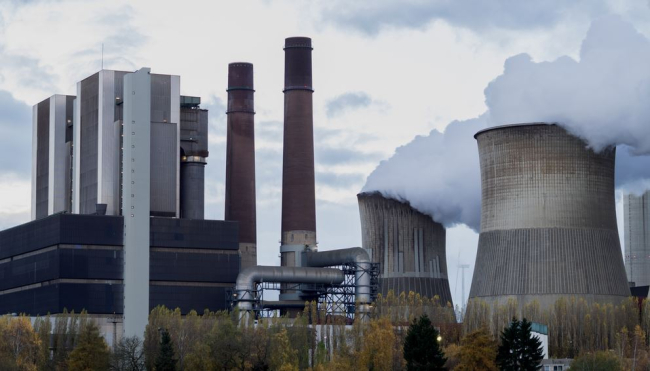
Decarbonizing Germany’s Power Sector: Ending Coal with a Carbon Floor Price?
Germany has a long tradition of climate policy programmes with ambitious greenhouse gas emission reduction targets and comprehensive climate and energy policy packages.
This target-driven policy approach is, however, increasingly facing challenges due to the lack of progress on greenhouse gas emission reductions in key sectors, i.e. the power, the transport and the building sector.
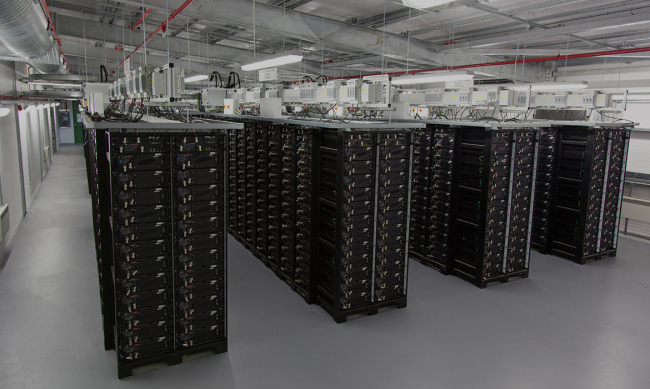
Electricity storage in a redesigned market
Storage technologies have the potential to significantly support the EU’s electricity system, bringing a number of flexibility services. There are numerous electric energy storage (EES) technologies, tackling different magnitudes in terms of quantity of energy, ramp-up time, duration of discharge, costs, and lifetime.
The European Union : When the Commission and Governments put the Future of Electricity Producers at Stake
RWE, EON, EDF, ENGIE and other large utilities are in financial turmoil. This situation, which would have been unlikely twenty years ago, is related to several failures in governance within the EU as well as to global evolutions. This Edito Energie analyses the situation of large European electricity producers in light of the European energy policy.
Demand Response in Europe’s Electricity Sector: Market barriers and outstanding issues
In October 2014, Europe’s drive for sustainability has been further continued with the set objectives for 2030, aiming for 40% emission reduction compared to 1990 levels and at least a 27% share of renewable energy sources. For the longer term, the European Commission (EC) targets a zero CO2 emitting electricity sector in 2050. Those objectives for the electricity sector have a large impact on the expected development of electricity generation, but also on the evolution of demand. To meet those objectives, a larger share of electricity supply will come from intermittent sources like wind turbines and solar panels.
The Saudi Electricity Sector: Pressing Issues and Challenges
With 266 billion barrels of proved oil reserves (16% of world total), Saudi Arabia holds the world's largest (conventional) crude oil reserves, was the largest exporter of total petroleum liquids in 2013, and the second largest petroleum liquids producer behind the United States[1].
The EU Electricity Policy Outlook for the Smart Grid Roll-Out
The energy transition from a socio-economic system based on fossil fuels to a sustainable low-carbon system is a multi-facetted process. This “transformation” of the energy system, more specifically of the power system, creates several challenges.
The European Power System - Decarbonization and Cost Reduction: Lost in Transmissions?
Europe’s energy policy is commonly defined by three axes of equal importance: security of supplies, competitiveness and sustainable development. The European Commission is mandated to develop the policy tools that allow the implementation of this common policy. Early on, challenges arose from the trade-offs to be made not only between these three pillars but also between a common European policy and national approaches. The European Commission has always had to struggle in attempting to keep a balanced line.
German Nuclear: Green Is Good Politics
In polarized politics, the voter must take on faith the wisdom inherent in the principled political position. Who cannot be impressed by the nuclear catastrophe at Fukushima, especially after living through the fallout from Chernobyl? But is it reasonable to send the voter to the booth with only half the information? Does the German voter have any idea what it means to shut down its nuclear power in just ten years? Have German politicians made any effort to tell them?
German Power Options: Lack of Clarity Will Be Costly
The German environment minister Norbert Röttgen (CDU) revived the German debate about the future of nuclear power in February when he argued for a limited lifetime extension of Germany’s nuclear plants.
EDF’s problems pile up as full nationalisation looms
French supplier of nuclear energy is struggling with plant shutdowns, build problems and skills shortages.
Ifri, a foundation recognized as being of public utility, relies largely on private donors – companies and individuals – to guarantee its sustainability and intellectual independence. Through their funding, donors help maintain the Institute's position among the world's leading think tanks. By benefiting from an internationally recognized network and expertise, donors refine their understanding of geopolitical risk and its consequences on global politics and the economy. In 2026, Ifri partners with over 90 French and international companies and organizations.
