




China’s Hydrogen Economy Five Years On
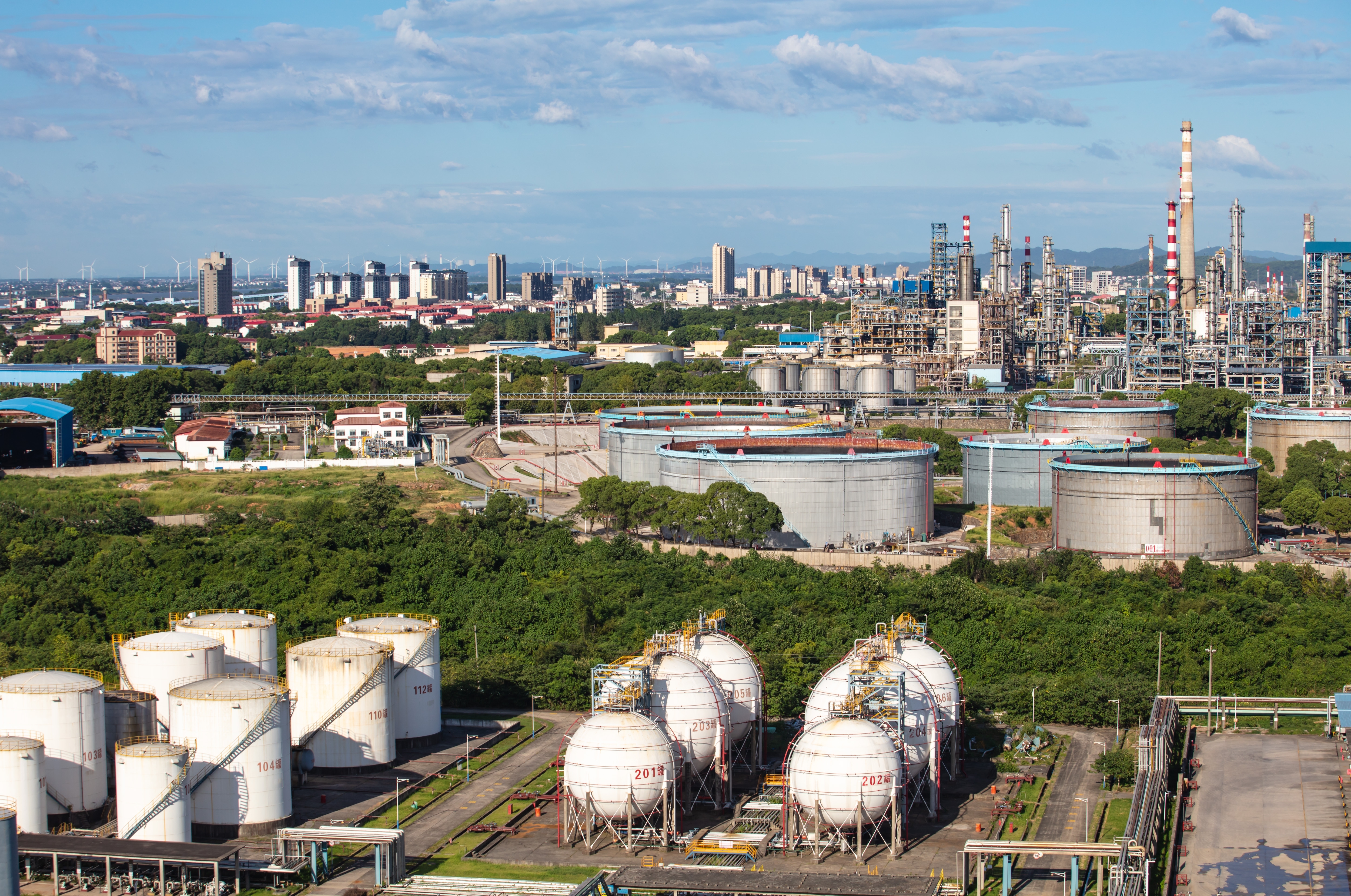
China’s hydrogen sector is not new. It is the world’s largest industrial hydrogen system, rooted in ammonia, methanol, refining, coal chemicals and by-product gas streams.
Five years after Ifri published “Prospects for a Hydrogen Economy with Chinese Characteristics”, China has moved from hydrogen enthusiasm to a more structured, state-guided phase of industrial deployment. The shift is now reinforced by the 15th Five-Year Plan (FYP) cycle. The 2026 China Hydrogen Development Report provides a clearer 2025 baseline: total hydrogen production capacity exceeded 51 million tons (Mt)/year, and output exceeded 39 Mt, while commissioned renewable-hydrogen capacity exceeded 250,000 tons (t)/year and accounted for more than half of global renewable-hydrogen capacity. The market remains overwhelmingly fossil-based: coal-derived hydrogen output was about 23 Mt, natural-gas hydrogen about 7.9 Mt and industrial by-product hydrogen about 7.7 Mt.
The 15th FYP changes the policy framework. Renewable-energy hydrogen production scale is to reach 2 Mt by 2030, roughly eight times the 2025 commissioned renewable-hydrogen capacity. This is an indicative policy benchmark rather than a binding obligation, and its success will depend on demand-side policy, credible offtake, project economics and carbon-accounting rules.
The key question is now as much economic as technological: who will pay for the green molecules? China’s existing industrial hydrogen demand can physically absorb 2 Mt of renewable hydrogen, but that does not make the target automatically bankable. Bankability will depend on credible offtake, subsidies or performance-based rewards, green-product premiums, robust carbon accounting, and whether state-owned and private-sector buyers are willing, or required, to replace cheaper captive fossil hydrogen with higher-cost clean hydrogen.
This target is ambitious but should be read with care. It is a scale target, not proof of actual production, high utilization or fossil-hydrogen displacement. This paper argues that China’s hydrogen strategy is best understood as a green hydrogen-ammonia-methanol and industrial-substitution strategy: green molecules are intended to convert low-cost renewable electricity into chemical feedstocks, shipping fuels and industrial inputs, while Chinese equipment suppliers seek to translate scale into global competitiveness. The main risks are not technological impossibility, but grey-hydrogen lock-in, capacity without utilization, weak carbon accounting, storage and transport bottlenecks, water and ecological constraints, and geopolitical fragmentation of hydrogen standards and clean-technology supply chains.
China’s strongest position is in alkaline electrolyzers, engineering execution, renewable-energy equipment and scale manufacturing. Its weaker links remain high-end Proton Exchange Membrane (PEM)/Solid Oxide Electrolysis Cell (SOEC) materials, long-distance logistics, liquid hydrogen, fuel-cell components, carbon accounting and international certification.
For international observers, the question is no longer whether China can build hydrogen projects. It can. The test is whether the 15th FYP can convert scale into verified production, bankable demand, credible carbon intensity and real displacement of fossil hydrogen.

Available in:
Themes and regions
ISBN / ISSN
Share
This page contains only a summary of our work. If you would like to have access to all the information from our research on the subject, you can download the full version in PDF format.
China’s Hydrogen Economy Five Years On


Kevin TU
Associate Research Fellow, Energy and Climate Center, Ifri

Center for Energy & Climate
Ifri's Energy and Climate Center carries out activities and research on the geopolitical and geoeconomic issues of energy transitions such as energy security, competitiveness, control of value chains, and acceptability. Specialized in the study of European energy/climate policies as well as energy markets in Europe and around the world, its work also focuses on the energy and climate strategies of major powers such as the United States, China or India. It offers recognized expertise, enriched by international collaborations and events, particularly in Paris and Brussels.
27 Plans for 2027: Turning the Electrification Action Plan into National Action
With the aim of structurally reducing the European economy’s dependence on fossil fuel imports and accelerating the energy transition, the European Commission has opted for electrification.

How to Make European e-SAF Production under RefuelEU Aviation Fly?
Three and a half years before the scheduled entry into force of the European regulation ReFuelEU Aviation (RFEUA), which requires aviation fuel suppliers at Union airports to offer a sustainable synthetic alternative (e-SAF), no sizeable commercial production unit (greater than 10,000 tons per year) is active within Europe yet, nor has it even passed the Final Investment Decision (FID). Is a major step in the European Union (EU) plans for decarbonizing air transport at risk of not happening, or at least being postponed for several years? Is Europe losing its bet to create a market for e-SAF? Under what conditions can this bet still be won? Could sovereignty and energy security preoccupations unlock necessary public support and help to overcome economic, financial, logistical or administrative obstacles?
The European Biomethane Sector at a Critical Juncture: Stronger Policy Alignment Will Matter
The European biomethane sector is at a critical juncture.
Europe’s Power Grid Challenge: A Make-or-Break for Accelerating Electrification
In April 2023, The Economist published an article pointing to the vast amounts of electricity infrastructure needed to reach energy transition goals.