



Paris–Berlin in 2026: What Role for the Franco-German Partnership in a World in Crisis?
Practical information
Accessibility
Themes and regions
Related centers and programs
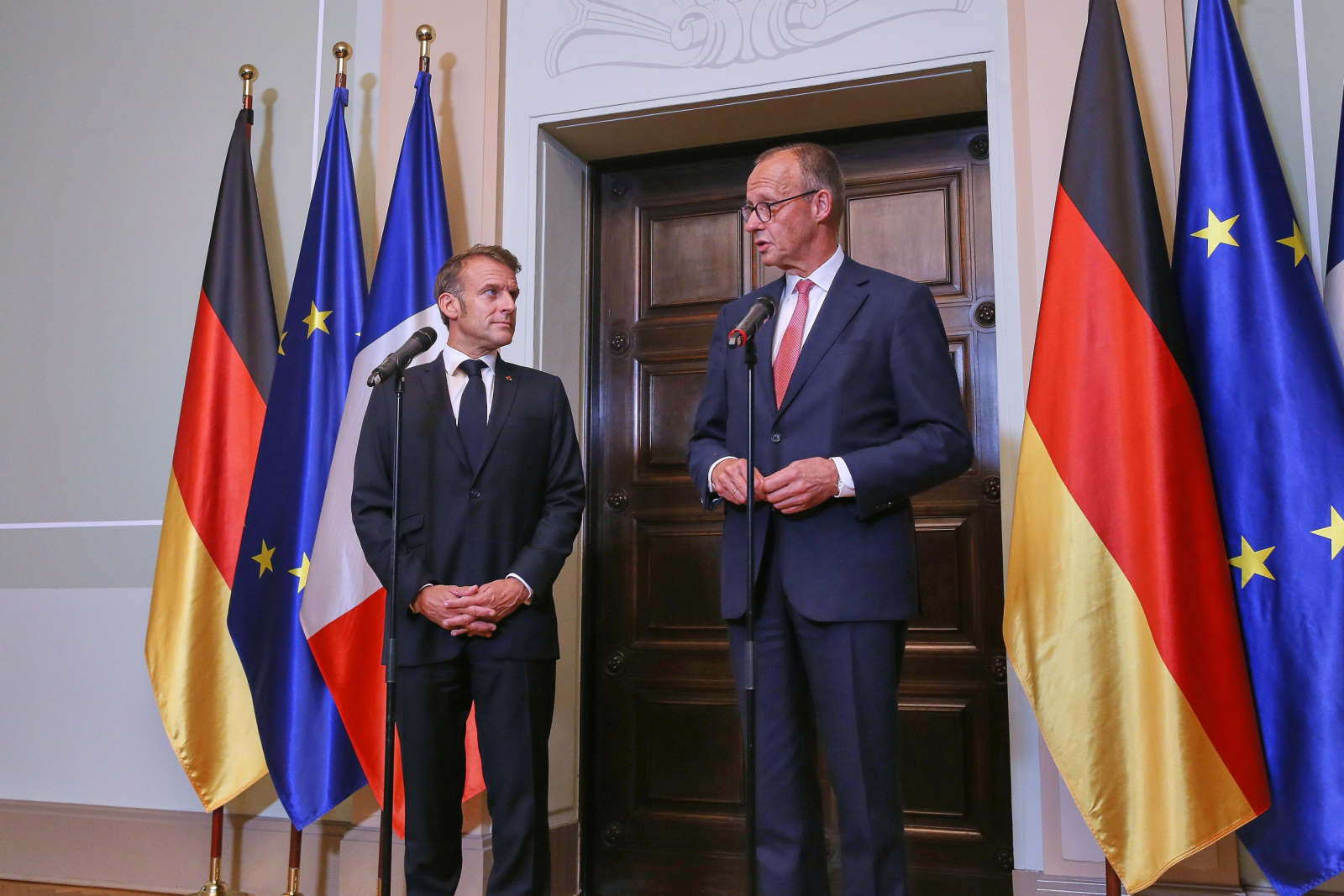
The Franco-German Day on January 22nd provides an opportunity to reflect on the capabilities and limitations of the Franco-German engine: is it still able to drive Europe forward, or does it need to recalibrate and rethink its ambitions profoundly?
Five months after the Franco-German Ministerial Council of August 29th, 2025, which aimed to reaffirm a common agenda, the political, economic and strategic dynamics that were set in motion are struggling to translate into the bilateral and European agenda.
Beyond symbols and joint declarations, and in a European and international context marked by profound upheavals, despite the numerous points of convergence, there are also areas of friction which now structure Franco-German dialog: industrial and energy cooperation, European defense and transatlantic relations, trade agreements, the European Union’s governance, but also mutual perceptions of public opinion.
Speakers
Sabine Thillaye, Member of the French Parliament, Chair of the France-Germany Friendship Group in the French National Assembly
Sylvie Goulard, former minister and Member of the European Parliament, President of the Franco-German Institute in Ludwigsburg
Michaela Wiegel, Correspondent in France for the Frankfurter Allgemeine Zeitung
Moderation: Dr. Paul Maurice, Secretary General of the Study Committee on Franco-German Relations (Cerfa), Ifri
This event is open to the public and will be held in French on the Zoom platform as part of Franco-German Day.
Contact
Catherine NAIKER
Assistant to the Study Committee on Franco-German Relations (Cerfa), Ifri
Speakers

Our team
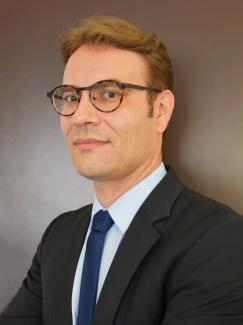
Paul MAURICE
Secretary General of the Study Committee on Franco-German Relations (Cerfa), Ifri
External contributor(s)

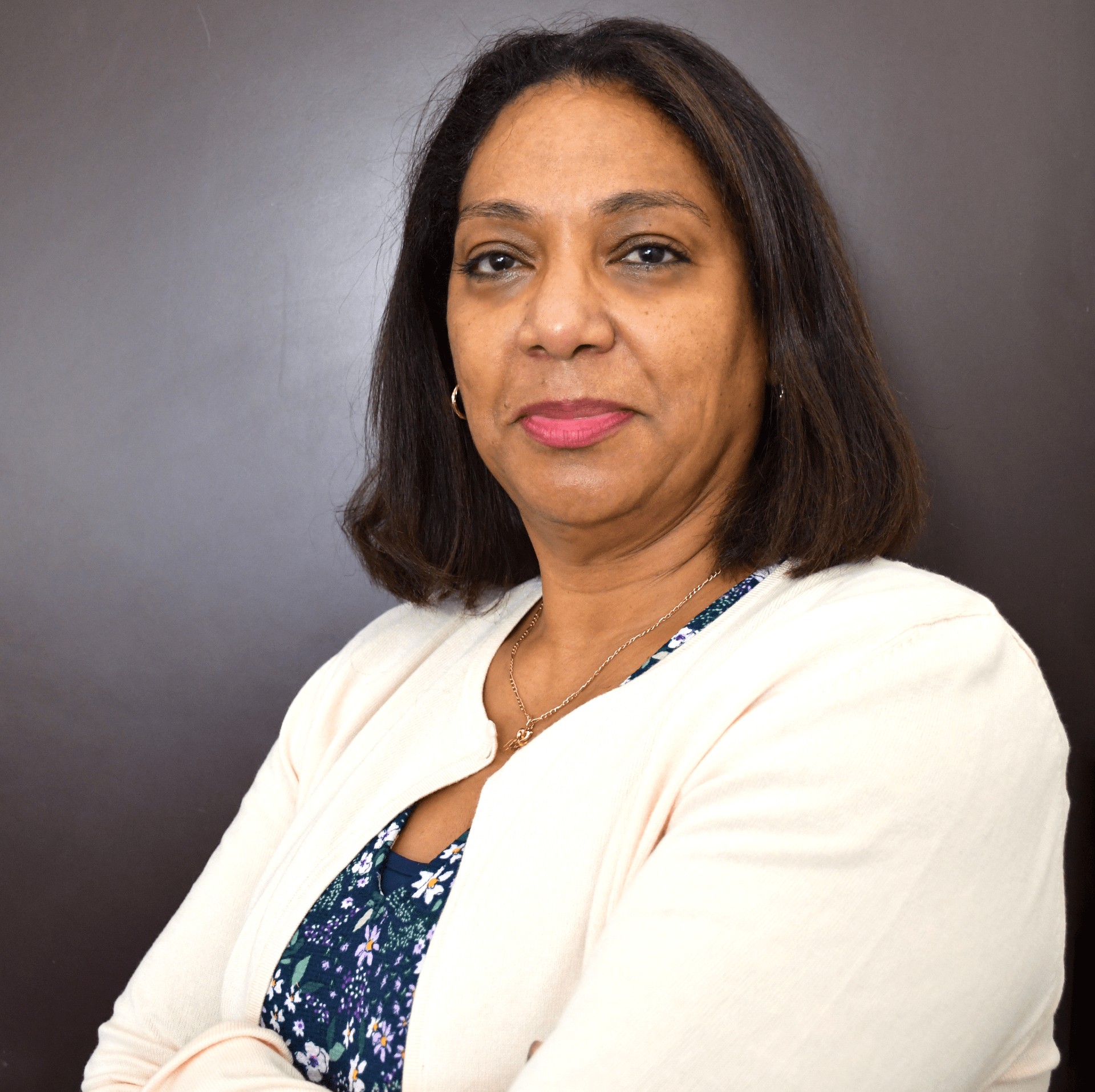
Sabine THILLAYE, MP, Vice-Chairwoman of the National Assembly's Committee on National Defense and Armed Forces
Sylvie GOULARD, Former Minister and Member of the European Parliament, President of the Franco-German Institute in Ludwigsburg
Michaela WIEGEL, French Correspondent of Frankfurter Allgemeine Zeitung
Find out more
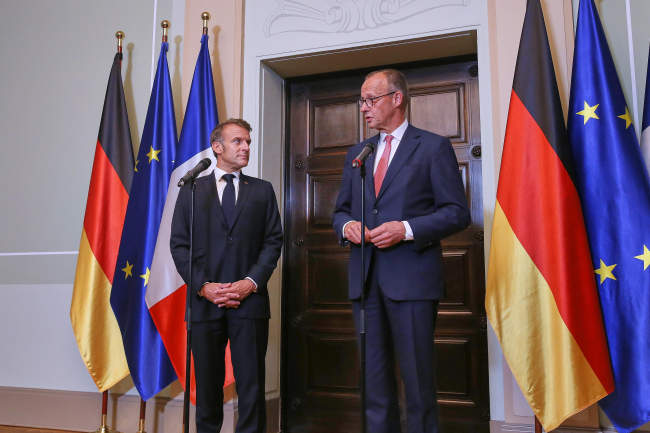
A Franco-German “Reset”? The Ambitions of the Franco-German Council of Ministers. Challenges of Joint Leadership in Europe
As a Catholic from the Rhineland, Friedrich Merz is heir to the CDU’s Franco-German policy, from Konrad Adenauer to Helmut Kohl and Wolfgang Schäuble. While Franco-German rhetoric and reflexes are deeply ingrained in him, their results must nevertheless be put into perspective.
Related Subjects
Other events
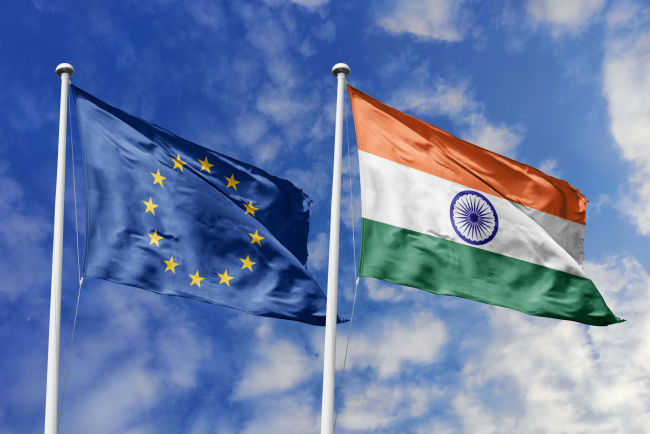
The EU–India Defense Partnership in an Evolving Security Environment
On 27 January 2026, the European Union and India signed a Security and Defence Partnership on the sidelines of the EU-India Summit. This agreement marks an important step in the evolution of the strategic partnership between the two sides, placing security and defence at the heart of a relationship that has until now been driven primarily by trade and economic cooperation.
One Month Ahead of the Midterms: Where Is Trump’s America Headed?
The 24th edition of the Ifri Americas Programme Annual Conference will examine the dynamics at play in the United States and their implications for Europe and the transatlantic relationship. will examine the dynamics at play in the United States and their implications for Europe and the transatlantic relationship.