






North Africa and Middle East
Analysis of changing dynamics in the North Africa/Middle East region, against a backdrop of increasing conflicts and their political, economic and energy consequences.
Related Subjects
Building European Strategic Autonomy vs. Turkish Strategic Depth: Macron's Diplomatic Gamble.
This week, Ifri, in partnership with CATS Network, is launching a series of five videos on the tensions in the Eastern Mediterranean, seen through the prism of the geopolitical rivalry between France and Turkey.
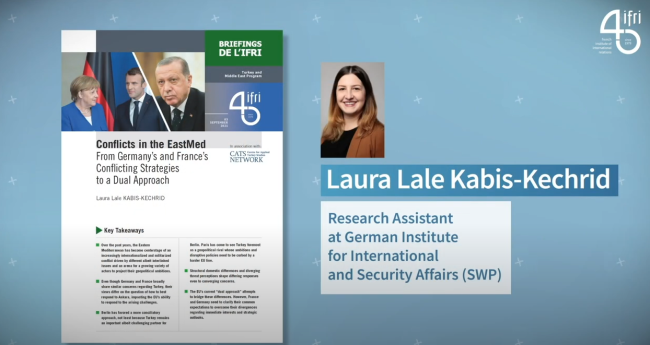
Conflicts in the EastMed: from Germany's and France's Conflicting Strategies to a Dual Approach.
This week, Ifri, in partnership with CATS Network, is launching a series of five videos on the tensions in the Eastern Mediterranean, seen through the prism of the geopolitical rivalry between France and Turkey.
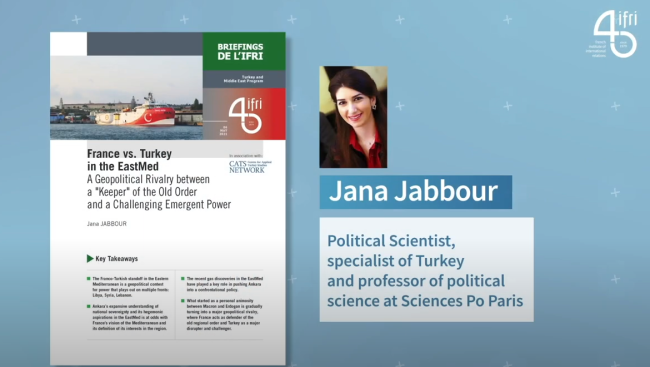
France/Turkey in the EastMed: a Closer Look at the Rivalry between the Two Countries.
This week, Ifri, in partnership with CATS Network, is launching a series of five videos on the tensions in the Eastern Mediterranean, seen through the prism of the geopolitical rivalry between France and Turkey.
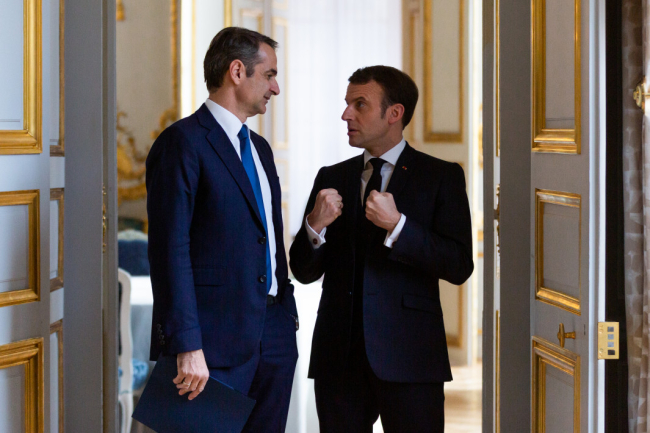
The French-Greek Partnership: Beyond the Eastern Mediterranean
The bilateral defense agreement signed by France and Greece in September 2021 confirms the strategic turn of the relationship between the two countries. It was already unveiled in 2020 when Paris supported Athens to counter Turkish maritime operations that France and Greece considered very hostile.
The Direction of France’s Foreign Policy over the Next Thirty Years
A foreign policy points to a united society that manages its relationships with its surroundings while defending its own interests.
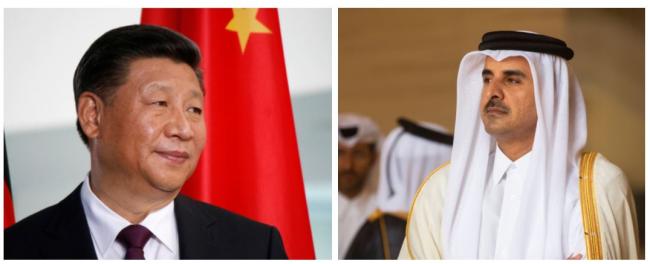
Qatar and the US-China Rivalry: The Dilemmas of a Gulf Monarchy
Like its neighbors in the Arabian Peninsula, Qatar finds itself increasingly confronted with a difficult dilemma: while its economy is looking to the East, more specifically towards China, the security and stability of the country still depend on the United States.
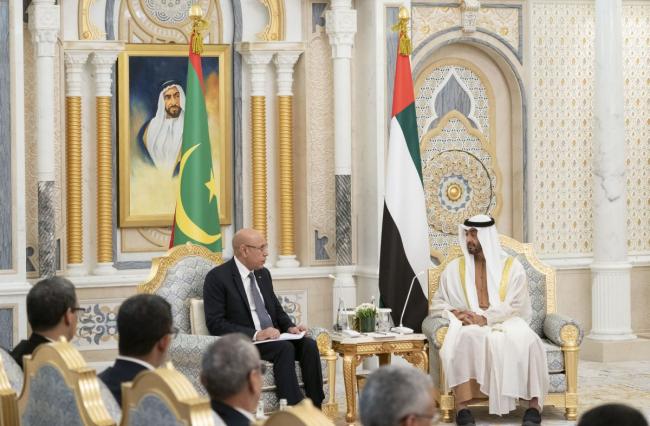
The United Arab Emirates in Africa: The Partly Thwarted Ambitions of a New Regional Player
The United Arab Emirates (UAE) has long-standing ties with African countries, but the implementation of a genuine Africa policy dates back only about 15 years.

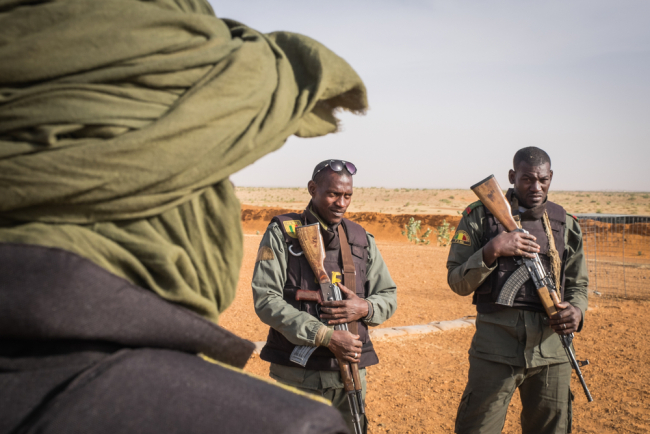
Army colonel sworn in as Mali president as tensions with Paris grow
Assimi Goïta vows to uphold republican regime and democracy in Mali.
Lebanon: Out With The Old, In With The What?
Dorothée Schmid, head of the Middle East program participated in a webinar organized by Italian think tank ISPI and the Malcolm H. Kerr Carnegie Middle East Center to talk about the current Lebanese government, French and American foreign policy in the country.
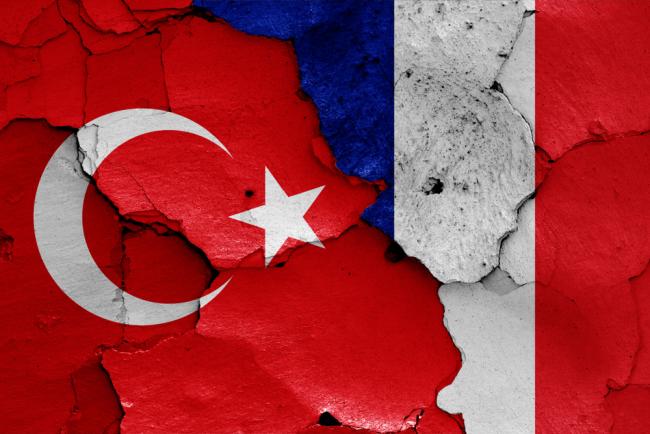
Is Escalation Between France and Turkey in the Middle East and Beyond Inescapable?
In recent years, France and Turkey have been on opposing sides relating to Middle East concerns.
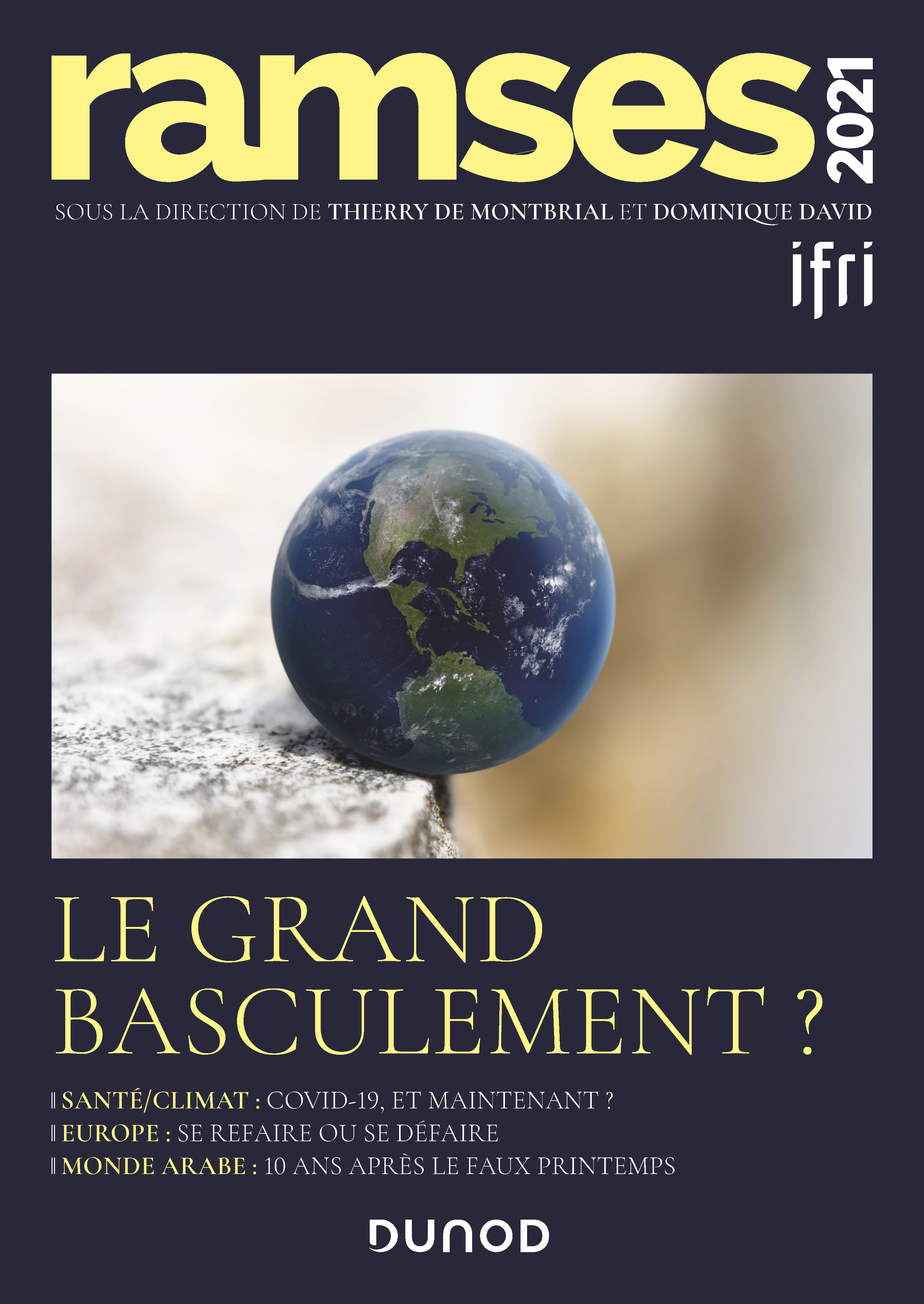
RAMSES 2021. At the Edge?
RAMSES 2021. At the Edge?, written by Ifri's research team and external experts, offers an in-depth and up-to-date analysis of geopolitics in today’s world.
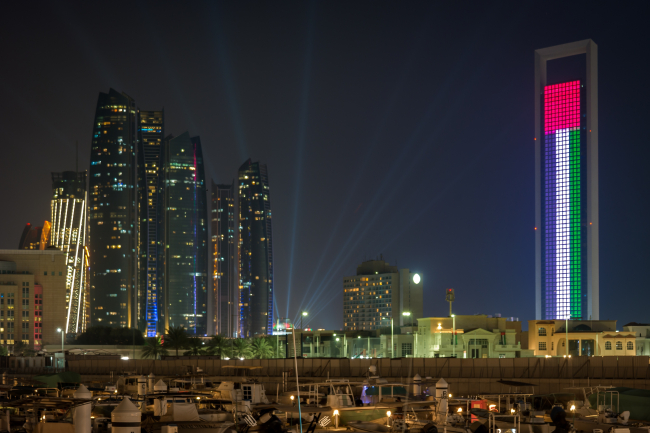
The Middle East: The Economy in The Race for Power
Middle Eastern geopolitics is currently undergoing structural changes: the regional order is in transition in the aftermath of the Arab Spring that undermined authoritarian governance, and triggered the competition for power against a backdrop of American withdrawal.
The Gulf: New Center of the Middle East?
Amid the shift in major powers, the Persian Gulf is asserting its position at the heart of the Middle East.
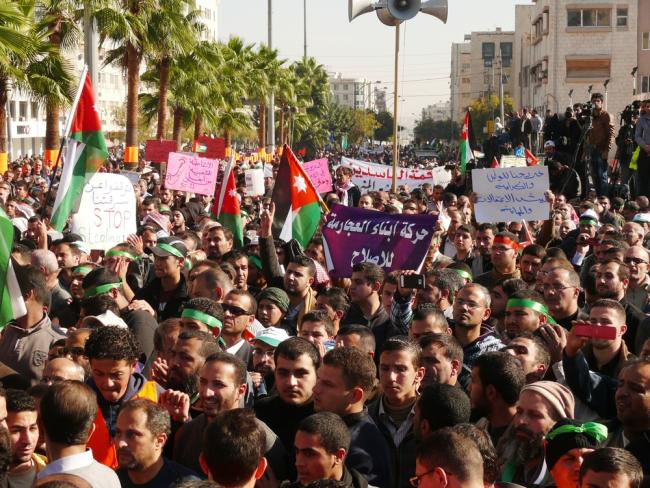
The Aborted Mobilisation of Jordan's Retired Servicemen
In the last decade, Jordan has been facing a resurgence in public discontent against harsh living conditions and the corruption of the regime.
The Future of Europe from the US and Asian Point of View
In this special issue of Politique étrangère devoted to the proceedings of the conference organized by Ifri on April 10, 2019, in the Grand Amphitheater of the Sorbonne, on the occasion of its fortieth anniversary, discover the debate moderated by Sylvie Kauffmann between John Allen and Kishore Mahbubani.

The Future of Europe in the Context of Sino-American Competition
This special issue of Politique étrangère focuses on the proceedings of the Conference organized by the French Institute of International Relations (Ifri) for its 40th anniversary, held on April 10th, 2019, in Sorbonne University's Grand Amphithéâtre.
What Can Europe Hope to Achieve in Tomorrow's World?
In this special issue of Politique étrangère devoted to the proceedings of the conference organized by Ifri on April 10, 2019, in the Grand Amphitheater of the Sorbonne, on the occasion of its fortieth anniversary, discover the debate moderated by Christine Ockrent between Franziska Brantner, Jean-Louis Boulanges, Bernardino Leon, and Igor Yurgens.
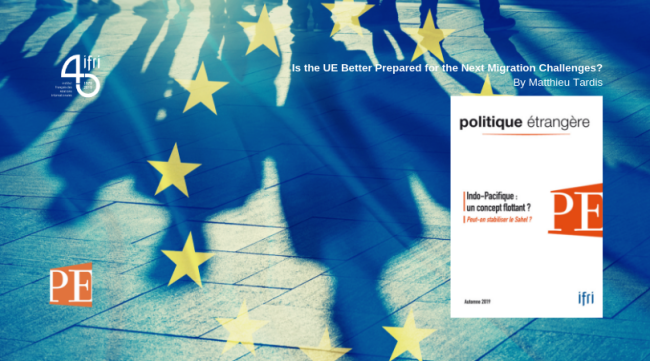
Is the EU Better Prepared for the Next Migration Challenges?
The European Union did respond to the massive influx of migrants in 2015, but with short-term measures, which have widened the divisions between member states.
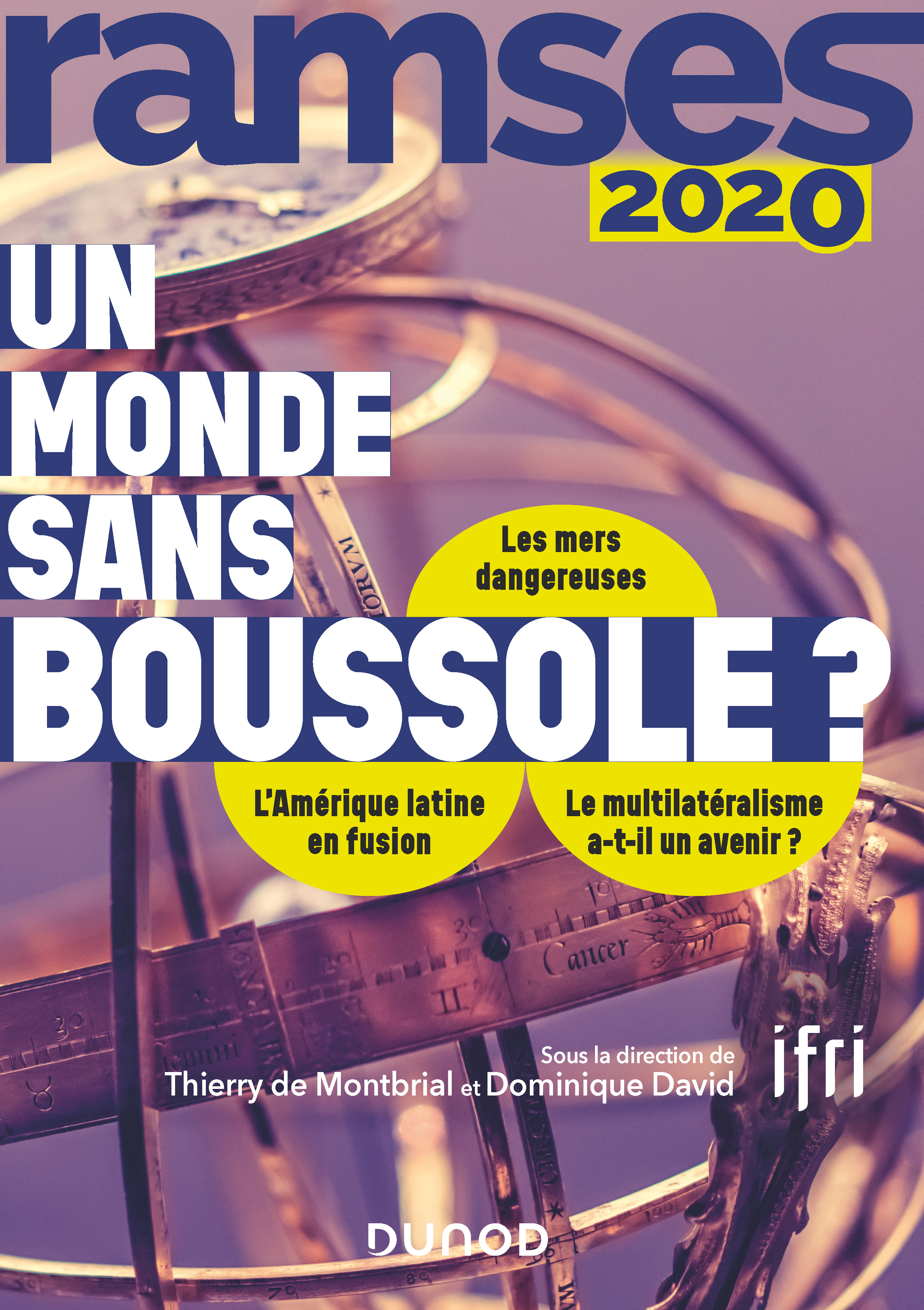
RAMSES 2020. A World without a Compass?
RAMSES 2020. A World without a Compass?, written by Ifri's research team and external experts, offers an in-depth and up-to-date analysis of geopolitics in today’s world.
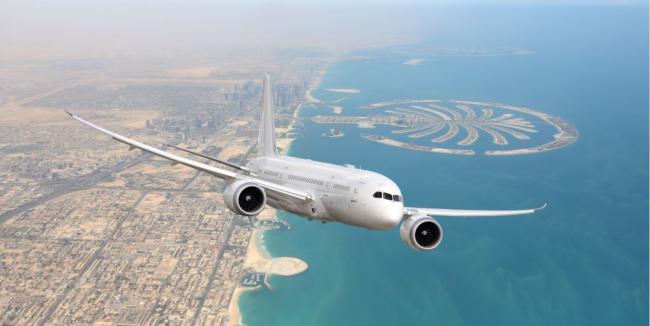
Emirates Airline, Etihad Airways and Qatar Airways: Global Airline Companies Promoting the International Position and Reputation of Dubai, Abu Dhabi and Qatar
Airports in the Gulf emirates are major transit hubs in global airline networks today. Apart from their “advantageous” geographical location, their development results primarily from the ambitions of political actors seeking to maintain their power. This has led especially to the creation of the “Gulf companies”, namely Emirates Airline (Dubai), Etihad Airways (Abu Dhabi) and Qatar Airways (Doha). However, the three emirates are not following identical strategies. Within the unstable context of the Middle East, it is important to look at the development dynamics of these companies which symbolize the global reach of small but powerful political entities on the international stage.

Offshore Gas in East Mediterranean: From Myth to Reality
The wave of deep offshore and unconventional gas and oil exploration projects, rendered economically feasible by relatively high prices and new technologies, has reached the shores of the Mediterranean. Levantine countries, including Cyprus, Israel, Palestinian Territories, Lebanon, Syria, have new offshore gas potentials.
Command and Control in a Nuclear-Armed Iran
In the long standoff regarding its nuclear ambition, Iran has cultivated ambiguity and been loath to reliably assure the international community of its ultimate intentions, complicating Western efforts to understand, let alone constrain, Tehran’s endeavors.
Beyond the "Arab Spring": Russia's Security Interests in the Middle East
The reconfiguration of the regional system of international relations as a result of the Arab revolutions has engendered fresh challenges for Russia, related, amongst other things, to deteriorating relations with the USA and other Western powers.
Temporary Workers or Permanent Migrants? The Kafala System and Contestations over Residency in the Arab Gulf States
The Arab Gulf is the third largest receiving region for global migrants (after North America and the European Union). The six states of the Gulf Corporation Council (GCC) are the richest Arab economies, boast some of the highest GDP per capita rankings in the world, and they all depend upon guest workers in virtually every economic sector. Guest workers have played an integral role in the Gulf since the 1970s, supplying the skills and manpower needed to implement ambitious development plans.
Germany and the Arab Spring
Much of the analyses of German reactions to the Arab Spring uprisings have focused on Germany’s contentious decision relating to Libya. By siding with the critics of military intervention in abstaining from UNSC 1973, Germany vexed its allies and arguably displayed an astonishing lack of geostrategic foresight and moral rectitude.
The GCC States of the Persian Gulf and Asia Energy Relation
Since the 2000s, China and India's needs for hydrocarbons, coming on top of those of older industrialized Asian countries (Japan and South Korea), have considerably strengthened customer-supplier links between Asia in general and the Persian Gulf, in the energy field.
Powering Kuwait into the 21st Century: Adopting a Sustainable Strategy
Over the last ten years, Kuwait's power consumption has doubled. This rising need for electricity has been mainly driven by the fast population growth rate, the increasing need for desalinated water, accounting for 93% of water consumption, and the economic development of the country.
Al-Qaeda in a Changing Region
On Tuesday 10 April 2012, Osama bin Laden was finally replaced on the FBI’s most wanted list by a fugitive schoolteacher accused of possessing child pornography. As the United States’ perception of threat has shifted, so too has the broader national security discourse. The prominent al-Qaeda analyst Peter Bergen observed that the terrorist group which launched the 9/11 attacks is now more or less out of business. He argued, too, that it is time to declare al-Qaeda defeated and “move on to focus on the essential challenges now facing America”: fixing the country’s economy, containing a rising China, managing the rogue regime in North Korea, and continuing to delay Iran’s acquisition of nuclear weapons.
To Attack or Not to Attack: Israel Confronts a Dramatic Decision
In the heat of the public discussion on the possibility of an Israeli attack on Iran’s nuclear facilities, Prime Minister Benjamin Netanyahu stressed that he has not yet decided whether to attack Iran. At the same time, partly in response to opponents of such an attack, he made it clear that the risk of harm to the home front at this point, when Iran still does not have nuclear weapons, is dwarfed by the risks involved in an attack on Israel after Iran has gone nuclear.
The Gulf Countries' Energy Strategies: What's on the Menu for the Power Sector?
The futuristic green city of Masdar in the United Arab Emirates or the latest announcements of Saudi Arabia which might now well become the new Eldorado for solar energy companies have a clear marketing varnish. But if they are showcases of green ambitions, they nonetheless reflect the situation the Gulf States face today driven by the development of heavy industry and petrochemicals but first and foremost by the rapid population growth (around 2% for Saudi Arabia and 3% for Kuwait; Qatar and the Emirates have higher population growth rate due to immigrants).
Religion and Politics in Egypt Today: Ideological Trends and Future Prospects
The dynamics of Muslim-Copt relations and how they are managed by the Church and the State are part and parcel of Egypt’s transition post-Mubarak because they underlie the discussions concerning Egypt’s future as a civil State. The treatment of Copts and other religious communities under a new government will be a key indicator of the maturity of Egypt’s democratic transition.
Algeria and the Crisis in Mali
The multifaceted crisis in Mali, which has effectively led to state collapse and split the country in two, has drawn international attention to Algeria’s role in the stability of the Sahel. One might expect Algeria, as the region’s preeminent military power, and one that has sought to position itself as a leader in counter-terrorism, to lead the international response to the growing chaos along its volatile southern border.
Algeria: Cosmetic Change or Actual Reform?
Algeria has emerged as something of an “exception” across the Middle East and North Africa (MENA) region, and while the recent elections have been marred by widespread allegations of fraud, the results have effectively consolidated the regime’s grip on power thus ensuring its complete monopoly over the country’s reform process.
The Arab Revolts and Southeast Asia: What Impact and What Influence?
Southeast Asia experienced its own political upheavals well before the Arab revolts. Nevertheless, the wave of popular uprisings that shook the Middle-East and North Africa region goes far beyond the region’s boundaries, and Southeast Asia is no exception to the global crisis of confidence towards governments.
The Obama Administration and Syria: From "off the table" to on
A quick look at the news dealing with the Syrian uprising the last year shows a slow progression from protests and civil resistance towards violence. The Obama Administration’s policy dealing with what many have called “slow motion revolution” has evolved in fits and starts, with mixed episodes of confusion, assertiveness, denial and drift.
South Africa and the Arab Spring: opportunities to match diplomacy goals and strategies
This paper highlights how the Arab Spring magnified a two-dimensional gap in South Africa’s foreign policy. First that South Africa does not have a vision which reconciles demands for achieving the goals of protecting human rights, sovereignty, and multilateralism; second, that its strategies do not meet set goals. The paper then provides tentative explanations to this gap. It ends by elaborating what in the “African Awakening” and in the midst of the Arab Spring are opportunities for South Africa to overcome this gap.
Jewish Activism in the United States: Is J Street a Passing Phenomenon?
Created in the Fall of 2008, the J Street movement seeks to represent those in the U.S. Jewish community who would like Washington to be more active in supporting a lasting peace in the Middle-East.
Libya: Old or New Picture? Risks of political uncertainty for the gas and oil business
Libya has an opportunity to get back on track. The end of embargoes and sanctions after the conclusion of the “February Revolution” is favoring a fast production growth.
U.S.-Moroccan Relations: How Special?
U.S.-Moroccan ties have sometimes been described as a "special relationship." This paper explores the bilateral relationship to investigate how special it really is.
U.S. Foreign Policy and the Israeli-Palestinian Conflict: A View from Palestine
How will the US respond to the changing Palestinian and Arab paradigm?
Ifri, a foundation recognized as being of public utility, relies largely on private donors – companies and individuals – to guarantee its sustainability and intellectual independence. Through their funding, donors help maintain the Institute's position among the world's leading think tanks. By benefiting from an internationally recognized network and expertise, donors refine their understanding of geopolitical risk and its consequences on global politics and the economy. In 2026, Ifri partners with over 90 French and international companies and organizations.

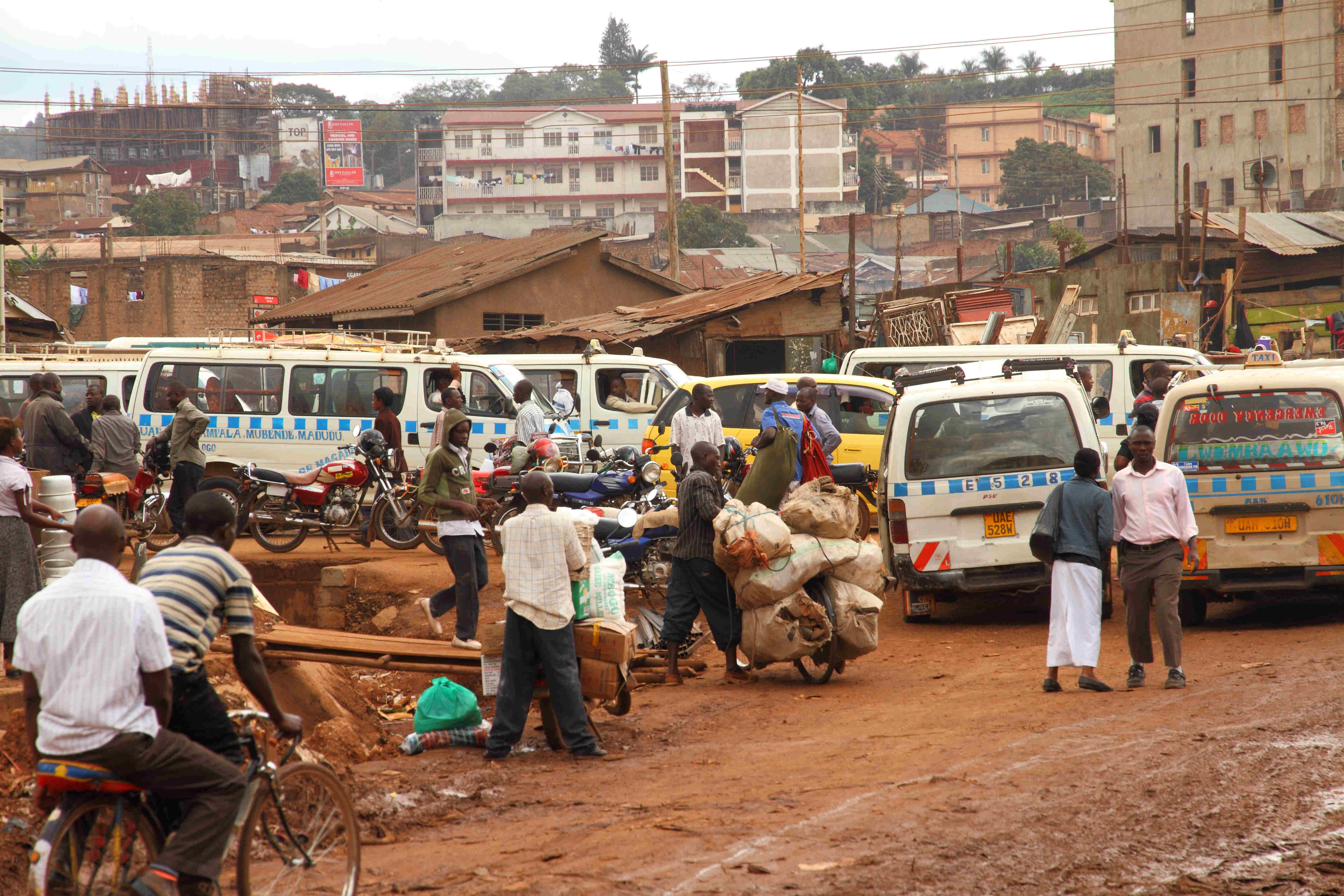
Sub-Saharan Africa's cities are experiencing the fastest growth rates in the world. By 2050, most of the countries in the region will have made an urban transition, meaning that more than 50% of their population will live in urban areas. Urban growth is often presented as a cornerstone of the continent's socio-economic development.
To assess these challenges Ifri’s Sub-Saharan Africa Center is launching, in May 2022, a research program looking into the major socio-economic and geopolitical challenges of urban dynamics on the continent.
The program deals with urban development in Africa through a sectoral and cross-cutting approach based on three key sectors:
- Land issues are the foundation of urban life. Each urban project triggers changes within the relationship between land and its inhabitants.
- Urban infrastructure is often presented as a solution to the challenges of demographic growth in cities. However, the lack of infrastructure and its financing remains a concern for specialists.
- The mobility of goods, people and financial flows is characteristic of urban life and drives the multiple links between cities and the countryside. Analyzing the urban-rural continuum is at the heart of this program's objectives.
Research will be conducted at the macro (continental), meso (country), and micro (city/neighborhood) levels and will be promoted through events and publications.
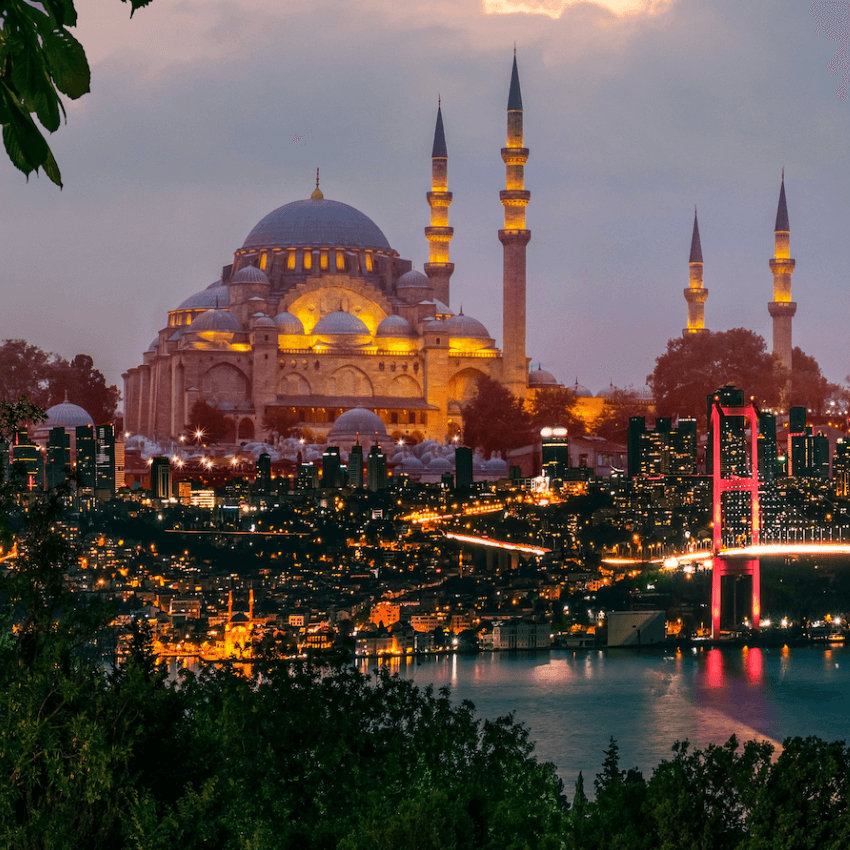
Ifri's Turkey/Middle East Program aims to provide expertise on the trends and developments in politics, societies and economies across the region.
The programme has the following objectives:
- Proposing a new approach towards the MENA region through an analysis of local, regional, and international dynamics with the potential to guide and influence new policies.
- Highlighting the role of foreign powers which have traditionally been present in the region and analyzing the new role taken on by emerging countries ;
- Anticipating new directions and outlooks in each country.
- Interpreting risks and potentials and putting forward new templates for analysis.
The programme has built a dense network of researchers and experts who provide expertise on the MENA region and working together on a range of crosscutting themes.