




Russia and Central and Eastern Europe: between Confrontation and Collusion
Since the start of the Ukraine crisis in early 2014, the states of East Central Europe have become increasingly important targets of Russian economic, political and military pressure. Russia finds itself in the trajectory of geopolitical retreat on the Western “front”, and seeks to slow down this process by mobilizing every economic, political and military asset in East Central Europe, where various weak points in the European and Atlantic unity exist—and are typically overestimated by Moscow.
The Far Right in the Conflict between Russia and Ukraine
From the very beginning, the armed conflict that broke out in the Donbass in the spring of 2014 drew in right-wing radicals, on the Ukrainian as well as on the Russian side. Organised ultra-nationalist groups and individual activists established their own units of volunteers or joined existing ones.
Hillary Clinton's Email "Scandal": How Will It Affect the Election?
With the Democratic Presidential Nomination in sight, Hillary Clinton must still contend with a continuous conversation about her email practices. How will this scandal, or non-scandal, affect the presidential race yet to come? A look at the perspectives of the American constituency and pending investigations may predict Clinton's likely future... and the future of the American presidency.
Russia’s Asia Strategy: Bolstering the Eagle’s Eastern Wing
Among Russia’s strategic priorities, Asia traditionally played a secondary role compared to the West. In the mid-1990s, then Foreign Minister Yevgeny Primakov initiated a rapprochement with China and India. Then, in 2014, deteriorating relations between Russia and the West prompted Moscow to begin its “great pivot to the East”.
Russia's Asia Strategy: Bolstering the Eagle's Eastern Wing
Among Russia’s strategic priorities, Asia traditionally played a secondary role compared to the West. In the mid-1990s, then Foreign Minister Yevgeny Primakov initiated a rapprochement with China and India. Then, in 2014, deteriorating relations between Russia and the West prompted Moscow to begin its “great pivot to the East”.
Russia's Diplomacy in the Middle East: Back to Geopolitics
Moscow's approach to the Middle East has undergone real changes from Soviet times to the present day: it evolved from creating zones of influence against the background of confrontation with the West to seeing the region through the prism of mainly economic interests, and, finally, to Moscow’s current pragmatic view.
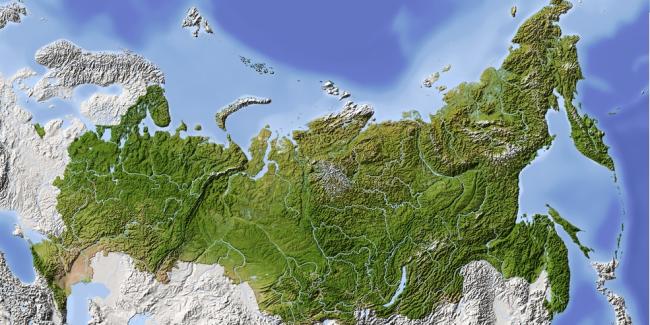
Eurasia in Russian Foreign Policy: Interests, Opportunities and Constraints
The Eurasian axis of Russian foreign policy has been given several impetuses over the last two years. The most important of these has been the sharp deterioration in relations with the West against the backdrop of the Ukraine crisis.

War’s Indirection or the Return of the Limited War
Over the last few years both the United States and Russia seem to have changed their conception of how to deploy force.
From Russia’s Grand Strategy to Limited War
To implement the “grand strategy”, Moscow’s strongest card is the energy weapon. However, the fall in oil prices and the conflict in Ukraine have brought things sharply into perspective. The traditional military dimension of the army is currently resigned to waging “limited wars” in localized areas.
Russia, a Revisionist Power?
From the incident at Pristina airport (1999) to the seizure of Crimea (2014), Moscow is trying to demonstrate that it will not abide by rules set by others, nor resign itself to the place of a second-tier power.
Ukraine: a Test for Russian Military Reform
In the recent years Russia has made a significant effort in favor of modernizing its armed forces which allowed it to execute the swift annexation of Crimea in March 2014. Nevertheless, the deteriorating economic situation casts doubts on Russia’s ability to continue these ambitious reforms.
Russia’s Domestic Evolution: What Impact on its Foreign Policy?
Throughout the Ukraine crisis, the West has been surprised at the brutality of Russia's reaction. It has also been surprised by the broad support for Vladimir Putin's policy among the country’s elites and the population at large (88% of whom back the policy), despite the impact of sanctions and countermeasures that are contributing to the deterioration of the country's economy. This level of support cannot be attributed solely to Russia's propaganda machine, though it has been exerting unprecedented influence since early 2014.
Crimea: The Contradictions of Russia’s Line
After denying Russian intervention in Crimea, President Putin ultimately recognized that it indeed happened and then used fallacious arguments to justify it.
German-Russian Relations: Change of Paradigm versus 'Business as Usual'
In 2014, Germany’s relations with Russia markedly deteriorated. The decline was precipitous but it did not occur suddenly. It began some time before Moscow’s annexation of Crimea in March 2014 and the Kremlin’s support for separatism and thinly concealed military intervention in eastern Ukraine.
Frontiers New and Old: Russia’s Policy in Central Asia
For much of the post-Soviet period, Central Asia has been a backwater of Russian foreign policy. But things are changing. Circumstances in and beyond the region are driving a more committed approach in Moscow.
France Gives Russia 'Last Chance' to Negotiate With West
The weekend meeting between the French and Russian presidents has given France a chance to become "the new Germany" for Russia, which lost its last Western ally after a falling-out with official Berlin, analysts say.
French mediation "is aimed at preventing Russia-EU relations from going to the dogs," said Tatiana Kastueva-Jean of the French Institute of International Relations (IFRI) in Paris.
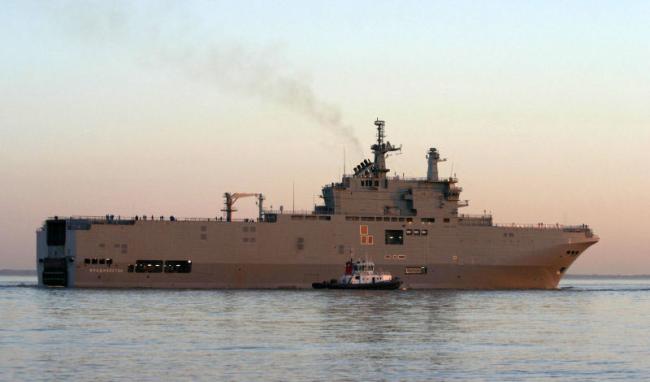
France Suggests No Mistral Delivery – Yet
France's Finance Minister cast doubt Thursday on what Russia had said was the imminent delivery of the first of two Mistral helicopter carriers, feeding uncertainty that French political analysts view as authorities' reluctance to be seen as caving in to Russian pressure.
Finance Minister Michel Sapin said Thursday that the conditions set by French President Francois Hollande last month for delivering the first Mistral — i.e., upholding the tenuous cease-fire and reaching a political settlement in Ukraine — "had not been met at this time."
Hollande's Government Reshuffle: Will Anything Change?
Just 147 days after Manuel Valls’ nomination as prime minister at Hôtel Matignon, the cabinet of ministers in Paris faced a new reshuffle. Some believe it will rejuvenate the French economy, which seems mired in stagnation, but most doubt that scenario is a real possibility. François Hollande is rapidly becoming one of the French fifth Republic’s most criticized and mocked presidents. RIAC asked Thomas Gomart, Senior Research Fellow, Vice President for Strategic Development at IFRI, about the nature of the recent government changes and what they will bring.
The European Union to Ukraine’s Rescue
Recent events have provided the opportunity for the rekindling of relations between Ukraine and the European Union.
Why Russia and the EU Should Cooperate in Ukraine
Ukraine is divided along historical, ideological, economic, religious and linguistic lines, which it has failed to unite in its brief history.
Ifri, a foundation recognized as being of public utility, relies largely on private donors – companies and individuals – to guarantee its sustainability and intellectual independence. Through their funding, donors help maintain the Institute's position among the world's leading think tanks. By benefiting from an internationally recognized network and expertise, donors refine their understanding of geopolitical risk and its consequences on global politics and the economy. In 2026, Ifri partners with over 90 French and international companies and organizations.
