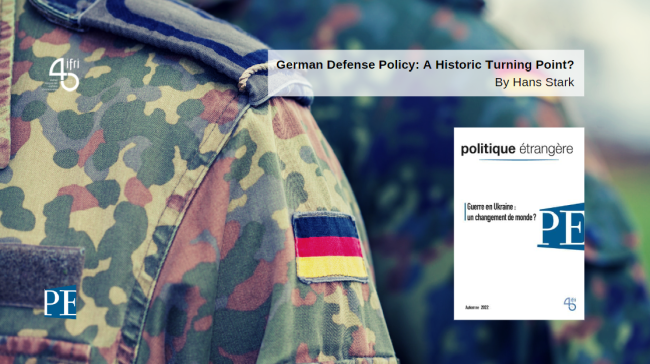
German Defense Policy: A Historic Turning Point?
The war in Ukraine has been a rude awakening for Berlin.
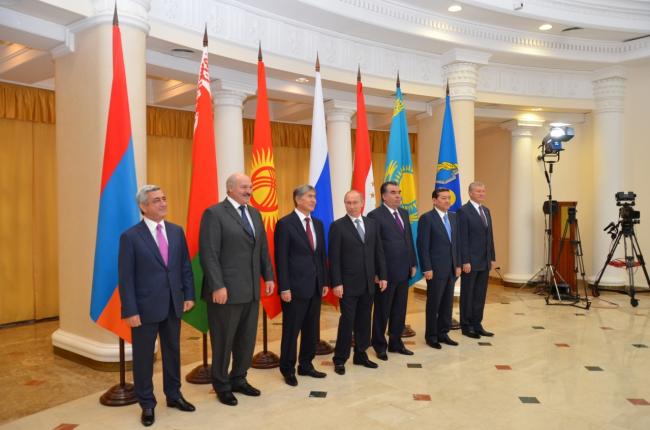
Reflection on Russia’s Changing Image in the Post-Soviet Region
The two years preceding the Russian invasion of Ukraine suggested that Russia had adopted a measured policy toward the post-Soviet space. Faced with social protests in Belarus, a coup in Kyrgyzstan, the victory of pro-European president Maia Sandu in Moldova, the second war in Nagorno-Karabakh, and riots in Kazakhstan, Russia showed diplomatic ability without any hard arm-twisting of partners. In 2020, then Carnegie Moscow Center director Dmitry Trenin even concluded that “there will be no new edition of the empire”. The war in Ukraine has completely changed this analysis.
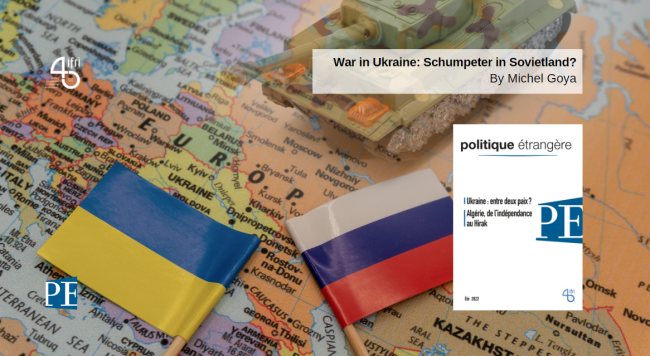
War in Ukraine: Schumpeter in Sovietland ?
On 24 February 2022, Russia invaded Ukraine. Moscow’s initial plan was to use a “shock and awe” approach to conquer Kyiv quickly.

Ukraine: Between Two Peaces?
We have reentered the world of war. In its first special report, Politique étrangère offers a range of in-depth analyses of the military and political dynamics at work in a Europe that has just woken up from its dream of enduring peace. The direct confrontation between Ukraine and Russia has pitted two military and defense systems against each other, whose asymmetrical logics, strengths, and weaknesses we are discovering as the conflict unfolds.
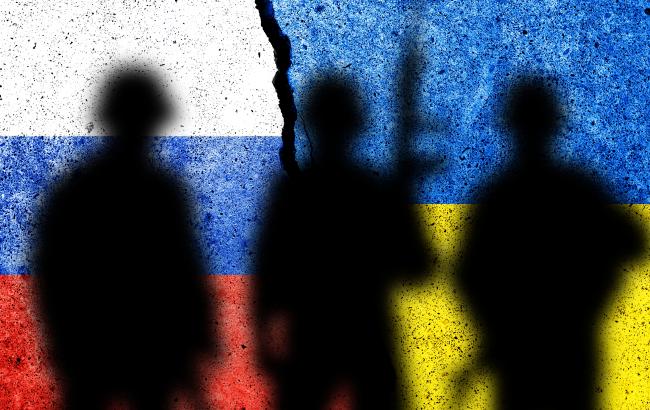
Russia's Invasion of Ukraine: A Political-Strategic Break?
On February 24, 2022, eight years after deploying an integrated military and non-military indirect strategy against Kiev, Vladimir Putin decided to initiate an open war against Ukraine.
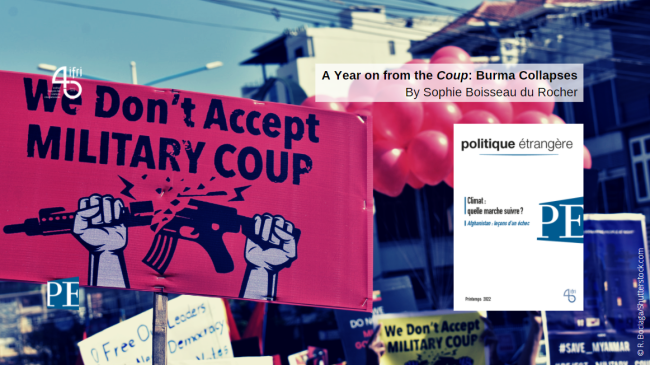
A Year on from the Coup: Burma Collapses
The February 2021 coup encountered a level of resistance that the military did not expect: demonstrations, boycotts, and a slide toward an armed resistance against repression from the authorities.
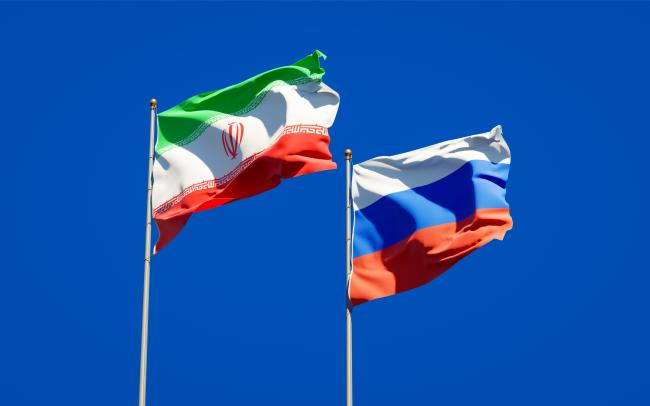
The Russian-Iran Partnership in a Multipolar World
The strengthening of the partnership between Russia and Iran depends on overlapping security interests; bilaterally, regionally and on the world stage.

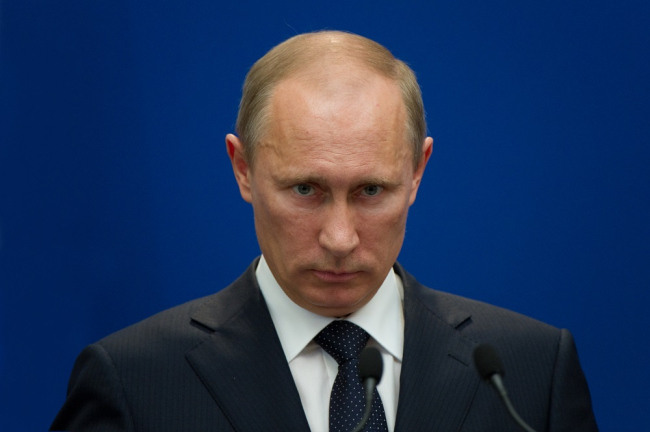
Moscow’s tried and tested Georgia strategy now tailored for Ukraine
Western powers appear unable to thwart Putin’s strategy to reassert Russian influence

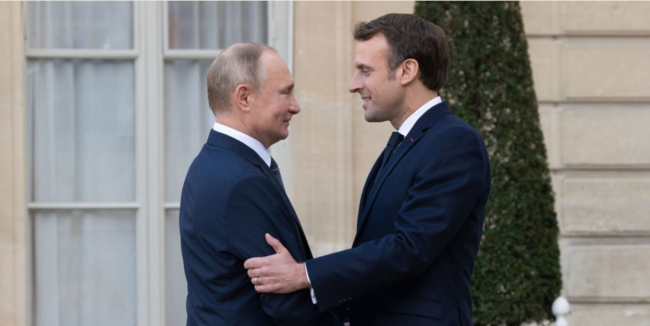
Kremlin Is Top Destination For Spooked European Leaders
Rarely in recent years has the Kremlin been so popular with European visitors. French President Emmanuel Macron arrives Monday. The Hungarian prime minister visited last week. And in days to come, the German chancellor will be there, too. All are hoping to get through to President Vladimir Putin, the man who singlehandedly shapes Russia’s course amid its military buildup near Ukraine and whose designs are a mystery even for his own narrow inner circle.
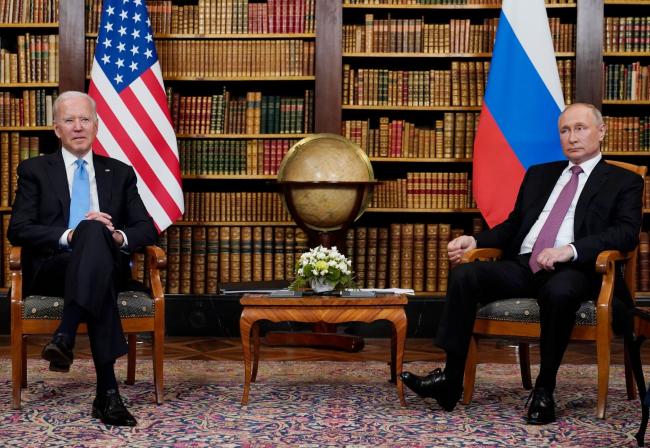
Rewinding the Clock? US-Russia Relations in the Biden Era
The escalating crisis in Ukraine in the winter of 2021-2022 has returned US-Russia relations to center stage.
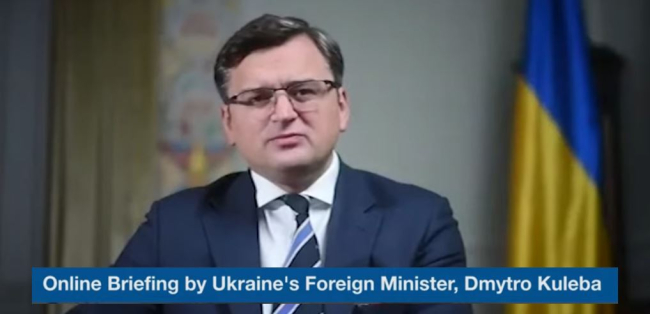
Security Situation in & around Ukraine. Online Briefing by Ukraine’s Foreign Minister Dmytro Kuleba
Since 2014, Ukraine's territorial integrity and security have been challenged by Russia's annexation of Crimea and by the conflict in Donbas. Military maneuvers in spring and October 2021 have raised the threat of open armed conflict between Ukraine and Russia. Kyiv, on the other hand, continues to strengthen its defense capabilities.
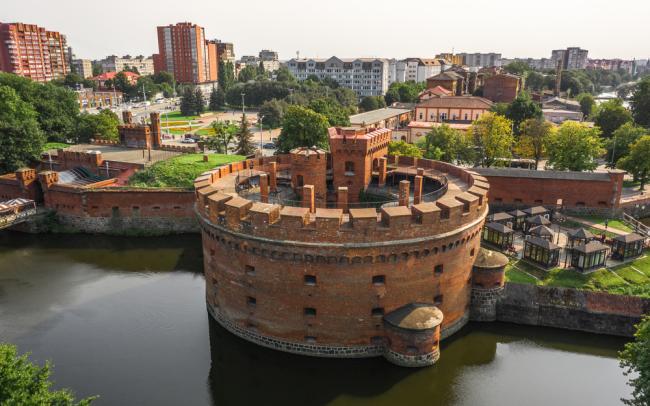
Kaliningrad in the Post-Crimea Russia. A Bastion or a Weak Link?
Since 2014, Russia’s policies toward Kaliningrad Oblast—its westernmost region located between Lithuania and Poland and physically cut off from Russia’s main body—have undergone notable transformation. One crucial change was the inception of a policy aimed at remilitarization, which has led toward Kaliningrad’s (re)emerging as Russia’s military bastion in the west.
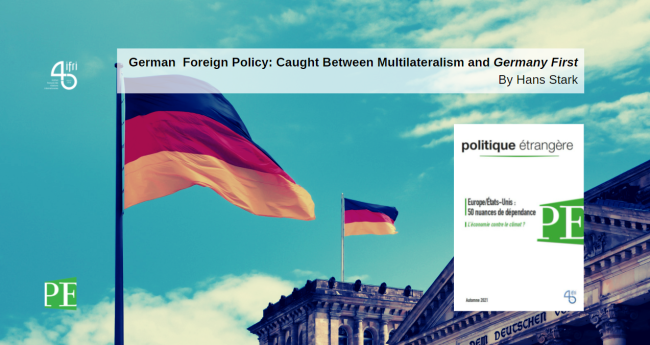
German Foreign Policy: Caught Between Multilateralism and Germany First
Underneath the rhetoric of commitment to a multilateral order, Germany's policy seems to be mainly structured around its national interests.

Exclusive: Western Intelligence Fears New Russian Sat-Nav’s Espionage Capabilities
GLONASS, Moscow’s answer to GPS, is set to launch an upgraded satellite network later this year, which it hopes to sell to the U.S. and Europe. Buyer beware.
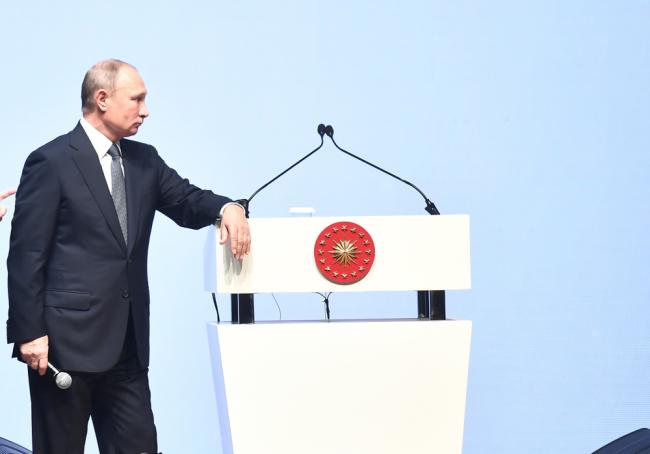
Dialogue with Russia. Russia Needs to Reset Relations with the West
This report analyses Western-Russian relations and proposes a way forward for conducting dialogue with Russia. It offers an analysis of Russia’s relations with NATO and the EU, an overview of the bilateral relations of various Western countries with Russia, a glimpse of China’s role, and an assessment of the main interests and contentious issues in Western-Russian relations.

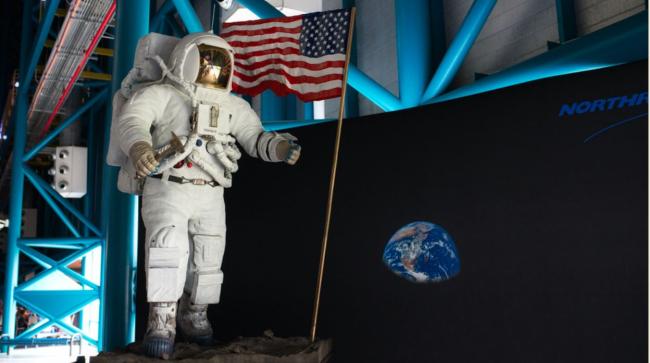
Destination Moon: is it time for us to send astronauts back?
The series For All Mankind (2019) is a fictional alternate history that imagines a world where the Soviet Union was the first power to send an astronaut to the moon. From that starting point, the two rival superpowers compete to establish their own lunar station.
Russia and Turkey. Strategic Partners and Rivals
The extraordinarily troublesome year 2020 tested many international institutions and bilateral ties, but few experienced sharper challenges than the complex relations between Russia and Turkey, which have a strong impact on crisis developments in Europe’s immediate neighborhood.
Russia’s Niche Soft Power: Sources, Targets and Channels of Influence
This paper argues that Russia’s soft power should be understood as a niche soft power, microtargeting some specific audiences based on four particularisms:
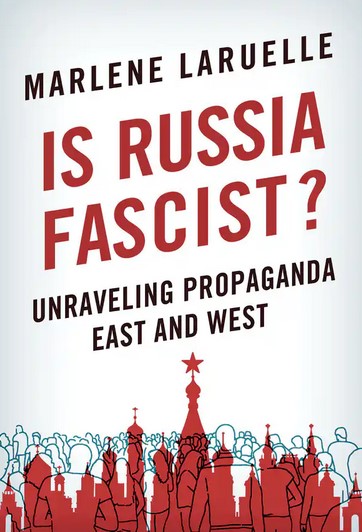
Is Russia Fascist? Unraveling Propaganda East and West
The charge of "fascism" has become a strategic narrative of the current world order.

Russia’s spat with EU puts relations into deep-freeze
Kremlin stance is blow to European countries which favour outreach to Moscow. Russia’s combative treatment of the EU’s top diplomat during a landmark trip there has triggered a political outcry — but little expectation that the European bloc will end divisions over how to handle the Kremlin.
Hillary Clinton's Email "Scandal": How Will It Affect the Election?
With the Democratic Presidential Nomination in sight, Hillary Clinton must still contend with a continuous conversation about her email practices. How will this scandal, or non-scandal, affect the presidential race yet to come? A look at the perspectives of the American constituency and pending investigations may predict Clinton's likely future... and the future of the American presidency.
Russia’s Asia Strategy: Bolstering the Eagle’s Eastern Wing
Among Russia’s strategic priorities, Asia traditionally played a secondary role compared to the West. In the mid-1990s, then Foreign Minister Yevgeny Primakov initiated a rapprochement with China and India. Then, in 2014, deteriorating relations between Russia and the West prompted Moscow to begin its “great pivot to the East”.
Russia's Asia Strategy: Bolstering the Eagle's Eastern Wing
Among Russia’s strategic priorities, Asia traditionally played a secondary role compared to the West. In the mid-1990s, then Foreign Minister Yevgeny Primakov initiated a rapprochement with China and India. Then, in 2014, deteriorating relations between Russia and the West prompted Moscow to begin its “great pivot to the East”.
War’s Indirection or the Return of the Limited War
Over the last few years both the United States and Russia seem to have changed their conception of how to deploy force.
Ukraine: a Test for Russian Military Reform
In the recent years Russia has made a significant effort in favor of modernizing its armed forces which allowed it to execute the swift annexation of Crimea in March 2014. Nevertheless, the deteriorating economic situation casts doubts on Russia’s ability to continue these ambitious reforms.
German-Russian Relations: Change of Paradigm versus 'Business as Usual'
In 2014, Germany’s relations with Russia markedly deteriorated. The decline was precipitous but it did not occur suddenly. It began some time before Moscow’s annexation of Crimea in March 2014 and the Kremlin’s support for separatism and thinly concealed military intervention in eastern Ukraine.
Russia's Eastern Direction - Distinguishing the Real from the Virtual
The Asia-Pacific region has assumed primary importance as a center of global politics and economic dynamism. For Moscow, this development highlights a world in which many long-standing assumptions about international politics are being overturned. It speaks of “global power … shifting to the East,” and of Russia becoming involved in the “dynamic integration processes in the ‘new Asia".” But for all the rhetoric about a “turn to the East”, Russia’s commitment to serious engagement with the Asia-Pacific is uncertain. Its elite retains a strongly Western-centric world-view, even as it criticizes Western shortcomings.
Beyond the "Arab Spring": Russia's Security Interests in the Middle East
The reconfiguration of the regional system of international relations as a result of the Arab revolutions has engendered fresh challenges for Russia, related, amongst other things, to deteriorating relations with the USA and other Western powers.
German-Russian Relations: Balance Sheet since 2000 and Perspectives until 2025
The relationship between Germany and Russia, according to official portrayals in Berlin, is one of ‘strategic partnership’ supplemented by ‘modernisation partnership’. The closeness and at times demonstrative cordiality of the relations have given rise to suspicion about Germany being an advocate of Russian interests in Europe for the benefit of its economy but at the expense of Europe’s trans-Atlantic links.
The Religious Diplomacy of the Russian Federation
The Russian Federation is shaping its religious diplomacy (i.e., in brief, the use of the religious factor in foreign policy) and exercises it with a growing efficiency. This is, to a certain degree, a consequence of processes taking place in Russia, namely, first and foremost, the solving of the crisis of identity and values, and, closely connected with this, the renaissance of religion in Russian political and social life.
Russia's Nuclear Forces: Between Disarmament and Modernization
Nuclear weapons have traditionally occupied an important place in Russia’s national security strategy. As Russia and the United States have been reducing their nuclear arsenals since the end of the Cold War, their relationship has undergone a complex transformation. Russia, however, still considers strategic balance with the United States to be an important element of national security.
Toward a New Euro-Atlantic "Hard" Security Agenda: Prospects for Trilateral U.S.-EU-Russia Cooperation
Evolution of Nuclear Strategy in US and Russia and its Implications for Arms Control
Ifri, a foundation recognized as being of public utility, relies largely on private donors – companies and individuals – to guarantee its sustainability and intellectual independence. Through their funding, donors help maintain the Institute's position among the world's leading think tanks. By benefiting from an internationally recognized network and expertise, donors refine their understanding of geopolitical risk and its consequences on global politics and the economy. In 2026, Ifri partners with over 90 French and international companies and organizations.