


Russia's Asia Strategy: Bolstering the Eagle's Eastern Wing

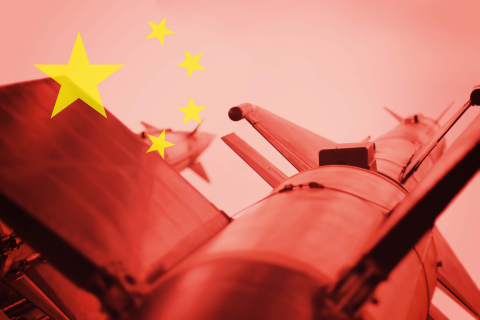
Among Russia’s strategic priorities, Asia traditionally played a secondary role compared to the West. In the mid-1990s, then Foreign Minister Yevgeny Primakov initiated a rapprochement with China and India. Then, in 2014, deteriorating relations between Russia and the West prompted Moscow to begin its “great pivot to the East”.
Russia’s “new” Asian policy must avoid two pitfalls: focusing excessively on China, and managing relations with the countries of the region in a strictly bilateral way. Bilateral relations, even with China, need to be parts of a whole, and closely coordinated with other parts. As part of a broader Asian-Pacific strategy, Moscow should seek to build a “Great Eurasia”. This requires an integrated approach to the region as a whole, and an overall approach that embraces geopolitical, geo-economic, military, informational and cultural dimensions.
Dmitri Trenin, director of the Carnegie Moscow Center, has been with the center since its inception. He chairs the center’s Research Council and its
Foreign and Security Policy Program. From 1993–1997, he was a senior research fellow at the Institute of Europe in Moscow. In 1993, he was a senior research fellow at the North Atlantic Treaty Organization (NATO) Defense College in Rome. He served in the Soviet and Russian armed forces from 1972 to 1993, including experience working as a liaison officer in the external relations branch of the Group of Soviet Forces (stationed in Potsdam) and as a staff member of the delegation to the United States (US)-Soviet nuclear arms talks in Geneva from 1985 to 1991. He also taught at the War Studies Department of the Military Institute of Moscow from 1986 to 1993.

Available in:
Themes and regions
ISBN / ISSN
Share
This page contains only a summary of our work. If you would like to have access to all the information from our research on the subject, you can download the full version in PDF format.
Russia's Asia Strategy: Bolstering the Eagle's Eastern Wing

Russia/Eurasia Center
Founded in 2005 within Ifri, the Russia/Eurasia Center conducts research and organizes debates on Russia, Eastern Europe, Central Asia, and the South Caucasus. Its goal is to understand and anticipate the evolution of this complex and rapidly changing geographical area in order to enrich public discourse in France and Europe and to assist in strategic, political, and economic decision-making.
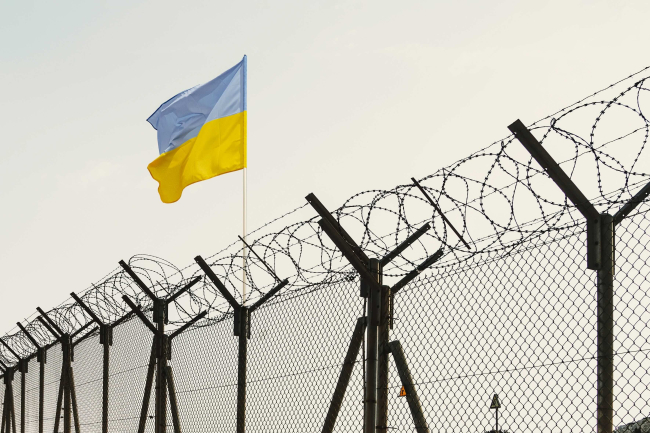
From Africa to Ukraine: An Investigation into African Prisoners of War
When T. W. received an invitation letter to travel to Russia in November 2025, he could hardly believe it. Two months earlier, he had met a young Russian woman who was ill at the hospital in Kampala where he worked as a nurse. After she returned to Russia, they had kept in touch through social media. Much to his surprise, she invited him to come and study and work in her country, even offering to pay for his plane ticket. Delighted by the opportunity, T. W. left without informing either his family or his employer.
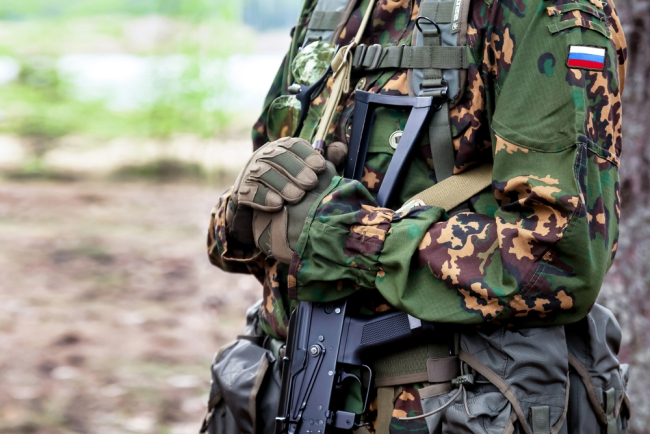
Russia’s Policy of Recruiting Fighters and Female Workers in Sub-Saharan Africa
The Russo-Ukrainian war, which began on February 24, 2022, quickly became internationalized. Russia and Ukraine were both quick to mobilize their allies in order to secure political and diplomatic support, as well as military and economic resources. But both belligerents also sought to recruit foreigners on a private basis to support their respective war efforts. This policy is global, extending from Latin America to the Far East. Sub-Saharan Africa, in this landscape, is of particular interest because it constitutes a vast and easily accessible recruitment pool, owing to high poverty rates in most countries of the region combined with a strong desire to emigrate.
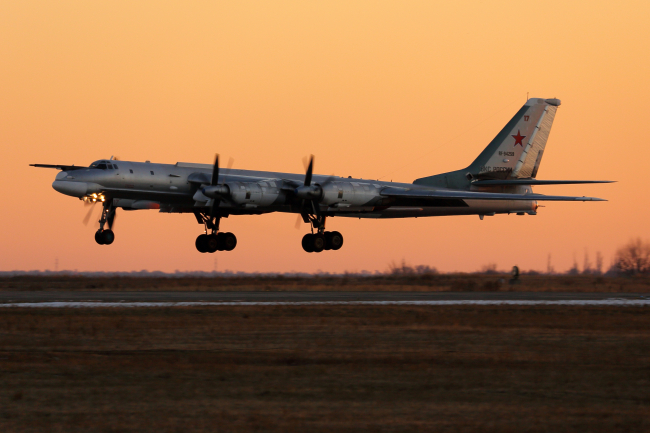
The Plight of Russia’s Air Power in the Ukraine War: Drone-Driven Innovations and Transformation of Traditional Air Force
Since the start of the Ukraine War, Russian strategic guidelines on the application of air power—seen as the decisive instrument for achieving success in modern wars—have proven to be outdated, irrelevant and even self-defeating.
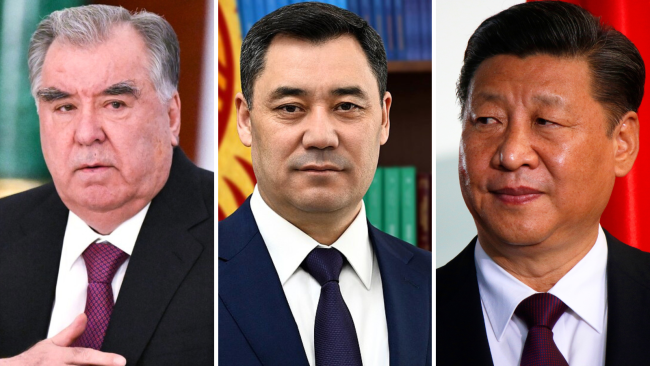
China in Kyrgyzstan and Tajikistan: From Economic Presence to a New Security Role
Over the past three decades, China’s influence in Central Asia has steadily expanded, but in the last three to five years this process has entered a markedly accelerated phase. Following 2022, Beijing effectively revised both its strategy and its operational approach toward the region.