




3444 publications
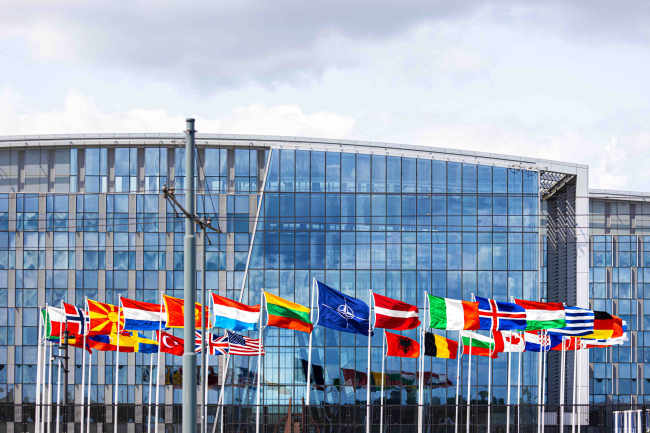
Taking the Pulse: Enough with the Annual NATO Summits, Already?
Over the past ten years, NATO has held almost as many summits as it did during the entirety of the Cold War. Are they still useful, or is it time to stop holding annual meetings?
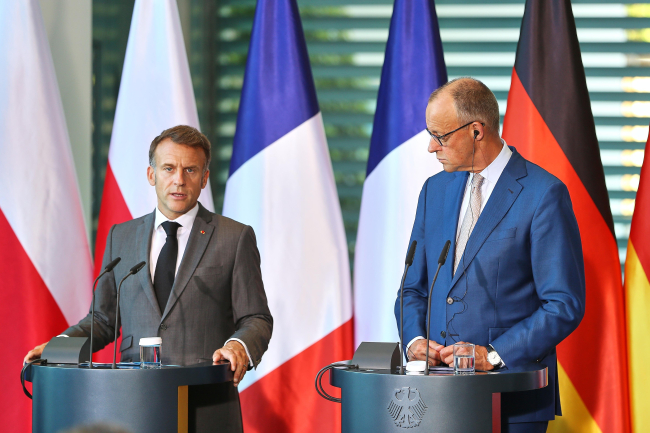
France-Germany: Overcoming Differences to Strengthen European Sovereignty
The Franco-German “reset” launched with Friedrich Merz’s appointment as Chancellor in May 2025 and given concrete form at the Franco-German Council of Ministers (FGCM) in Toulon in August 2025 was intended to address the structural challenges affecting the bilateral relationship. Yet it is clear that these ambitions have only been partially translated into concrete action. Since the beginning of 2026, Franco-German relations have entered a phase in which short-term challenges have combined with deeper divergences over priorities, policy approaches, and strategic culture.
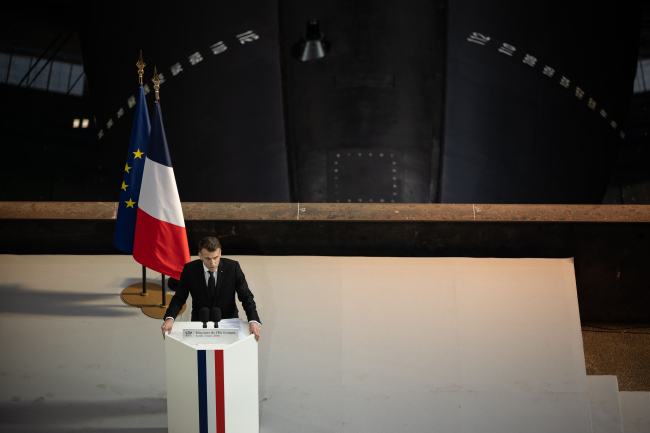
How does France’s nuclear deterrent contribute to the defense of Europe?
France’s nuclear deterrent, serving first and foremost to defend France’s vital interests, also contributes to the defense of Europe. This contribution has been recognized within the North Atlantic Alliance since 1974, but remains little known. In a speech closely followed by France’s European partners and its adversaries alike, President Emmanuel Macron announced a new concept for French nuclear deterrence: “forward deterrence” (dissuasion avancée). This article aims to explain the origins of this concept, outline its main pillars, and describe the partnerships that are sought. It then discusses the relationship with the U.S. doctrine of “extended deterrence”, and finally offers some ethical considerations.
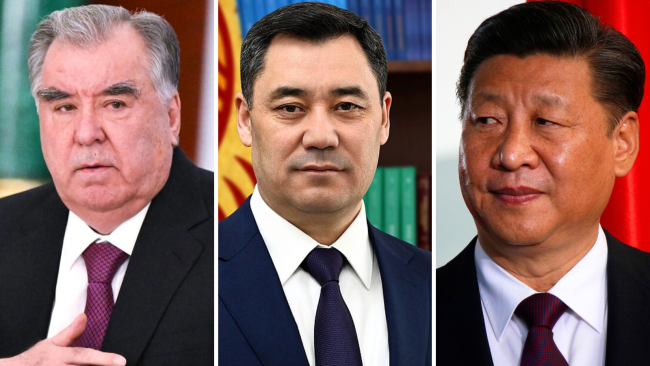
China in Kyrgyzstan and Tajikistan: From Economic Presence to a New Security Role
Over the past three decades, China’s influence in Central Asia has steadily expanded, but in the last three to five years this process has entered a markedly accelerated phase. Following 2022, Beijing effectively revised both its strategy and its operational approach toward the region.
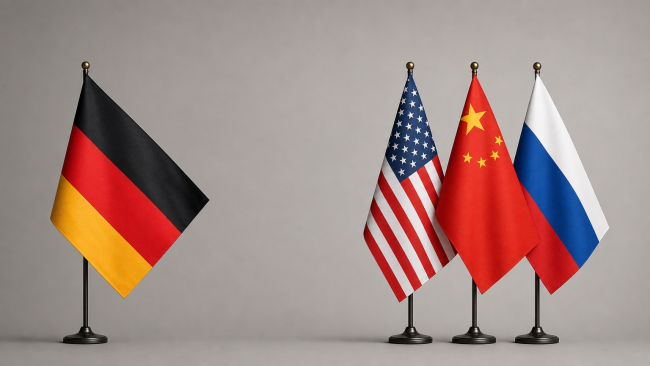
Germany in the Shadow of the United States, Russia, and China – Systemic Paradigm Shifts
Since reunification, Germany has built its prosperity on an international order based on free trade, multilateralism, and geopolitical stability. This model relied on three relationships considered complementary: U.S. military protection, Russian energy supplies, and economic integration with China. For several decades, Berlin viewed these interdependencies as factors contributing to peace, growth, and security.
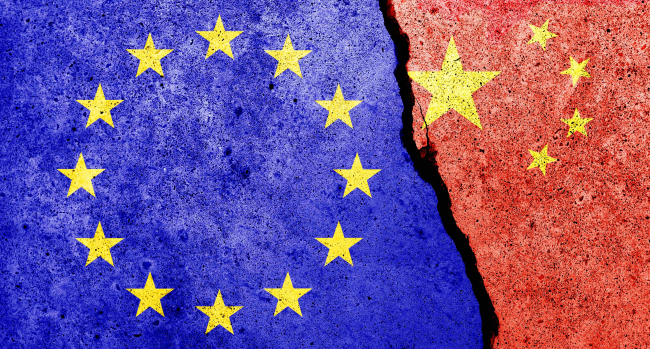
Fragmented Europe: Dealing with China as a technology and innovation power
How is Europe navigating China’s ascension as a technological power? The latest report by the European Think-tank Network on China (ETNC) provides a nuanced account of a converging, yet still fragmented approach across 22 countries.
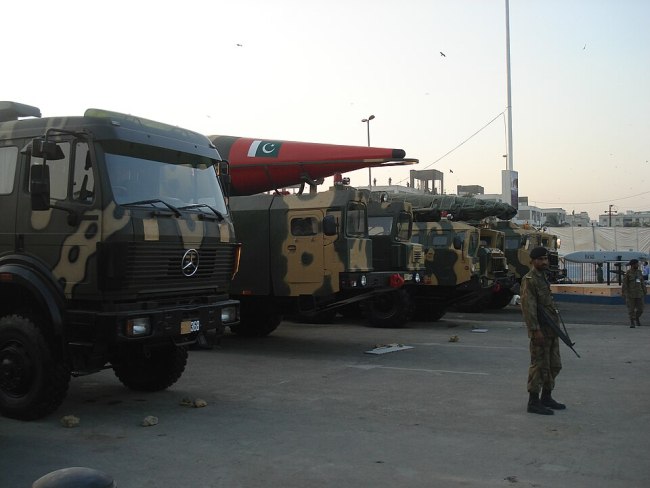
Stability under Pressure. A Pakistani View on Nuclear Deterrence after Pahalgam
The May 2025 India-Pakistan crisis after the Pahalgam attack has generated a familiar but incomplete debate: did nuclear deterrence work, or did it merely allow both sides to fight a limited war under the nuclear shadow? The better answer is that deterrence worked at the level at which it was designed to work. It prevented a general war and an uncontrolled vertical escalation, and kept nuclear weapons in the background. But it did not prevent India from attempting to carve out space for conventional action, nor did it prevent Pakistan from responding conventionally to restore deterrence credibility.