



Autonomous Systems in the Underwater Domain: A Limitless Revolution?
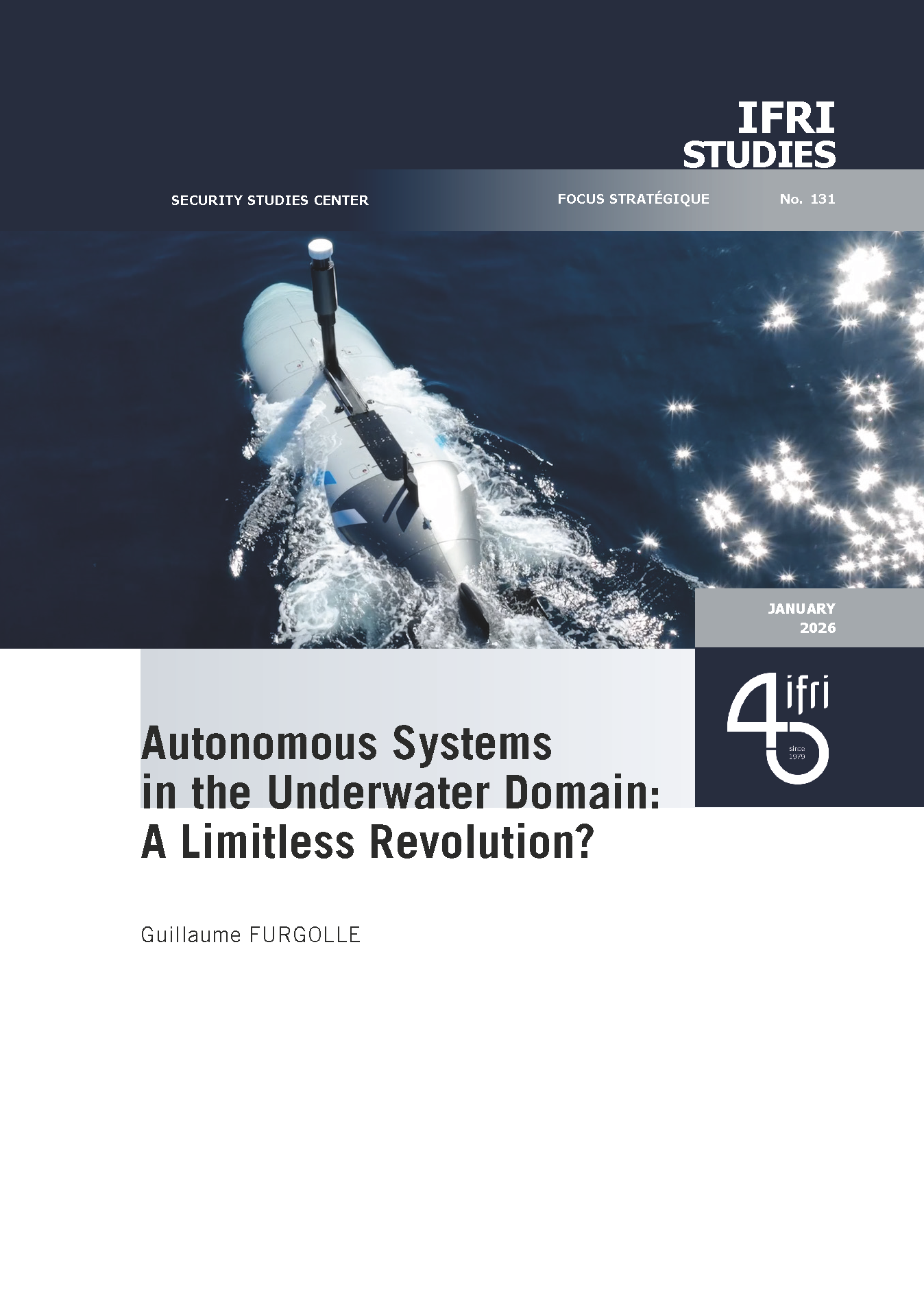
One of the decisive strategic factors in the ongoing Russo-Ukrainian war is the mass use of aerial, maritime, and terrestrial autonomous capabilities, which are transforming the face of the battlefield. Nevertheless, many of these drones are still remotely piloted, operated, or supervised, testifying to the fact that the autonomization of military capabilities is still at an embryonic stage.
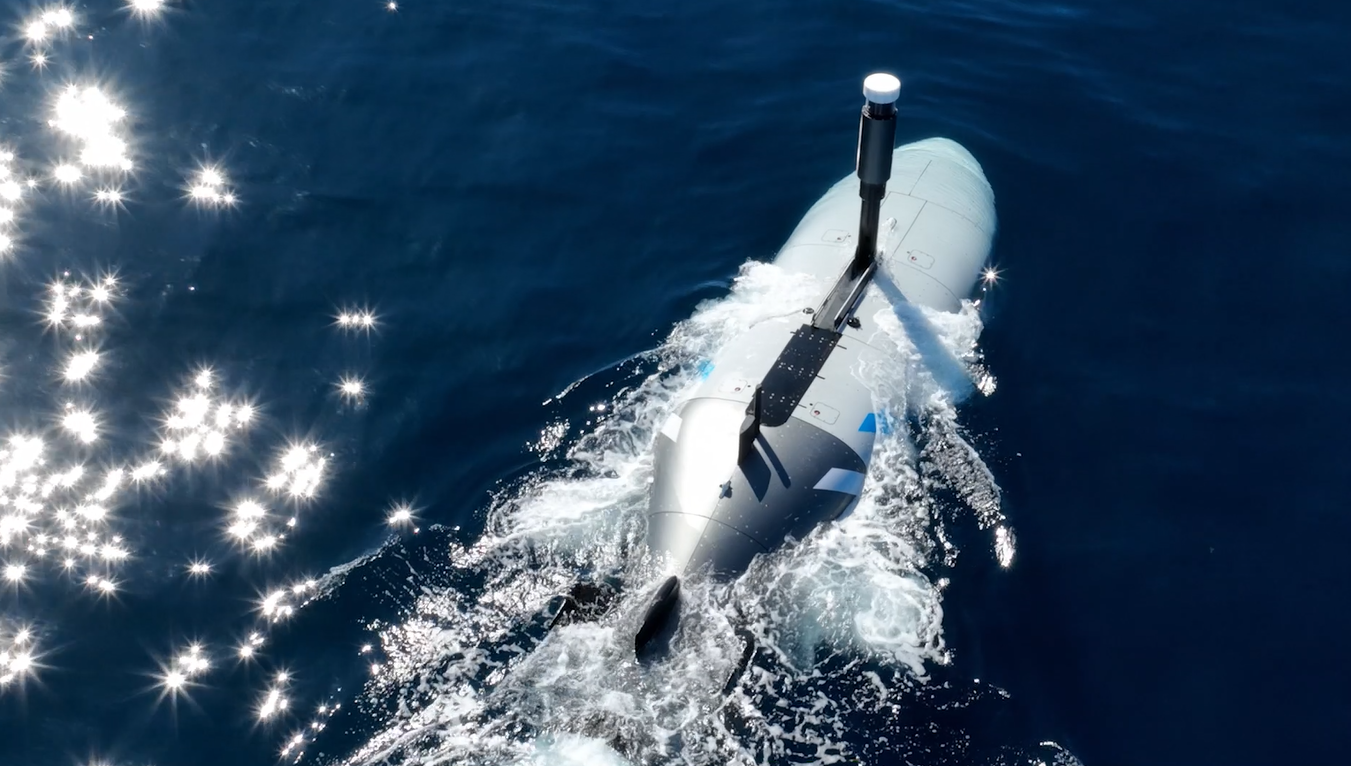
Drones are not a novelty in the naval domain. The US Navy’s first attempts to use aerial kamikaze drones came during the First World War, when the German armed forces also used remotely operated kamikaze boats against British ships. The US Navy started developing fully operational underwater drones in the 1950s. In recent decades, numerous Western navies have deployed remotely operated underwater vehicles on mine warfare operations, primarily to reduce the risk posed to clearance divers. Ukraine’s Magura surface drones,2 among others, are the worthy modern heirs to over a century of naval engagement with unmanned vehicles.
The underwater domain has historically been a driver of innovation in the field of unmanned vehicles because of the difficulty for human beings to operate underwater at great depth or for prolonged periods. Underwater gliders, the first autonomous underwater vehicles, appeared in the 1990s, and the quest for ever greater autonomization in the underwater domain has continued ever since. But this search has always been constrained by the limitations of the underwater environment: opacity, non-homogeneity, water pressure, and salinity.
Spurred by the wave of enthusiasm around the possibilities opened up by the advent of aerial drones, a prolific and diverse range of naval drones has emerged, particularly underwater drones. This trend is largely being driven by industrial actors, who foresee a potential new revolution comparable to that of the aerial drone industry and have no intention of missing out on market opportunities, even if they have to fund a large part of the development costs themselves.
This proliferation of new drones relies on the increasing commercial availability of standardized dual-use components, which have become significantly cheaper: electric motors and batteries, optic and acoustic sensors, and on-board electronics more generally. It also capitalizes on the industry’s decades of experience in the development of torpedoes and underwater robots and drones, as well as several advances in the relevant technology sectors. In this regard, these new products are as much original developments as they are aggregates of external standardized components.
How should navies position themselves with regard to this flourishing and increasingly diverse technological offering? Given recent technological developments that herald greater autonomy in the future, how can they make sure not to miss out on the “drone revolution” in the underwater domain?
The answer to this question requires both an intimate understanding of the constraints of the underwater environment and a realistic picture of autonomy in this domain. These are addressed in the first section of this report.
Next, it calls for an interrogation of the contexts in which autonomous underwater vehicles are used during military operations, and the choices that these entail. The second section focuses on these considerations.
Finally, these choices require every navy to define an operational concept that is suited to its autonomous underwater capabilities and to determine how best to integrate the latter into its force structure, which is where any potential revolution will take place. These questions are discussed in the final section.

Available in:
Themes and regions
ISBN / ISSN
Share
This page contains only a summary of our work. If you would like to have access to all the information from our research on the subject, you can download the full version in PDF format.
Autonomous Systems in the Underwater Domain: A Limitless Revolution?


Guillaume FURGOLLE
Former Military Fellow, Defense Research Unit of the Security Studies Center, Ifri

Security Studies Center
Heir to a tradition dating back to the founding of Ifri, the Security Studies Center provides public and private decision-makers as well as the general public with the keys to understanding power relations and contemporary modes of conflict as well as those to come. Through its positioning at the juncture of politics and operations, the credibility of its civil-military team and the wide distribution of its publications in French and English, the Center for Security Studies constitutes in the French landscape of think tanks a unique center of research and influence on the national and international defense debate.
Defense Research Unit
The Defense Research Unit is a program that aims at stimulating the strategic debate by dealing with subjects at the junction of the “technico-operational” and the “political-strategic”. A unique structure in France, it brings together civilian researchers and “military fellows” from each of the three armies to produce work on defense policies, the capability and strategic adaptation of armies, and foresight on tomorrow's conflicts.

Confronting Russia’s High-Velocity Arsenal: European Challenges and Solutions
Since February 2022, Russian missile and long-range drone strikes against Ukraine have served as near-daily reminders of what European states could face in a war with Russia. The same weapon systems battering Ukrainian infrastructure and population centers would be directed against European military and civilian targets in any confrontation between Russia and NATO. As Russian missile production expands and its arsenal diversifies, Europe must confront an uncomfortable question: how to deter, and if push comes to shove, fight Russia's long-range strike arsenal?

The War on Terrorism: Global Experts Reflect on Lessons Learned Twenty-Five Years After 9/11
Twenty-five years ago, the September 11 attacks prompted the invention of new security architectures that shaped the war on terrorism. Sixteen think tank experts from fifteen countries reflect on the successes, failures, and missed opportunities in the fight against terrorism—a fight that is still ongoing.
From Corsairs to Private Military Contractors. Nonmilitary Maritime Actors and the Historical Continuities of Naval Warfare
Since late 2023, several Houthi attacks on commercial shipping have involved privately contracted armed teams conducting defensive engagements and coordinating immediate response efforts, often in the relative absence of regular naval forces during the immediate hostilities at sea. These cases highlight a strategic tension that increasingly confronts modern navies. On the one hand, they are expected to conduct persistent, low-intensity maritime security tasks such as counterpiracy, maritime policing, and the protection of commercial shipping. On the other hand, they face renewed pressure to prepare for high-intensity conflict against peer and near-peer adversaries amid the return of great power competition.
Framework Nation: A European Challenge and French Ambition
First appearing in the early 2000s, the framework nation concept follows several distinct rationales, whether it refers to a country assuming the leadership of a military operation, directing a multinational capability project, or commanding a permanent force structure. In every case, the country that takes on this role fully intends to derive from it additional politico-military influence.