



Taking the Pulse: Is France’s New Nuclear Doctrine Ambitious Enough?
French President Emmanuel Macron has unveiled his country’s new nuclear doctrine. Are the changes he has made enough to reassure France’s European partners in the current geopolitical context?

[...]
Héloïse Fayet, Research Fellow and Head of the Deterrence & Proliferation Research Program at the Institut Français des Relations Internationales
France’s new nuclear posture has been welcomed broadly across Europe—but it has also raised expectations.
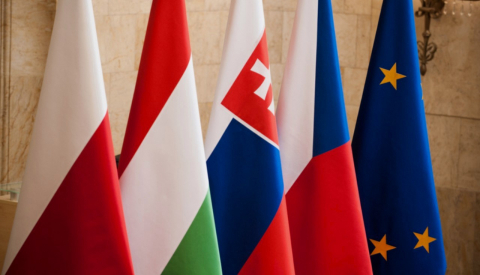
Initial reactions show that Macron’s announcement has reassured many partners. European governments quoted in his March 2 speech issued positive and coordinated statements afterwards, signaling support for the president’s willingness to engage more openly on nuclear deterrence. Interest is emerging beyond the forward deterrence framework: Norway and Finland have indicated openness to closer dialogue with France, while Italian commentators complained about not being included in the initial discussions.
This is where the real test begins. Macron’s proposals, such as setting up nuclear steering groups with seven countries, in addition to the one that already exists between France and the UK, create momentum—but they also generate expectations. For these initiatives to matter, they will need to survive the end of Macron’s presidency and go beyond dialogues on threat assessment and doctrinal explanations. Joint exercises, scenario-based discussions, and transparency around vital interests are essential in creating a sense of shared destiny without altering the fundamentals of French sovereignty.
Finally, nuclear reassurance cannot compensate for Europe’s conventional weaknesses. Unless European countries strengthen their conventional deterrence, nuclear weapons alone will not be enough to sustain confidence.
[...]
> Read the full commentary on Carnegie's website.

Available in:
Themes and regions
Share

Héloïse FAYET
Research Fellow and Head of the Deterrence and Proliferation program, Security Studies Center, Ifri

Deterrence and Proliferation
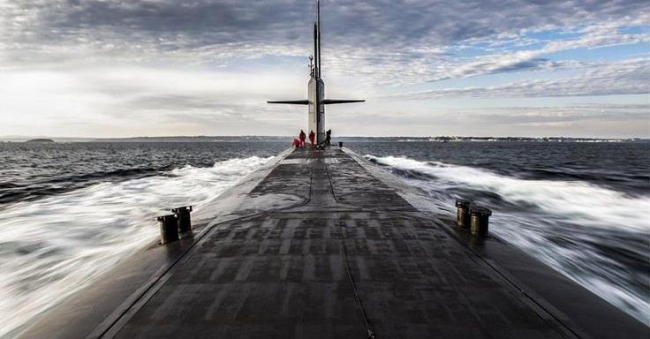
The conflicts in Europe, Asia and the Middle East demonstrate a return of nuclear power to the balance of power. Arsenals are being modernized and expanded, while arms control is collapsing. This research program aims to analyze these phenomena.
Security Studies Center
Heir to a tradition dating back to the founding of Ifri, the Security Studies Center provides public and private decision-makers as well as the general public with the keys to understanding power relations and contemporary modes of conflict as well as those to come. Through its positioning at the juncture of politics and operations, the credibility of its civil-military team and the wide distribution of its publications in French and English, the Center for Security Studies constitutes in the French landscape of think tanks a unique center of research and influence on the national and international defense debate.
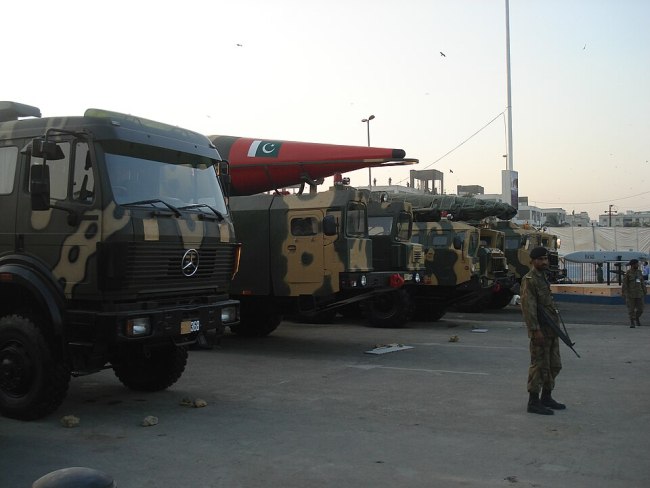
Stability under Pressure. A Pakistani View on Nuclear Deterrence after Pahalgam
The May 2025 India-Pakistan crisis after the Pahalgam attack has generated a familiar but incomplete debate: did nuclear deterrence work, or did it merely allow both sides to fight a limited war under the nuclear shadow? The better answer is that deterrence worked at the level at which it was designed to work. It prevented a general war and an uncontrolled vertical escalation, and kept nuclear weapons in the background. But it did not prevent India from attempting to carve out space for conventional action, nor did it prevent Pakistan from responding conventionally to restore deterrence credibility.

French Forward Deterrence: What Is in It for the Baltic States?
For what may be its most significant stress test since the end of the Cold War, European deterrence is under strain. Russia’s war against Ukraine has demonstrated Moscow’s willingness to use force and its ability to combine conventional operations with nuclear signalling, coercive rhetoric, and hybrid actions. At the same time, the gradual deterioration of transatlantic relations has revived concerns about the reliability of extended deterrence.
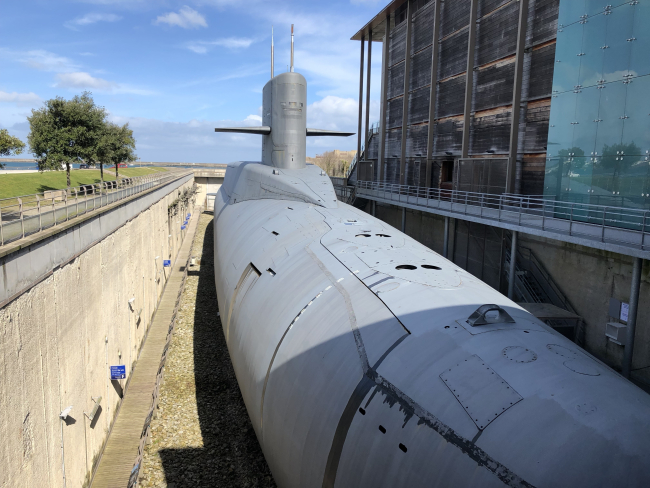
Macron Offers a Promising Vision for Nuclear Deterrence in Europe
Macron’s concept of ‘forward deterrence’ offers a distinctly European approach to nuclear deterrence.
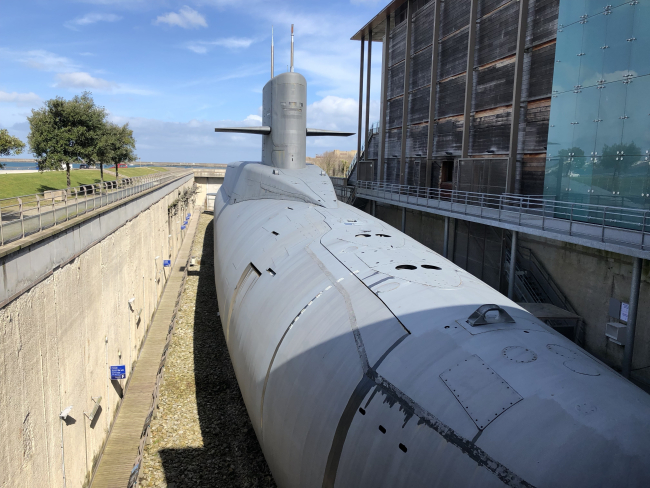
France has a new nuclear doctrine of ‘forward deterrence’ for Europe. What does it mean?
On Monday, French President Emmanuel Macron delivered a speech on France’s nuclear deterrence at the Île Longue naval base near Brest in Brittany, which hosts the country’s nuclear-armed ballistic missile submarines. Such addresses are a well-established presidential ritual, typically delivered once per presidential term and receiving moderate attention. This one, however, was highly anticipated in France and abroad, given the profound geopolitical shifts since Macron’s first nuclear speech in February 2020.