




Finance
Finance has become an important aspect of contemporary international relations, not only for its effects on the economy, but also for its possible "weaponization" for political ends.
Related Subjects
East Asia Confronted with China
China is now an undeniable heavyweight on the international scene, wielding a remarkable range of political strategies. Studying its position in the surrounding area of Southeast Asia in relation to Japan, Korea, Taiwan, and the Association of Southeast Asian Nations (ASEAN) countries, as well as Australia, gives us an understanding of both the strength and the limits of such a diverse range of actions.
From the Digital Levy to the Taxation of Multinationals: Joe Biden's Tax Revolution
The Organisation for Economic Co-operation and Development (OECD) is conducting important negotiations this spring to reform international taxation.
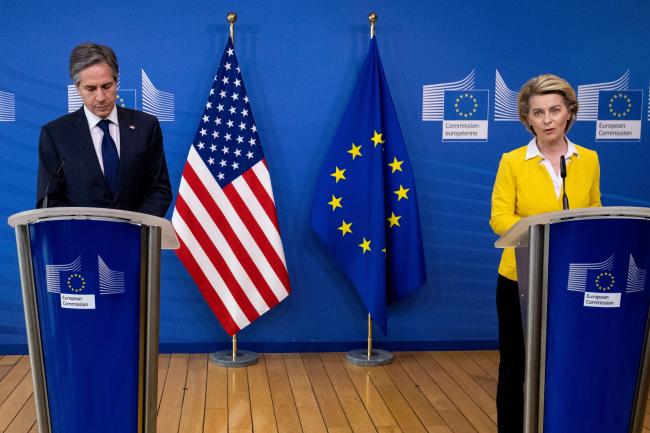
Europe in the Geopolitics of Technology: Connecting the Internal and External Dimensions
To respond to growing global competition, the EU has made notable progress on the internal dimension of technology policy over the past 3 years. It is now also seeking to adapt its foreign policy – from the transatlantic relationship to global partnerships – to technological challenges.
The Karlsruhe Court Judgment: A Thunderclap from a Clear Sky?
In its judgment of 5 May 2020, the German Federal Constitutional Court in Karlsruhe questioned the conditions under which the European Central Bank (ECB) had adopted a Public Sector Purchase Programme (PSPP), thus contradicting the position taken by the Court of Justice of the European Union in the same case.
Germany and the Economic and Monetary Union. Between the Search for Deeper European Integration and the Assertion of National Interests
Germany joined the creation of Economic and Monetary Union only with great hesitation and has tried to dictate the spirit and rules of operation of the Union.


Can Huawei Face EU Fines Like Google and Apple?
The European Union’s chief antitrust official, Margrethe Vestager, has made her name tackling big corporate fish in pretty unconventional ways. A ruling on Alphabet Inc.’s Google, which came with a seven-figure fine, argued free services weren’t always good for the consumer, while those on Apple Inc. and Starbucks Corp. deemed that low taxes were illegal state aid (though some judges begged to differ).
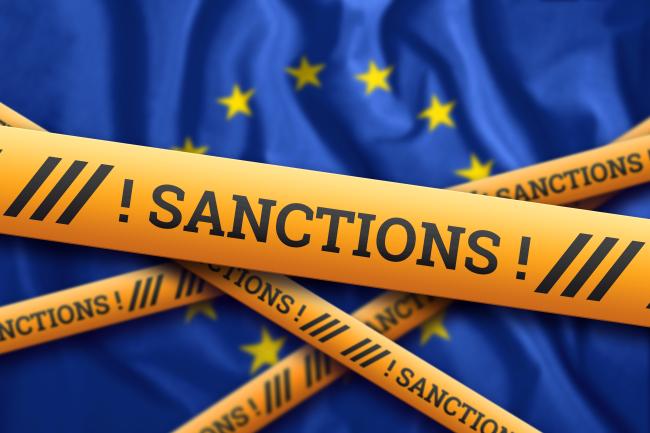
The Sanctions Policy of the European Union: Multilateral Ambitions Versus Power Politics
Restrictive measures are a major instrument of the European Union (EU)’s external action, which has emerged as one of the world’s leading sanctions emitters. The EU has thus leveraged the size of its market and its economic and financial clout (trade relations, aid policy and bilateral agreements).
2019-2029: The World in 10 Years
The last four decades have witnessed the profound transformation of the very foundations of the international system: the globalization of trade, technical revolutions, the upheaval of the hierarchy of powers, the emergence of China, the explosion of the Middle-East, the mutation of conflicts and threats, climate concerns, etc.
The Future of the International Monetary and Financial System
Following the collapse of the Bretton Woods system, the international community sought new stability in the financial system and the assurance of sustained growth. The crisis that began in 2007-2008 has revealed weaknesses that affected advanced economies first and foremost. Efforts have since been made to consolidate the international financial architecture, to coordinate macroeconomic policy, and to improve foreign exchange relations, even if this latter objective has proven complex.
The US Oil Embargo on Iran: A New Oil Shock?
The 14 July 2015 Vienna agreement on Iran’s nuclear activities (Joint Comprehensive Plan of Action – JCPoA) was a game changer on the geopolitics in the Middle East and for the oil market. The oil sanctions were lifted and Iran increased significantly its production and exports. On 8 May 2018, President Trump announced that the United Stated (US) would withdraw from the agreement. Financial sanctions were reintroduced. From 5 November 2018 onwards, further sanctions will be re-imposed more specifically on petroleum related transactions, including the purchase of petroleum, petroleum products and petrochemical products. What could be the impact of this new embargo? Is there a risk of a new oil supply and price shock?
Comply or die ? Les entreprises face à l’exigence de conformité venue des États-Unis
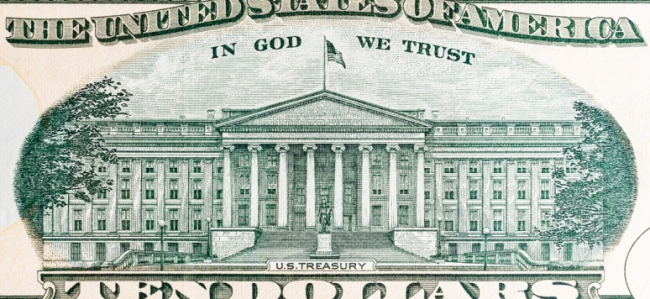
The United States has developed a vast body of legal regulations with extraterritorial application in order to tackle corruption on the international stage and to pursue companies that do not abide by the trade embargoes demanded by U.S. foreign policy.
Sanctions on African countries: what impact?
What is the role of international NGOs regarding the sanctions process?
Zimbabwe in Dubious Battle: The Unexpected Consequences of Western Sanctions
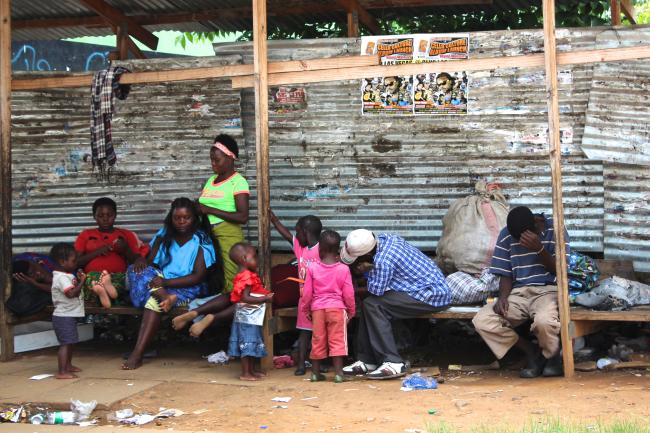
The aim of this paper is to assess how an African country deals on the long run with the decline of international aid and foreign direct investment. This paper is a contribution to the debate about the effectiveness of the international sanctions system.
ASEAN at 50: Half a Century of Unique Experience
In its fifty-year existence, the Association of Southeast Asian Nations (ASEAN) has developed a complex, progressive and balanced approach to regional integration. Rather than the European Union’s far-reaching statements of ever-closer union, ASEAN combines highly diverse economic and political strategies of different States whose main priority is to safeguard sovereignty.
From Financial Diplomacy to Geopolitics of Finance
The financial system has become too complex to be controlled at state level.

Understanding China’s Financial Expansion
In this interview, Claude Meyer underlines the three major vulnerabilities of the Chinese economy, and describes the investments China has made since the early 2000’s to address them.
The Country Risk Concept
The expression “country risk” emerged in the United States in the 1960s. Its meaning has evolved over time, without any definition ever really being settled on.
The Nagging Problem of State Insolvency
Historically, states have indebted themselves to finance military campaigns. They do so nowadays for other reasons such as financing productive investment.
France would support new sanctions on Russia
"It's clear that we will have to declare ourselves in favour of new sanctions in case of a military escalation," said state secretary for parliamentary relations Jean-Marie Le Guen to French media on Sunday. The junior minister’s comments came as unrest continued to spread in eastern Ukraine, leaving at least one Ukrainian officer and a pro-Russian activist dead in the eastern city of Slaviansk, about 150 km from the Russian border, on Sunday.
Raising the Costs to President Putin
-by building dissonance within. Some like to remember fondly the call by Ronald Reagan for Gorbachev “to tear down this wall”. The United States “Won the Cold War” said George Bush Senior in his State of the Union Address. We need to step back and recognize with some humility that the Soviet Union fell largely of its own weight rather than as a result of external pressure. Again today Russia is economically weak. It has become an exporter of raw materials, its industrial sector is weak, and its revenues are already falling. Conditions now offer the opportunity to aggravate Russia’s economic frailty – let’s focus on that.
Raising the Costs to President Putin
-by building dissonance within. Some like to remember fondly the call by Ronald Reagan for Gorbachev “to tear down this wall”. The United States “Won the Cold War” said George Bush Senior in his State of the Union Address. We need to step back and recognize with some humility that the Soviet Union fell largely of its own weight rather than as a result of external pressure. Again today Russia is economically weak. It has become an exporter of raw materials, its industrial sector is weak, and its revenues are already falling. Conditions now offer the opportunity to aggravate Russia’s economic frailty – let’s focus on that.
Reading Rouhani Right
Poll numbers are the life blood of politics these days. Anything expressed in digits has a claim to truth that assertions without digits cannot make. They inspire confidence - especially among those aspiring to public office - that they actually understand what public sentiment is. If you lived between nuclear-armed Israel and Pakistan and had as many world class enemies as Iran has accumulated - would you give up your pursuit of a nuclear weapon?
Don't Bank on Change: Finance and Regulatory Reform in the U.S.
As a number of provisions of the Dodd-Frank Act are entering into force, five years after the beginnings of the financial crisis, Professor Herman Schwartz explains how the U.S. banking community will continue to hurt the interests of the American economy and political system.
The G20 and the Challenge of International Financial Re-regulation
The crisis, it is now widely accepted, means that markets failed. Meeting for the first time in Washington in November 2008, the G20 embarked in a ride of re-regulation. Months of negotiations later, it dramatically appears different to agree on principles and broad objectives, and to write and enforce rules and commitments.
The Financial Challenges of the Sub-Saharan Africa Telecoms Boom
Telecom industry has taken a significant place within of the economy of most African countries. In this aspect, it is an undeniable source of economic growth and development. It impacts on the financial sphere at three levels.
Ifri, a foundation recognized as being of public utility, relies largely on private donors – companies and individuals – to guarantee its sustainability and intellectual independence. Through their funding, donors help maintain the Institute's position among the world's leading think tanks. By benefiting from an internationally recognized network and expertise, donors refine their understanding of geopolitical risk and its consequences on global politics and the economy. In 2026, Ifri partners with over 90 French and international companies and organizations.


To analyze the impact of power rivalries and tensions on globalization, this initiative combines economic and political expertise. In the face of growing geopolitical risk, the goal is to decipher the dynamics of reconfiguration: protectionist pressures, sanctions, restrictions, industrial policies, and economic security concerns are redefining the rules of international trade. These tensions are also transforming international financial relations by undermining the foundations of trust and reshaping the global monetary system. They raise questions about the role of several key players: sovereign wealth funds, central banks, digital platforms, multilateral institutions, and financial infrastructure operators. In a context of profound disruption, simply refining existing approaches is no longer sufficient. The initiative is designed as a flexible model, drawing on diverse expertise to offer both broad overviews and targeted analyses. It also provides a platform for stakeholders and experts from various backgrounds to debate these issues freely.