


Finance
Finance has become an important aspect of contemporary international relations, not only for its effects on the economy, but also for its possible "weaponization" for political ends.
Related Subjects

First Year of Lula: Overview of the Political Situation in Brazil
This Briefing offers an analysis of Brazil's political and economic situation and prospects at the end of 2023. It also examines Brazil's position on certain international relations issues, thirteen months after Lula's election.

The South versus the West?
In 2023, forums that amplify the voice of the “Global South” have proliferated and grown louder. As contradictory and divided as they may be, these forums (BRICS+, Shanghai Cooperation Organization (SCO), G20, the Group of 77, the European Silk Road Summit…) attest to the emergence of new power relations, and especially new directions in foreign policy, with states rejecting alignment with the dominant powers of the past in favor of putting their own interests first. A new world is taking shape, with changeable, still uncertain, contours.
War in Ukraine: How Does the Russian Economy Stand?
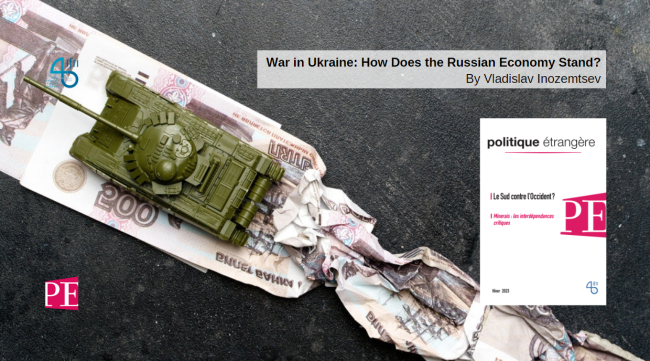
The Russian economy is weathering the war and Western sanctions: it has maintained its exports, its business sector has shown marked dynamism, and the population is managing in part thanks to state spending.
COP28: Daunting Stakes and Pivotal Decisions on the Table
The UN climate conference in Dubai faces a moment of troubled geopolitical agenda lowering the focus on the climate emergency, but natural ecosystems will not wait for human decisions. A challenging test for the survival of diplomacy.
COP28: A Tale of Money, Fossil Fuels, and Divisions
“Humanity has opened the gates of hell”, said the UN Secretary General Antonio Guterres during the Climate Ambition Summit, in New York, in September 2023, three months before COP28. The sense of urgency that he conveyed seems shared across the international community.
Impossible Decoupling, Improbable Cooperation: Economic Interdependencies in the Face of Power Rivalries
Export restrictions, economic and financial sanctions, politicization of monetary and financial choices, screening of inward and outward foreign direct investments, exceptional customs duties, and state interventions in sectors deemed strategic: the political vise is tightening around international economic and financial relations.
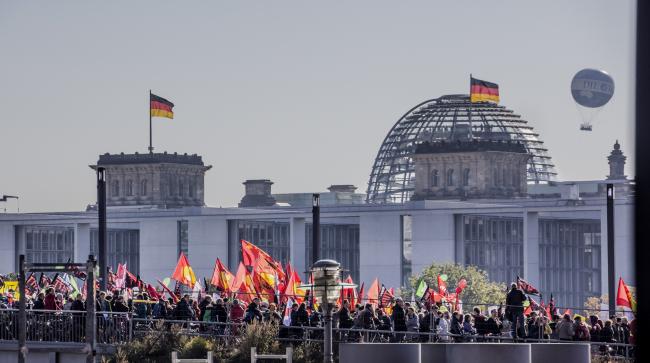
The End of a Happy Parenthesis. How the War in UkraineI Is Forcing Germany to Rethink Its Model
The period of peace, economic prosperity, and political stability that Germany has experienced since the end of the Cold War ends with the Ukrainian war. The shock wave of this conflict particularly hit its economy and thereby undermines the foundations on which Germany had based its power, its international influence and established its identity.
European Union: A Geopolitical Illusion?
The European Union (EU) is holding firm in the face of the war in Ukraine—perhaps better than expected. But what long-term effects will the war have on European institutions and policies? The institutions will need to be changed to cope with the forthcoming expansions. The EU has certainly made progress toward common industrial and technological policies. But will this dynamic do away with a conception of strategic autonomy, encompassing both diplomacy and strategy? The European Union, which will undoubtedly be a key mover of future changes for the continent, remains largely uncertain in terms of its future configurations.
Fiscal Policy in France and Germany: Insurmountable Differences?
The state of public finances in France and Germany is often compared. Germany is considered a model of rigor, through its ability to contain its deficits and generate surpluses, particularly between 2012 and 2019, thanks to the introduction into its constitution of a debt brake mechanism.
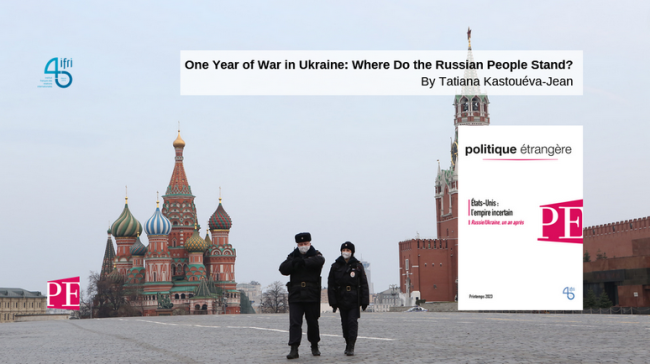
One Year of War in Ukraine: Where Do the Russian People Stand?
The overwhelming majority of the Russian population, having been fed Kremlin propaganda for years, approves of the war in Ukraine.

G20 Energy Transitions and Climate Finance Task Force Report
India is at the helm of the G20 presidency since the 1st of December 2022 for the duration of a year, with energy transition and climate finance being key topics on its agenda. In this context, the Gateway House put in place a G20 Energy Task Force to which Ifri’s Research Fellow, Diana-Paula Gherasim, participated.
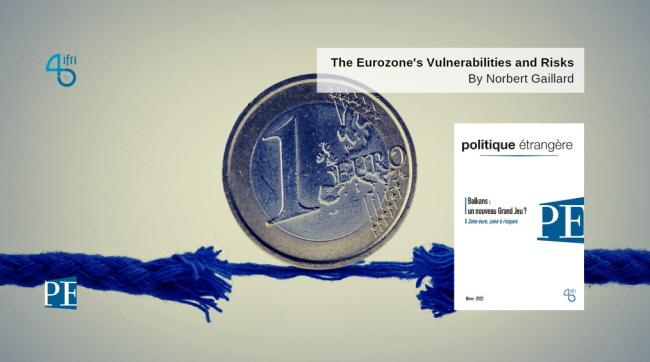
The Eurozone’s Vulnerabilities and Risks
The war in Ukraine has brought to light the European Union’s vulnerabilities.
The Balkans: A New Great Game?
What political spaces make up the Old Continent? This question is at the heart of the Ukrainian conflict.
War in Ukraine: A New World?
Beyond the tactical sphere, the conflict in Ukraine has already had numerous repercussions, and its conclusion will provoke many more in the global system. In this special issue, Politique étrangère explores some potential outcomes.
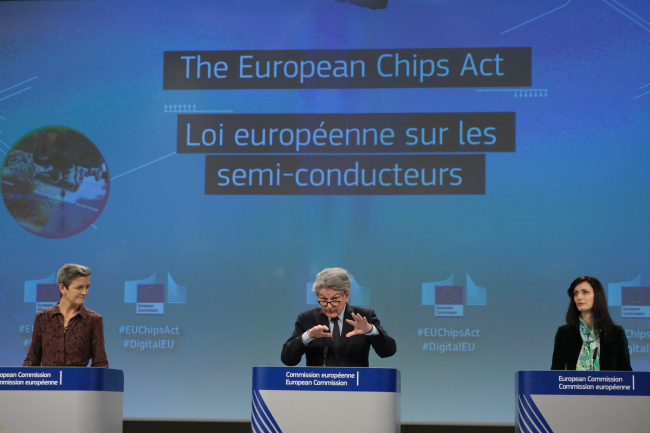
Fishing for Chips: Assessing the EU Chips Act
China, the United States, and the European Union (EU) are currently developing strategies for semiconductors aimed at financing R&D and the installation of new factories on their territories, in particular through subsidies. The EU Chips Act, announced in February 2022, represents a real break in Europe's industrial policy.
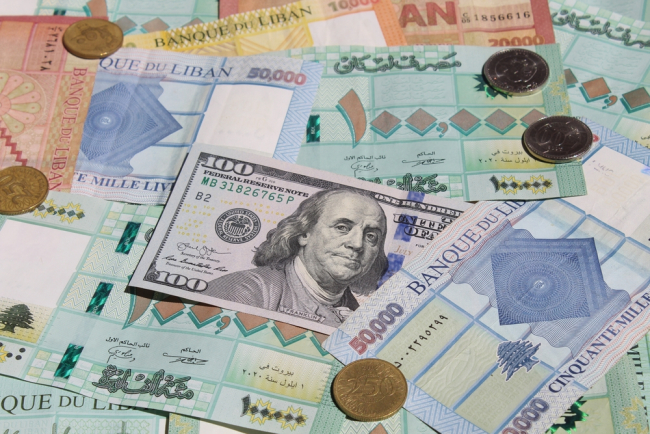
Lebanese Banking Crisis: The Systemic Workings of a Wreck
Climate: Which Way Forward?
Thirty years after Rio, the case file “Climate: Which way forward?” assesses current climate commitments, which are undoubtedly less impressive and less certain than the political pronouncements and media fanfare make them seem. A number of fundamental problems remain.
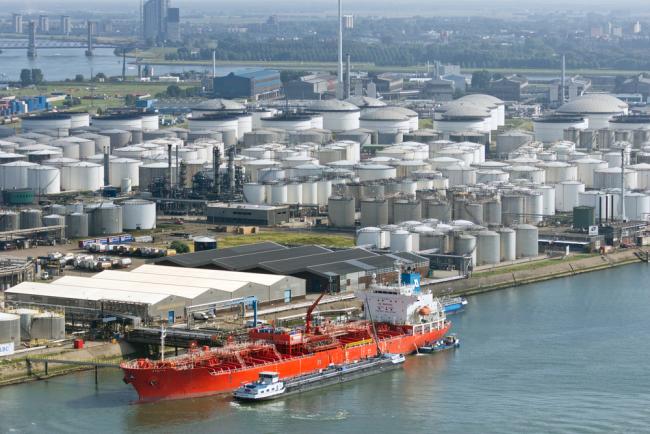
Saving Energy in a Hurry: Reducing Dependence on Russian Hydrocarbons Requires Resolute Demand and Supply Sides Action
Facing Russia’s aggression on Ukraine, European countries have enacted economic and financial sanctions against Russia.
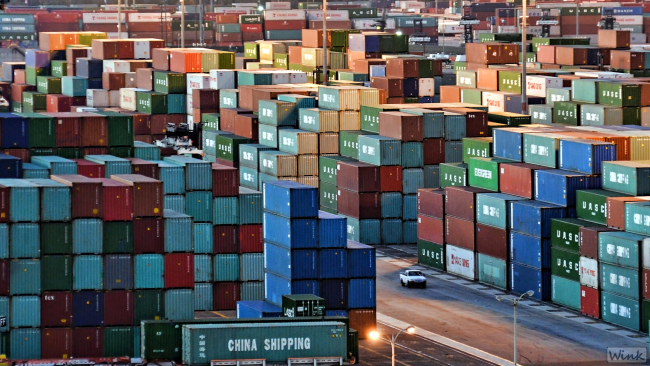
Strengthening Sovereignty in the Era of Global Value Chains
How to reduce the vulnerabilities induced by these global value chains to be more independent, while taking into account the reality of these productive processes which precisely generate interdependencies?
How Geopolitical Tensions Reshape Trade Patterns: Geoeconomic Fragmentation, or China’s Big Manufacturing Push?
A data-based analysis shows that widespread geoeconomic fragmentation of world trade is not visible, at least so far. In contrast, the geopolitically-motivated challenges to international coordination are striking, notably in relation with China's surging surplus in manufactured goods trade.

Multi-alignment and De-risking: The Global South Response to World Fragmentation
Turbulences and conflicts threaten the stability of the global order. What is the Global South’s response to these risks?
Power and Financial Interdependence
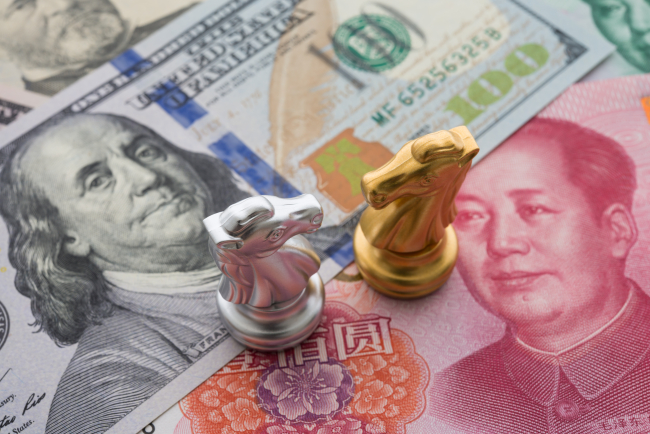
The link between financial self-reliance and geopolitical power has long been debated. The unbalanced Sino-American trade relationship has created asymmetric financial ties which generate potential sources of leverage for both parties and will not quickly disappear. Absent a clarifying major crisis, it will be difficult to definitively determine which party has greater leverage.
Why Chinese Fintechs Have Failed to Reshuffle International Finance
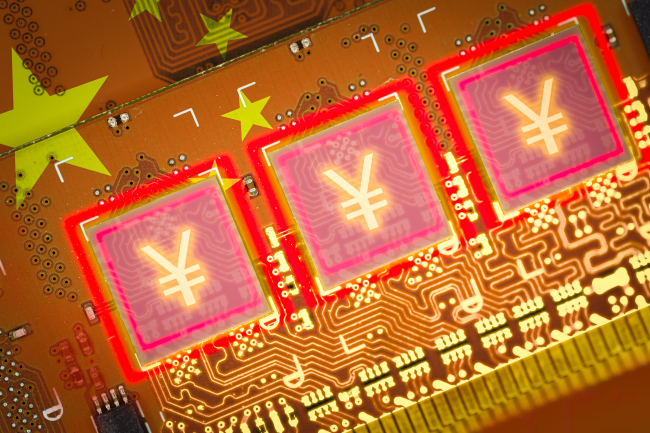
New Chinese financial technologies, including unparalleled electronic payment systems, have so far failed to threaten U.S. financial dominance.
COP28: Daunting Stakes and Pivotal Decisions on the Table
The UN climate conference in Dubai faces a moment of troubled geopolitical agenda lowering the focus on the climate emergency, but natural ecosystems will not wait for human decisions. A challenging test for the survival of diplomacy.
COP28: A Tale of Money, Fossil Fuels, and Divisions
“Humanity has opened the gates of hell”, said the UN Secretary General Antonio Guterres during the Climate Ambition Summit, in New York, in September 2023, three months before COP28. The sense of urgency that he conveyed seems shared across the international community.
G20 Energy Transitions and Climate Finance Task Force Report
India is at the helm of the G20 presidency since the 1st of December 2022 for the duration of a year, with energy transition and climate finance being key topics on its agenda. In this context, the Gateway House put in place a G20 Energy Task Force to which Ifri’s Research Fellow, Diana-Paula Gherasim, participated.
Fishing for Chips: Assessing the EU Chips Act
China, the United States, and the European Union (EU) are currently developing strategies for semiconductors aimed at financing R&D and the installation of new factories on their territories, in particular through subsidies. The EU Chips Act, announced in February 2022, represents a real break in Europe's industrial policy.
Strengthening Sovereignty in the Era of Global Value Chains
How to reduce the vulnerabilities induced by these global value chains to be more independent, while taking into account the reality of these productive processes which precisely generate interdependencies?
Europe in the Geopolitics of Technology: Connecting the Internal and External Dimensions
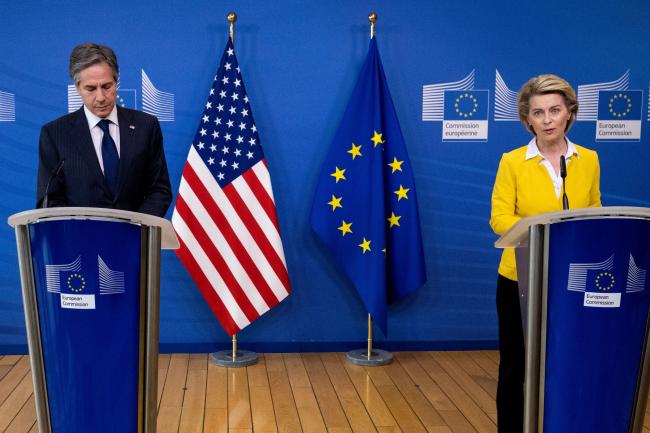
To respond to growing global competition, the EU has made notable progress on the internal dimension of technology policy over the past 3 years. It is now also seeking to adapt its foreign policy – from the transatlantic relationship to global partnerships – to technological challenges.
Ifri, a foundation recognized as being of public utility, relies largely on private donors – companies and individuals – to guarantee its sustainability and intellectual independence. Through their funding, donors help maintain the Institute's position among the world's leading think tanks. By benefiting from an internationally recognized network and expertise, donors refine their understanding of geopolitical risk and its consequences on global politics and the economy. In 2026, Ifri partners with over 90 French and international companies and organizations.


To analyze the impact of power rivalries and tensions on globalization, this initiative combines economic and political expertise. In the face of growing geopolitical risk, the goal is to decipher the dynamics of reconfiguration: protectionist pressures, sanctions, restrictions, industrial policies, and economic security concerns are redefining the rules of international trade. These tensions are also transforming international financial relations by undermining the foundations of trust and reshaping the global monetary system. They raise questions about the role of several key players: sovereign wealth funds, central banks, digital platforms, multilateral institutions, and financial infrastructure operators. In a context of profound disruption, simply refining existing approaches is no longer sufficient. The initiative is designed as a flexible model, drawing on diverse expertise to offer both broad overviews and targeted analyses. It also provides a platform for stakeholders and experts from various backgrounds to debate these issues freely.