





Environment
Combating environmental degradation and preserving forests and oceans are among the prerequisites for achieving climate neutrality, and have become major governance issues.
Related Subjects



Renewables bringing down the cost of clean energy
Article published in Nikkei Asian Review


China’s Difficult, but Necessary Bet on Climate
While China may be setting the bar high for itself in it's commitments for the COP21 climate negotiations this December, these ultimately serve to foster necessary progress on environmental issues and economic reforms at home.
India’s Approach to Climate Negotiations: From the South to the North?
India’s approach to climate negotiations results from the interplay of two distinct logics, an external one and an internal one. While the external logic is derived from quantitative attributes at the aggregate level, such as the overall size of India’s economy, the internal logic is derived from qualitative attributes at the individual level such as per person incomes and productivity. For three decades, from the early 1970s to the early 2000s, India’s internal and external logics overlapped.
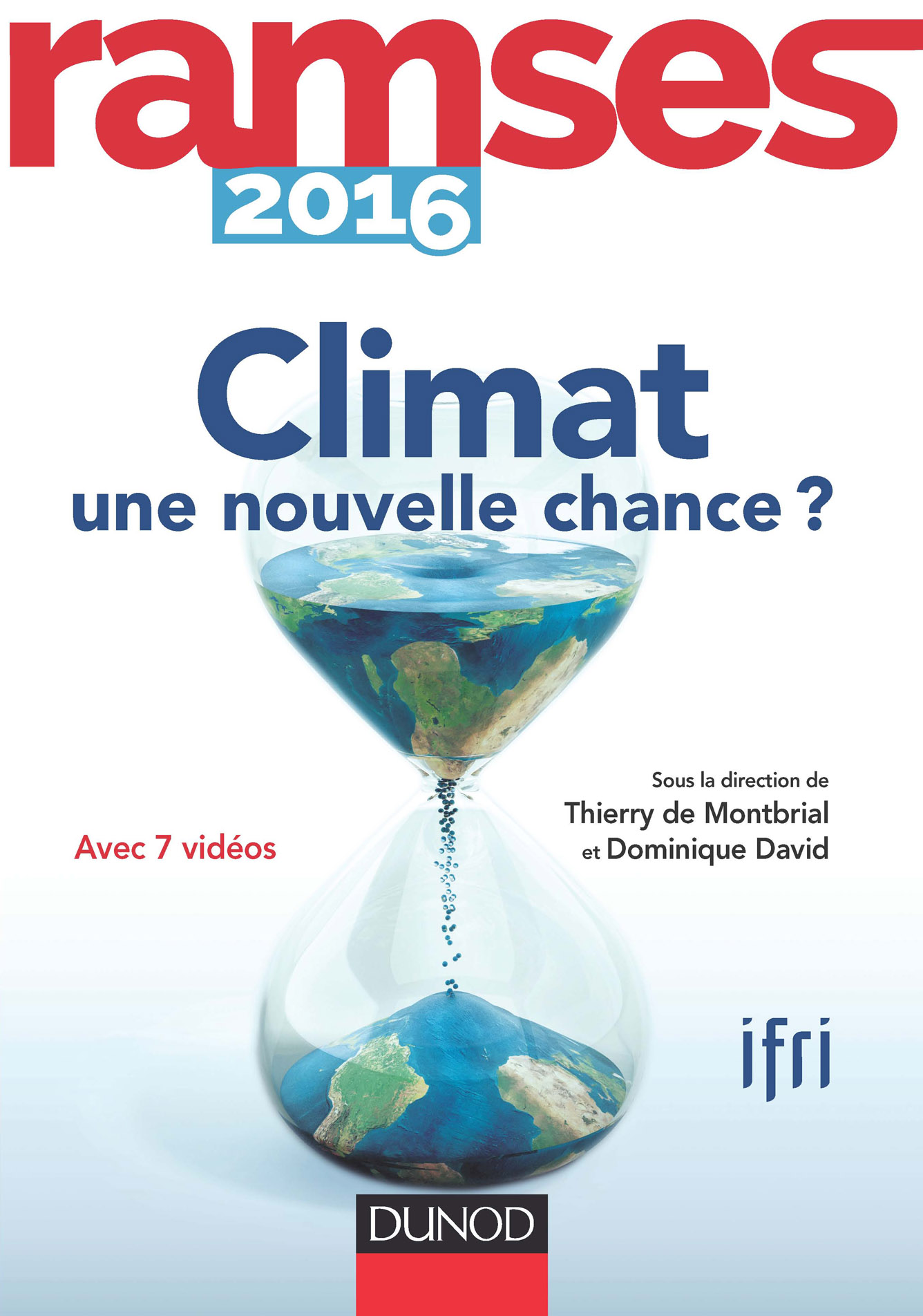
RAMSES 2016. Climat : une nouvelle chance ?
Written by Ifri's research team and its network of associates, the new RAMSES 2016 analyses geopolitics on a worldwide scale. The major theme of this 34th edition is Climate: A new chance? In addition, RAMSES 2016 tackles the insertion of Africa in globalization and the uncertainties of democracy today in post-industrial societies, but also in the South.
The Paris Agreement. Article from "RAMSES 2016"
To avoid the pitfalls of historic divisions, climate negotiators decided to go down the self-differentiation route and leave legal matters to be resolved during the last steps of the process. The national contributions drafted by each party provide a robust basis for discussion, but we still need to ensure that these are appropriate and also monitor their implementation. The credibility of the Paris Agreement will be determined by these final procedural trade-offs.
Adapting to the Effects of Global Warming. Article from "RAMSES 2016"
Adaptation issues started to gain momentum from the Copenhagen conference in 2009. Up until then, international negotiations had focused on mitigation policies. However, the increase in weather events and the inadequate efforts to hold back global warming now make adaptation a key issue in discussions around the Paris agreement.
Is Natural Gas Green Enough for the Environment and Energy Policies?
Editor: Deborah Sherwood, published by Clingendael International Energy Program (CIEP) and Institut français des relations internationales (Ifri)
COP21: What Are the Odds for Success?
Since Copenhagen, negotiations have been in stalemate. Progress can only be made if there is a significant attempt to create a transnational carbon market.
Climate: Injustice for the South
While climate change is already producing devastating effects, climate negotiations so far have been largely unsuccessful.
Japan's Energy and Climate Policy: Towards Dispelling the Uncertainties
Four years after the Great East Japan Earthquake and a few months before the opening of the Paris Climate Conference, Japan is about to clarify its energy and climate policy.

Oil Giants Band Together to add Voice to Climate Debate
Europe’s largest oil companies are banding together to forge a joint strategy on climate-change policy, alarmed they’ll be ignored as the world works toward a historic deal limiting greenhouse gases.
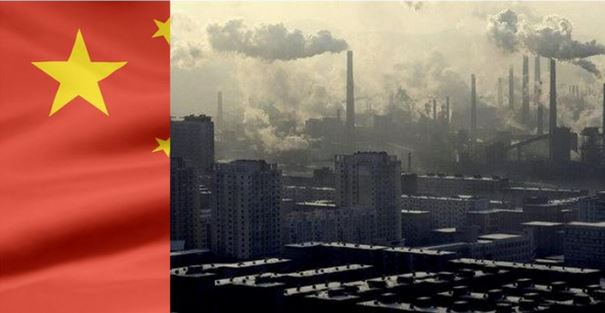
China's Coming of Age on Climate Change: Just in time for Paris?
The upcoming Paris climate conference (COP21) is opening the door to a new post-2020 climate regime in which China and other large emitters will have to provide strong evidence of their domestic efforts in addressing global warming in the next century.
Road to Paris: What Would Be a Successful Outcome for COP21?
Eight months before the opening of the Paris climate conference (COP21), it can be reasonably argued that a global climate agreement is now within reach.
From 2020 to 2030, from Copenhagen to Paris: a mindset change for the European Climate Policy?
The European Councils of March 2007 and October 2014 have defined the major guidelines of the European climate policy for the 2010-2020 and 2020-2030 decades. These commitments have then been used as negotiation roadmaps for two major conferences on climate held under the United-Nations umbrella, in Copenhagen in 2009 and in Paris in December 2015. In both cases, the aim was, and still is, to reach a global agreement to take over the Kyoto Protocol. The first one was a failure for the European diplomacy and all hopes are now placed in the second, which may well be the last chance for the international climate talks.
Russia and Global Climate Politics
Russia, as the fourth largest greenhouse-gas emitter in the world, and a major supplier of fossil fuels causing these emissions, played a decisive role in the enforcement of the Kyoto Protocol, the main instrument of global climate policy so far.

The Digital Tsunami. Natural Disasters Management in the Age of Social Media
Social media enable new means of natural disasters management. It is now easier to locate victims, to find shelters, or to coordinate humanitarian aid. Prevention has also become more efficient. From now on, this tool will be more and more present in the field of natural disasters management; however, it also poses some risks because of its open nature, which makes control more difficult.
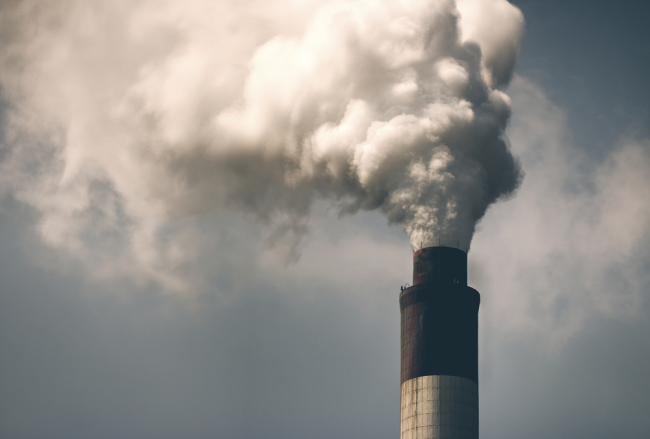
Coal and Climate Change: the "Chinese Way" ?
This article, issued after Asia Center and ASEF's international conference on coal issues in China (26th and 27th of June 2014 in Beijing), tackles the challenges the country is facing in restructuring its coal industry, in a context of severe and recurrent air, soil and water pollution outbursts.
The Vegetation Programme
Under human pressure, many changes are taking place in the resources and the environment of Earth. An increasing global population fuels the need for food, natural resources and land. Consequently, the need for maintaining a capacity to observe and understand the Earth system and the biophysical processes has become a key element for the sustainable management of the planet’s natural resources. The SPOT-Vegetation instruments have significantly contributed to reach this goal.
What Role for the EU in Doha?
Historical leader of the fight against climate change, the European Union’s influence declined in Copenhagen. This opened the way to the so-called BASIC countries to show their willingness to become a driving force in the international climate agenda. Interestingly enough, the Copenhagen conference also introduced a welcome shift in the traditional UN separation between developed and non-developed countries.
Ifri, a foundation recognized as being of public utility, relies largely on private donors – companies and individuals – to guarantee its sustainability and intellectual independence. Through their funding, donors help maintain the Institute's position among the world's leading think tanks. By benefiting from an internationally recognized network and expertise, donors refine their understanding of geopolitical risk and its consequences on global politics and the economy. In 2026, Ifri partners with over 90 French and international companies and organizations.
