





Environment
Combating environmental degradation and preserving forests and oceans are among the prerequisites for achieving climate neutrality, and have become major governance issues.
Related Subjects


The Politics of New Cities: Diversification of Actors and Recentralization of State Power in the Case of Diamniadio
The construction of new cities on the African continent is in vogue. From multifunctional urban hubs to eco-districts, the images that accompany the announcement of these projects promote an African urban future based on modernity and technology.
The European Green Deal Three Years On: Acceleration, Erosion, Fragmentation?
The European Green Deal (EGD) is the single most defining policy initiative of the von der Leyen Commission. Since its publication in December 2019, it has become the European Union’s (EU) new raison d’être: protecting the planet and Europeans from environmental degradation, through a holistic approach to the energy transition, while promoting sustainable growth and a just transition with no social group or territory left behind.
European Green Deal, Three Years Later
The European Green Deal (EGD) is the single most defining policy initiative of the Von der Leyen Commission. Since its publication in December 2019, it has become the European Union’s (EU) new raison d’être.

COP27: Will Egypt Bring New Life to Climate Conferences?
The COP26, held at the end of 2021 in Glasgow, was emphatically heralded as “the last best hope for the world to get its act together”.
A Green-Blue Alliance in Motion: Pacific Island Countries and Europe Fighting Climate Change
The Pacific Islands Countries (PICs) were the first to ratify the Paris climate agreement in 2015. Indeed, for them, climate change has had very concrete implications for years. Islanders have seen the sea level rising, endangering the very existence of atolls. They have also experienced increasingly violent cyclones and other natural disasters, and must deal with multiple impacts of a changing climate on their everyday lives
The EU’s Power System by 2030: Navigating the Crisis and Keeping the Decarbonization Cap (video)
Replay from Ifri's conference at the European Parliament in Brussels (October 11, 2022). The combination of the climate crisis and Russia’s war in Ukraine makes the case for a much faster transition to a fully decarbonized power system.
Chinese Influences in Africa 2. Myths and Realities in Economic Relations
China and Africa share a strong relationship since the wave of African independences in the 1960s. Nevertheless, China-Africa trade has experienced an unprecedented surge since the late 1990s and has been accompanied by the rise of a discourse of "win-win" partnership between China and Africa.
The Geopolitics of Seawater Desalination
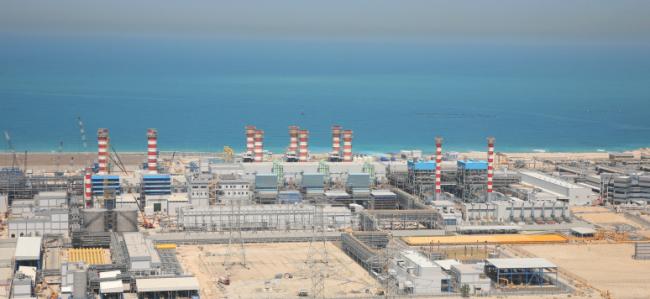
Water desalination is gradually emerging as the leading solution to cope with increasing water stress: i.e., the imbalance between water demand and quantities available. The United Nations estimates that by 2025, two-thirds of the world’s population will be affected by such challenges. The causes of water scarcity are multiple, including climate change, intensive agriculture, and population growth. This requires states to rethink their water policies, which are central to preserving their stability, resilience and sovereignty.
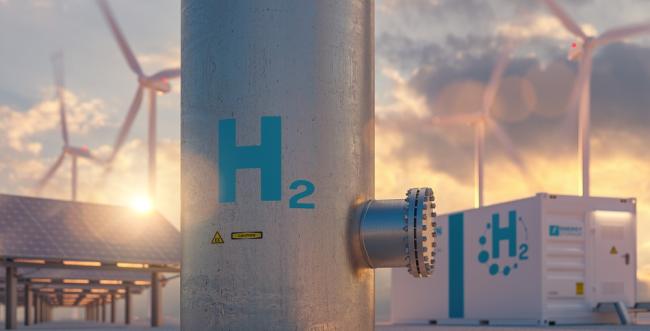
A Guide to Solve EU’s Hydrogen Dilemmas
Facing multiple crises, the European Commission (EC), backed by European Union (EU) Member States, has embarked on a pathway to accelerate the decarbonization of the EU energy system, while fostering its resilience and accelerating the roll out of hydrogen and derivative by-products.

War in Ukraine: A New World?
Beyond the tactical sphere, the conflict in Ukraine has already had numerous repercussions, and its conclusion will provoke many more in the global system. In this special issue, Politique étrangère explores some potential outcomes.
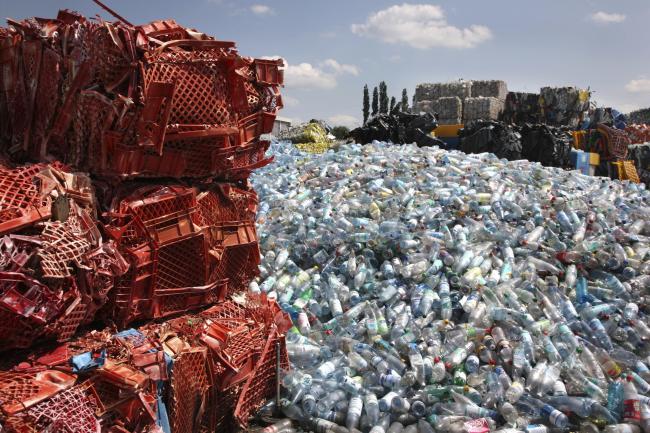
Five Years after China’s Plastic Import Ban: Have Europeans Taken Responsibility?
After the 2017 Chinese waste import ban, the international and European Union (EU) legislative framework on waste exports has been revised.

Moving towards a metallic age: building industry resilience through a strategic storage mechanism for Rare Earth Metals
The decarbonisation of our economies, along with the challenges of strengthening the resilience of industrial value chains, reindustrialisation, notably through low-carbon and digital technologies, and the end of a period of cheap oil and gas, are accelerating the advent of an era of increased dependence on metals in a context of new and growing competition for access to resources.

Arctic: Toward the End of the Exception? Strategic, Nuclear and Maritime Issues in the Region
Through multiple international initiatives, including the creation of the Arctic Council at the end of the Cold War in 1996, the Arctic appears to be one of the last areas of peaceful cooperation in the world. This “Arctic exception” is also devoid of any serious territorial dispute between the neighboring countries, some of which are nevertheless great powers: Russia, the United States, Canada, but also Sweden, Norway, Denmark (via Greenland), Iceland and Finland.

Two Shades of Blue: Europe and the Pacific Islands, Strategic Partners in the Indo-Pacific Era
In recent years, France and the European Union (EU) have published their respective Indo-Pacific strategies and a Ministerial Forum was held in Paris on February 22, 2022, bringing together over 60 foreign affairs ministers from European and Pacific Island countries.
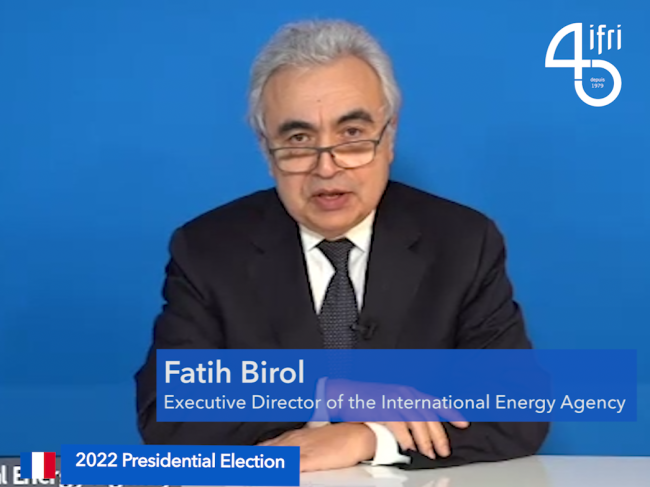
Energy & Climate Policies of France Going Forward
Fatih Birol, Executive Director of the International Energy Agency (IEA), makes 5 key recommendations for the future of French energy & climate policies to foster energy security and achieve climate objectives:
Sino-American Climate Diplomacy
During COP26, Beijing and the Biden administration committed to reviving Sino-American cooperation on climate issues, in the name of their common interest in climate stability.
What Progress on the Paris Agreement on Climate Change?
At COP26, a long-term target to keep global warming below 1.5°C was set. This goal is inconsistent with the commitments that the signatory countries have made in terms of reducing their greenhouse gas emissions by 2030.
Climate: Which Way Forward?
Thirty years after Rio, the case file “Climate: Which way forward?” assesses current climate commitments, which are undoubtedly less impressive and less certain than the political pronouncements and media fanfare make them seem. A number of fundamental problems remain.
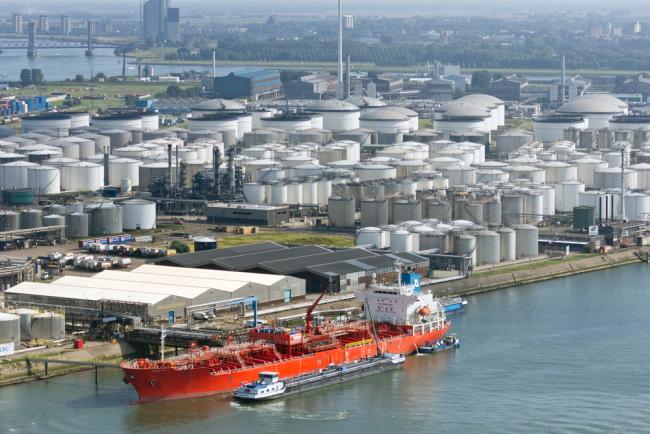
Saving Energy in a Hurry: Reducing Dependence on Russian Hydrocarbons Requires Resolute Demand and Supply Sides Action
Facing Russia’s aggression on Ukraine, European countries have enacted economic and financial sanctions against Russia.

The EU’s Carbon Border Adjustment Mechanism: A Piece in the Industry Decarbonization Puzzle
The Carbon Border Adjustment Mechanism (CBAM) is a first step toward reconciling the European Union (EU)’s climate and trade interests. However, a complementary set of domestic and external policies will be needed to drive the decarbonization of European and global energy-intensive industries.
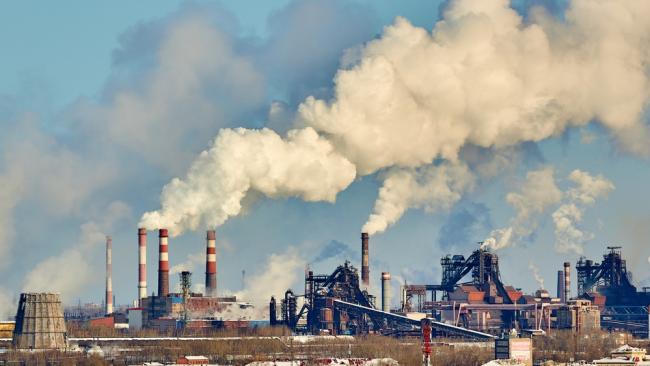
Can the Biggest Emitters Set Up a Climate Club? A Review of International Carbon Pricing Debates
The world’s largest emitting countries are reconsidering the role of carbon pricing instruments and increasingly looking at carbon border adjustment mechanisms (CBAMs) to address leakage concerns. This renewed momentum should trigger a broader discussion on how to make trade policies compatible with the climate agenda.
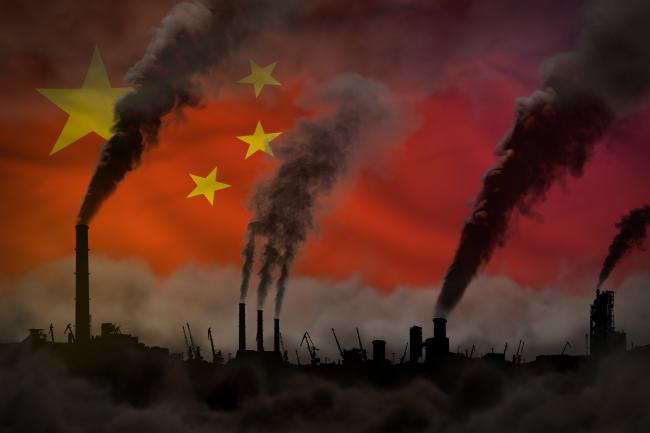
Ambitious New Climate Goals Shouldn't Let China off the Hook
Xi Jinping’s announcement of carbon neutrality is impeccably timed, but the hard part lies ahead.

South Korea’s Hydrogen Strategy and Industrial Perspectives
South Korea is a hydrogen (H2) frontrunner. The world’s first commercial fuel cell electric vehicle (FCEV) was launched by the South Korean car manufacturer Hyundai (Tucson i×35) in 2013.
POSCO Energy, South Korea’s largest private energy producer, completed the world’s largest fuel cell manufacturing plant in 2015. When President Moon took office in 2018, the new government identified H2 as a new growth engine, and pledged to turn the country into a H2 economy.
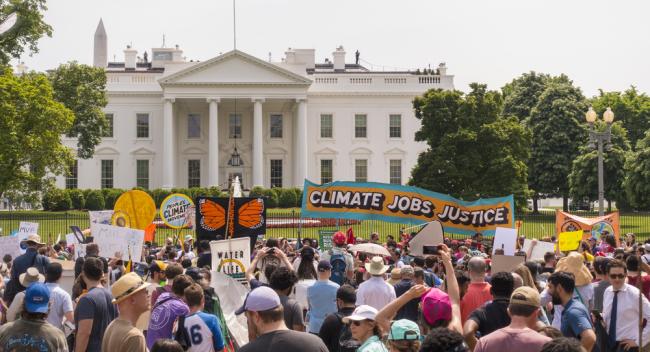
The Battle Heats Up: Climate Issues in the 2020 US Presidential Election
Environmental issues have frequently enjoyed bipartisan support in American history: the Clean Air Act was enacted in 1963 under Democratic President Johnson, and the Environmental Protection Agency (EPA) was established in 1970 under Republican President Nixon.
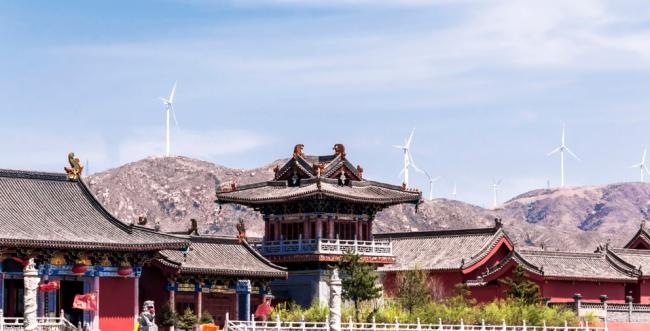
China’s Ambiguous Positions on Climate and Coal
China’s 2018 energy consumption data capture the ambiguity of Beijing’s attitude toward climate change. Energy demand rose by 3.5% to 3,155 million tonnes of oil equivalent (Mtoe), with an increase of coal consumption (though its share in the overall energy mix is decreasing) and an expected greenhouse gas (GHG) emission surge of 2.3%, to 9.5 gigatonnes (Gt) for the same year.

(De)globalization of International Plastic Waste Trade: Stakes at Play and Perspectives
The world plastic production has been multiplied by 23 since 1964 to reach 348 million tonnes (mt) in 2017. This production level is expected to double in the next 20 years, largely because of the significant growth in plastic consumption in developing countries. Today, China is the largest producer of plastics (representing nearly 30% of global production) and the European Union (EU) comes second (18.5%) with 64 mt.
Xi Jinping’s Institutional Reforms: Environment over Energy?
During its two sessions (lianghui) in March 2018, the National People’s Congress (NPC) announced China’s most important institutional reforms in the last 30 years. These changes occurred right after Xi Jinping consolidated his power and at a time when stakeholders working in the energy field were expecting more clarity on policy orientations.
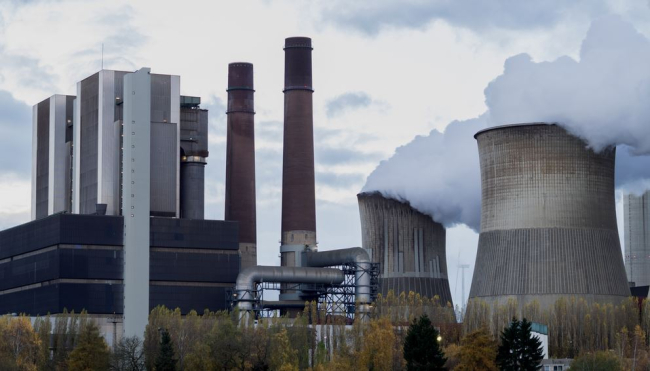
Decarbonizing Germany’s Power Sector: Ending Coal with a Carbon Floor Price?
Germany has a long tradition of climate policy programmes with ambitious greenhouse gas emission reduction targets and comprehensive climate and energy policy packages.
This target-driven policy approach is, however, increasingly facing challenges due to the lack of progress on greenhouse gas emission reductions in key sectors, i.e. the power, the transport and the building sector.

Challenge of Making Smart Cities in India
The Indian government has launched the Smart Cities Mission in June 2015 with the aim of providing a better quality of life to the citizens in 100 cities of the country. This paper describes the main features of the Mission and attempts to explain the challenges in the way forward.
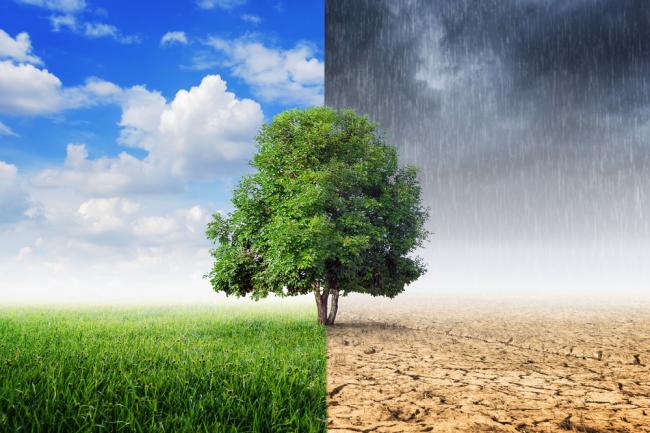
Innovation: a New Mode of Climate Action
A range of announcements of energy and climate coalitions have been made during COP21. Beyond their important diplomatic objectives, these new forms of coalitions bring scientists and industry leaders towards new long term visions of energy consumption modes.
Ifri, a foundation recognized as being of public utility, relies largely on private donors – companies and individuals – to guarantee its sustainability and intellectual independence. Through their funding, donors help maintain the Institute's position among the world's leading think tanks. By benefiting from an internationally recognized network and expertise, donors refine their understanding of geopolitical risk and its consequences on global politics and the economy. In 2026, Ifri partners with over 90 French and international companies and organizations.
