




Law and Justice
Regulating the world through law and justice is an old idea, but one that has run up against many difficulties. One growing phenomenon is the extraterritoriality of national legislation.


Europe/United States: 50 Shades of Dependence
Is Joe Biden’s United States (US) returning to multilateral, traditional diplomacy? This more open stance does not eliminate either its domestic problems or the divergence in interests separating the US from the Europeans: how will open diplomacy fit in with the priority of defending US interests? Will Washington organize a broad anti-Chinese coalition that the Europeans are opposed to? Will sanctions with their resulting effects remain at the heart of US strategy? Will the Europeans be able to assert their sovereignty in the key area of new technologies against the US giants?
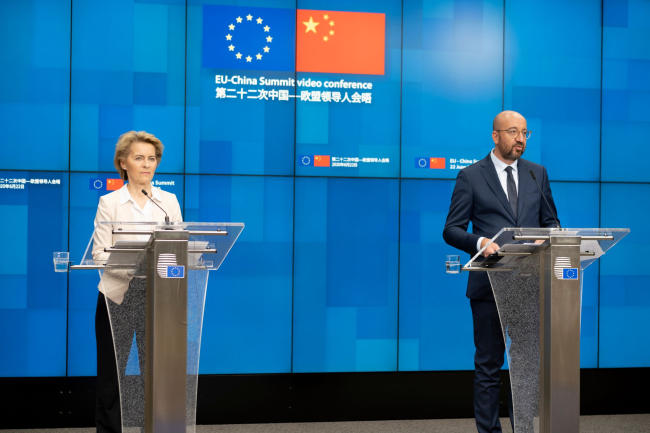
Towards a More Principled European China Policy?
Promoting political values (democracy, human rights and the rule of law) in China is a colossal undertaking, but the EU could be more effective than we think. To do so, it must act strategically, in unity, and in concert with like-minded partners. It must also strengthen its record of upholding political values and reform its procedures for foreign policy decision-making.
The Karlsruhe Court Judgment: A Thunderclap from a Clear Sky?
In its judgment of 5 May 2020, the German Federal Constitutional Court in Karlsruhe questioned the conditions under which the European Central Bank (ECB) had adopted a Public Sector Purchase Programme (PSPP), thus contradicting the position taken by the Court of Justice of the European Union in the same case.
Turkey-China Relations: Ambitions and Limits of the Economic Cooperation
At first glance, China and Turkey have many interests to cooperate. The deployment of the Chinese Belt and Road Initiative (BRI), Turkey's colossal investment and financing needs, as well as President Erdogan's mistrust of the West, appear as many converging interests. Yet economic cooperation between the two countries is struggling to achieve its full potential. Political differences persist, particularly the question of the Uyghurs.
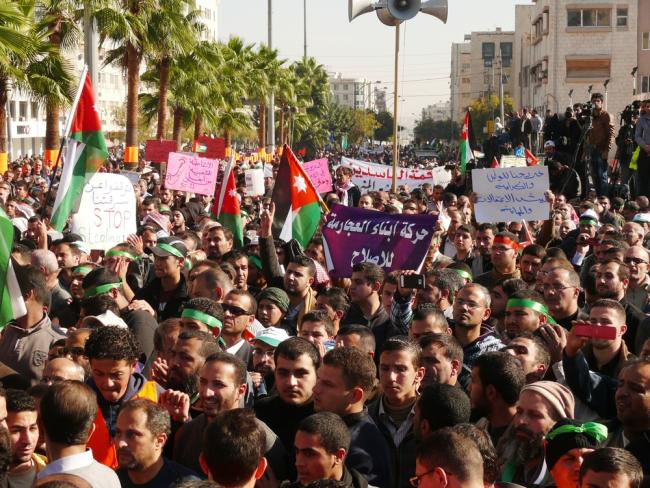
The Aborted Mobilisation of Jordan's Retired Servicemen
In the last decade, Jordan has been facing a resurgence in public discontent against harsh living conditions and the corruption of the regime.
Sanctions and the End of Trans-Atlanticism. Iran, Russia, and the Unintended Division of the West
Sanctions have become the dominant tool of statecraft of the United States and other Western states, especially the European Union, since the end of the Cold War.
New Global Challenges and European Security
In this special issue of Politique étrangère devoted to the proceedings of the conference organized by Ifri on April 10, 2019, in the Grand Amphitheater of the Sorbonne, on the occasion of its fortieth anniversary, discover the debate moderated by Nicole Gnesotto between Julian King, Jean-Marie Guéhenno, Wolfgang Ischinger, Nathalie Tocci, Hubert Védrine.
Industry Response to New Protectionism
In this special issue of Politique étrangère devoted to the proceedings of the conference organized by Ifri on April 10, 2019, in the Grand Amphitheater of the Sorbonne, on the occasion of its fortieth anniversary, discover the debate moderated by Thierry de Montbrial between Jean-Paul Agon and Patrick Pouyané.
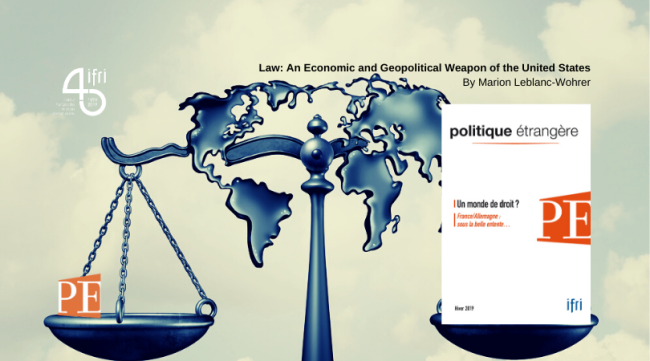
Law: An Economic and Geopolitical Weapon of the United States
From the 2000s, the United States has developed an extraterritorial legal policy that began with fighting corruption but has since broadened considerably.
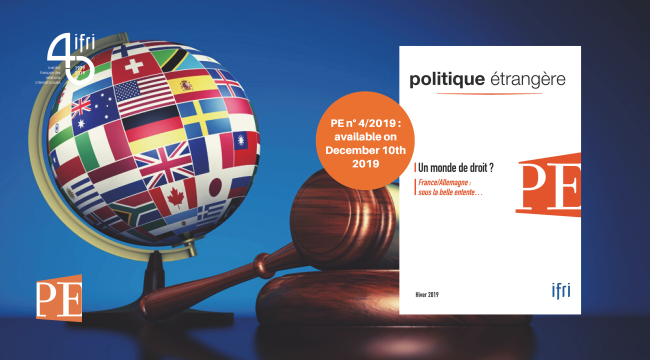
A World of Law? / France and Germany: What's Behind the Mask
What is the role of law in international relations today that increasingly seem to favour assertions of power?
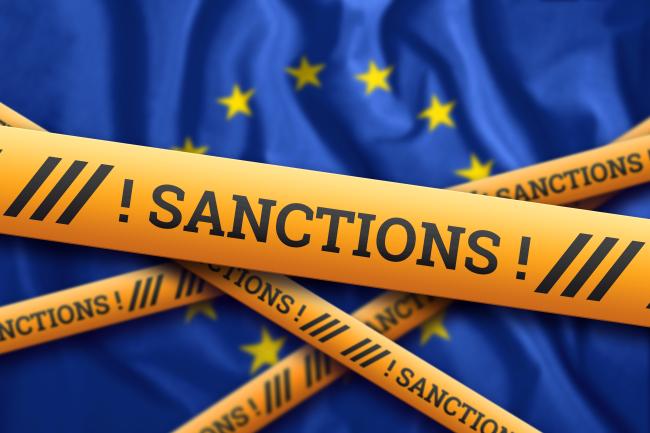
The Sanctions Policy of the European Union: Multilateral Ambitions Versus Power Politics
Restrictive measures are a major instrument of the European Union (EU)’s external action, which has emerged as one of the world’s leading sanctions emitters. The EU has thus leveraged the size of its market and its economic and financial clout (trade relations, aid policy and bilateral agreements).
The Waning of Universalism
During the 19th century, Westerners provided ideological justifications for their colonization, namely spreading the Enlightenment across the globe. This project was received favorably until the second half of the 20th century. Over the last 20 years, it has met new hostility. The “universal values” promoted by the West are viewed today as a form of imperialism to be opposed – especially by China, Russia and Turkey.
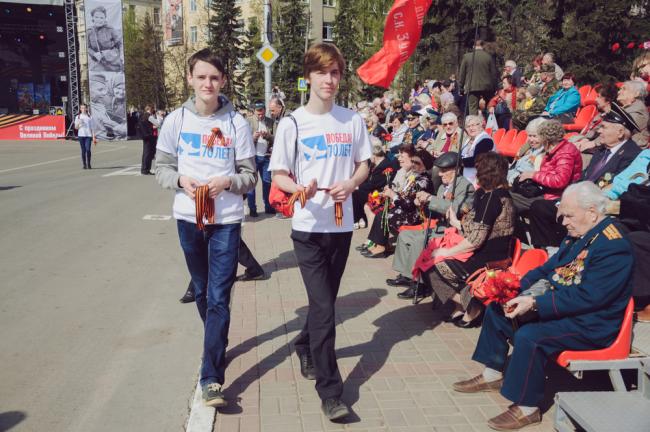
Beyond Putin: Russia’s Generations Y and Z
Of Russia’s 146 million citizens (if we include those in Crimea), 63 million—or 43 percent—are under 34 years of age. Of these, 30 million belong to Generation Y (millennials in their 20s and early 30s), 15 million belong to Gen Z (teenagers), and a further 18 million are part of the youngest generation (less than 10 years of age).
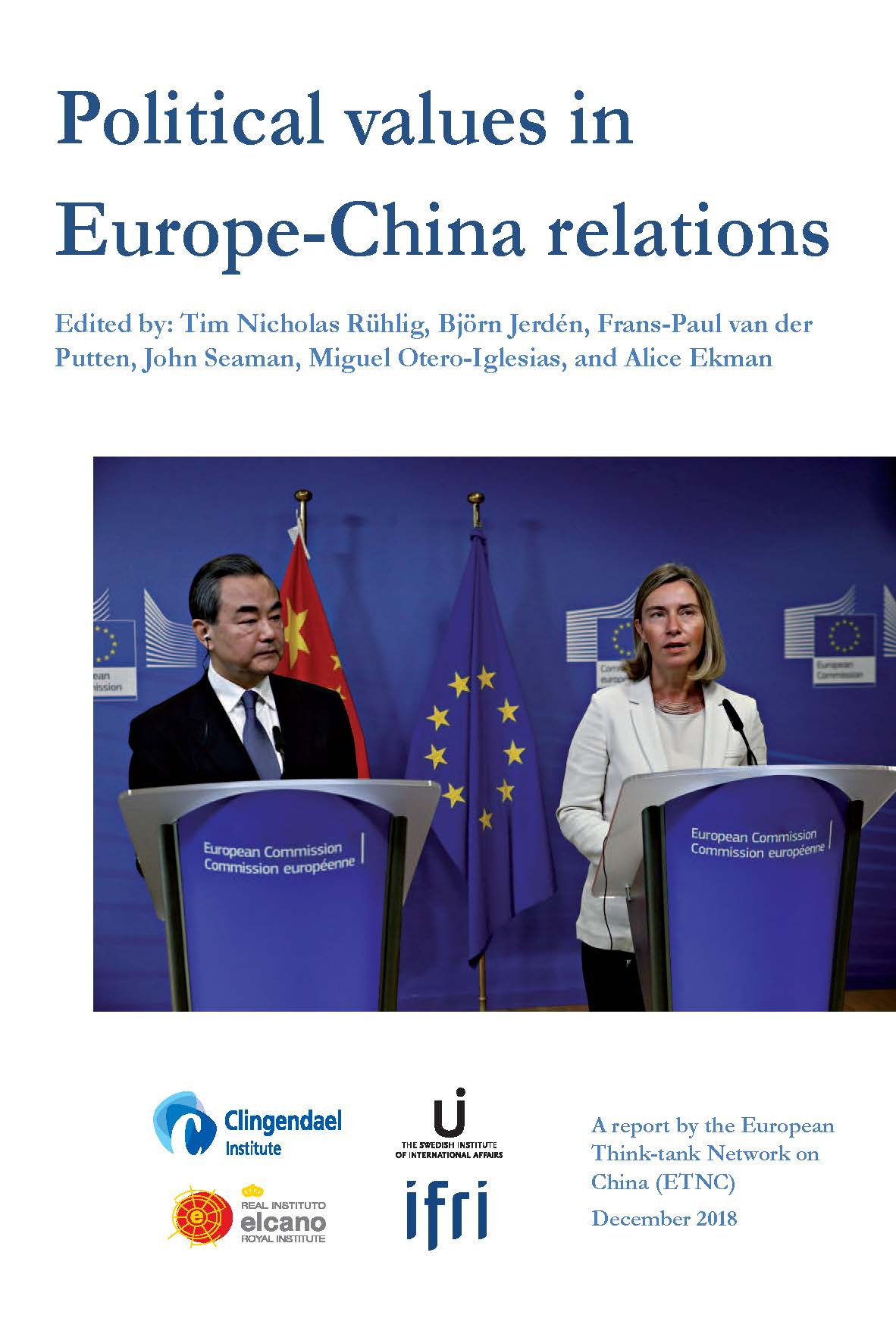
Political Values in Europe-China Relations
What role do political values play in Europe-China relations 70 years after the signing of the Universal Declaration of Human Rights?
The US Oil Embargo on Iran: A New Oil Shock?
The 14 July 2015 Vienna agreement on Iran’s nuclear activities (Joint Comprehensive Plan of Action – JCPoA) was a game changer on the geopolitics in the Middle East and for the oil market. The oil sanctions were lifted and Iran increased significantly its production and exports. On 8 May 2018, President Trump announced that the United Stated (US) would withdraw from the agreement. Financial sanctions were reintroduced. From 5 November 2018 onwards, further sanctions will be re-imposed more specifically on petroleum related transactions, including the purchase of petroleum, petroleum products and petrochemical products. What could be the impact of this new embargo? Is there a risk of a new oil supply and price shock?
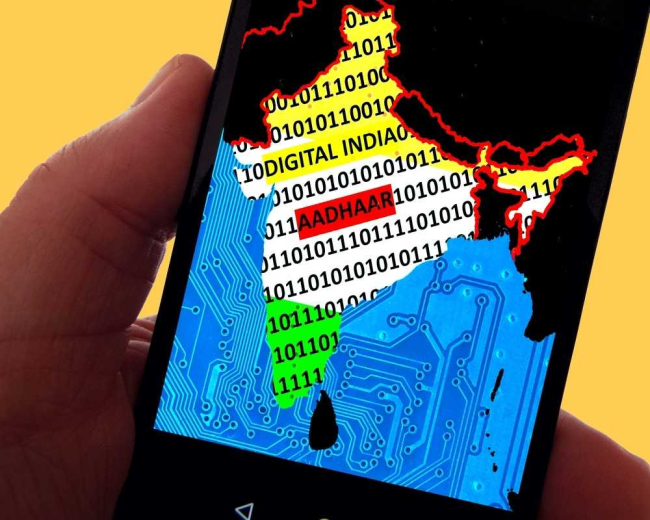
Questions of Fact: India’s Aadhaar Matter and the Limits of the Supreme Court
In September 2018, the Supreme Court of India rendered its verdict in a landmark case with major implications for the Aadhaar biometric identification project as well as the application of right to privacy in India, but the Aadhaar Matter raises important questions about the shortcomings of the Supreme Court’s practice of judicial review.
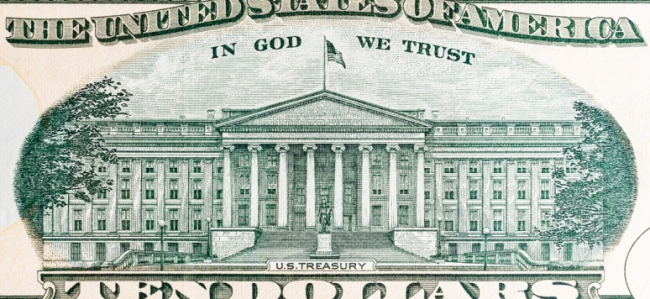
Comply or die ? Les entreprises face à l’exigence de conformité venue des États-Unis
The United States has developed a vast body of legal regulations with extraterritorial application in order to tackle corruption on the international stage and to pursue companies that do not abide by the trade embargoes demanded by U.S. foreign policy.
The legalization of cannabis in the United States, the examples of Colorado and Washington State
The use of recreational cannabis became legal in the States of Colorado and Washington in January and July 2014 respectively. The regulations, based on the examples of the tobacco and alcohol markets, intend to tackle the black market and to protect minors more efficiently. How do these two pioneering experiments inform the ongoing debate in France?
Sanctions on African countries: what impact?
What is the role of international NGOs regarding the sanctions process?
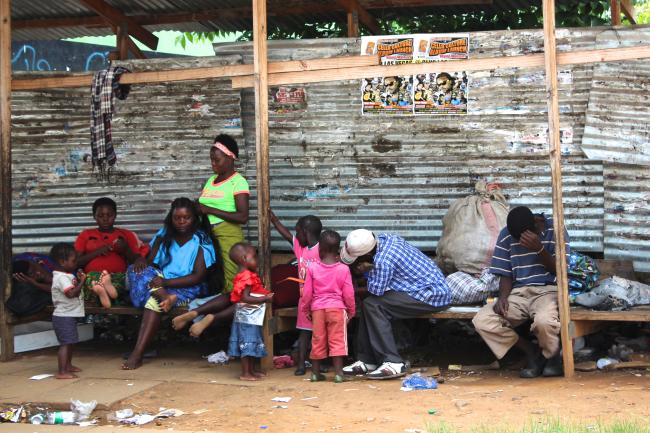
Zimbabwe in Dubious Battle: The Unexpected Consequences of Western Sanctions
The aim of this paper is to assess how an African country deals on the long run with the decline of international aid and foreign direct investment. This paper is a contribution to the debate about the effectiveness of the international sanctions system.
The US Oil Embargo on Iran: A New Oil Shock?
The 14 July 2015 Vienna agreement on Iran’s nuclear activities (Joint Comprehensive Plan of Action – JCPoA) was a game changer on the geopolitics in the Middle East and for the oil market. The oil sanctions were lifted and Iran increased significantly its production and exports. On 8 May 2018, President Trump announced that the United Stated (US) would withdraw from the agreement. Financial sanctions were reintroduced. From 5 November 2018 onwards, further sanctions will be re-imposed more specifically on petroleum related transactions, including the purchase of petroleum, petroleum products and petrochemical products. What could be the impact of this new embargo? Is there a risk of a new oil supply and price shock?
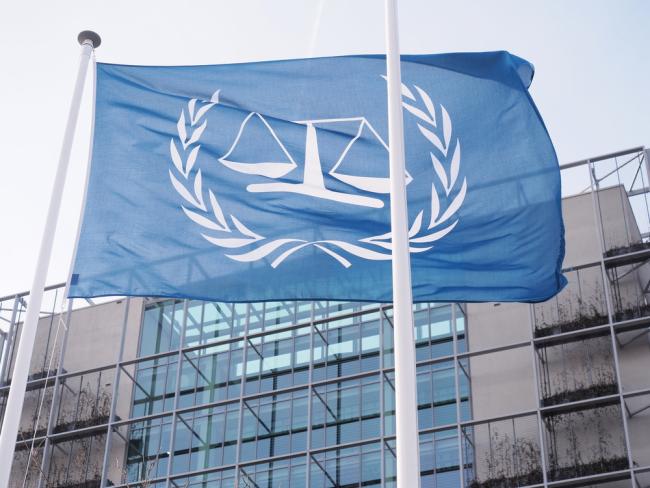
Africa and the ICC Going Forward
October 2016 presented a grim test for the fourteen-year-old International Criminal Court (ICC) as three Sub-Saharan African countries, Burundi, South Africa and Gambia announced their decision to opt out of the international judicial body.
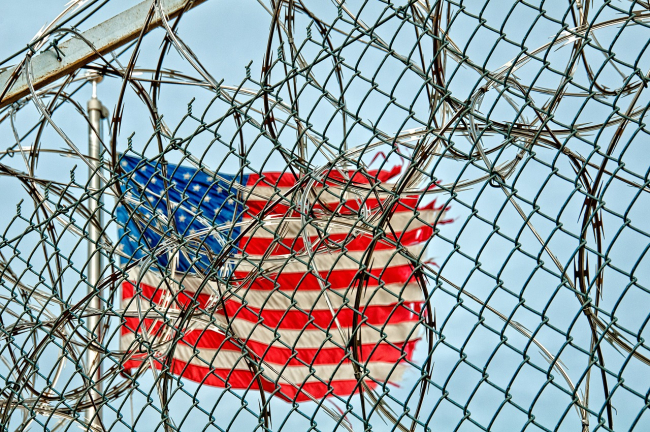
Sentencing Reform in the United States
Since the 1980's the incarceration rate in the United States has climbed to unprecedened levels. Today, the United States incarcerates a higher proportion of its population than any other country in the world. Activists have long called for sentencing reform, recognizing the criminal justice system's racial bias and failure to rehabilitate. President Obama's recent call to action propelled the debate on the issue forward at an unprecedented pace but will proposed reforms be enough to end mass incarceration ?
Fragility Factors and Reconciliation Needs in Forest Guinea
In December 2013 the first Ebola cases surfaced in Guéckedou district, near the Liberian and Sierra Leon borders in the Forest Region of Guinea. The outbreak quickly spread from Forest Guinea to the rest of the country and, through the borders, to neighbouring countries. It took three months to identify the Ebola virus as the causative agent of the burgeoning epidemic, longer for the Guinean government to understand the importance of treating the outbreak as a national emergency, and even more time for everyone involved to appreciate the great social toll of Ebola.
Raising the Costs to President Putin
-by building dissonance within. Some like to remember fondly the call by Ronald Reagan for Gorbachev “to tear down this wall”. The United States “Won the Cold War” said George Bush Senior in his State of the Union Address. We need to step back and recognize with some humility that the Soviet Union fell largely of its own weight rather than as a result of external pressure. Again today Russia is economically weak. It has become an exporter of raw materials, its industrial sector is weak, and its revenues are already falling. Conditions now offer the opportunity to aggravate Russia’s economic frailty – let’s focus on that.
Reading Rouhani Right
Poll numbers are the life blood of politics these days. Anything expressed in digits has a claim to truth that assertions without digits cannot make. They inspire confidence - especially among those aspiring to public office - that they actually understand what public sentiment is. If you lived between nuclear-armed Israel and Pakistan and had as many world class enemies as Iran has accumulated - would you give up your pursuit of a nuclear weapon?
Beyond the Arab awakening: Policies and Investments for Poverty Reduction and Food Security
This report aims to inform and stimulate the debate on key policy priorities for poverty reduction and food security in light of the Arab Awakening.
How to Create a Public Policy in a Failed State: The Challenge of Securing Land Rights in Eastern Congo
In the Democratic Republic of the Congo (DRC) 32 years of dictatorship and almost ten years of war have bled the country dry and left its administration incapable of providing the population with basic services and the government incapable of applying or even formulating public policy.
Establishing the Rule of Law: the U.N. Challenge in Kosovo
Created on the 10th July 1999 by Security Council Resolution 1244, UNMIK was responsible for restructuring the institutions of a country devastated by war and establishing democratic governance. The security of people and goods and the existence of a legal system trusted by the population were two crucial prerequisites to the state-building process.
Ifri, a foundation recognized as being of public utility, relies largely on private donors – companies and individuals – to guarantee its sustainability and intellectual independence. Through their funding, donors help maintain the Institute's position among the world's leading think tanks. By benefiting from an internationally recognized network and expertise, donors refine their understanding of geopolitical risk and its consequences on global politics and the economy. In 2026, Ifri partners with over 90 French and international companies and organizations.
