




Political Systems
At the end of the Cold War, the idea spread that liberal democracy was going to take over the world. In reality, authoritarian regimes have resisted, and political systems remain varied.

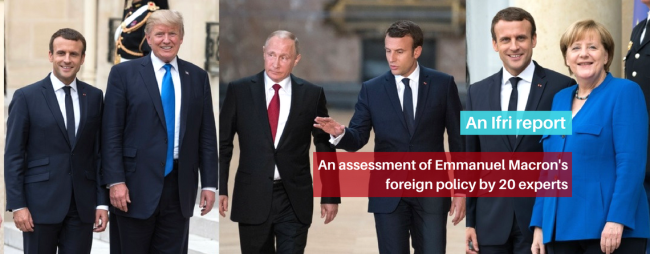
Macron, Diplomat: A New French Foreign Policy?
How can we define Emmanuel Macron’s foreign policy since he took office? After Nicolas Sarkozy’s brazen style of “gutsy diplomacy” and François Hollande’s “normal diplomacy”, the eighth president of the Fifth Republic seems to have opted for an agile classicism. In substance, he makes no claim to any radical break with the past, but sees his approach as being in line with historical tradition.
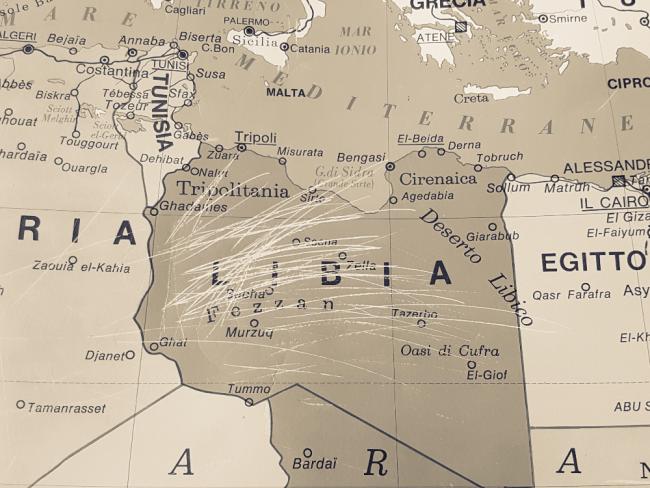
"Playing with Molecules": The Italian Approach to Libya
This paper aims to analyse the many ways in which Italy is trying to play with the many Libyan “molecules”, the different parties of a fragmented and collapsing country, and the possible implications of the strategy adopted by the Gentiloni government and its Minister of Interior, Marco Minniti, towards the country and the migratory crisis.

European Foreign Policy in 2027: Preparing for the Unexpected
What risks might the European Union be facing in 2027? Shaken by growing internal agitation as well as wider geopolitical developments, the European Union (EU) needs to redefine its role on the world scene while strengthening its core project. Integration has taken place on all levels and risks are therefore increasingly a concern to the Union as a whole.
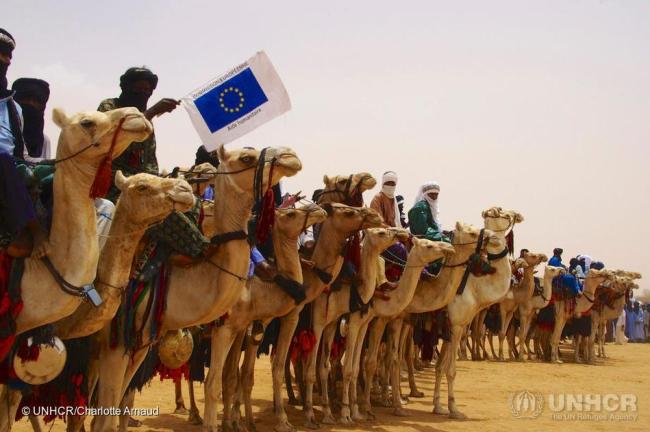
European Union Partnerships with African Countries on Migration: A Common Issue with Conflicting Interests
Since 2015 and the refugee crisis, the dialogue between the European Union (EU) and African countries on migration issues has assumed a new intensity.
Middle Eastern States: Crisis and Comeback
The Arab Spring has shaken dysfunctional states that were built upon the recurrent use of violence.
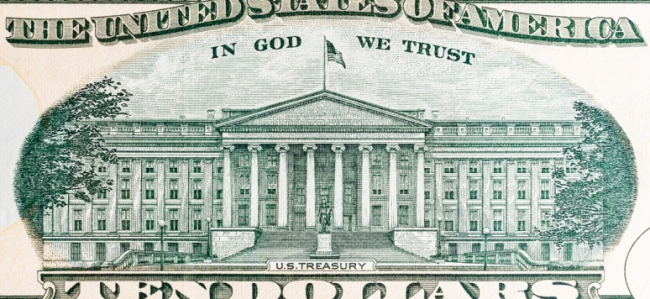
Comply or die ? Les entreprises face à l’exigence de conformité venue des États-Unis
The United States has developed a vast body of legal regulations with extraterritorial application in order to tackle corruption on the international stage and to pursue companies that do not abide by the trade embargoes demanded by U.S. foreign policy.
A Second Wind for States?
With globalization weakening their borders and their sovereignty, are states now marginalized on the global stage?
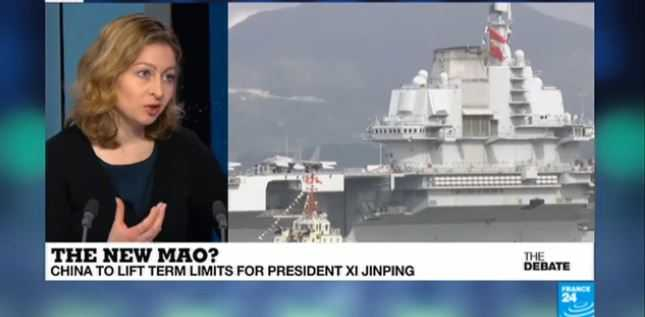
The new Mao? China to lift term limits for President Xi Jinping
Does China now have a president for life? China's leader Xi Jinping could stay in power indefinitely following the ruling Communist Party's proposal to scrap term limits.
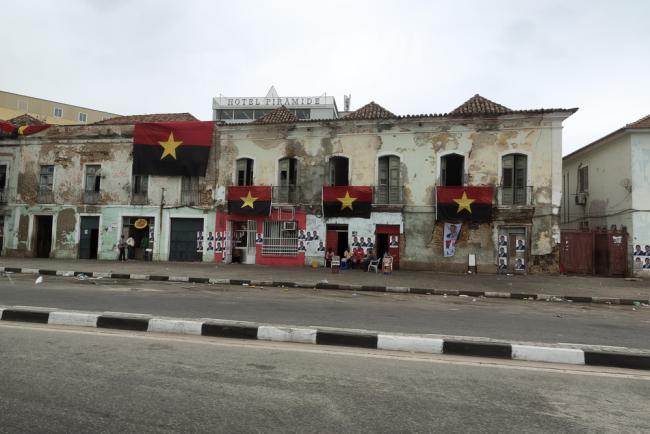
Angola under Lourenço. Towards a Negotiated Hegemony
In a matter of months, Luanda politics became unrecognizable. The reasons why, and the ways in which, João Lourenço, President of Angola since september 2017, proceeded to these substantial and unexpected changes will be analyzed in detail in the pages that follow.
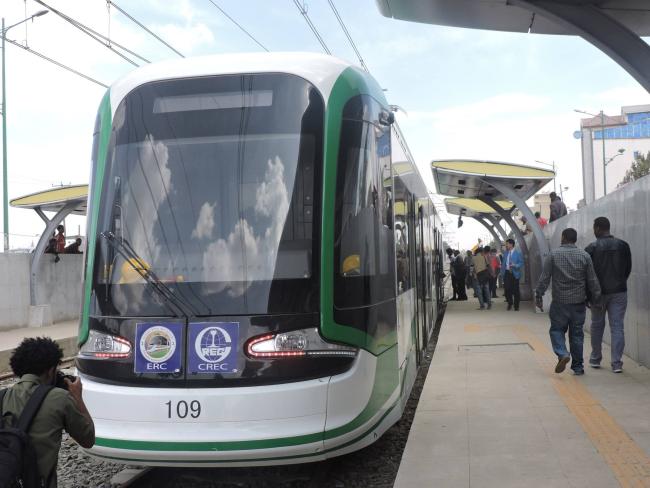
The Challenge of Urban Mobility. A Case Study of Addis Ababa Light Rail, Ethiopia
In September 2015, Addis Ababa introduced the first Light Rail Transit system (LRT) in sub-Saharan Africa. This tram, a symbol of Ethiopian renewal, was nevertheless barely used by the capital’s residents during the first few months. However, at the time of our research trip in April 2017, access to the tram during rush hour was difficult and the trams were overcrowded.
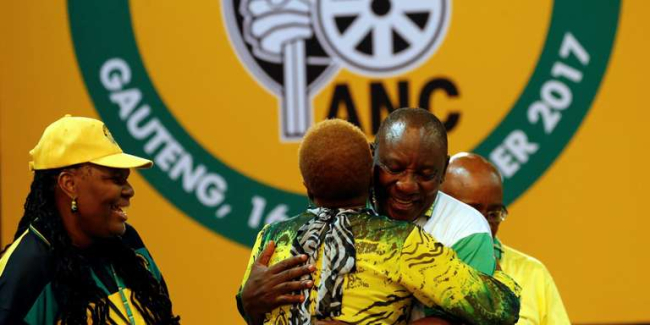
Day zero for Zuma? South Africa's president negotiates departure
It's a watershed moment for South Africa and the party of Nelson Mandela. The leadership of the African National Congress is expected to force out Jacob Zuma. Will the president go quietly? Can he negotiate a deal in the face of long-looming corruption allegations?
Democracy in Asia: Models, Trends and Geopolitical Implications
Assessing the state of democracy in Asia is a challenge. While some countries, such as Japan and India, have been showing the way from early days, some others, such as in Southeast Asia are still struggling to ensure stable and sustainable democratic institutions and practices.
Chinese Think Tanks: Ambitions and Contradictions
Since Xi Jinping became president of China, the number of think tanks has considerably increased.

What Is a Good Security Sector Reform?
For about 20 years, security sector reform (SSR) has emerged as an essential tool for crisis recovery and reconstructing weak and failed states at the heart of the security-development continuum. It is time to take stock of the lessons learnt about SSR and to offer an analysis of good practices and the lessons learned from these experiences.
Jeffrey GOLDBERG - Trump: One Year After The Election
3 questions to Jeffrey GOLDBERG, Editor in Chief, The Atlantic
Karlyn BOWMAN - Trump: One Year After The Election
3 questions to Karlyn BOWMAN, Senior Fellow, American Entreprise Institute
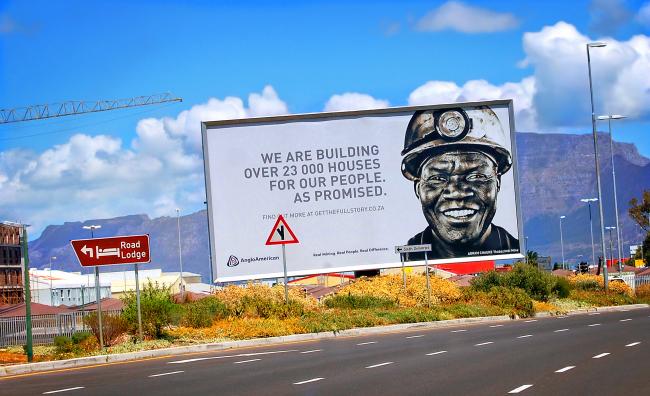
Is South Africa at Risk? A Political Economy Analysis
The President, Jacob Zuma, replaced his respected Minister of Finance, Pravin Gordhan, on the 30th March 2017. It was the second attempt in two years (this time successful) to put an official in this key position who is "acquiescent" to the president's projects.
Russia's election interference has undermined American democracy
In January 2017, U.S. intelligence agencies confirmed that Russia had indeed attempted to interfere with the 2016 U.S. election campaign. This effort took two forms: on the one hand, beginning in the Summer of 2016, the hacking and publication of the Democratic National Committee (DNC) emails, in order to hurt the Democratic candidacy; and on the other hand, an aggressive communication campaign aimed at disrupting the electoral process in favor of Donald Trump.
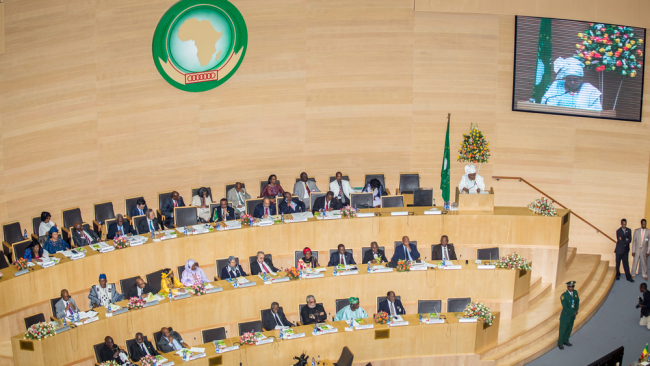
Democracy in Africa: Reversing Backsliding after Ten Years of the African Charter on Democracy
Between 15-21 November 2017, a day short of one week, Africa’s second longest-serving leader, President Robert Mugabe of Zimbabwe was forced out of office through a spectacular coup d’État. The collapse of Mugabe is hardly surprising, with the country having experienced close to two decades of democratic backsliding.
Saving the Liberal Order from Itself
The election of Donald Trump is a symptom of a general crisis in international liberal order.
Ifri, a foundation recognized as being of public utility, relies largely on private donors – companies and individuals – to guarantee its sustainability and intellectual independence. Through their funding, donors help maintain the Institute's position among the world's leading think tanks. By benefiting from an internationally recognized network and expertise, donors refine their understanding of geopolitical risk and its consequences on global politics and the economy. In 2026, Ifri partners with over 90 French and international companies and organizations.
