




Defense Policy and Armed Forces
As military competition increases, nations are adapting their defense policies and transforming their armed forces. Doctrine, organization, equipment and training are key to understanding the evolution of land, air and naval forces.
Related Subjects
A “New Era”? Toward a Realignment of German Foreign Policy after the Russian Invasion of Ukraine
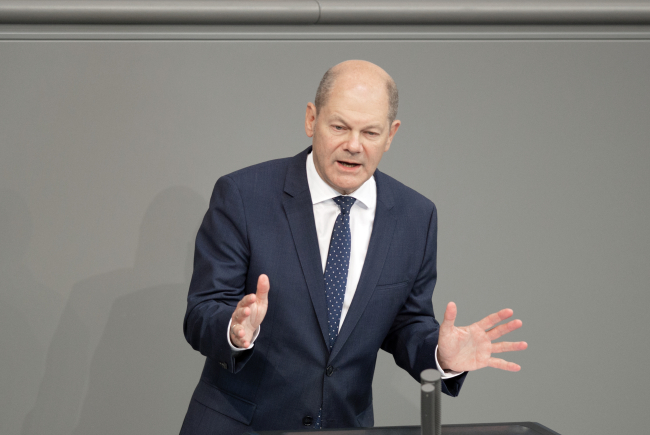
German Chancellor Olaf Scholz’s speech to the Bundestag on February 27, 2022, announced a new orientation in foreign policy and challenged the principles that had been the consensus in Germany for the past thirty years.

The French Military's Perception of the Turkish Military and Turkey's Expansion in the EastMed.
This week, Ifri, in partnership with CATS Network, is launching a series of five videos on the tensions in the Eastern Mediterranean, seen through the prism of the geopolitical rivalry between France and Turkey.
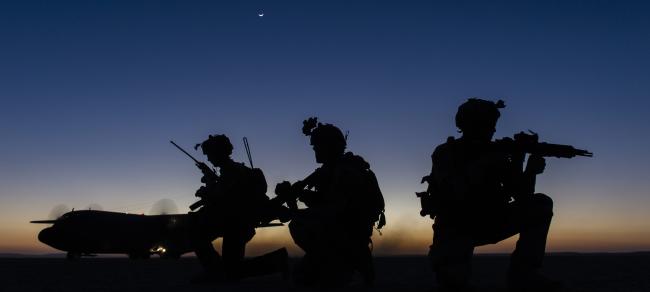
French Special Operations What Is Their Role in the Context of Great-Power Competition?
The year 2022 marks thirty years since the creation of the Commandement des operations spéciales (COS, Special Operations Command). Those three decades have been dominated by missions carried out in volatile environments, most often against irregular adversaries, primarily terrorist groups.
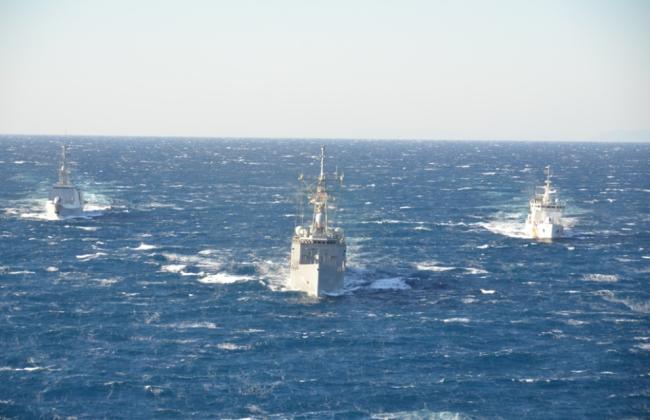
The French Military's Perception of the Turkish Military and Turkey's Expansion in the Eastern Mediterranean
In the summer of 2020, the Central and Eastern Mediterranean became the center of unusual tensions between France and Turkey. Given that these tensions were also military, which is uncommon for the two countries, the perception that the French military has of Turkey’s army and its doctrine is particularly relevant to address.

Europe/United States: 50 Shades of Dependence
Is Joe Biden’s United States (US) returning to multilateral, traditional diplomacy? This more open stance does not eliminate either its domestic problems or the divergence in interests separating the US from the Europeans: how will open diplomacy fit in with the priority of defending US interests? Will Washington organize a broad anti-Chinese coalition that the Europeans are opposed to? Will sanctions with their resulting effects remain at the heart of US strategy? Will the Europeans be able to assert their sovereignty in the key area of new technologies against the US giants?
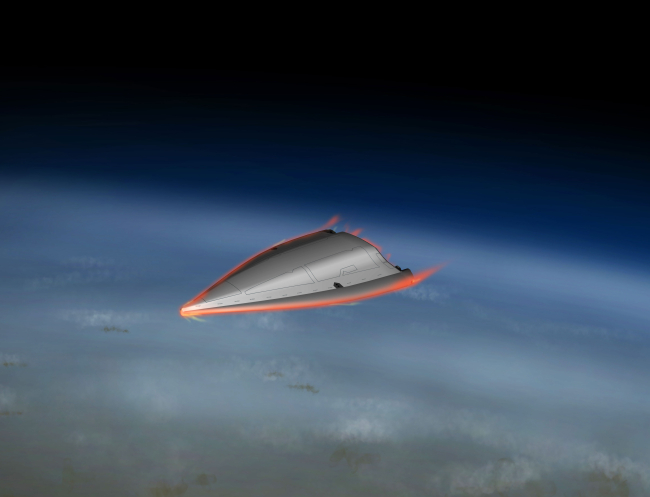
Hypersonic Weapons: What Are the Challenges for the Armed Forces?
Hypersonic systems are becoming attributes of power for the states that design and implement them, at the risk of reviving an arms race.

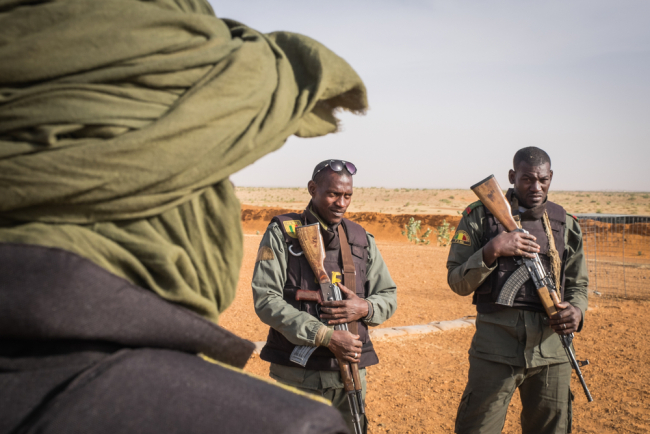
Army colonel sworn in as Mali president as tensions with Paris grow
Assimi Goïta vows to uphold republican regime and democracy in Mali.

The regional economic order: Four scenarios
What will the economic order in the Indo-Pacific region look like twenty years from now? What are the major trends shaping it, and how are they likely to evolve in the near future?
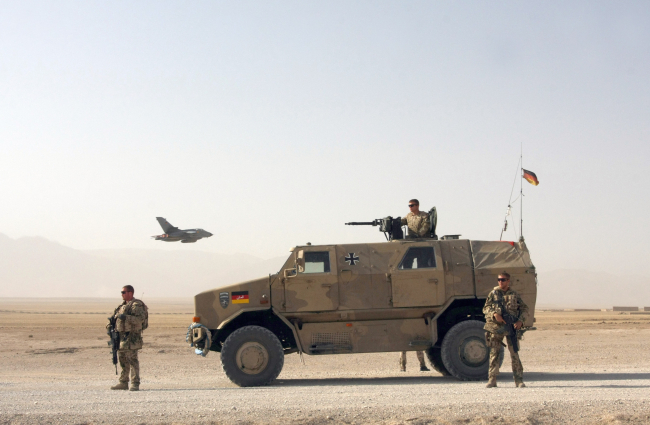
Circumstantial Pacifism: Political Parties and the Participation of the Bundeswehr in Foreign Operations
In Germany's parliamentary democracy, political parties play an important role in mandating Bundeswehr missions abroad and in overseeing their deployment. The political debate on these deployments is polarized between opponents, who are called “pacifists”, and supporters, who are called “militarists”.

Réparer 2020 ou préparer 2030 ? L’entraînement des forces françaises à l’ère du combat multi-domaine
From basic training to the conduct of international exercises, operational readiness planning aim to make the components of military capabilities (equipment, doctrines, operational know-hows) consistent with the operational contracts decided at the strategic level.
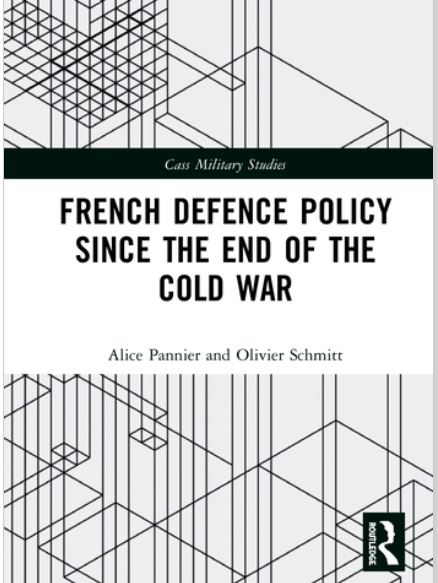
French Defence Policy Since the End of the Cold War
With a look at evolutions over the past three decades, the thematic chapters cover French defense institutions and civil-military relations, the transformation of armed forces, nuclear deterrence, the defense industry, military interventions, and alliances.
Europe in the World: for a Modest and Effective Reform
This sad year ends with a pandemic that continues in full swing over a large part of the planet, especially in the United States and Europe, with no other reassuring prospect than that of one or more vaccines, which is already a lot. But that’s not the subject I want to focus on in this eighth letter, the last one for 2020. Internationally, two other facts have dominated the scene in recent months.
Bavaria and France. Preparing the Future together
France and Bavaria have a longstanding close and solid partnership. However, the relationship between France and Bavaria is not only marked by a common history and by the structures created over the decades.
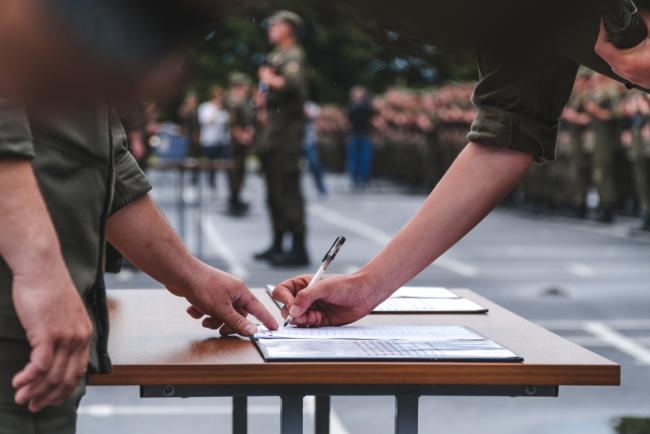
Les ressources humaines, un enjeu stratégique pour les armées
The French Military Planning Act for the years 2019-2025, is “dedicated” to men and women in the services, showing how crucial the human factor is for the armed forces.
Breakthrough for Decentralized Franco-German cooperation? Perspectives after the Aachen Treaty
The development of Franco-German cooperation can be described as an intergovernmental process. Depending on the perspective, the capacity for innovation of the relationship lies either with central decision-makers at the state level or with decentralized actors at the local level.
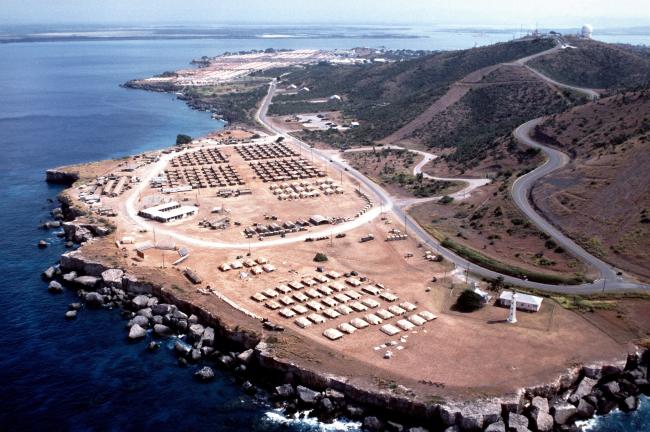
Les bases de la puissance. Enjeux géopolitiques et stratégiques des bases militaires avancées
Throughout history, great powers have relied upon forward military bases, either to support their interventions in areas of interest, to re-assure allies or to control a territory.
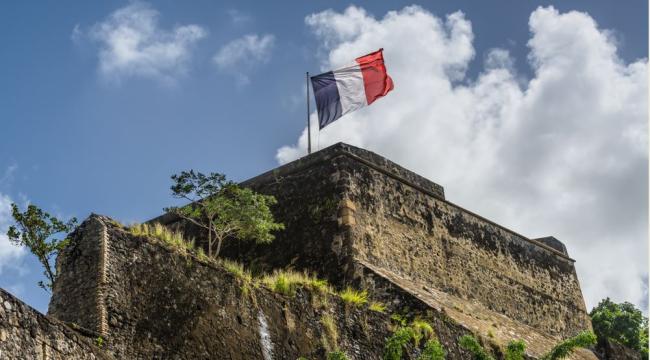
Confettis d’empire ou points d’appui ? L’avenir de la stratégie française de présence et de souveraineté
France is one of the few nations in the world to benefit from a permanent global military presence. With more than 10,000 military personnel from all three services, deployed across the five continents and the three main oceanic basins, it benefits from the second largest network of prepositioned forces in the world.
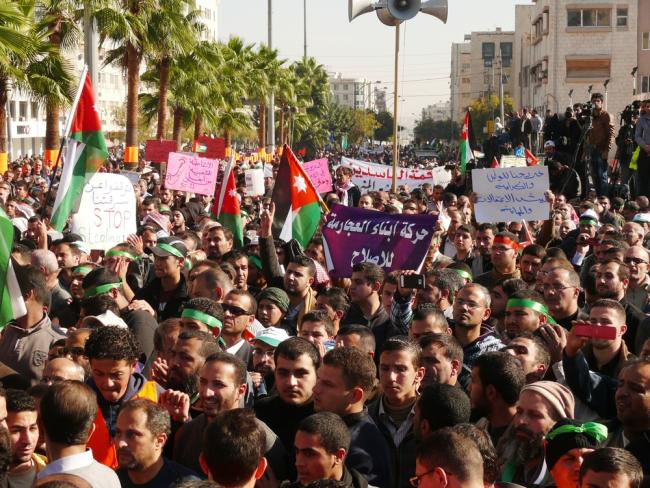
The Aborted Mobilisation of Jordan's Retired Servicemen
In the last decade, Jordan has been facing a resurgence in public discontent against harsh living conditions and the corruption of the regime.
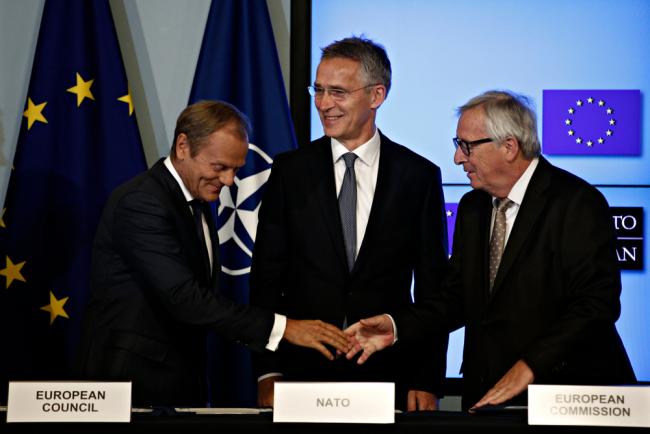
Mutual Reinforcement: CSDP and NATO in the Face of Rising Challenges
Over the past five years, several political and security developments have made it increasingly necessary to look at European Union (EU) / North Atlantic Treaty Organization (NATO) relations through a different lens.
La compétition stratégique en Afrique : approches militaires américaine, chinoise et russe
While it was left behind from power politics for the last decades, Africa is at the core of a renewed attention from global powers.
France and Japan: The Indo-Pacific as a Springboard for a Strategic Partnership
For decades, the Franco-Japanese partnership has essentially been characterised by a vibrant cultural exchange as well as by sound economic relations. Today Japan is France’s second-largest trading partner in Asia (after China) and its leading Asian investor.
Asia–Africa Growth Corridor at the crossroads of business and geopolitics
The Asia–Africa Growth Corridor (AAGC) — a Japan–India initiative to promote connectivity between Asia and East Africa and encourage joint projects in Africa — is often misrepresented. All too often, the AAGC is depicted as a political move aimed exclusively at countering China’s Belt and Road Initiative (BRI).
The Gulf Monarchies' Armed Forces at the Crossroads
Something is happening with the military forces of the Arab monarchies in the Gulf.
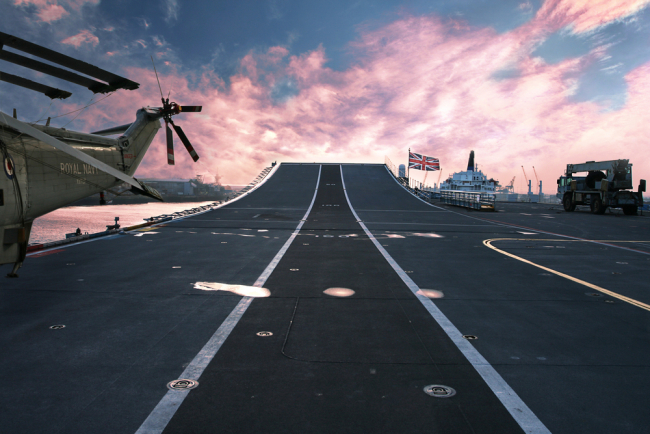
The Future of British Defense Policy
As the prospect of the United Kingdom leaving the European Union raises increasing challenges to its international position, as well as major divisions at home, the future of British defense policy seems more uncertain than ever.
The Future Middle East Strategic Balance. Conventional and Unconventional Sources of Instability
This paper seeks to analyze the future Middle Eastern military balance of power, in a time horizon of five to ten years.
War’s Indirection or the Return of the Limited War
Over the last few years both the United States and Russia seem to have changed their conception of how to deploy force.
Deploying the Bundeswehr: more transparency, more flexibility, but Parliament’s consent remains key - The Rühe Commission’s final report
Besides the often invoked historical dimension behind Germany’s strategic culture of restraint, there are today very tangible legal reasons that prevent assertive German military interventionism (which are, of course, directly linked to the historical dimension): any intervention of the German armed forces requires the Bundestag’s consent.

France and the Fight against Terrorism in the Sahel: The History of a Difficult Leadership Role
Except for its extreme poverty and the disastrous effects of a series of droughts, the Sahel region has been largely out of the spotlight of international attention in the past. Yet the rise of terrorism and especially the creation of Al-Qaida in the Islamic Maghreb (AQIM) in 2007 brought the region into the focus of world politics. Initially, AQIM"s activities in the Sahel mainly posed a threat to the stability of the Sahelian states themselves. In an effort to internationalize its agenda, however, AQIM also started targeting Western countries.
China's Fortress Fleet-in-Being and its Implications for Japan's Security
This paper analyzes the rise of maritime China and its implications for Japan’s security policy.
Ifri, a foundation recognized as being of public utility, relies largely on private donors – companies and individuals – to guarantee its sustainability and intellectual independence. Through their funding, donors help maintain the Institute's position among the world's leading think tanks. By benefiting from an internationally recognized network and expertise, donors refine their understanding of geopolitical risk and its consequences on global politics and the economy. In 2026, Ifri partners with over 90 French and international companies and organizations.
