Defense Policy and Armed Forces
As military competition increases, nations are adapting their defense policies and transforming their armed forces. Doctrine, organization, equipment and training are key to understanding the evolution of land, air and naval forces.
Related Subjects
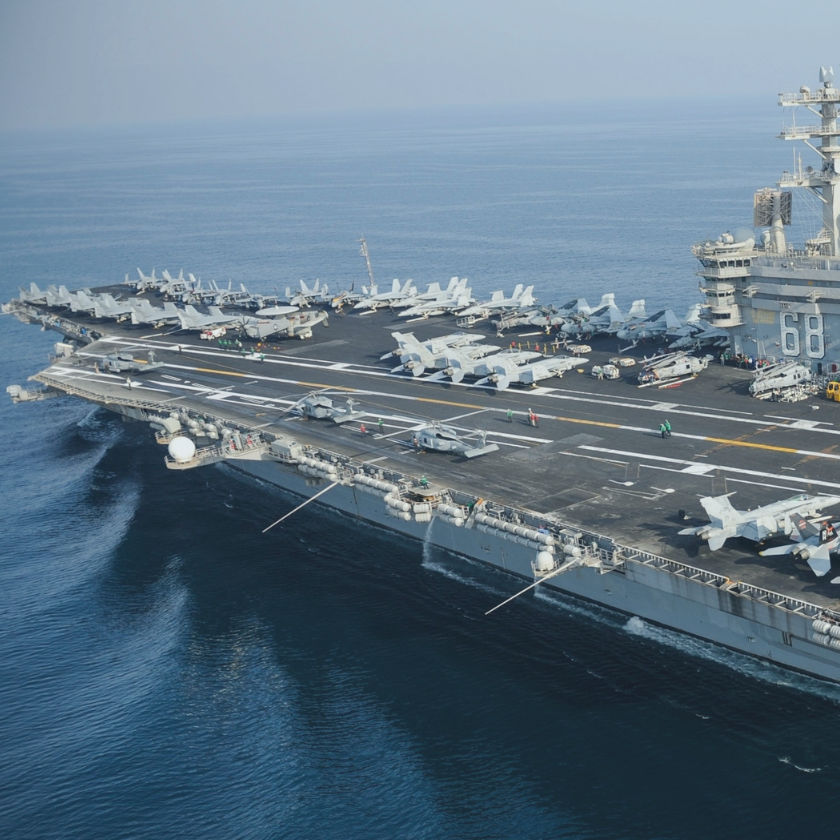
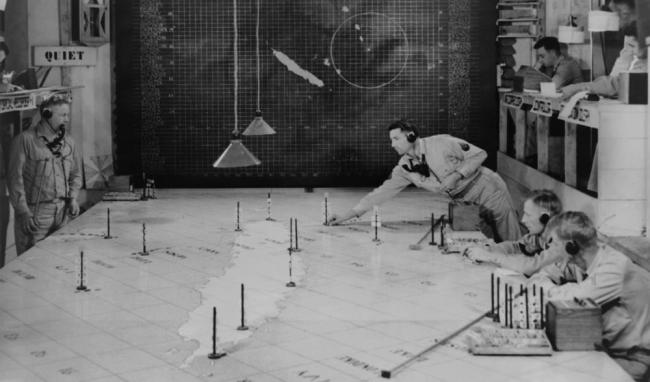
La fourmilière du général : le commandement opérationnel face aux enjeux de haute intensité
Operational command structures have always been able to adapt to the strategic context. However, they now face a new challenge: high intensity threats.
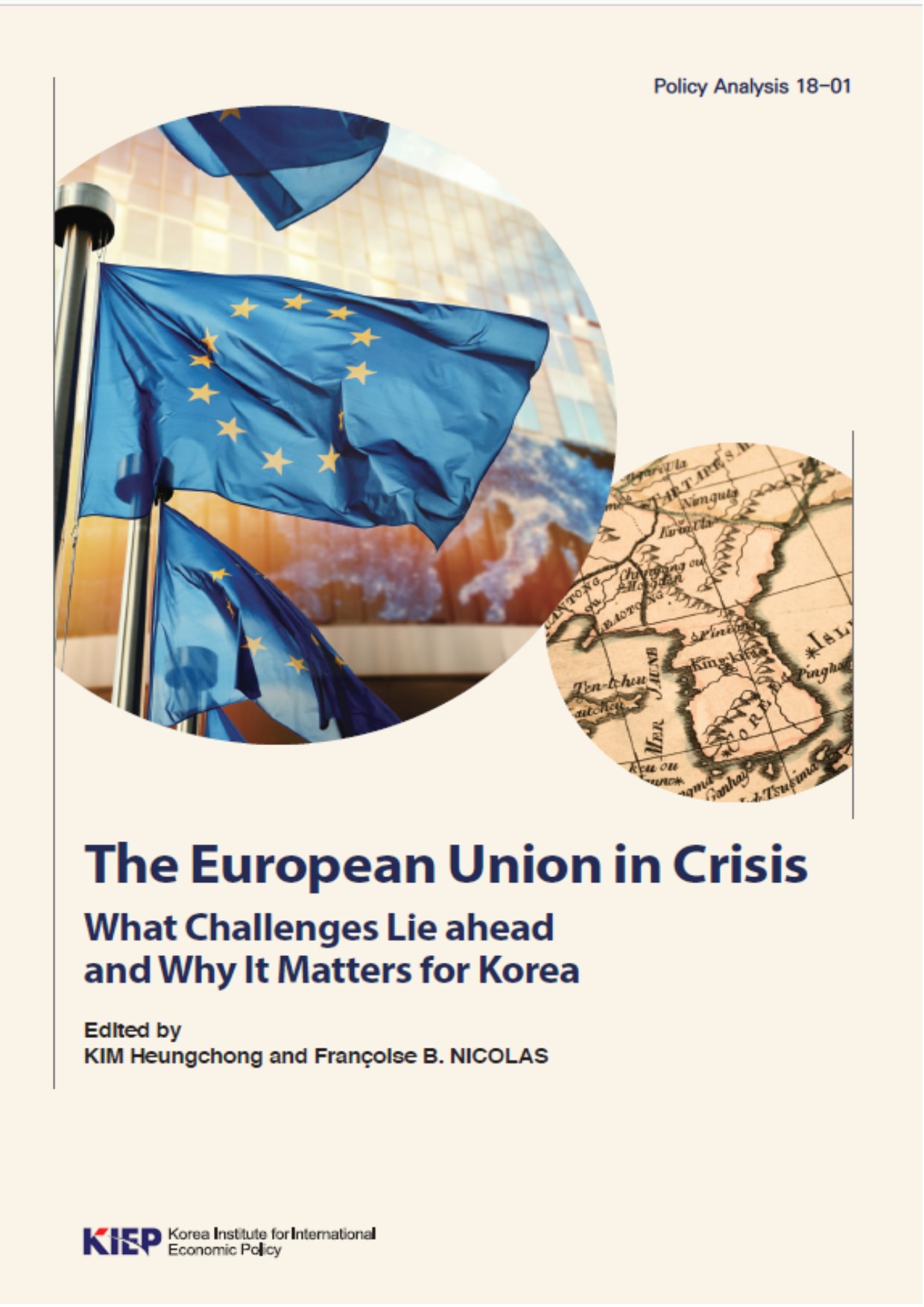
The European Union in Crisis: What Challenges Lie ahead and Why It Matters for Korea
The EU is currently undergoing serious challenges from inside such as Brexit and strengthening Euroscepticism, rising populism and changing political geography, anti-immigration moods as well as retarded economic recovery.

Envisioning Opportunities for U.S.-Russia Cooperation in and with Central Asia
Central Asia is conventionally seen as a conflicting space for great powers.
Will Artificial Intelligence Revolutionize the Art of War?
Despite the development of artificial intelligence (AI) only being in its early stages, it has already had an impact on armed forces.
Of Walls and Men: Securing African Borders in the 21st Century
African borders are well-known for their porosity. Although they are crucial economic interfaces, they also crystallize political and security tensions, in both inter-state wars and intra-state conflicts involving rebels or autonomist groups.
France and Japan: The Indo-Pacific as a Springboard for a Strategic Partnership
For decades, the Franco-Japanese partnership has essentially been characterised by a vibrant cultural exchange as well as by sound economic relations. Today Japan is France’s second-largest trading partner in Asia (after China) and its leading Asian investor.
Asia–Africa Growth Corridor at the crossroads of business and geopolitics
The Asia–Africa Growth Corridor (AAGC) — a Japan–India initiative to promote connectivity between Asia and East Africa and encourage joint projects in Africa — is often misrepresented. All too often, the AAGC is depicted as a political move aimed exclusively at countering China’s Belt and Road Initiative (BRI).
Les guerres contre la drogue. Armées, sécurité intérieure et narcotrafic en Amérique latine
In the context of a persistent impunity enjoyed by organized crime and drug trafficking groups, many countries in Latin America, and especially Mexico and Colombia, have opted to assign military personnel to internal security tasks.
A French View: Oil and Water
When the German president, foreign minister, and defense minister gave speeches at the 2014 Munich Security conference—speeches now recognized as watershed moments in Germany security policy—hope began to blossom in France. Would German defense and security policy finally become “normal?” Many viewed the now widely cited speeches as the beginning of a process in which the Germans would have overcome their “culture of restraint” and establish themselves as a full-fledged defense and security ally.
Penser son ennemi. Modélisations de l'adversaire dans les forces armées
The designation of an enemy is always the result of a political decision, which generally leads to the opening of hostilities.
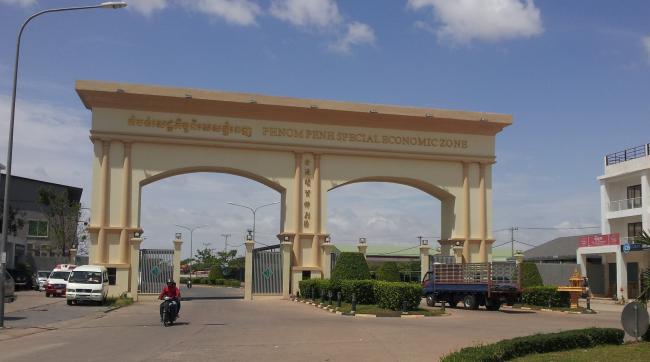
Catching Up or Staying Ahead. Japanese Investment in the Mekong Region and the China Factor
There is no denying that the Mekong region has become an economic battleground where Japan and China are competing to gain and sustain economic influence in the region.
The Gulf Monarchies' Armed Forces at the Crossroads
Something is happening with the military forces of the Arab monarchies in the Gulf.
France, Germany, and the Quest for European Strategic Autonomy: Franco-German Defence Cooperation in A New Era
How can France and Germany contribute to reaching the goal of European strategic autonomy? This key question has been guiding the work with the present report. In the light of a more demanding security environment, but also a rare momentum for further European integration, Berlin and Paris have to take their security and defense cooperation to the next level, bilaterally as well as in the EU.
France's Nuclear Arsenal: What Sort of Renewal?
Over the course of the next few years, France will have to renew its nuclear arsenal to ensure that it remains a credible dissuasion in the eyes of its potential enemies.
Corée du Sud, la septième armée du monde ?
As Democratic Republic of Korea’s (DPRK) continuous development of non-conventional weapons and challenges of the international community reaches a new level, Republic of Korea (ROK) appears more than ever as the frontline state on which most of North-East Asia security depends.
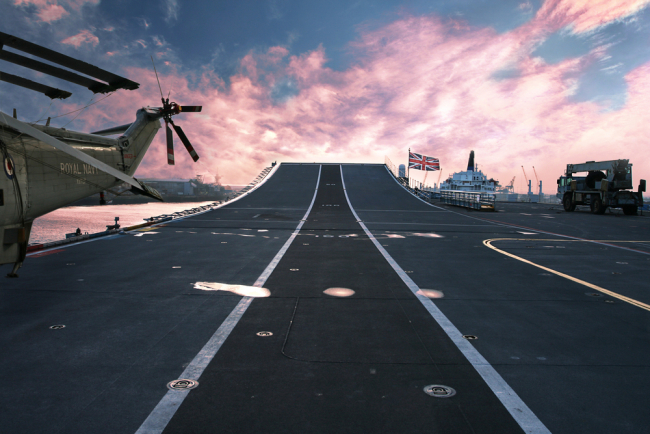
The Future of British Defense Policy
As the prospect of the United Kingdom leaving the European Union raises increasing challenges to its international position, as well as major divisions at home, the future of British defense policy seems more uncertain than ever.
ASEAN at 50: Half a Century of Unique Experience
In its fifty-year existence, the Association of Southeast Asian Nations (ASEAN) has developed a complex, progressive and balanced approach to regional integration. Rather than the European Union’s far-reaching statements of ever-closer union, ASEAN combines highly diverse economic and political strategies of different States whose main priority is to safeguard sovereignty.
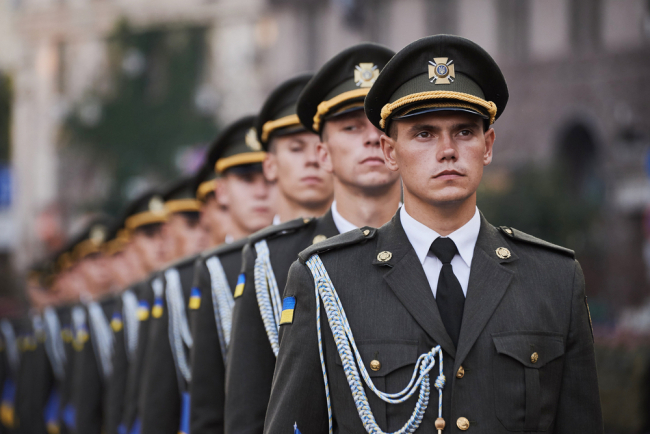
Reforming Ukrainian Defense: No Shortage of Challenges
Ukraine’s conflict with Russia has highlighted the catastrophic state of Ukraine’s defense apparatus.
La survivabilité sur le champ de bataille : entre technologie et manœuvre
The concept of survivability is central to the design of combat vehicles and to the elaboration of doctrines for the employment of military forces.
Les mutations du renseignement militaire : dissiper le brouillard de la guerre ?
Military intelligence has evolved significantly as a result of advanced technology and the changing character of war.
Helicopter Warfare: The Future of Airmobility and Rotary Wing Combat.
Military helicopters have evolved into technologically sophisticated weapon systems. Originally designed to counter Soviet armor, attack helicopters now have to cope with a wide spectrum of threats, some of them bringing them back to their counterinsurgency roots.
Racial integration - Lessons from the U.S. Army
On Friday, the 13th of January, 2012, the Center for Migrations and Citizenship welcomed 3-star U.S. Army General Bostick as a speaker of its international conference: "Business and the State: Migration Policies, Diversity and Integration".
Digital Hoplites: Infantry Combat in the Information Age
FELIN, the world's first "integrated soldier system", will enter service in the French Army this year. Throughout history, infantrymen have sought to capitalize on technology while seeking the best compromise between three basic requirements: mobility, firepower and protection of combatants.
Toward the End of Force Projection? II. Operational Responses and Political Perspectives
For more than a decade, US defense circles have been concerned about the emergence of capabilities and strategies, which, as they spread, risk imperiling the United States" position in the world by their ability to disrupt or prevent force projection operations. Though most of the literature on such “anti-access” strategies focuses on the military aspects of the threat, this Focus stratégique - the second and last part of a two-part study - adopts a different perspective.
East Asian Regional Economic Integration: A Post-Crisis Update
To the surprise of many analysts, the outbreak of the global financial crisis (GFC) in 2008 did not leave East Asian economies unscathed. The objective of the paper is to examine the implications of the GFC for the regional economic integration process in East Asia, taking into account both the de facto and the de jure dimensions.
Toward the End of Force Projection? I. The Anti-Access Threat
Force projection has become a general posture and a fundamental dimension of the influence Western powers intend to exert over the world by means of their armed forces.
Economic Constraint and Ukraine's Security Policy
Since winning the 2010 presidential elections in Ukraine, Viktor Yanukovych has worked hard to repair Kyiv's relationship with Moscow.
Ifri, a foundation recognized as being of public utility, relies largely on private donors – companies and individuals – to guarantee its sustainability and intellectual independence. Through their funding, donors help maintain the Institute's position among the world's leading think tanks. By benefiting from an internationally recognized network and expertise, donors refine their understanding of geopolitical risk and its consequences on global politics and the economy. In 2026, Ifri partners with over 90 French and international companies and organizations.