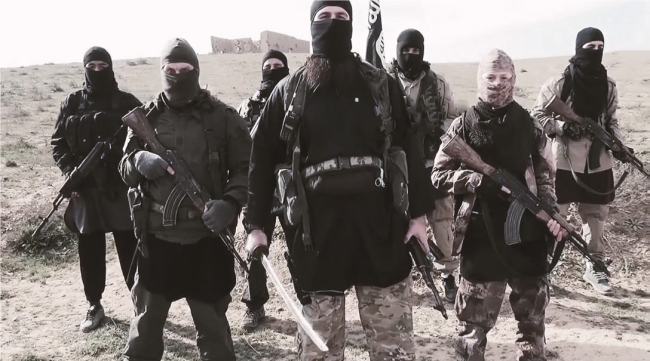
137 Shades of Terrorism. French Jihadists Before the Courts
This study, based on original judicial sources, assesses the profiles of 137 individuals sentenced in France for cases related to jihadism.

Iraq after Daesh
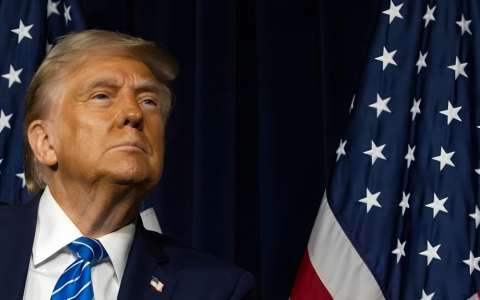
Going beyond the numerous claims of rupture, is Trump overturning the international order and the place occupied in it by the United States?
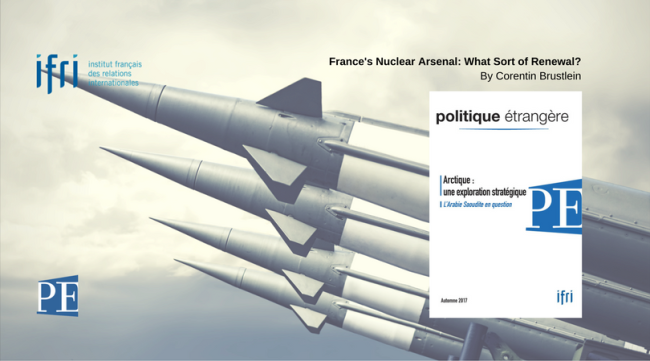
France's Nuclear Arsenal: What Sort of Renewal?
Over the course of the next few years, France will have to renew its nuclear arsenal to ensure that it remains a credible dissuasion in the eyes of its potential enemies.
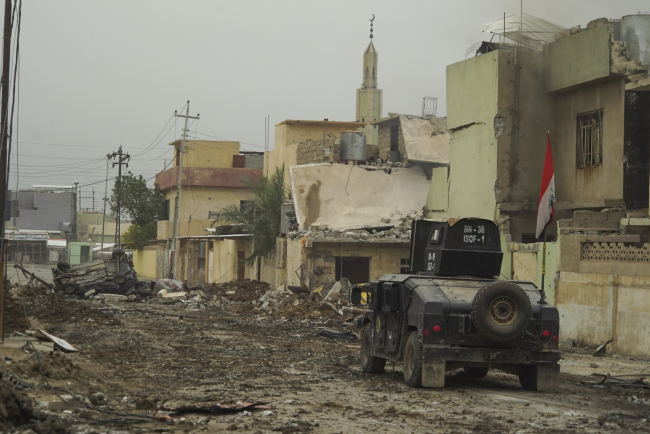
A Victory to End All Victory: Iraq after the Islamic State
The offensive on Mosul against Islamic State crystallises all of the political, social and security issues which determine the future of the Iraqi state.
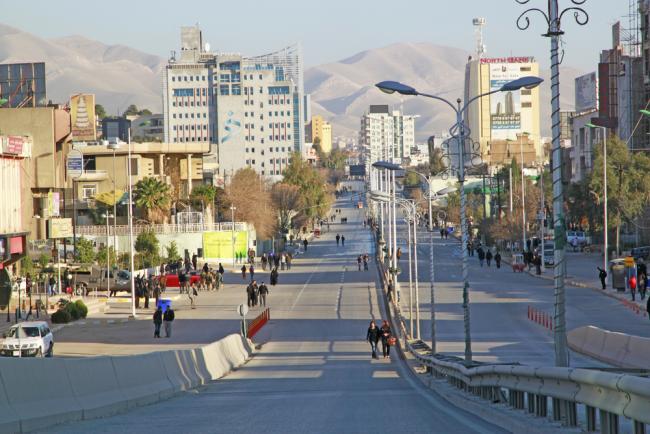
Three Generations of Jihadism in Iraqi Kurdistan
The aim of this report is to describe and explain how structural changes have affected three generations of jihadists in Iraqi Kurdistan: The Jihadi generation of the 1980s, that of Ansar al-Islam in the 2000s and that of the Kurds of Islamic State (ISIS) or Daesh in the 2010s.
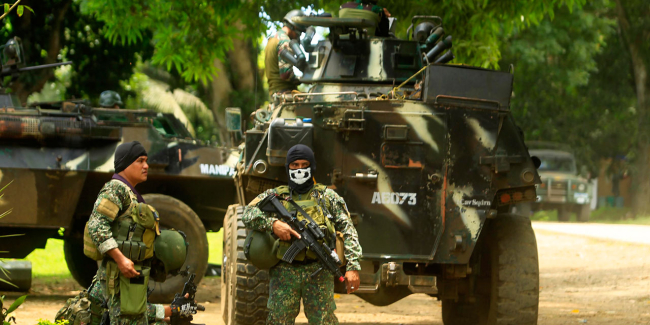
Menace islamiste, loi martiale, ... que se passe-t-il aux Philippines?
Philippines' President wants to limit islamist groups' capacity after several attacks in the South of the country.
Trade without Religion between Turkey and Syria
A saying claims that trade has no religion; it even adapts to a war situation, as demonstrated by the real-time reorganisation of trade channels at the Turkish-Syrian border.
Kadyrovism: Hardline Islam as a Tool of the Kremlin?
This paper analyses the phenomenon of “Kadyrovism” as a relatively coherent ideology which possesses its own internal logic and propaganda tools and which reflects the reality of Ramzan Kadyrov’s rule, based on submission to Vladimir Putin while also being marked by provocative acts directed at the paternal figure of the Russian President.
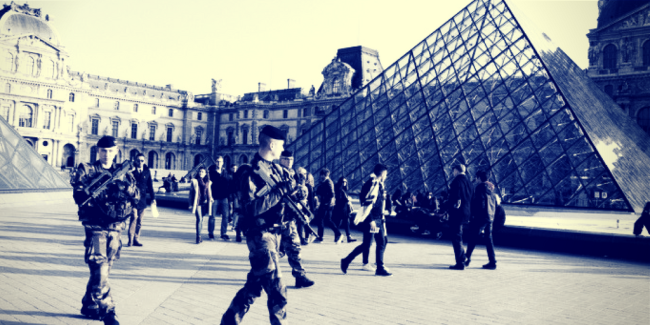
France vs. Jihadism: The Republic in a New Age of Terror
This paper assesses the current state of the jihadist threat to France, as well as the French authorities’ security response. With the upcoming presidential election, 2017 will be a decisive year for the country. Terrorism will be at the heart of the campaign and ISIS will most likely try to strike again.
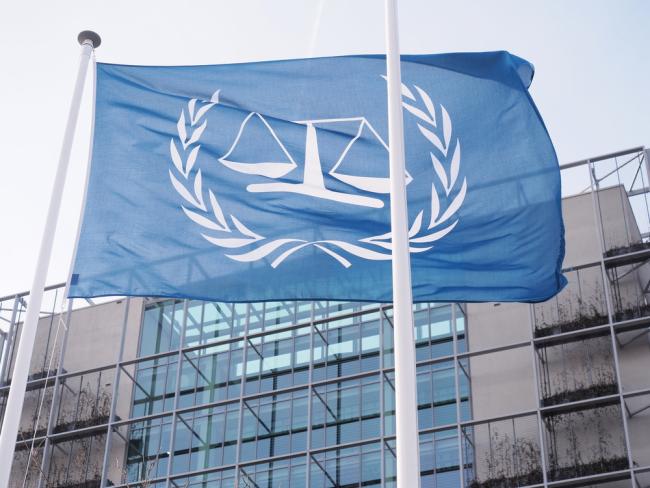
Africa and the ICC Going Forward
October 2016 presented a grim test for the fourteen-year-old International Criminal Court (ICC) as three Sub-Saharan African countries, Burundi, South Africa and Gambia announced their decision to opt out of the international judicial body.

Berlin attack : Merkels Germany is facing populism
The leaders of the extreme right-wing AfD party, Alternative for Germany, intend to take advantage of the attack on the Christmas market in Berlin to challenge the German Chancellors welcoming policy : 1 million refugees arrived between 2015 and 2016, they argue that in welcoming them, she imported violence.
Beyond national styles. Towards a connected history of Cold War counterinsurgency
This book is a major new study of the extent to which national mentalities, or 'ways of war', are responsible for 'national styles' of insurgency and counterinsurgency
Will Angela Merkel have to pursue a major policy shift?
What political future for the German Chancellor Angela Merkel after a year characterised by the New Years incident in Cologne and the attack in Berlin?

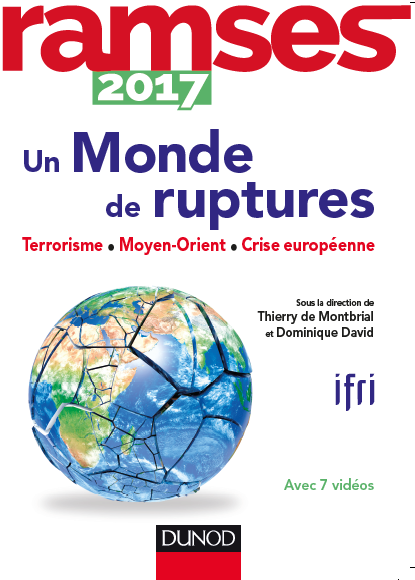
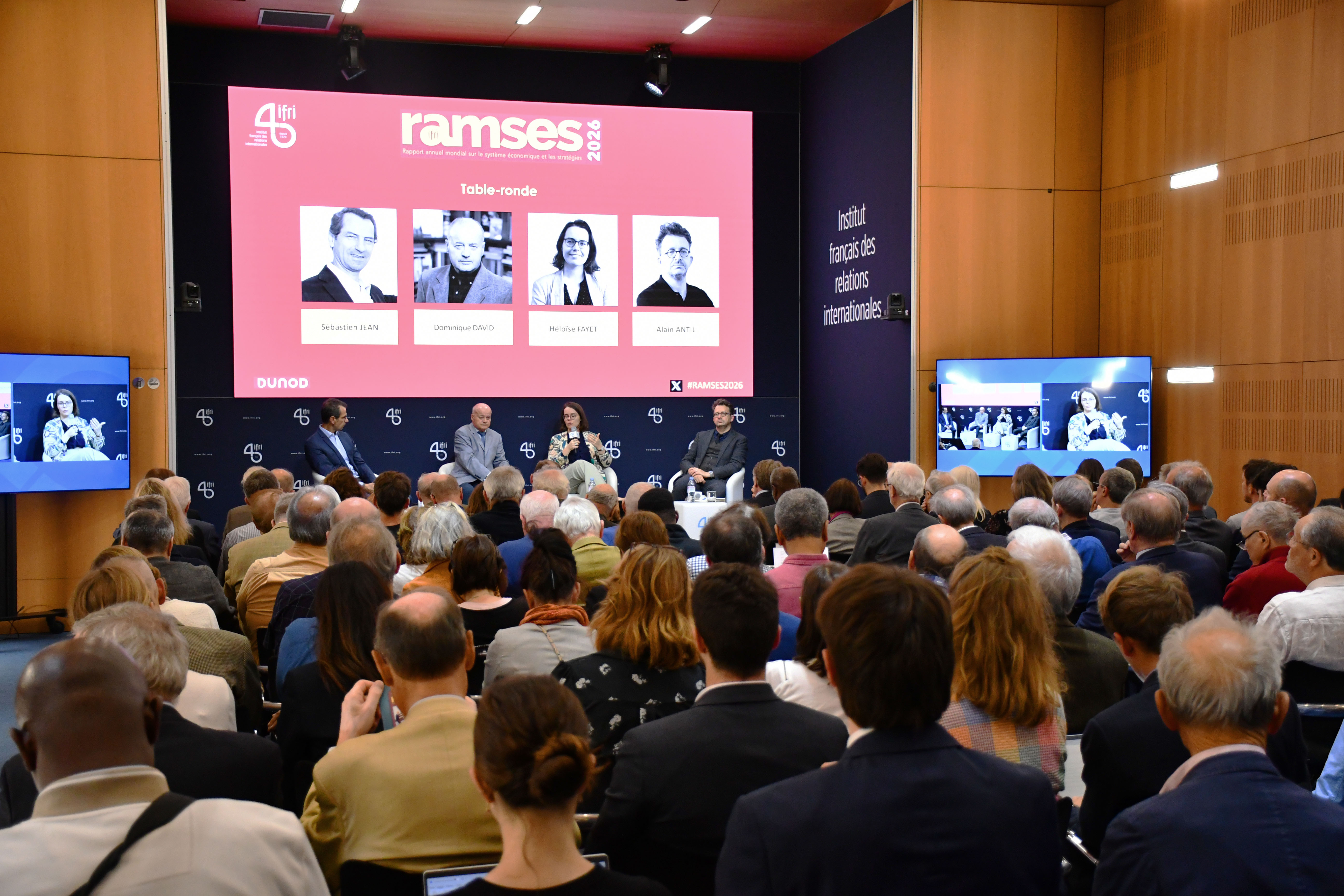
RAMSES 2017. A Fragmented World
RAMSES 2017. A Fragmented World, prepared by IFRI’s research team and selected external experts, offers an in-depth and up to date analysis of global geopolitics.
This 35th edition focuses on three key issues: the spread of jihadist terrorism, the Middle East’s disintegration, and doubts about the European project. With the world’s balance of power and economic foundations shifting, the next few months are likely to be decisive for our future. The growing diversity and complexity of our world is startling, which is why it is important to rethink our analyses and means of action.
France wants to feel safe – whatever it takes. But what if it takes too much?
Opinion column published in "The Globe and Mail"

Lessons from Orlando
Of the litany of mass shootings in the United States, the attack in Orlando has demanded attention because of its sheer scale.
The Middle East that Awaits a New US Administration
Along with a history marked by intervention from external powers, the Middle East is now confronting conflicts which combine political, ethnic and religious dimensions. The United States can not withdraw its “leadership” in the area. Aside from the Syrian question, the next American administration will have to redefine the network of partnerships and alliances in the region and grapple with a multitude of problems, none of which have simple solutions.
La Sentinelle égarée ? L’armée de Terre face au terrorisme
The 2015 terror attacks in France and the ensuing activation by the Ministry of Defense of its homeland protection plan opened a new phase in the long history of the French Army’s involvement in internal security.
Middle East, the new "Great Game"
Will a divided Middle East become the center of a new “Great Game”? The world’s global powers are aligned in it: the United States, falsely tempted by retraction; Russia, establishing its position in an unexpected state of play, France, destabilized by the contradictions of its own policy… In addition are tussles for regional hegemony between Iran, Turkey, and Saudi Arabia.
Caveats to Civilian Aid Programs in Counterinsurgency: The French Experience in Afghanistan
Amaury de Féligonde has just spent one year in Kapisa and Surobi as a project manager within the Afghan-Pakistan Interministerial Unit. Back in France, he expresses his personal views and draws conclusions from his experience.
Potential Strategic Consequences of the Nuclear Energy Revival
Renewed interest throughout the globe in harnessing nuclear energy has raised concern about security threats from states and non-state actors while holding out the promise of more electricity for more people.
Ifri, a foundation recognized as being of public utility, relies largely on private donors – companies and individuals – to guarantee its sustainability and intellectual independence. Through their funding, donors help maintain the Institute's position among the world's leading think tanks. By benefiting from an internationally recognized network and expertise, donors refine their understanding of geopolitical risk and its consequences on global politics and the economy. In 2026, Ifri partners with over 90 French and international companies and organizations.