





Security - Defense
As a result of global strategic competition, security and defense issues are marked by the return of major wars and nuclear deterrence, the transformation of terrorism and the race for military technologies.
Related Subjects

Unmanned Air Systems: The Future of Air & Sea Power?
Since their early use for primitive ISR and combined operations, UAS have developed into increasingly multipurpose instruments performing a wide array of missions (from limited strike operations, search and monitoring to time-sensitive targeting) and offering new maneuver options to the armed forces.
The Return of Robert Gates
The memoirs of public men are exercises in self-promotion and self-justification. They are designed to etch a portrait of the (wo)man that will live across time. It's the legacy thing. These days, that legacy pertains also to the "here and now" since memoirs are not necessarily the conclusion of a career but rather the curtain-raising on its next act.
Political and Economic Effects of Qaddafi's Death on Chad
On 24 August 2011, President Idriss Déby Itno of Chad recognised the National Transitional Council (NTC) as the only legitimate authority in Libya. Until then, the Chadian president had been a firm ally of the Guide of the Great Jahamiriya, President Qaddafi of Libya. Déby had sustained his long-time friend and helper with military equipment and soldiers from Chad from the beginning of the uprisings.
China's Nuclear Idiosyncrasies and Their Challenges
In many respects, the People’s Republic of China’s nuclear arsenal and posture appear unusual to Western eyes. From its “No First Use” policy to its nuclear warhead storage system, Beijing appears to think about nuclear weapons and their strategic effects in a way that differs with the West in general, and with the United States in particular.
La fin du régiment ? Trente ans de déstructuration de l'organisation tactique régimentaire
The new organization of land forces breaks with a centuries-old tactical order: the regiment. Born out of political constraints that have shaped its history, the regimental order has accompanied the rise of the nation state; the Third Republic, for instance, entrusted it with political, social, and cultural functions.
La fin du régiment ? Trente ans de déstructuration de l'organisation tactique régimentaire
Drones-tueurs et éliminations ciblées : Les Etats-Unis contre Al-Qaïda et ses affiliés
Armed drones - as they enable targeted killings - are henceforward playing a central role in American counterterrorism.

The Baltic Forum 2013
Significant changes in global and regional energy supply and demand, as well as their influence on the political decision-making determine the need to restore proper expert analysis of problems and development perspectives.
Traffic streams, especially energy resource transit, are directly subordinate to the changes in the relations between the countries of the world. Logistics cannot be considered in isolation from the international security and energy policy.
The ensuring of Euro-Atlantic security to the countries and country groups in the surrounding turbulent world is one of the most important and topical issues for joint consideration.
The IDF on All Fronts: Dealing with Israeli Strategic Uncertainty
Facing threats on all its borders as well as social, economic and religious tensions, the Israeli Defense Forces (IDF) are now under significant pressure in accomplishing their core mission: the survival of the State of Israel.
Le Pentagone face à la séquestration et aux sorties de guerres : l'art du brouillard budgétaire ?
The U.S. defense budget has faced a sharp reduction since 2010, linked to the drawing down of two wars and the Great Recession.
Tsahal sur tous les fronts : L'armée israélienne dans l'incertitude stratégique
Facing threats on all its borders, as well as social, economic and religious tensions, the Israeli Defense Forces (IDF) is now under significant pressure for ensuring its core mission: the survival of the State of Israel.
Cyberguerre : En quête d'une stratégie
Cyberspace, as a major but intricate field of action, represents both a challenge and a great strategic advantage. At a time when information technology affects all relationships at a global level, states are destabilized by growing dependence on computer data which puts their militaries at risk.
The Primacy of Alliance: Deterrence and European Security
Since the end of the Cold War, the international security environment has been transformed and nuclear weapons have been marginalized in the West. However, the NATO security policies remain almost unchanged: deterrence is still considered as a principle guiding the Atlantic Alliance, even though the actual policy statements lack target, direction and urgency.
Defence Reform in the United Kingdom: A Twenty-First Century Paradox
The context of budgetary constraint offered a strong incentive for the 2010 Coalition Government to improve its management of defence equipment.
Toujours plus chers ? Complexité des armements et inflation des coûts militaires
While French military expenditures have remained relatively constant over the last ten years, equipment production tended to decrease, resulting in capability gaps. This situation highlights the increasing costs of both acquiring and maintaining highly complex modern military equipment.
China's Fortress Fleet-in-Being and its Implications for Japan's Security
This paper analyzes the rise of maritime China and its implications for Japan’s security policy.
Security Partnerships in Japan's Asia Strategy: Creating Order, Building Capacity and Sharing Burden
During the last decade, Japan has sought partnership with many Asian nations - the drive remaining strong regardless of ruling parties. Newly elected Prime Minister Shinzo Abe of the Liberal Democratic Party of Japan is to continue this trend under the name of ‘value diplomacy".
Command and Control in a Nuclear-Armed Iran
In the long standoff regarding its nuclear ambition, Iran has cultivated ambiguity and been loath to reliably assure the international community of its ultimate intentions, complicating Western efforts to understand, let alone constrain, Tehran’s endeavors.
Winning in Libya: By Design or Default?
The 2011 insurgency in Libya brought about the demise of Supreme Leader Mouammar Qadhafi. A NATO-led coalition operated to meet a unique United Nations mandate including an arms embargo, no-fly zone, and the requirement to protect the population from armed attack.
The Defense Budget in France: Between Denial and Decline
Although defense spending is the fourth budget item in France, it is rarely a matter of public debate. During the past three decades, defense has been affected in turn by the desire to rip the benefit of the post-Cold War “peace dividend”, the professionalization of 1997, and the increase of overseas operations after September 11, 2001.
Ifri, a foundation recognized as being of public utility, relies largely on private donors – companies and individuals – to guarantee its sustainability and intellectual independence. Through their funding, donors help maintain the Institute's position among the world's leading think tanks. By benefiting from an internationally recognized network and expertise, donors refine their understanding of geopolitical risk and its consequences on global politics and the economy. In 2026, Ifri partners with over 90 French and international companies and organizations.

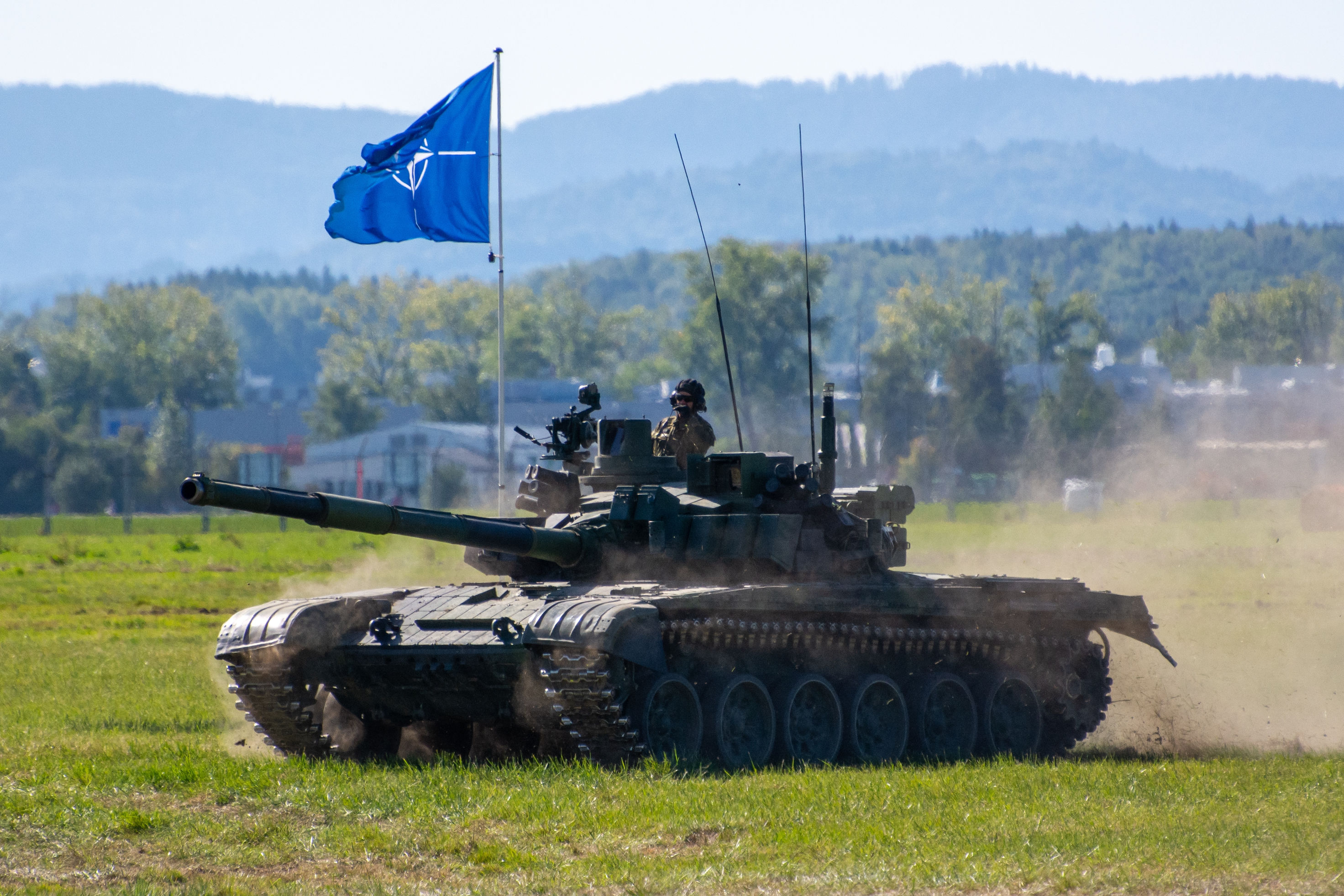
The European & Transatlantic Security Program aims to contribute to the strategic debate by developing analyses around three main axes: European defense and the security architecture of the European continent, institutional and strategic links between the Treaty Organization of North Atlantic (NATO) and the European Union (EU), as well as the evolution of the transatlantic relationship.
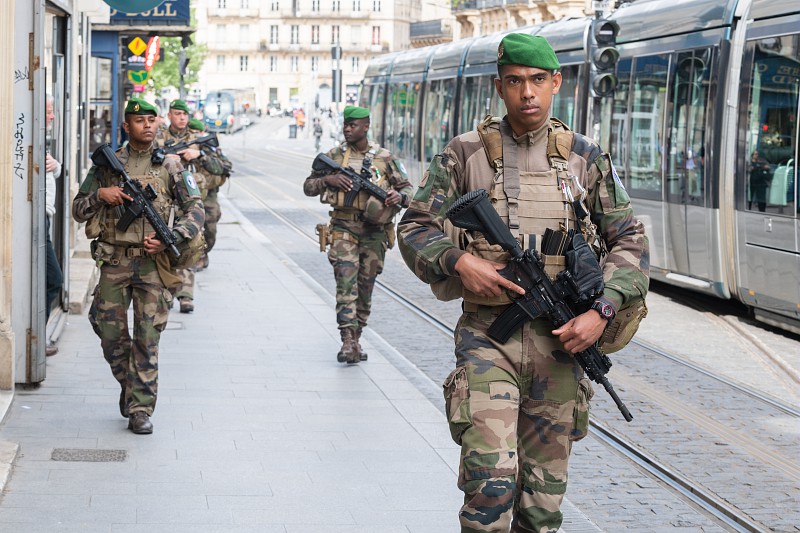
The distinction between internal and external threats is often exaggerated, as the borders are so porous. Conflicts taking place thousands of kilometers from France can have tragic resonances on national territory. Radicalization, terrorism and even organized crime have an international dimension that cannot be ignored.
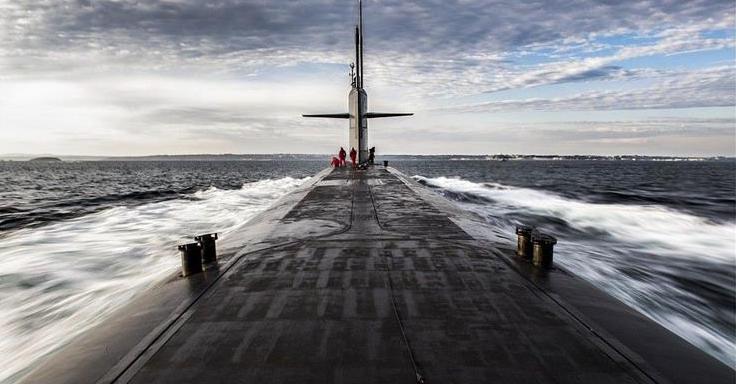
The conflicts in Europe, Asia and the Middle East demonstrate a return of nuclear power to the balance of power. Arsenals are being modernized and expanded, while arms control is collapsing. This research program aims to analyze these phenomena.
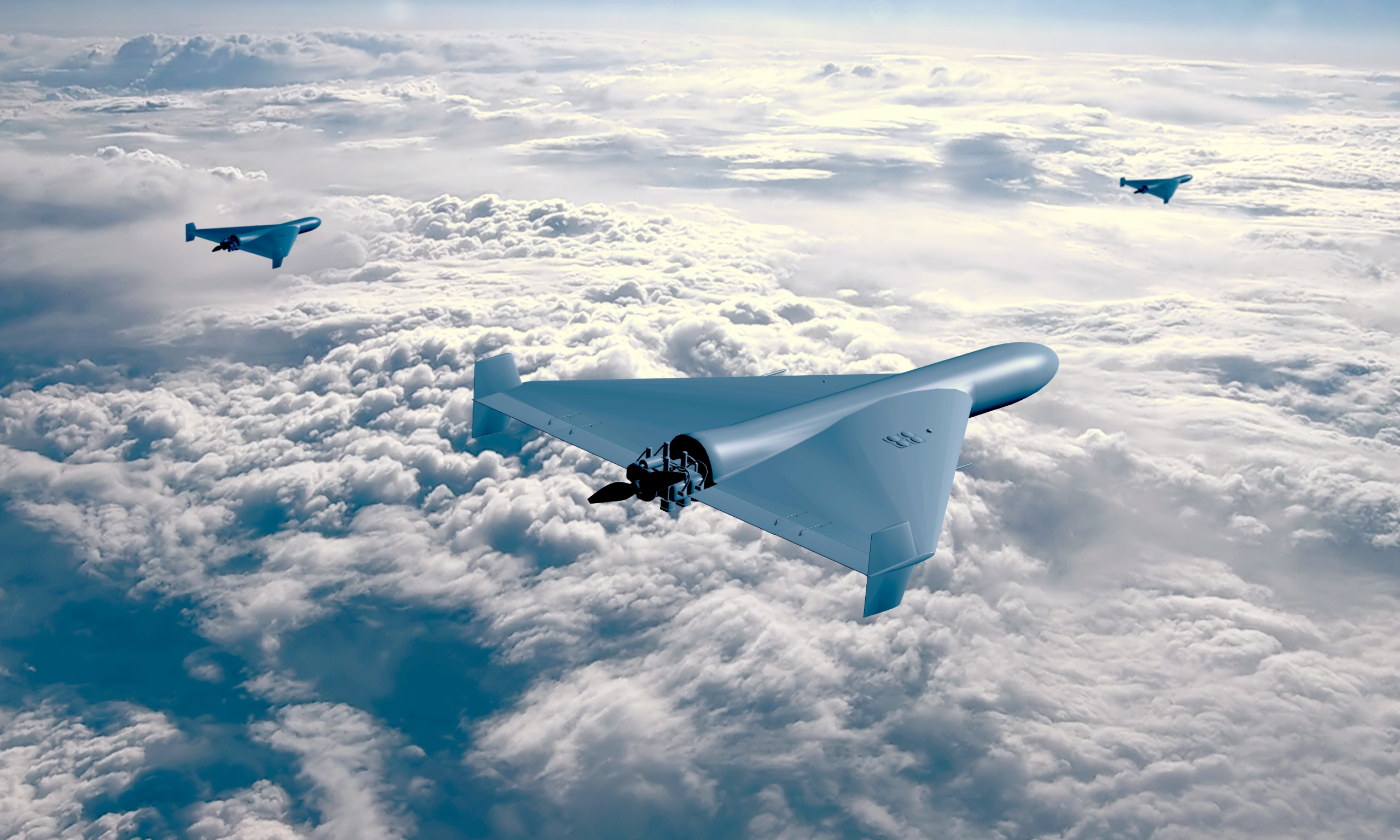
The Observatory of Future Conflicts is a research program carried out by the French Institute of International Relations and the Foundation for Strategic Research on behalf of the three army headquarters aimed at studying developments in tensions and armaments at the horizon 2040 in a transversal perspective, taking into account the issues of each army.
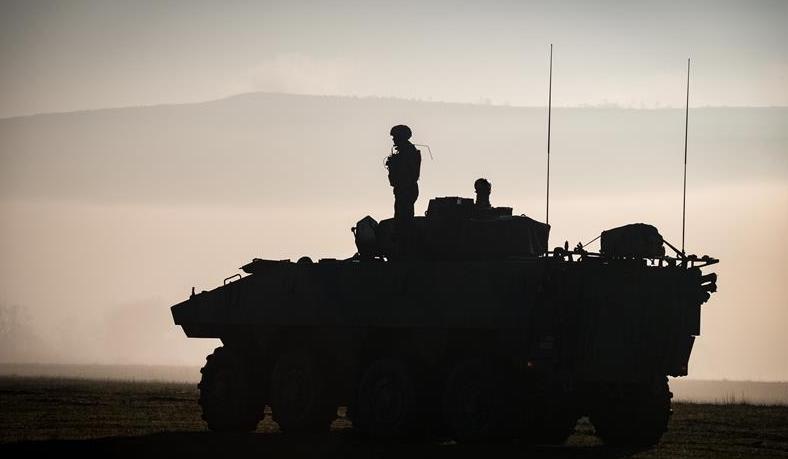
Heir to a tradition dating back to the founding of Ifri, the Security Studies Center provides public and private decision-makers as well as the general public with the keys to understanding power relations and contemporary modes of conflict as well as those to come. Through its positioning at the juncture of politics and operations, the credibility of its civil-military team and the wide distribution of its publications in French and English, the Center for Security Studies constitutes in the French landscape of think tanks a unique center of research and influence on the national and international defense debate.
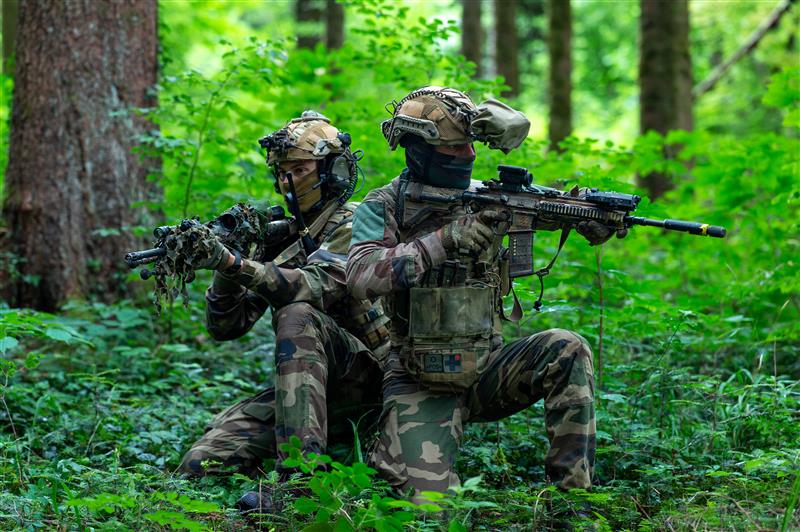
The Defense Research Unit is a program that aims at stimulating the strategic debate by dealing with subjects at the junction of the “technico-operational” and the “political-strategic”. A unique structure in France, it brings together civilian researchers and “military fellows” from each of the three armies to produce work on defense policies, the capability and strategic adaptation of armies, and foresight on tomorrow's conflicts.