



G20 Energy Transitions and Climate Finance Task Force Report

India is at the helm of the G20 presidency since the 1st of December 2022 for the duration of a year, with energy transition and climate finance being key topics on its agenda. In this context, the Gateway House put in place a G20 Energy Task Force to which Ifri’s Research Fellow, Diana-Paula Gherasim, participated.
The Task Force looked into policy measures to address energy poverty, the necessary steps to encourage the use of green energy and sustainable technologies and strategies to help generate the financial resources needed to nurture green technologies. Harnessing the power of public procurement to boost the rollout of critical new technologies that drive decarbonization has been among the flagship proposals of this task force, together with the creation of a Global Climate Finance Agency to provide a cost-effective hedging mechanism, a first loss facility and support new business models for emerging technologies. Our research fellow particularly worked on the topic of Energy Transitions and insisted on the role of G20 as a leading force for climate action and the role of renewable energy sources in overcoming the energy crisis, underlining that the focus of G20 must be placed on massively deploying clean energy supplies and energy efficiency programs, decarbonizing energy intensive industries, upskilling for the green economy and building a strong cooperation basis for international green trade.
> read the part focusing on the Energy Transitions and the full report G20 Energy Transitions and Climate Finance Task force Report

Available in:
Regions and themes
Share

Diana-Paula GHERASIM
Ancienne chercheuse, responsable des politiques européennes de l’énergie et du climat, Centre énergie et climat de l'Ifri

Center for Energy & Climate
Ifri's Energy and Climate Center carries out activities and research on the geopolitical and geoeconomic issues of energy transitions such as energy security, competitiveness, control of value chains, and acceptability. Specialized in the study of European energy/climate policies as well as energy markets in Europe and around the world, its work also focuses on the energy and climate strategies of major powers such as the United States, China or India. It offers recognized expertise, enriched by international collaborations and events, particularly in Paris and Brussels.
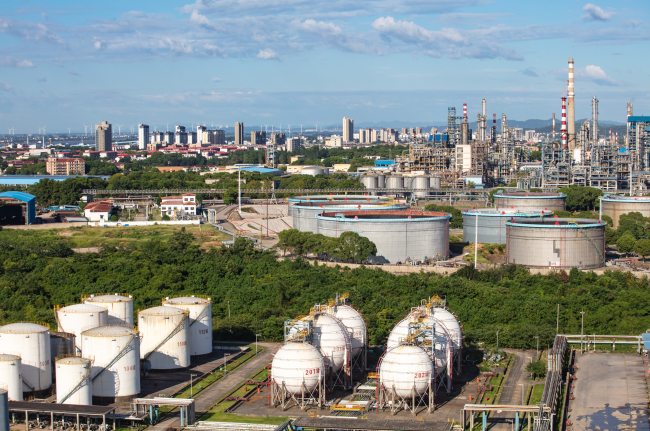
China’s Hydrogen Economy Five Years On
China’s hydrogen sector is not new. It is the world’s largest industrial hydrogen system, rooted in ammonia, methanol, refining, coal chemicals and by-product gas streams.
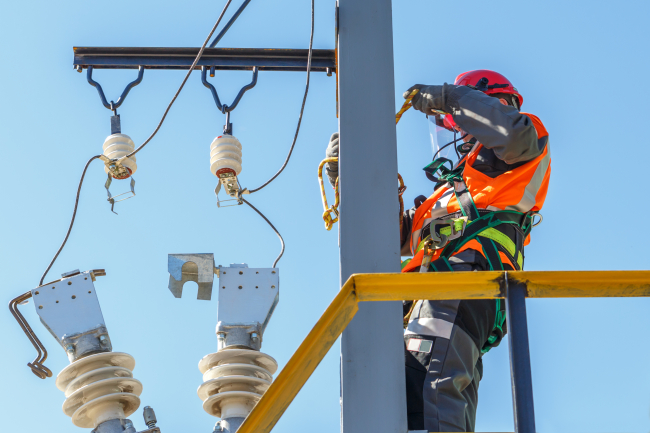
27 Plans for 2027: Turning the Electrification Action Plan into National Action
With the aim of structurally reducing the European economy’s dependence on fossil fuel imports and accelerating the energy transition, the European Commission has opted for electrification.
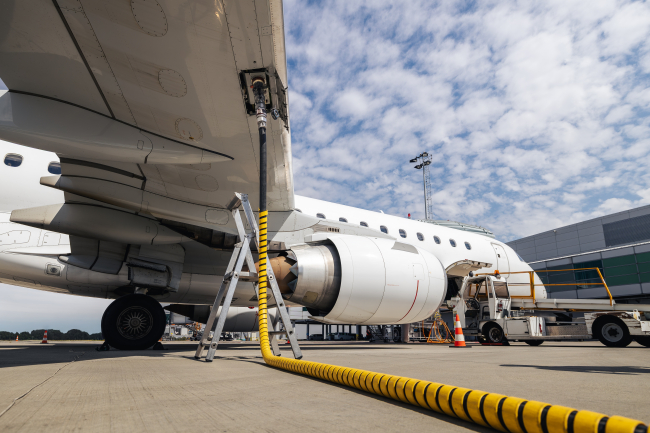
How to Make European e-SAF Production under RefuelEU Aviation Fly?
Three and a half years before the scheduled entry into force of the European regulation ReFuelEU Aviation (RFEUA), which requires aviation fuel suppliers at Union airports to offer a sustainable synthetic alternative (e-SAF), no sizeable commercial production unit (greater than 10,000 tons per year) is active within Europe yet, nor has it even passed the Final Investment Decision (FID). Is a major step in the European Union (EU) plans for decarbonizing air transport at risk of not happening, or at least being postponed for several years? Is Europe losing its bet to create a market for e-SAF? Under what conditions can this bet still be won? Could sovereignty and energy security preoccupations unlock necessary public support and help to overcome economic, financial, logistical or administrative obstacles?
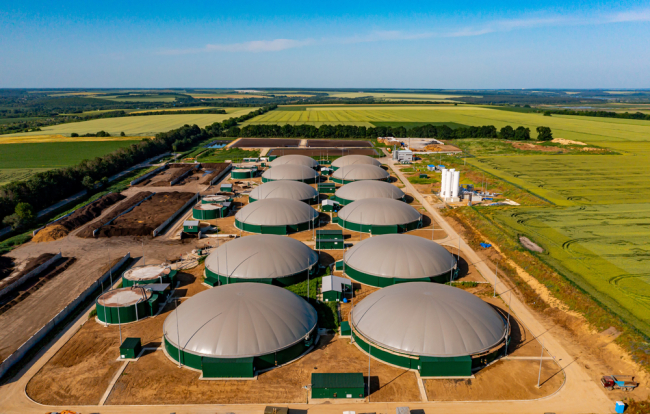
The European Biomethane Sector at a Critical Juncture: Stronger Policy Alignment Will Matter
The European biomethane sector is at a critical juncture.