


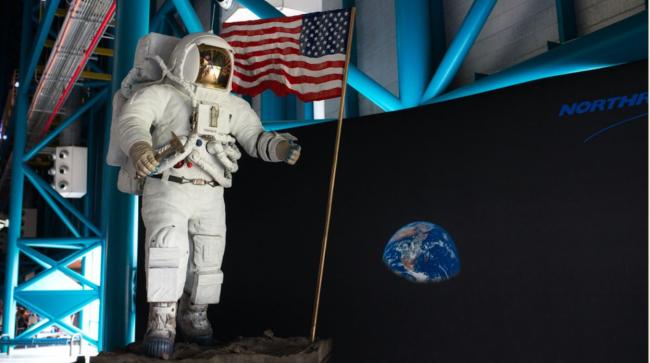
Destination Moon: is it time for us to send astronauts back?
The series For All Mankind (2019) is a fictional alternate history that imagines a world where the Soviet Union was the first power to send an astronaut to the moon. From that starting point, the two rival superpowers compete to establish their own lunar station.
From the Digital Levy to the Taxation of Multinationals: Joe Biden's Tax Revolution
The Organisation for Economic Co-operation and Development (OECD) is conducting important negotiations this spring to reform international taxation.
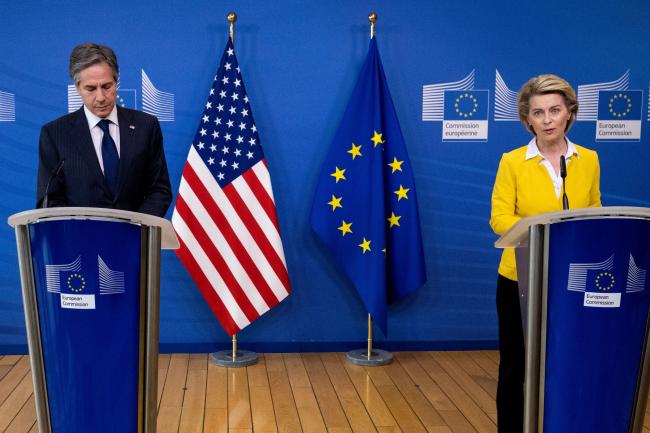
Europe in the Geopolitics of Technology: Connecting the Internal and External Dimensions
To respond to growing global competition, the EU has made notable progress on the internal dimension of technology policy over the past 3 years. It is now also seeking to adapt its foreign policy – from the transatlantic relationship to global partnerships – to technological challenges.
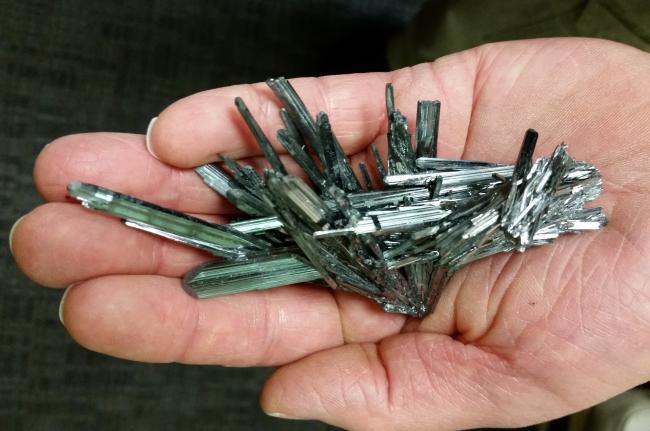
The US Mineral Independance Strategy : An All-Out Mobilization
The Trump administration has been very actively designing and implementing a new strategy for reliable supply of critical minerals which aims at reducing the country’s vulnerabilities and becoming a leader in this field.

Cyber-influence : les nouveaux enjeux de la lutte informationnelle
The coming of age of a digital “info sphere” has dramatically changed the nature of military information support strategy.

Poverty: The Rebound
Poverty, a major consequence of the COVID-19 pandemic, is set to increase exponentially throughout the world, even though it was supposed to disappear in its most extreme form by 2030.
The Biden Administration: What Consequences for Allies? Views from Japan and France
The US allies greeted the election of Joe Biden with relief, but also with expectations.
The Japan-US alliance under the Biden administration: Quo vadis?
In this interview, Kunihiko MIYAKE, President of the Foreign Policy Institute; Research Director, The Canon Institute for Global Studies (CIGS) and Special Adviser to Prime Minister Yoshihide Suga’s Cabinet looks at the Japan-US alliance under the Biden administration.
Towards the Second Crusade?
Europeans first grew aware of a possible pandemic exactly one year ago. The wave is here. It has submerged the world, claiming many lives and causing tremendous collateral damage.

Guerres invisibles - Nos prochains défis géopolitiques
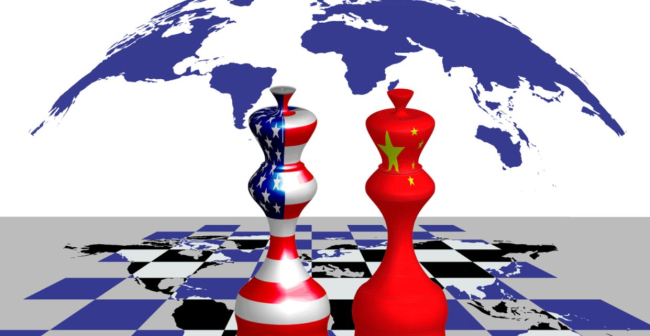
What are the next geopolitical challenges of the century? The global pandemic has altered the equilibrium between Asia and the West and sealed the rift between China and the United States, accentuating the world’s shift towards the East. On this polarized chessboard, two fault lines converge: environmental degradation and technological propagation where the main strategic and economic rivalries are now being played out.
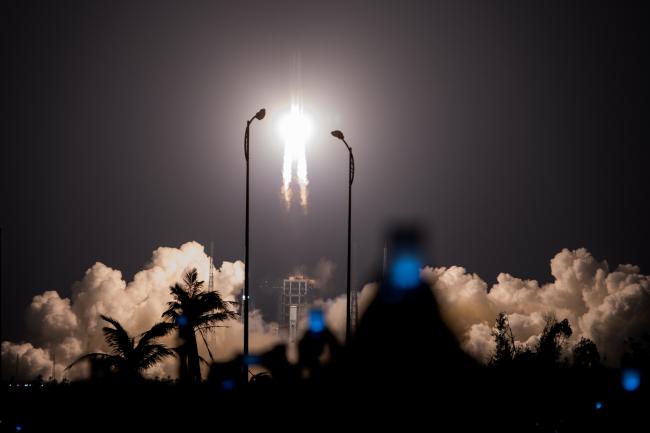
China's Ambitions in Space: The Sky's the Limit
From the dawn of China’s space program in the mid-1950s to the ability to build, launch and operate satellites in low Earth and geosynchronous orbits from the 1980s, the People’s Republic of China (PRC) is in 2021 a complete space power with autonomous access to outer space and to deep-space exploration.
New research initiative : European space governance
Eric André Martin, coordinator of the research initiative on European space governance associating Ifri, Deutsche Gesellschaft für Auswärtige Politik (DGAP) and Istituto Affari Internazionali (IAI), presents the European project. The video also looks at China's rise as an international space power. The report was written by researcher Marc Julienne.
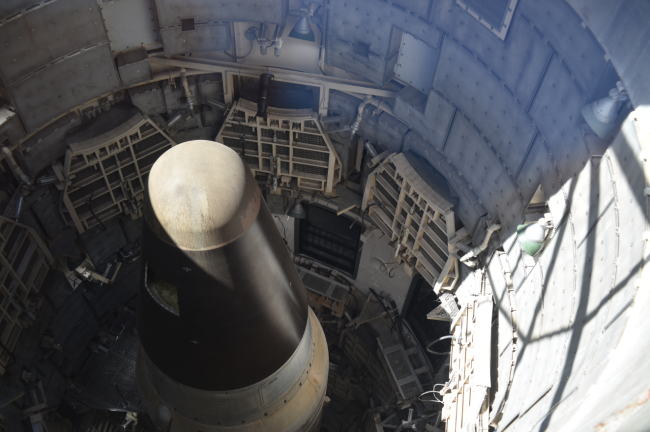
Strategic Risk Reduction between Nuclear-Weapons Possessors
The topic of nuclear risk reduction has gained momentum in the international security debate among policymakers, nongovernmental organizations, and experts.
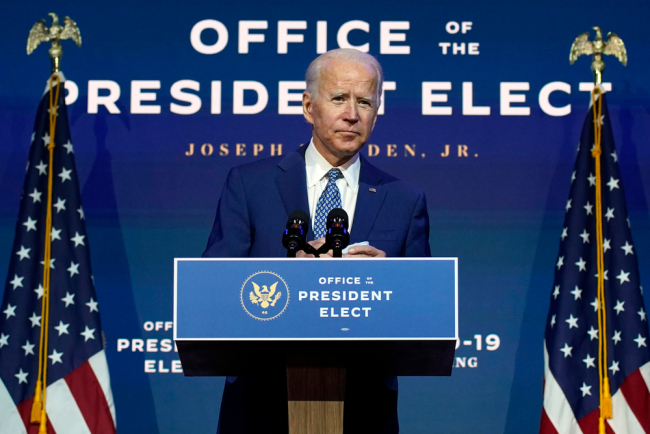
United States Climate Politics Under Biden: Is the Clean Energy Revolution Under Way?
For most of United States (US) history, environmental issues enjoyed bipartisan support. While Democratic President Johnson signed the Clean Air Act in 1963, Republican President Nixon established the Environmental Protection Agency (EPA) in 1970. America’s “environmental decade” culminated under President Carter, with Congress enacting ambitious environmental legislation.
Europe in the World: for a Modest and Effective Reform
This sad year ends with a pandemic that continues in full swing over a large part of the planet, especially in the United States and Europe, with no other reassuring prospect than that of one or more vaccines, which is already a lot. But that’s not the subject I want to focus on in this eighth letter, the last one for 2020. Internationally, two other facts have dominated the scene in recent months.
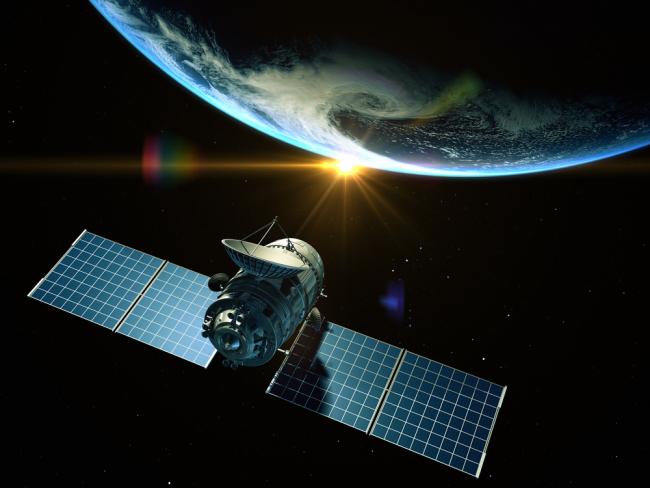
Space as a Key Element of Europe's Digital Sovereignty
At the end of year 2020, the European space sector finds itself at a crossroads between challenges and opportunities. While the 2019 European Space Agency (ESA) Ministerial Conference marked a progression in terms of budgets, a sign of renewed space ambitions, the technological and financial acceleration from the United States represents a disruptive scenario that poses threats to the continuity of European space capabilities.
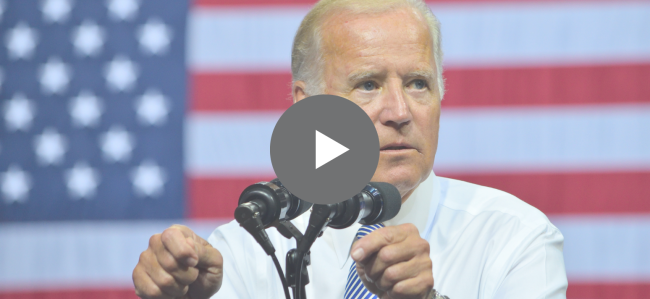
Joe Biden's America: the Calm after the Storm?
In the aftermath of the November elections, Ifri's Program on North America held the 19th edition of its annual conference on the United States.
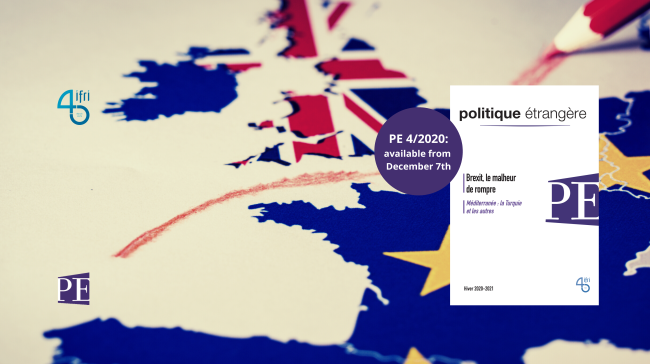
Brexit: The Trouble of Breaking Up
On the brink of Brexit, what form will it take? British and European negotiators might prefer a bad deal to no deal, but would this avoid the significant disruption in trade with the European Union that no new trade deal could make up for?
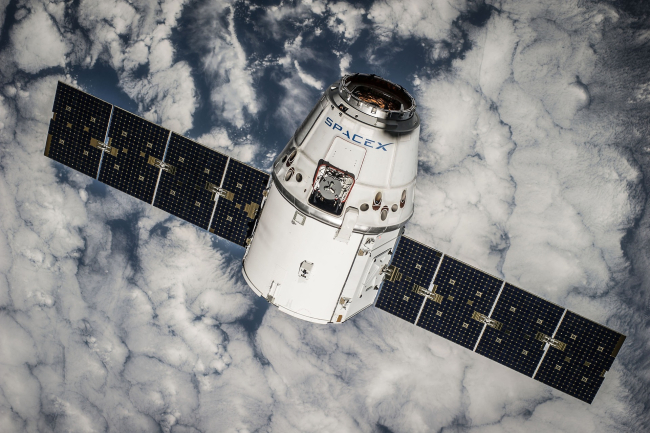
Revolutionary by Design: The US National Security State and Commercialization in the US Space Sector
The US space sector, comprised of its government organizations and its commercial industry, is leading the revolution in space, often called "new space".
Washington-Téhéran : l'élection de Joe Biden change-t-elle la donne ?
The recent assassination of Mohsen Fakhrizadeh, the father of Iran's nuclear program, echoes that of Qassem Soleimani in January 2020 and illustrates the policy of "maximum pressure" which has prevailed these past four years. In this context, Joe Biden's election gives rise to high expectations for the appeasement of U.S.-Iran relations.
Ifri, a foundation recognized as being of public utility, relies largely on private donors – companies and individuals – to guarantee its sustainability and intellectual independence. Through their funding, donors help maintain the Institute's position among the world's leading think tanks. By benefiting from an internationally recognized network and expertise, donors refine their understanding of geopolitical risk and its consequences on global politics and the economy. In 2026, Ifri partners with over 90 French and international companies and organizations.