French-German future combat aircraft project on the brink of collapse
Eight years after Emmanuel Macron and Angela Merkel launched the SCAF, this symbol of European sovereignty in defense is on the verge of collapse. At issue are the demands of the project's main contractor, Dassault Aviation, which Berlin considers excessive, as well as political and strategic differences between France and Germany.
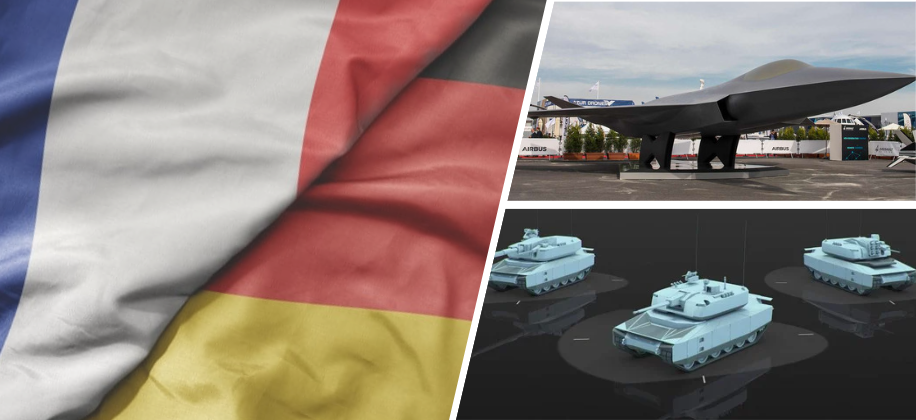
"There are those who say it's doomed, and those who say we'll get there, and they're all wrong," summarized a diplomat. Eight years after its launch by President Emmanuel Macron and Chancellor Angela Merkel, the Franco-German next-generation combat aircraft project, known as the Future Combat Air System (SCAF), is facing another existential crisis – possibly more serious than previous ones. In political and industrial circles in both Paris and Berlin, few seemed to believe this ambitious project would ever be completed. Initially valued at €100 billion, it was intended to symbolize a sovereign European defense capability.
"The current situation is not satisfactory," said an unusually critical German Chancellor Friedrich Merz during a visit to Madrid on September 18. "We are not making progress with this project." Time is running out: A decision on whether to move into phase two has to be made before the end of the year, or else the project risks drifting beyond its 2040 deadline for completion.
In early May, Merz's election – a committed European eager to revive the weakened Franco-German partnership – had raised hopes for a restart of this emblematic project, which had often been declared doomed since its inception. But five months since taking office, the risk of a breakdown has never been greater. The matter was not even officially discussed at the Franco-German cabinet meeting in Toulon (southern France) on August 29, after which it was postponed to the year's end.
[...]
Texte citation
"France is not putting enough pressure on Dassault, but does it have the means to do so?" wondered officials in Berlin. "Dassault is in a position of strength." The concern on the German side was that "Dassault wants to lead a project meeting French needs but funded by others," summarized Paul Maurice, secretary general of the Franco-German Relations Study Committee at the Institut Français des Relations Internationales (French Institute of International Relations).
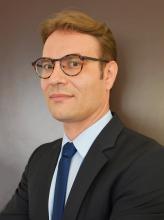
Secretary General of the Study Committee on Franco-German Relations (Cerfa), Ifri
[...]
Yet the political will on both sides is hardly in doubt. "These major projects address strategic needs we identified in 2017 with Chancellor Merkel," Macron told the daily Frankfurter Allgemeine Zeitung on Thursday, October 1. "Are they rendered obsolete by geopolitical developments? No, on the contrary!" But the French president has been weakened politically.
- And "Dassault is a powerful politico-industrial system that is difficult to put pressure on," noted Maurice. As for Trappier, "he is not part of the [Dassault] family, several of whose members were themselves involved in politics. He is more distant from the state."
[...]
Texte citation
"Is Dassault's model – very national and reliant on public contracts – best suited to a geopolitical context where the United States is backing out?" asked Maurice. "We need European solutions. The risk, if the SCAF fails, is that American companies will benefit."
Secretary General of the Study Committee on Franco-German Relations (Cerfa), Ifri
>> Read the full article on the Le Monde website.

Media:
Reporter(s):
Format
Share
Authors
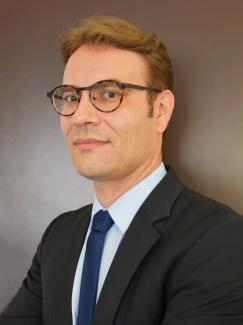
Paul MAURICE
Secretary General of the Study Committee on Franco-German Relations (Cerfa), Ifri