






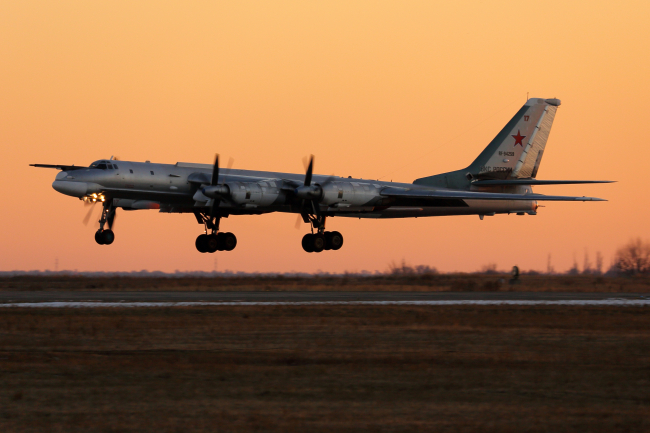
The Plight of Russia’s Air Power in the Ukraine War: Drone-Driven Innovations and Transformation of Traditional Air Force
Since the start of the Ukraine War, Russian strategic guidelines on the application of air power—seen as the decisive instrument for achieving success in modern wars—have proven to be outdated, irrelevant and even self-defeating.

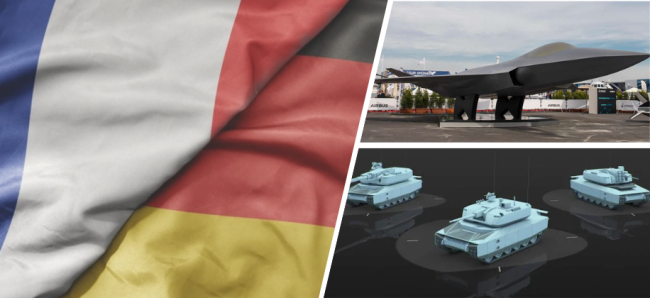
French-German future combat aircraft project on the brink of collapse
Eight years after Emmanuel Macron and Angela Merkel launched the SCAF, this symbol of European sovereignty in defense is on the verge of collapse. At issue are the demands of the project's main contractor, Dassault Aviation, which Berlin considers excessive, as well as political and strategic differences between France and Germany.
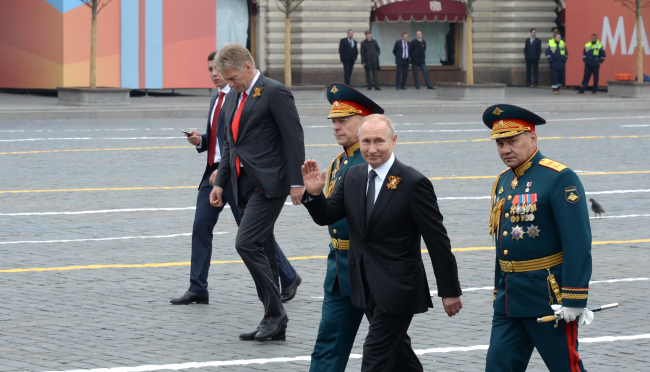
Commanders of Putin's Long War: Purged, Reshuffled and Disgruntled
The trend of reshuffling the Russian top military command in the course of a fast-evolving and far from successful war has progressed unevenly both across the Armed Forces’ structures and in time. The rationale for and timing of the abrupt cadre decisions made by Commander-in-Chief Putin often defy logical explanation, and the rare official clarifications are no more informative than the usual information blackout.
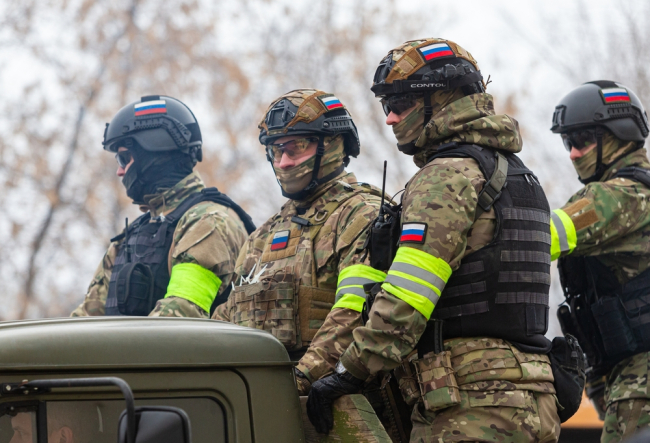
Russian Military Manpower After Two and a Half Years of War in Ukraine
In addition to a military victory in Ukraine, the Russian leadership is planning to build up sizable troop formations for a possible conflict with NATO in the Baltic region and the Kola Peninsula. In particular, current plans aim for the military manpower to grow by about 350,000, reaching a total of 1.5 million soldiers and commanders. In the context of the current conflict in Ukraine, this cannot be accomplished without a new wave of mass mobilization.
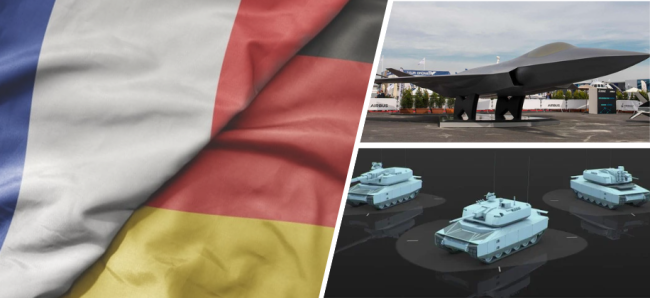
Troubled Twins: The FCAS and MGCS Weapon Systems and Franco-German Co-operation
The FCAS (Future Combat Air System) and the MGCS (Main Ground Combat System) represent the latest chapter in a more than seven decades-long history of Franco-German defense co-operation.

France in the Indo-Pacific: The Need for a Pragmatic Strategic Posture
As US-China rivalry reaches its peak and the likelihood of a high-intensity conflict in the region seems greater than ever, this report advocates for a pragmatic recalibration of France’s strategic posture in the Indo-Pacific. This adjustment should be grounded in a realistic reframing of ambitions and an analysis of France’s core interests and the threats it faces.
Zeitenwende: The Bundeswehr’s Paradigm Shift
Russia’s invasion of Ukraine on February 24, 2022, marked a turning point in German defense policy. After thirty years of military downsizing, the Bundeswehr found itself at an extremely low capability level just as a high-intensity war involving a great power was breaking out on Europe’s doorstep for the first time since 1945. Chancellor Olaf Scholz’s response was to embrace this “turning point” (Zeitenwende) by launching a major program to reequip Germany’s armed forces.
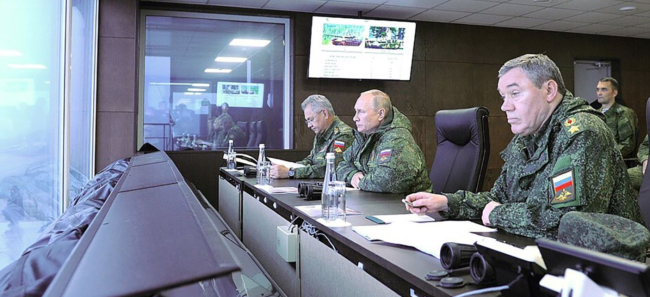
What Does the Russian Army Think About its War in Ukraine? Criticisms, Recommendations, Adaptations
The Russian army is very critical of its war in Ukraine. Not just of the first phase of the failed special military operation (SVO), which was inspired by the theorization of bypassing, but also of the strategic deterrence phase that preceded it.


France's strategic thinking in the Middle East is at a standstill
French President Emmanuel Macron was poised to arrive in Jordan for a two-day visit starting on Tuesday, December 20. French troops are deployed in the country as part of the Chammal military operation. Héloïse Fayet, a researcher with the Institut Français des Relations Internationales (French Institute of International Relations) who specializes in the armed forces present in the Middle East, told Le Monde that the terrorist threat in the region was almost eliminated. This, she said, should lead Paris to rethink its strategy. Ms. Fayet published a study in mid-November examining France's strategic posture in the Middle East.

Self-defense Groups, the Pyromaniac Firefighters of Sahel
Since 2012, the proliferation of jihadist groups across the Sahel has monopolized the attention of the authorities.forced by the threats they represent and the weakening of their regal power, states are gradually withdrawing from their peripheral rural territories. As a result, populations have organized themselves to become local security providers.


How Rwanda Became Africa’s Policeman
From Benin to Mozambique, President Paul Kagame is flexing his small country’s military muscle—and transforming the continent’s security landscape.
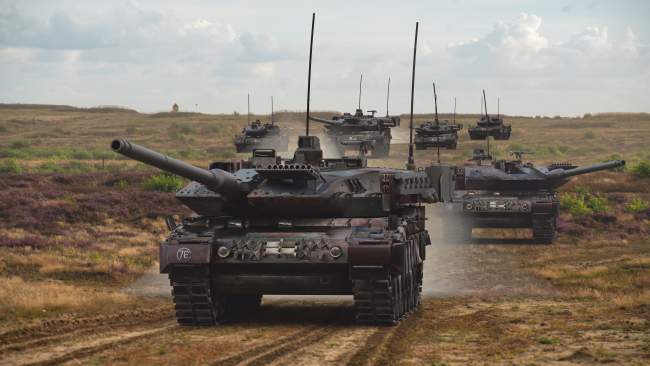
Modernization of the Bundeswehr: Back to basics?
Against the backdrop of the war in Ukraine, the Bundeswehr has been led to refocus on territorial defense and collective security, which constituted the core of its activity for decades. This evolution break with the long period of efforts during which the Bundeswehr painfully tried to transform itself into an intervention army.
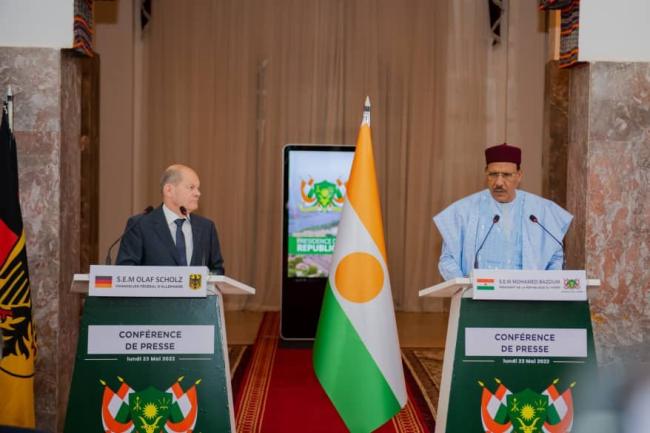
After Mali, what Commitment from Germany in the Sahel?
Germany, despite the reluctance of its public opinion, is committed to supporting security in the Sahel, notably through its participation in the European Union Training Mission in Mali (EUTM) and recently in Niger, and in the United Nations Multidimensional Integrated Stabilization Mission in Mali (MINUSMA).

Deus ex machina : les enjeux de l’autonomisation des systèmes d’armes
While the automatization of machines is part of an already long historical, conceptual, and technical trajectory, the exponential progress of artificial intelligence techniques, robotics and their military applications suggest the emergence of systems that integrate more autonomy. Indeed, despite campaigns calling for a moratorium on autonomous weapons, most military powers are developing programs focused on autonomy.

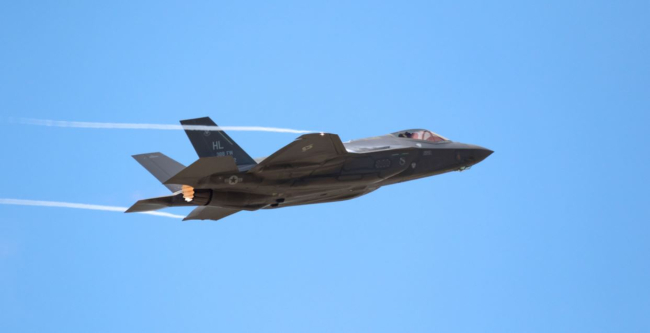
F-35: Why Germany is opting for the US-made stealth fighter jet
Germany wants to upgrade its military with the world's most modern fighter jet. The order is worth billions. But is it a good fit?
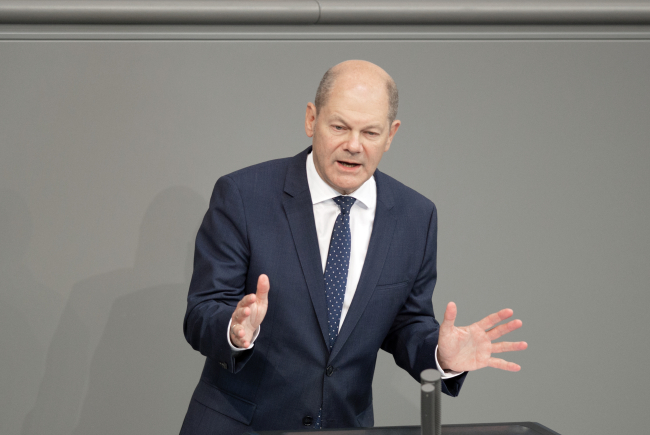
A “New Era”? Toward a Realignment of German Foreign Policy after the Russian Invasion of Ukraine
German Chancellor Olaf Scholz’s speech to the Bundestag on February 27, 2022, announced a new orientation in foreign policy and challenged the principles that had been the consensus in Germany for the past thirty years.
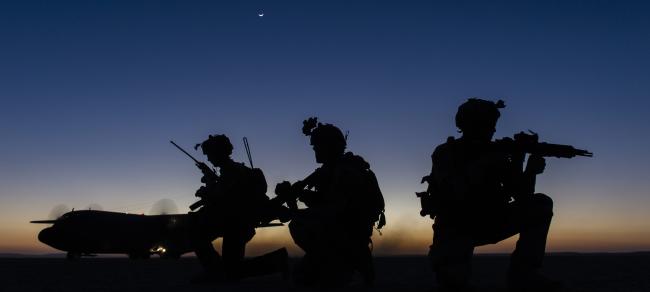
French Special Operations What Is Their Role in the Context of Great-Power Competition?
The year 2022 marks thirty years since the creation of the Commandement des operations spéciales (COS, Special Operations Command). Those three decades have been dominated by missions carried out in volatile environments, most often against irregular adversaries, primarily terrorist groups.
Europe/United States: 50 Shades of Dependence
Is Joe Biden’s United States (US) returning to multilateral, traditional diplomacy? This more open stance does not eliminate either its domestic problems or the divergence in interests separating the US from the Europeans: how will open diplomacy fit in with the priority of defending US interests? Will Washington organize a broad anti-Chinese coalition that the Europeans are opposed to? Will sanctions with their resulting effects remain at the heart of US strategy? Will the Europeans be able to assert their sovereignty in the key area of new technologies against the US giants?
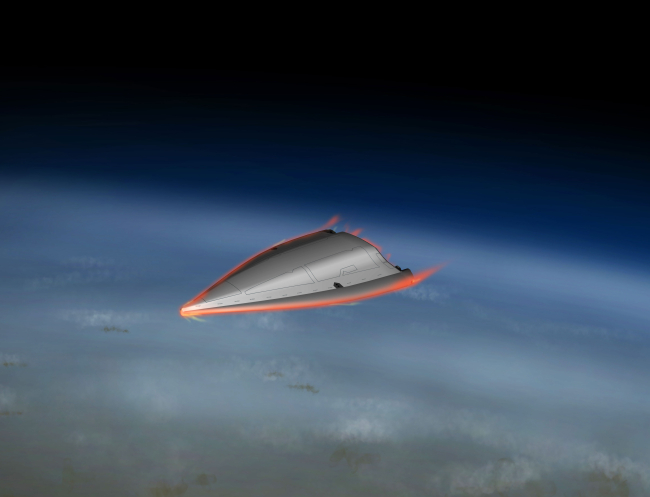
Hypersonic Weapons: What Are the Challenges for the Armed Forces?
Hypersonic systems are becoming attributes of power for the states that design and implement them, at the risk of reviving an arms race.

Germany calls for closer cooperation with France over security threats
German Defence Minister Annegret Kramp-Karrenbauer has called for closer bilateral cooperation with France in light of the tense security situation in Europe marked by the Russian “threat”, the rise of China and spreading “Islamist terrorism” in the Sahel region.
The Plight of Russia’s Air Power in the Ukraine War: Drone-Driven Innovations and Transformation of Traditional Air Force
Since the start of the Ukraine War, Russian strategic guidelines on the application of air power—seen as the decisive instrument for achieving success in modern wars—have proven to be outdated, irrelevant and even self-defeating.
Commanders of Putin's Long War: Purged, Reshuffled and Disgruntled
The trend of reshuffling the Russian top military command in the course of a fast-evolving and far from successful war has progressed unevenly both across the Armed Forces’ structures and in time. The rationale for and timing of the abrupt cadre decisions made by Commander-in-Chief Putin often defy logical explanation, and the rare official clarifications are no more informative than the usual information blackout.
Russian Military Manpower After Two and a Half Years of War in Ukraine
In addition to a military victory in Ukraine, the Russian leadership is planning to build up sizable troop formations for a possible conflict with NATO in the Baltic region and the Kola Peninsula. In particular, current plans aim for the military manpower to grow by about 350,000, reaching a total of 1.5 million soldiers and commanders. In the context of the current conflict in Ukraine, this cannot be accomplished without a new wave of mass mobilization.
France in the Indo-Pacific: The Need for a Pragmatic Strategic Posture
As US-China rivalry reaches its peak and the likelihood of a high-intensity conflict in the region seems greater than ever, this report advocates for a pragmatic recalibration of France’s strategic posture in the Indo-Pacific. This adjustment should be grounded in a realistic reframing of ambitions and an analysis of France’s core interests and the threats it faces.

Réparer 2020 ou préparer 2030 ? L’entraînement des forces françaises à l’ère du combat multi-domaine
From basic training to the conduct of international exercises, operational readiness planning aim to make the components of military capabilities (equipment, doctrines, operational know-hows) consistent with the operational contracts decided at the strategic level.
La compétition stratégique en Afrique : approches militaires américaine, chinoise et russe
While it was left behind from power politics for the last decades, Africa is at the core of a renewed attention from global powers.
Of Walls and Men: Securing African Borders in the 21st Century
African borders are well-known for their porosity. Although they are crucial economic interfaces, they also crystallize political and security tensions, in both inter-state wars and intra-state conflicts involving rebels or autonomist groups.
Penser son ennemi. Modélisations de l'adversaire dans les forces armées
The designation of an enemy is always the result of a political decision, which generally leads to the opening of hostilities.
The Gulf Monarchies' Armed Forces at the Crossroads
Something is happening with the military forces of the Arab monarchies in the Gulf.
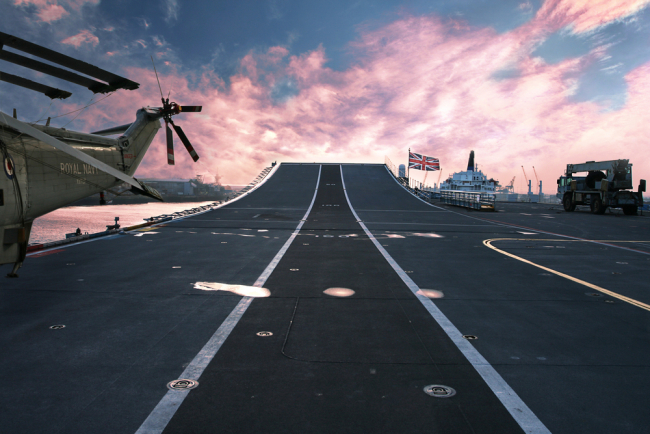
The Future of British Defense Policy
As the prospect of the United Kingdom leaving the European Union raises increasing challenges to its international position, as well as major divisions at home, the future of British defense policy seems more uncertain than ever.
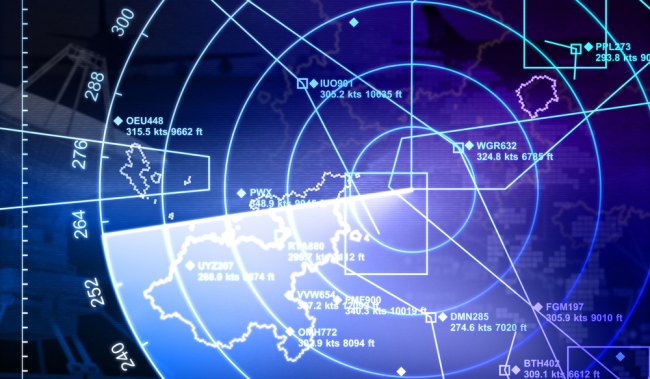
Les mutations du renseignement militaire : dissiper le brouillard de la guerre ?
Military intelligence has evolved significantly as a result of advanced technology and the changing character of war.
La Sentinelle égarée ? L’armée de Terre face au terrorisme
The 2015 terror attacks in France and the ensuing activation by the Ministry of Defense of its homeland protection plan opened a new phase in the long history of the French Army’s involvement in internal security.
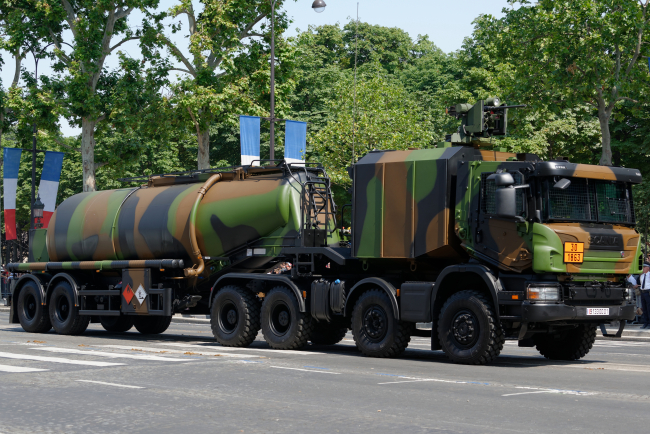
La sécurité énergétique des armées françaises. Le soutien pétrolier à l’heure de la transition
Ever since its inception on the eve of World War One, the concept of securing fuel supply has consistently proven its vitality to military operations.

Digital Hoplites: Infantry Combat in the Information Age
FELIN, the world's first "integrated soldier system", will enter service in the French Army this year. Throughout history, infantrymen have sought to capitalize on technology while seeking the best compromise between three basic requirements: mobility, firepower and protection of combatants.
French-German future combat aircraft project on the brink of collapse
Eight years after Emmanuel Macron and Angela Merkel launched the SCAF, this symbol of European sovereignty in defense is on the verge of collapse. At issue are the demands of the project's main contractor, Dassault Aviation, which Berlin considers excessive, as well as political and strategic differences between France and Germany.
France's strategic thinking in the Middle East is at a standstill
French President Emmanuel Macron was poised to arrive in Jordan for a two-day visit starting on Tuesday, December 20. French troops are deployed in the country as part of the Chammal military operation. Héloïse Fayet, a researcher with the Institut Français des Relations Internationales (French Institute of International Relations) who specializes in the armed forces present in the Middle East, told Le Monde that the terrorist threat in the region was almost eliminated. This, she said, should lead Paris to rethink its strategy. Ms. Fayet published a study in mid-November examining France's strategic posture in the Middle East.
How Rwanda Became Africa’s Policeman
From Benin to Mozambique, President Paul Kagame is flexing his small country’s military muscle—and transforming the continent’s security landscape.
Germany calls for closer cooperation with France over security threats
German Defence Minister Annegret Kramp-Karrenbauer has called for closer bilateral cooperation with France in light of the tense security situation in Europe marked by the Russian “threat”, the rise of China and spreading “Islamist terrorism” in the Sahel region.
Ifri, a foundation recognized as being of public utility, relies largely on private donors – companies and individuals – to guarantee its sustainability and intellectual independence. Through their funding, donors help maintain the Institute's position among the world's leading think tanks. By benefiting from an internationally recognized network and expertise, donors refine their understanding of geopolitical risk and its consequences on global politics and the economy. In 2026, Ifri partners with over 90 French and international companies and organizations.
