



The Plight of Russia’s Air Power in the Ukraine War: Drone-Driven Innovations and Transformation of Traditional Air Force
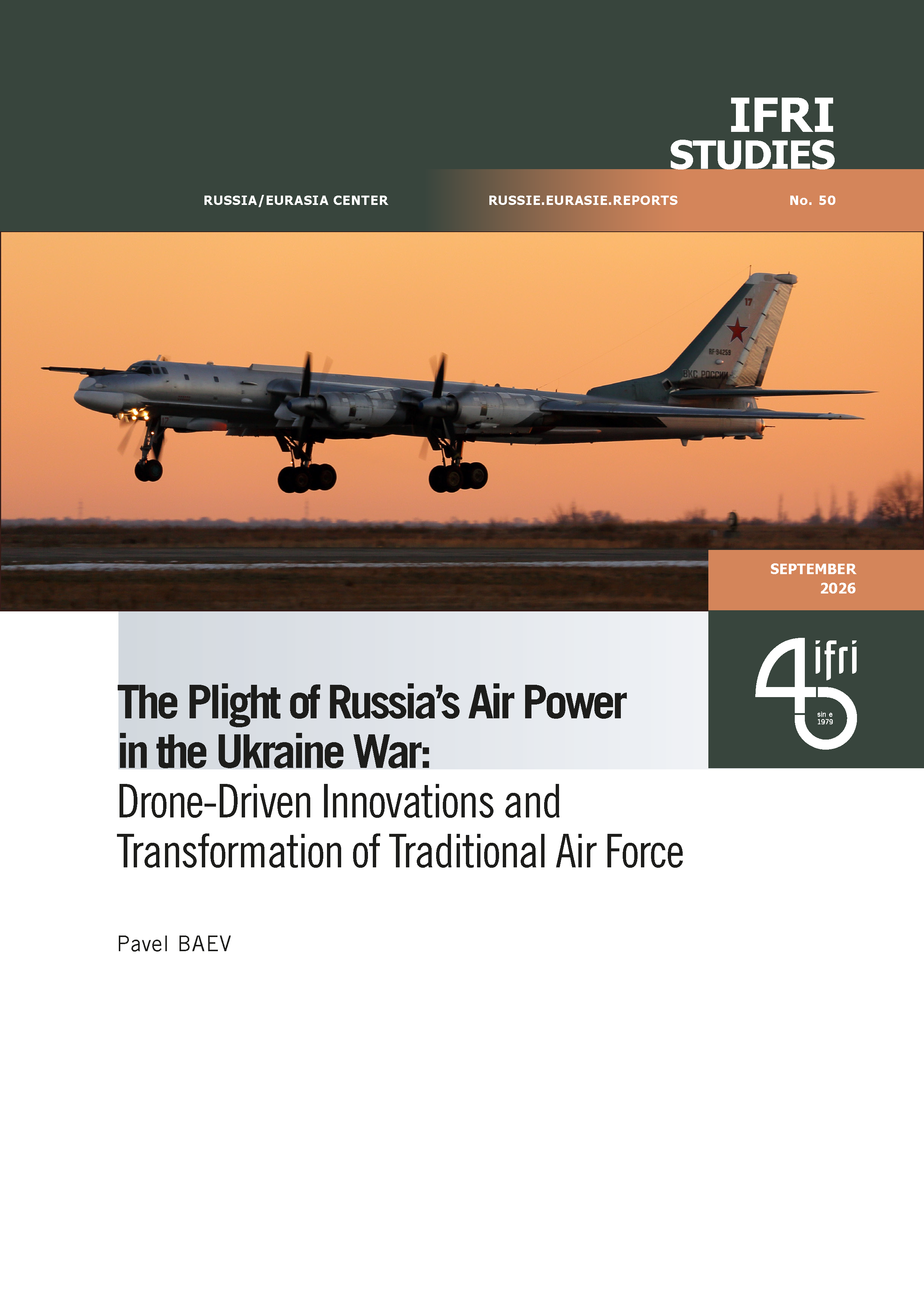
Since the start of the Ukraine War, Russian strategic guidelines on the application of air power—seen as the decisive instrument for achieving success in modern wars—have proven to be outdated, irrelevant and even self-defeating.
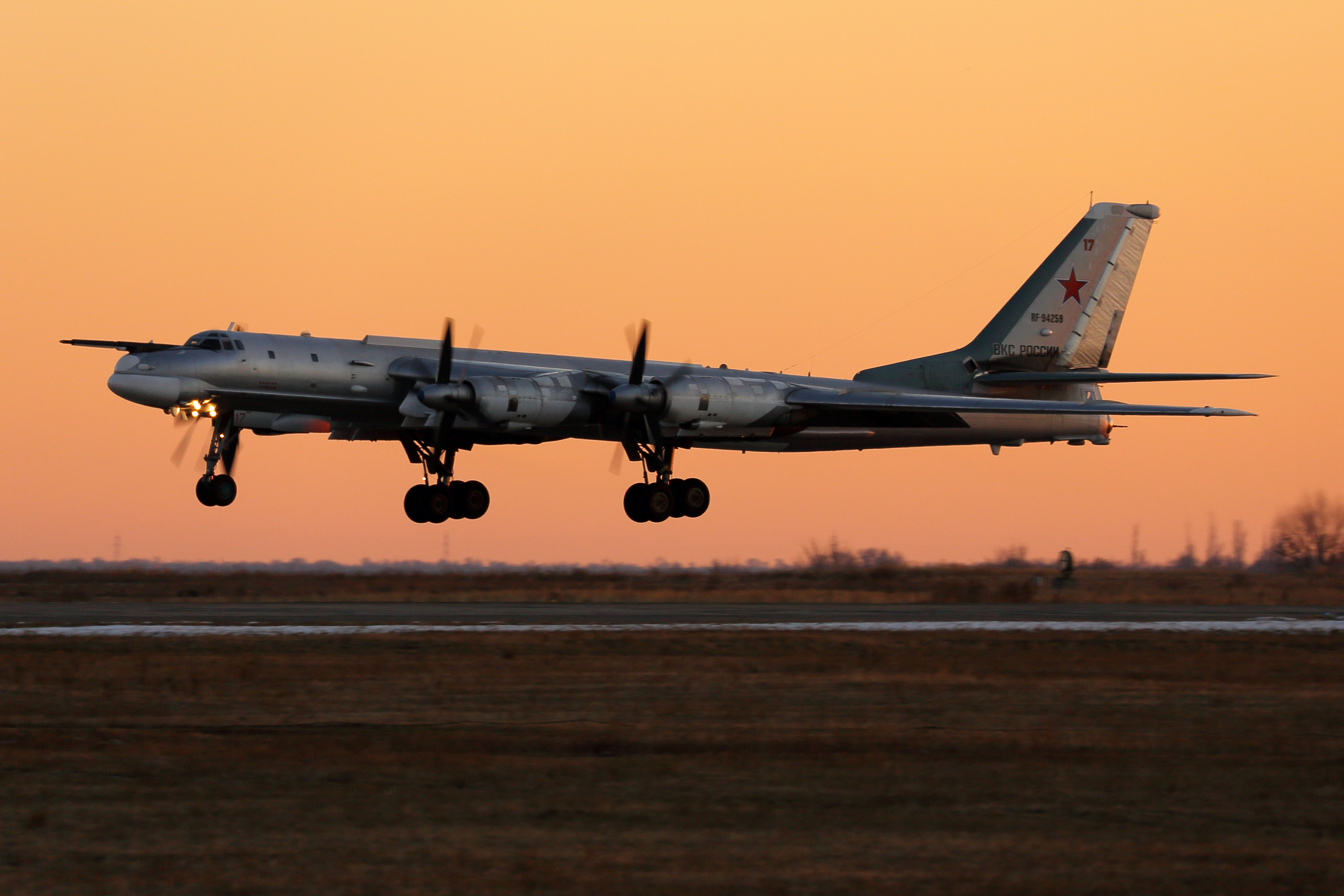
In the course of the continuously evolving 55-month-long war, Russian Aerospace Forces have adjusted to the operational environment, in which the goal of establishing dominance in the air has proven to be beyond reach, and accumulated valuable combat experience. The main change that the pre-war air doctrine had failed to anticipate is the massive use of drones, which is organized (but hardly conceptualized) by the newly created Unmanned Systems Forces command, a separate branch of the Russian Armed Forces. The heavy emphasis on the mass production and large-scale use of tactical and long-distance drones has inevitably curtailed the volume of resources allocated for modernization of Russian tactical and long-range aviation. The latter in particular has suffered irreplaceable losses and degradation of its fleet of planes, while the effectiveness of the strikes by cruise missiles has significantly diminished. The main new capability in tactical aviation is the experience in delivering strikes with glide bombs, but the ability to provide effective ground support remains limited. The drone-driven revolution in military affairs keeps unfolding, but as the United States-Israeli air assault on Iran has demonstrated, the role of the modern air forces remains pivotal. The parallel processes of modernization and degradation in the Russian Aerospace Forces make them a complex challenge to the European neighbors, which can be effectively countered by the ongoing build-up of capabilities in the North Atlantic Treaty Organization (NATO) member-states.
The devastating US-Israeli aerial attack on Iran launched on February 28, 2026 and sustained until the ceasefire agreement on April 8, with new strikes continuing in summer, demonstrated the colossal offensive capacity of modern airpower, something that Russia has been unable to produce in the long war against Ukraine launched on February 24, 2022. The Iran War has proven that airpower alone cannot ensure a victory against a determined adversary, but the Ukraine War has shown that large-scale ground operations cannot achieve decisive success without effective application of airpower. Russia’s advantage over Ukraine in all elements of airpower in the initial phase of war was overwhelming; yet, the goal of establishing dominance in the air proved to be beyond reach. Four and a half years later, Russia still has superior numbers of air platforms and has learned many lessons; nevertheless, it cannot operate in the Ukrainian airspace or provide effective air support for the troops engaged in pitched battles along the 1,250 km front line. Russia’s failure to turn its superiority in airpower into a decisive edge for an effective blitzkrieg was a surprise for many Western experts. Further surprises were delivered by the massive use of drones, which necessitated rethinking the definition of airpower and reconceptualization of the application of its traditional and emerging elements. Presently, the key issue is the capacity of the war-damaged but also modernized Russian Aerospace Forces (Vozdushno-Kosmicheskie Sily, VKS), its key branch Air Force (Voenno-Vozdushnye Sily, VVS) and the newly-created Unmanned System Forces (Voiska Bespilotnyh System, VBS) for generating threats to the most exposed NATO member-states in probable confrontations in the near future.
What makes this issue hard to examine is not only the shortage of reliable data aggravated by the tightening censorship in Russia, but also the apparent differences in the development of various elements of airpower, so that modernization and degradation are combined in a fluid blend. There is no doubt, for that matter, that Russia has achieved impressive advances in the tactical use of drones in the “killzone” and in executing massive combined drone-missile attacks on Ukrainian cities. It is also clear that these achievements fall short of granting Russian forces an effective superiority in ground attacks or in eroding the enemy’s will to resist; in fact, by mid-2026, Ukraine has gained new advantages in projecting airpower. What is less obvious is the negative impact on other VKS capabilities, because the heavy emphasis on expanding the production of tactical and long-distance drones has aggravated the shortcomings in modernization of the tactical aviation and resulted in a significant decline in strategic aviation. Hard data on this underinvestment is scarce, but the deep crisis in the civilian aircraft industry provides an informative illustration.
The experience of the protracted war requires serious changes in the strategic guidelines on the application of air power in combat operations as well as in the doctrinal propositions on the role and composition of air power in Russia’s military posture. Russian VKS have shown capacity for learning and also a remarkable ability not to learn, for which Crimea provides a perfect example. The vision of building a “Fortress Crimea” impenetrable to hostile encroachments was destroyed already in September 2023 by the Ukrainian missile strike on the Black Sea Fleet HQ in Sevastopol, which compelled the withdrawal of most Russian combat ships to the Novorossiysk base. Russian command continues, nevertheless, to deploy valuable VKS assets to several airbases in Crimea, where those are repeatedly and successfully hit by well-targeted Ukrainian strikes. Resistance in the vast Russian military bureaucracy to even the most necessary reforms remains strong, but the main reason for poor learning is the reluctance to admit mistakes, which is in line with the Kremlin’s insistence on the rationale for and the inalterable goals of the “special military operation”, so the political demand for innovative military thinking appears to be non-existent.
This report doesn’t aspire to draw comprehensive lessons regarding the strength and weakness of the Russian VKS and VVS from the evolving war or to assess the scope of aerial threats to NATO in the foreseeable future. The more limited aim here is to examine the most recent discrepancies between Russia’s evolving perceptions on the application of air power and the ongoing reconfiguration of the Aerospace Forces.
The vast gap between strategic aims shaped by these perceptions and available capabilities determined the failure to achieve the initial war aims, and it has not been closed by the middle of its fifth year, though various adjustments are executed. Russia’s aspirational claim for a “Great Power” status, which the Ukraine War is supposed to ascertain, necessarily translates into the desire to possess superior air power, but the capacity to fulfill this urge is significantly degraded. Much the same way as the vision of “great-powerness” persists from the Soviet era, the perceptions of the potency of airpower are rooted in the Cold War era concepts, enriched by various modern experiences, including those gained in the Syrian intervention, and presently informed by vague impressions on the inconclusive Gulf War. The guidelines for development of own capabilities are typically dismissive of the limitations in available resources and deterioration of the industrial base, but their general orientation on a future contestation with the European NATO allies is unmistakable. The divergence between perceptions and capabilities, therefore, not only persists, but also gains new features, some of which, particularly pertaining to the development of the Space Forces or the strategic early warning system (both are parts of the VKS), are left outside the limited scope of this analysis.
Dr. Pavel K. Baev is an Associate Research Fellow at Ifri’s Russia/Eurasia Center, a Researcher and Professor at the Peace Research Institute, Oslo (PRIO), and a Senior Non-Resident Fellow at the Brookings Institution. After graduating from Moscow State University (MA in Political Geography, 1979), he worked in a research institute of the USSR Ministry of Defense, received a PhD in International Relations from the Institute for US and Canadian Studies, USSR Academy of Sciences (1988), and then worked for the Institute of Europe, Moscow. He joined PRIO in October 1992. He writes a weekly column for the Jamestown Foundation’s Eurasia Daily Monitor.

Available in:
Themes and regions
ISBN / ISSN
Share
This page contains only a summary of our work. If you would like to have access to all the information from our research on the subject, you can download the full version in PDF format.
The Plight of Russia’s Air Power in the Ukraine War: Drone-Driven Innovations and Transformation of Traditional Air Force

Russia/Eurasia Center
Founded in 2005 within Ifri, the Russia/Eurasia Center conducts research and organizes debates on Russia, Eastern Europe, Central Asia, and the South Caucasus. Its goal is to understand and anticipate the evolution of this complex and rapidly changing geographical area in order to enrich public discourse in France and Europe and to assist in strategic, political, and economic decision-making.
China in Kyrgyzstan and Tajikistan: From Economic Presence to a New Security Role
Over the past three decades, China’s influence in Central Asia has steadily expanded, but in the last three to five years this process has entered a markedly accelerated phase. Following 2022, Beijing effectively revised both its strategy and its operational approach toward the region.

Between Russia and Europe, between War and Peace: What is at Stake in Armenia’s Upcoming Elections?
Armenia’s June 7, 2026, parliamentary election is shaping up less as a routine vote than as a referendum on Nikol Pashinyan’s post-2020 course, which includes peace with neighbors, reduced dependence on Russia, and a more explicit European orientation. The ruling Civil Contract party is still the frontrunner, but its position is fragile, as the campaign is being fought in a highly polarized environment shaped by the trauma of defeat in the war against Azerbaijan, the displacement of Karabakh Armenians, and the massive election interference from Russia.
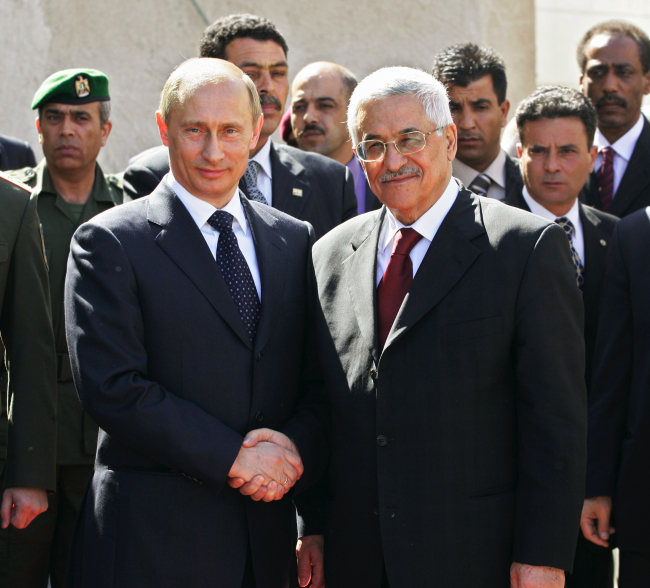
Russia, the Palestinians and Gaza: Adjustments after October 7th
The Soviet Union (USSR), and subsequently the Russian Federation as its internationally recognized legal successor, has consistently sought to play a visible role in efforts to resolve the Israeli-Palestinian conflict.
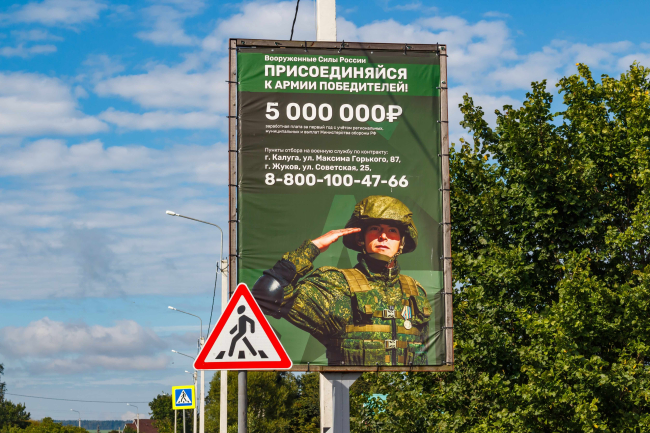
Deathonomics: The Social, Political, and Economic Costs of War in Russia
The report attempts to outline and examine a truly new phenomenon in Russian society, dubbed “deathonomics”—the making of a mercenary army against the backdrop of the Kremlin’s war in Ukraine, eventually replacing both the Soviet (conscript) and early new Russian (contract) armies. It notes that, by the end of 2023, this trend had turned the military service into one of the highest-paying professions in the country, something not seen in Russia on such a scale since the late 17th century.