








Energy-Climate
In the face of the climate emergency and geopolitical confrontations, how can we reconcile security of supply, competitiveness, accessibility, decarbonization and acceptability? What policies are needed?
Related Subjects
The US’s Critical Mineral Offensive Strategy: How Can Europe Step Up?

As Organization for Economic Co-operation and Development (OECD) economies are confronted with mounting threats to critical raw materials (CRM) supplies, resolute interventionist policies are needed to build resilient value chains.

The US Mineral Independance Strategy : An All-Out Mobilization
The Trump administration has been very actively designing and implementing a new strategy for reliable supply of critical minerals which aims at reducing the country’s vulnerabilities and becoming a leader in this field.
The Automotive Industry: The Achilles’ Heel of German Economy?
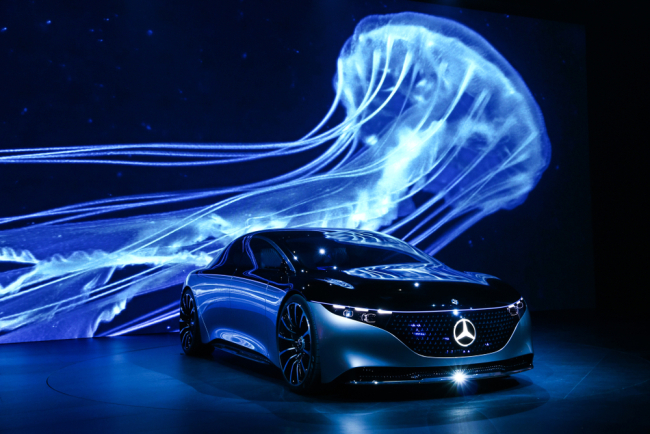
The global car market has been shrinking since 2018. This is a key economic sector for Germany whose producers belong to the Top 15 carmakers worldwide. Yet they are running the risk of being outclassed and eventually replaced, given emerging actors in the USA and China.

France eagerly awaits more detailed climate plan from China
The two countries have been solid partners throughout the Trump era and France is now watching China’s investments closely, both at home and abroad.


Nord Stream 2: Europe stays quiet while US ‘tramples over EU sovereignty’
With the recent adoption of its defence budget for 2021, the US has further tightened the screw on Nord Stream 2, threatening sanctions on EU companies involved in the Russian-backed pipeline and putting the future of the project further into uncertainty.
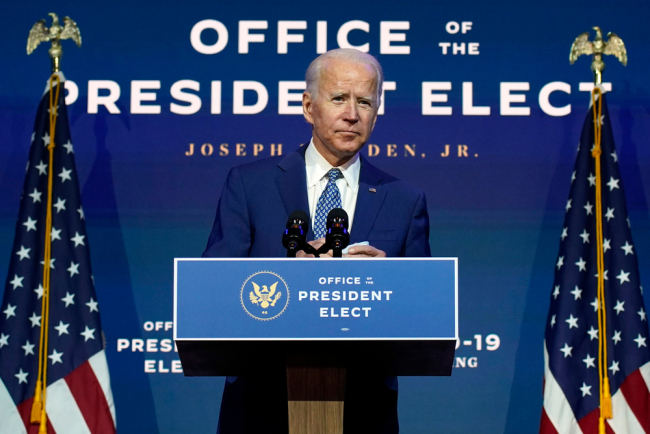
United States Climate Politics Under Biden: Is the Clean Energy Revolution Under Way?
For most of United States (US) history, environmental issues enjoyed bipartisan support. While Democratic President Johnson signed the Clean Air Act in 1963, Republican President Nixon established the Environmental Protection Agency (EPA) in 1970. America’s “environmental decade” culminated under President Carter, with Congress enacting ambitious environmental legislation.
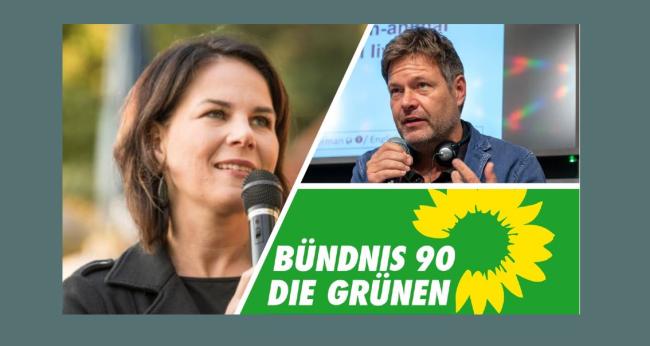
The German Green Party, a new People's Party?
In the context of increasing awareness of the climate crisis, environmental parties across the EU obtained high scores in the European elections of May 2019, reaching 20% in Germany, 17% in Ireland, 16% in Finland and 13 % in France. Meanwhile, far-right parties gained strength.

South Africa’s Energy Policies: Are Changes Finally Coming?
Energy and electricity policy, planning and regulation in South Africa has been slow and bureaucratic, lacking visionary leadership, and marred by uncertainty. Policy positions and actions taken have tended to be reactive, and driven more by crisis management than by forward-looking leadership.

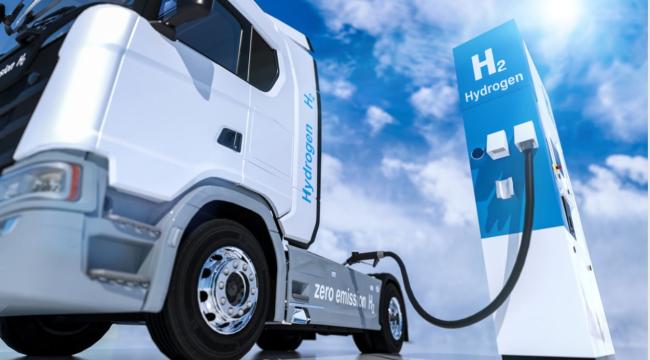
China Defies Elon Musk’s Warnings and Pushes Ahead With Hydrogen
Asia’s biggest economy wants to promote fuel cells for trucks. Renewable energy investments should make hydrogen less costly. Tesla Inc.Chief Executive Officer Elon Musk has spent years mocking the idea of using hydrogen fuel cells rather than electric batteries to power next-generation green vehicles.
A Review of Recent Trends in China’s Gas Sector and a Glimpse into the 14th Five-Year Plan
China’s economy has rebounded since April 2020 and China is one of the few countries in the world that is expected to avoid a recession in 2020. With low imported gas prices, progress with the gas market liberalization and success in pushing up shale gas production, the window of a golden age for gas has opened up again in China.
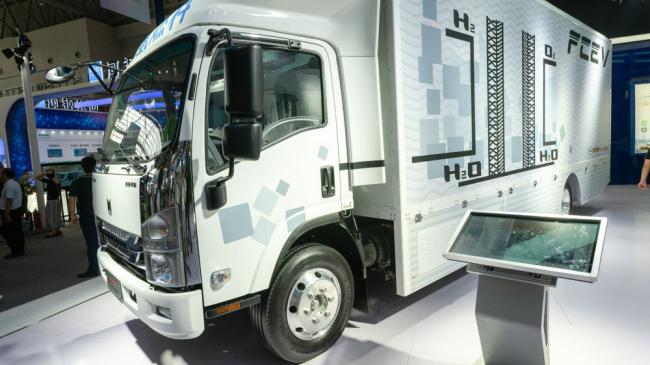
Prospects of a Hydrogen Economy with Chinese Characteristics
This study assesses the prospects of a hydrogen economy with Chinese characteristics. Against the backdrop of an escalating US-China trade war and the ongoing novel coronavirus (COVID-19) pandemic, key Chinese stakeholders become increasingly interested in moving the hydrogen economy agenda forward.

The Renovation Wave: A Make or Break for the European Green Deal
European buildings are old and too often inefficient, past policies have not delivered and the amount of investment into energy efficiency must be scaled up dramatically to meet the 2030 targets and ultimately, the carbon neutrality objective.
Turkey’s New Gas Discovery in the Black Sea and Its Potential Implications
Turkish President Recep Tayyip Erdogan announced Turkey’s biggest gas discovery ever on August 21, 2020. Initial findings show that the estimated reserve capacity is 320 billion cubic meters (bcm) of gas.
Ambitious New Climate Goals Shouldn't Let China off the Hook
Xi Jinping’s announcement of carbon neutrality is impeccably timed, but the hard part lies ahead.

Japan’s Hydrogen Society Ambition: 2020 Status and Perspectives
Japan has been steadfastly promoting the development of its hydrogen economy at all levels: political, diplomatic, economic and industrial. It is yet to be seen if this excitement can be turned into a credible, cost-effective and large scale deployment.
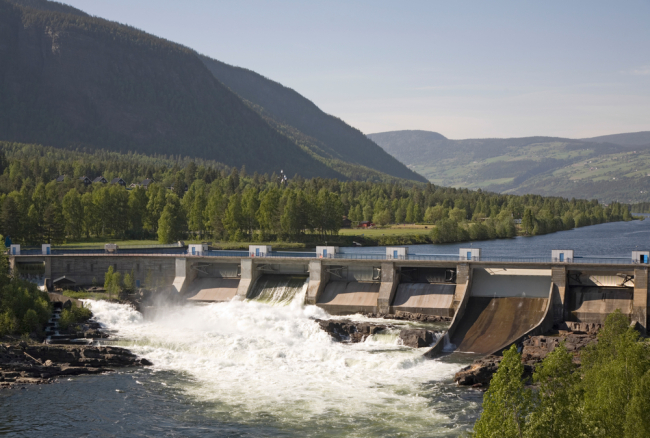
Norway as a Decarbonization Hub for the European Union
The European Union (EU) is committed to reach climate neutrality by 2050. Similarly, Norway aims to create a zero-emission society by that same year.
Shaping the future of the EU: reviving the Europeanisation process
More than ten years after joining the European Union (EU), the Central and Eastern European countries (CEECs) exhibit a puzzle of attitudes and conceptions regarding the EU.

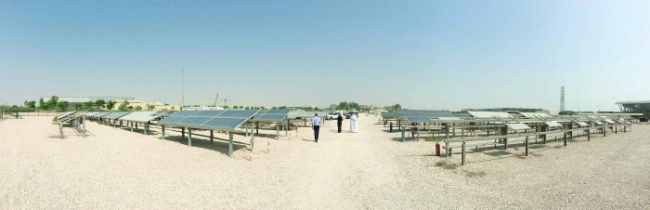
QF scales up mission to expand Qatar’s solar energy vision
Governments across the globe are increasingly focusing on the benefits of sustainable energy and Qatar is no different. As part of its national vision, the country is working to create harmony between environmental protection and economic growth.
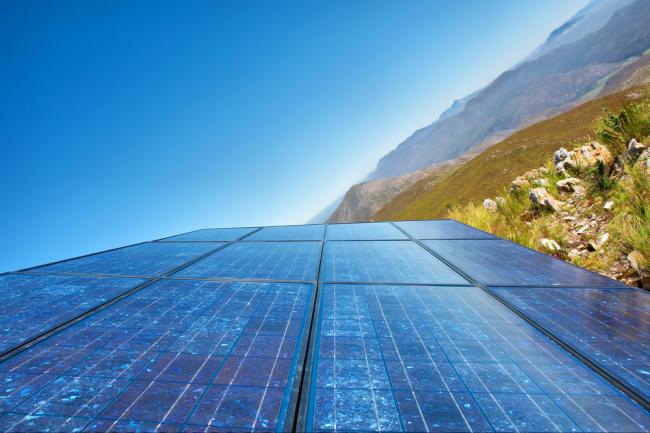
Solar Power in Sub-Saharan Africa after COVID-19: Healing the Ills of the Sector
The electrification of sub-Saharan Africa is one of the great challenges of the 21st century. It is essential if we are to succeed in creating the 20 million jobs each year necessary to absorb the demographic growth of the region,[1] which is set to have 2.1 billion inhabitants in 2050, compared to 1.1 billion today.[2]
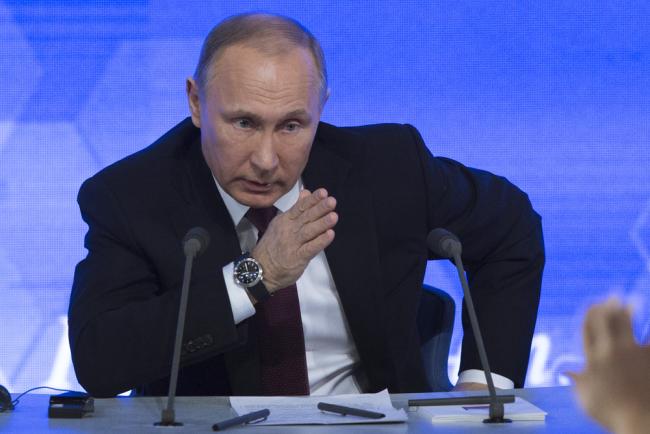
Russia, the Global Sanitary Crisis and Oil Meltdown: Revisiting Power and the Enemy
In global affairs, the Covid-19 virus makes all countries, powers and individuals equal in one dimension: none is immune to or spared from contamination. In an open and interdependent world, we are all exposed to global sanitary and environmental degradations. Russia is no exception: it has gone into lockdown, with increasing economic and social costs adding up to the fall in oil and gas prices and upcoming impacts of the global recession.
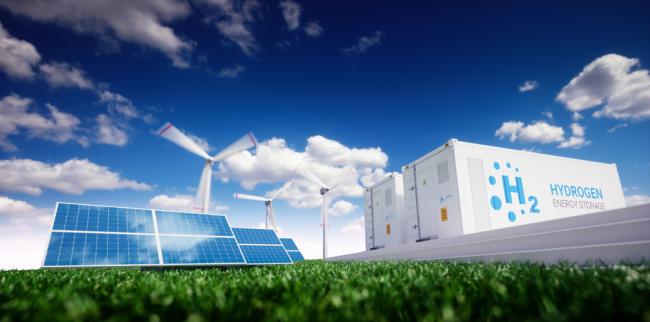
Perspectives on a Hydrogen Strategy for the European Union
There is now a wide understanding that larger use of clean hydrogen in future can be an important mean to achieve decarbonisation of the European economy.
Ambitious New Climate Goals Shouldn't Let China off the Hook
Xi Jinping’s announcement of carbon neutrality is impeccably timed, but the hard part lies ahead.
Japan’s Hydrogen Society Ambition: 2020 Status and Perspectives
Japan has been steadfastly promoting the development of its hydrogen economy at all levels: political, diplomatic, economic and industrial. It is yet to be seen if this excitement can be turned into a credible, cost-effective and large scale deployment.
Norway as a Decarbonization Hub for the European Union
The European Union (EU) is committed to reach climate neutrality by 2050. Similarly, Norway aims to create a zero-emission society by that same year.
Shaping the future of the EU: reviving the Europeanisation process
More than ten years after joining the European Union (EU), the Central and Eastern European countries (CEECs) exhibit a puzzle of attitudes and conceptions regarding the EU.
Russia, the Global Sanitary Crisis and Oil Meltdown: Revisiting Power and the Enemy
In global affairs, the Covid-19 virus makes all countries, powers and individuals equal in one dimension: none is immune to or spared from contamination. In an open and interdependent world, we are all exposed to global sanitary and environmental degradations. Russia is no exception: it has gone into lockdown, with increasing economic and social costs adding up to the fall in oil and gas prices and upcoming impacts of the global recession.

South Korea’s Hydrogen Strategy and Industrial Perspectives
South Korea is a hydrogen (H2) frontrunner. The world’s first commercial fuel cell electric vehicle (FCEV) was launched by the South Korean car manufacturer Hyundai (Tucson i×35) in 2013.
POSCO Energy, South Korea’s largest private energy producer, completed the world’s largest fuel cell manufacturing plant in 2015. When President Moon took office in 2018, the new government identified H2 as a new growth engine, and pledged to turn the country into a H2 economy.
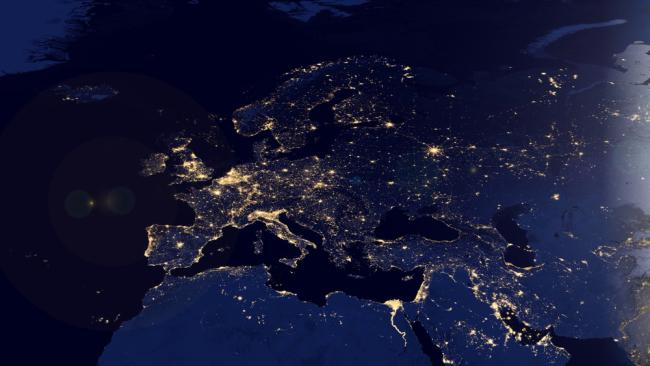
The Green Deal’s External Dimension. Re-Engaging with Neighbors to Avoid Carbon Walls
The European Union (EU)’s Green Deal is a game changer with attention so far focused on forthcoming actions plans, the Climate Law, financial resources, the revision of the 2030 targets and of the emissions trading system (ETS).
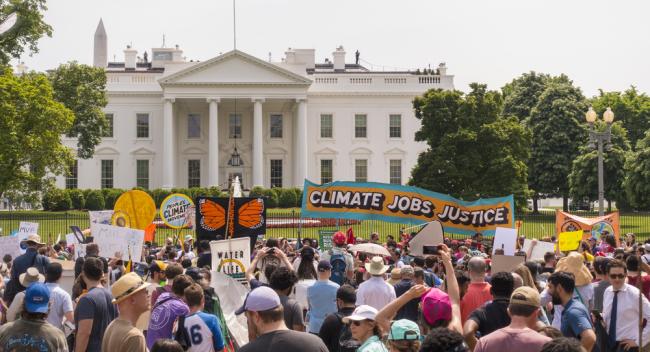
The Battle Heats Up: Climate Issues in the 2020 US Presidential Election
Environmental issues have frequently enjoyed bipartisan support in American history: the Clean Air Act was enacted in 1963 under Democratic President Johnson, and the Environmental Protection Agency (EPA) was established in 1970 under Republican President Nixon.
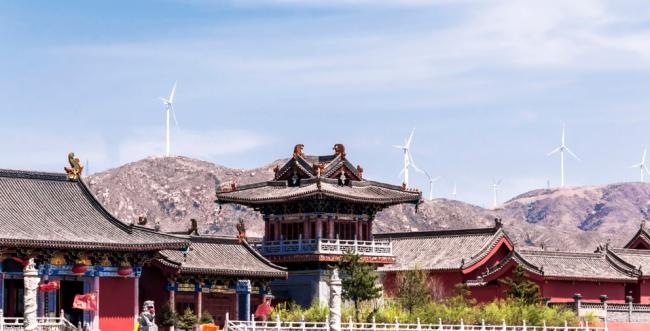
China’s Ambiguous Positions on Climate and Coal
China’s 2018 energy consumption data capture the ambiguity of Beijing’s attitude toward climate change. Energy demand rose by 3.5% to 3,155 million tonnes of oil equivalent (Mtoe), with an increase of coal consumption (though its share in the overall energy mix is decreasing) and an expected greenhouse gas (GHG) emission surge of 2.3%, to 9.5 gigatonnes (Gt) for the same year.

(De)globalization of International Plastic Waste Trade: Stakes at Play and Perspectives
The world plastic production has been multiplied by 23 since 1964 to reach 348 million tonnes (mt) in 2017. This production level is expected to double in the next 20 years, largely because of the significant growth in plastic consumption in developing countries. Today, China is the largest producer of plastics (representing nearly 30% of global production) and the European Union (EU) comes second (18.5%) with 64 mt.
Ifri, a foundation recognized as being of public utility, relies largely on private donors – companies and individuals – to guarantee its sustainability and intellectual independence. Through their funding, donors help maintain the Institute's position among the world's leading think tanks. By benefiting from an internationally recognized network and expertise, donors refine their understanding of geopolitical risk and its consequences on global politics and the economy. In 2026, Ifri partners with over 90 French and international companies and organizations.

Ifri's Energy and Climate Center carries out activities and research on the geopolitical and geoeconomic issues of energy transitions such as energy security, competitiveness, control of value chains, and acceptability. Specialized in the study of European energy/climate policies as well as energy markets in Europe and around the world, its work also focuses on the energy and climate strategies of major powers such as the United States, China or India. It offers recognized expertise, enriched by international collaborations and events, particularly in Paris and Brussels.