


Asia and Indo-Pacific
Asia and the Indo-Pacific are often presented as the heart of international relations in the 21st century.
Related Subjects


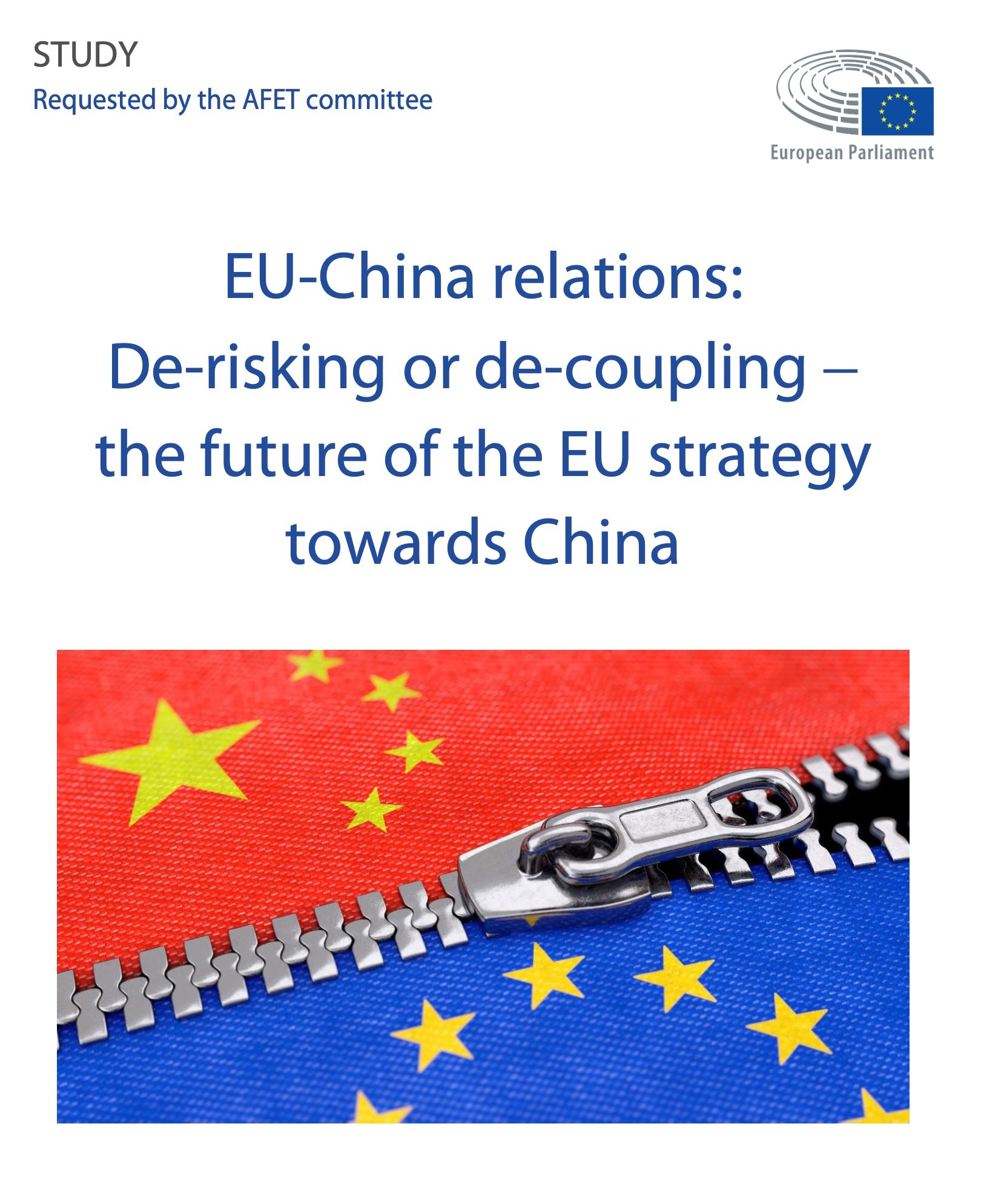
EU-China relations: De-risking or de-coupling − the future of the EU strategy towards China


The regional economic order: Four scenarios
What will the economic order in the Indo-Pacific region look like twenty years from now? What are the major trends shaping it, and how are they likely to evolve in the near future?
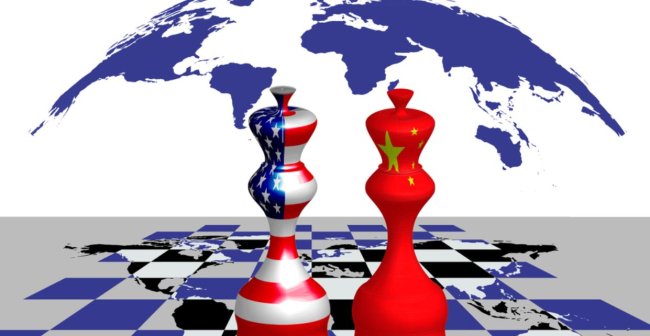
Towards the Second Crusade?
Europeans first grew aware of a possible pandemic exactly one year ago. The wave is here. It has submerged the world, claiming many lives and causing tremendous collateral damage.
Turkey-China Relations: Ambitions and Limits of the Economic Cooperation
At first glance, China and Turkey have many interests to cooperate. The deployment of the Chinese Belt and Road Initiative (BRI), Turkey's colossal investment and financing needs, as well as President Erdogan's mistrust of the West, appear as many converging interests. Yet economic cooperation between the two countries is struggling to achieve its full potential. Political differences persist, particularly the question of the Uyghurs.
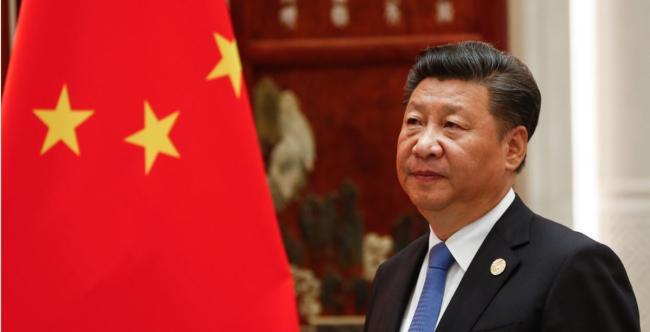
Economy and Diplomacy: China’s two Challenges in the Post-Covid-19 World
Will China rise stronger from the pandemic? A flow of media reports and op-eds have recently flourished, forecasting the decline of the West and the triumph of China on the world stage amid the COVID-19 pandemic. Some have declared the dawn of a “post-Western world”.
The Future of Europe from the US and Asian Point of View
In this special issue of Politique étrangère devoted to the proceedings of the conference organized by Ifri on April 10, 2019, in the Grand Amphitheater of the Sorbonne, on the occasion of its fortieth anniversary, discover the debate moderated by Sylvie Kauffmann between John Allen and Kishore Mahbubani.
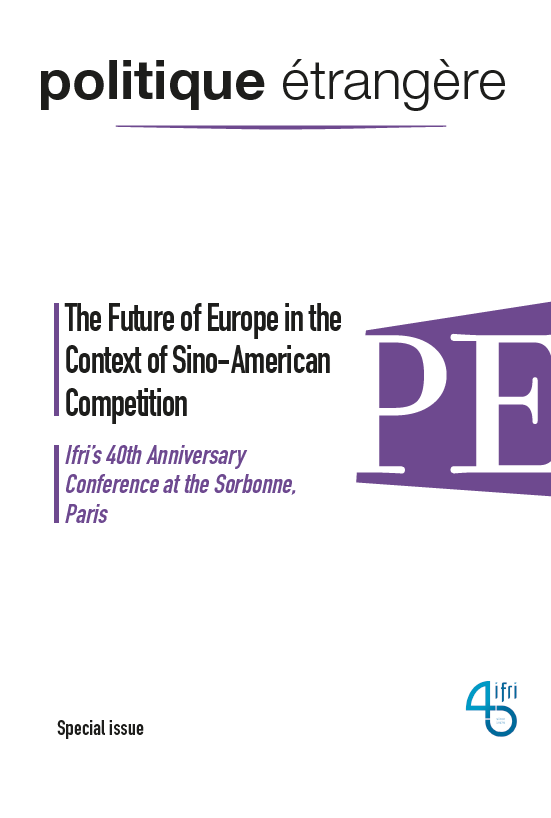
The Future of Europe in the Context of Sino-American Competition
This special issue of Politique étrangère focuses on the proceedings of the Conference organized by the French Institute of International Relations (Ifri) for its 40th anniversary, held on April 10th, 2019, in Sorbonne University's Grand Amphithéâtre.

France’s Indo-Pacific strategy: inclusive and principled
France’s recently launched Indo-Pacific strategy has attracted many critical and sarcastic comments.

No Longer a Middle Power: Australia’s Strategy in the 21st Century
Confronted with a strained strategic environment and a relative decline of its resource base, Australia is currently going through a historical shift of its global status.

The ‘Conservative Turn’ in Indonesian Islam: Implications for the 2019 Presidential Elections
Despite Indonesia’s reputation for a traditionally moderate brand of Islam, religious conservativism is gaining considerable political traction in the lead up to this April’s presidential election.
Trump's trade policy: pushing back against China
Although not akin to the protectionist policies practiced by the United States through the 1930s, the trade war launched by the Trump administration since early 2018 challenges the principles and institutions of free trade.
Support independent French research
Ifri, a foundation recognized as being of public utility, relies largely on private donors – companies and individuals – to guarantee its sustainability and intellectual independence. Through their funding, donors help maintain the Institute's position among the world's leading think tanks. By benefiting from an internationally recognized network and expertise, donors refine their understanding of geopolitical risk and its consequences on global politics and the economy. In 2026, Ifri partners with over 90 French and international companies and organizations.

Related centers and programs
European Think-tank Network on China (ETNC)
The European Think-tank Network on China (ETNC) is a gathering of China experts from a selection of European research institutes. It is devoted to the policy-oriented study of Chinese foreign policy and relations between China and European countries as well as China and the EU. It facilitates regular exchanges among participating researchers with a view to deepening the understanding within the European policy and research community and the broader public of how Europe, as a complex set of actors, relates with China and how China’s development and evolving global role is likely to impact the future of Europe. The network’s discussions and analyses take a decidedly ‘bottom-up’ approach, accounting for the various aspects of bilateral relations between European countries and China, and the points of convergence and divergence among EU member states in order to examine EU-China relations in a realistic and comprehensive way. The views presented in ETNC reports are the sole responsibility of the signed authors and do not in any way represent the views of all members of the ETNC, its participating institutions, nor the institutions with which the authors are affiliated.
Center for Asian Studies
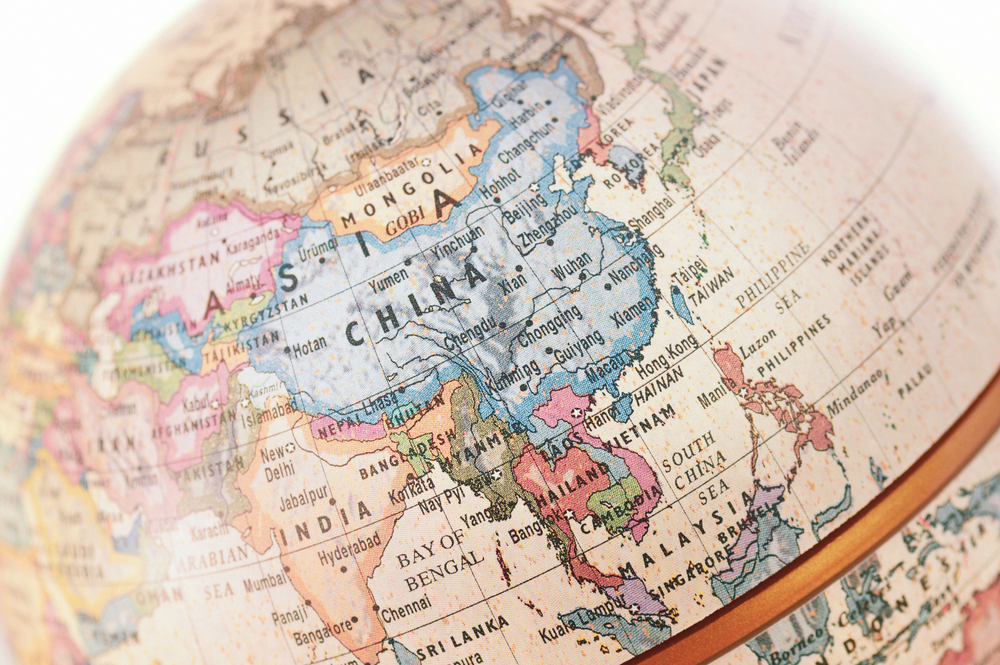
Asia is a nerve center for multiple global economic, political and security challenges. The Center for Asian Studies provides documented expertise and a platform for discussion on Asian issues to accompany decision makers and explain and contextualize developments in the region for the sake of a larger public dialogue.
The Center's research is organized along two major axes: relations between Asia's major powers and the rest of the world; and internal economic and social dynamics of Asian countries. The Center's research focuses primarily on China, Japan, India, Taiwan and the Indo-Pacific, but also covers Southeast Asia, the Korean peninsula and the Pacific Islands.
The Centre for Asian Studies maintains close institutional links with counterpart research institutes in Europe and Asia, and its researchers regularly carry out fieldwork in the region.
The Center organizes closed-door roundtables, expert-level seminars and a number of public events, including an Annual Conference, that welcome experts from Asia, Europe and the United States. The work of Center’s researchers, as well as that of their partners, is regularly published in the Center’s electronic journal Asie.Visions.