




German Domestic Policy
The analysis of Germany, at both the national and regional levels, is necessary to understand the contemporary issues that polarize, drive debates, and influence both political parties and the government.
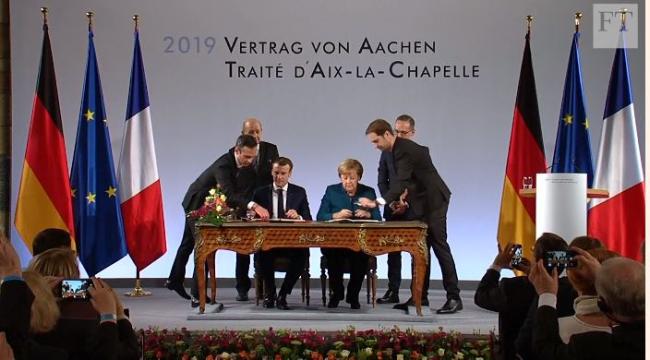
Merkel and Macron betray weakness with cautious Aachen treaty
When Angela Merkel and Emmanuel Macron sign a new Franco-German treaty in the historic city of Aachen on Tuesday, there will be much soaring rhetoric about the deepening ties between the two countries. To critics, though, the Treaty of Aachen is thin gruel. Anyone hoping for a new, tighter alliance between France and Germany, and for signs that the two countries might once again drive European integration, will be disappointed.
The Wider Context: Germany's Baltic Engagement, the ‘Munich Consensus’ and the Future of European Security
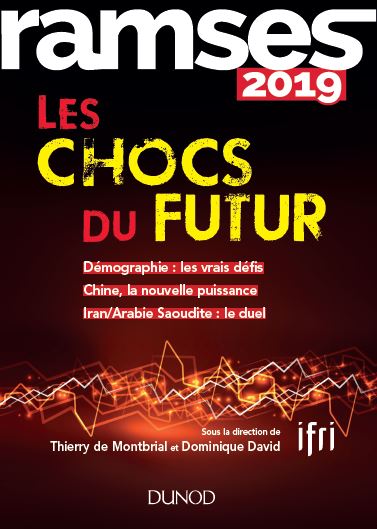
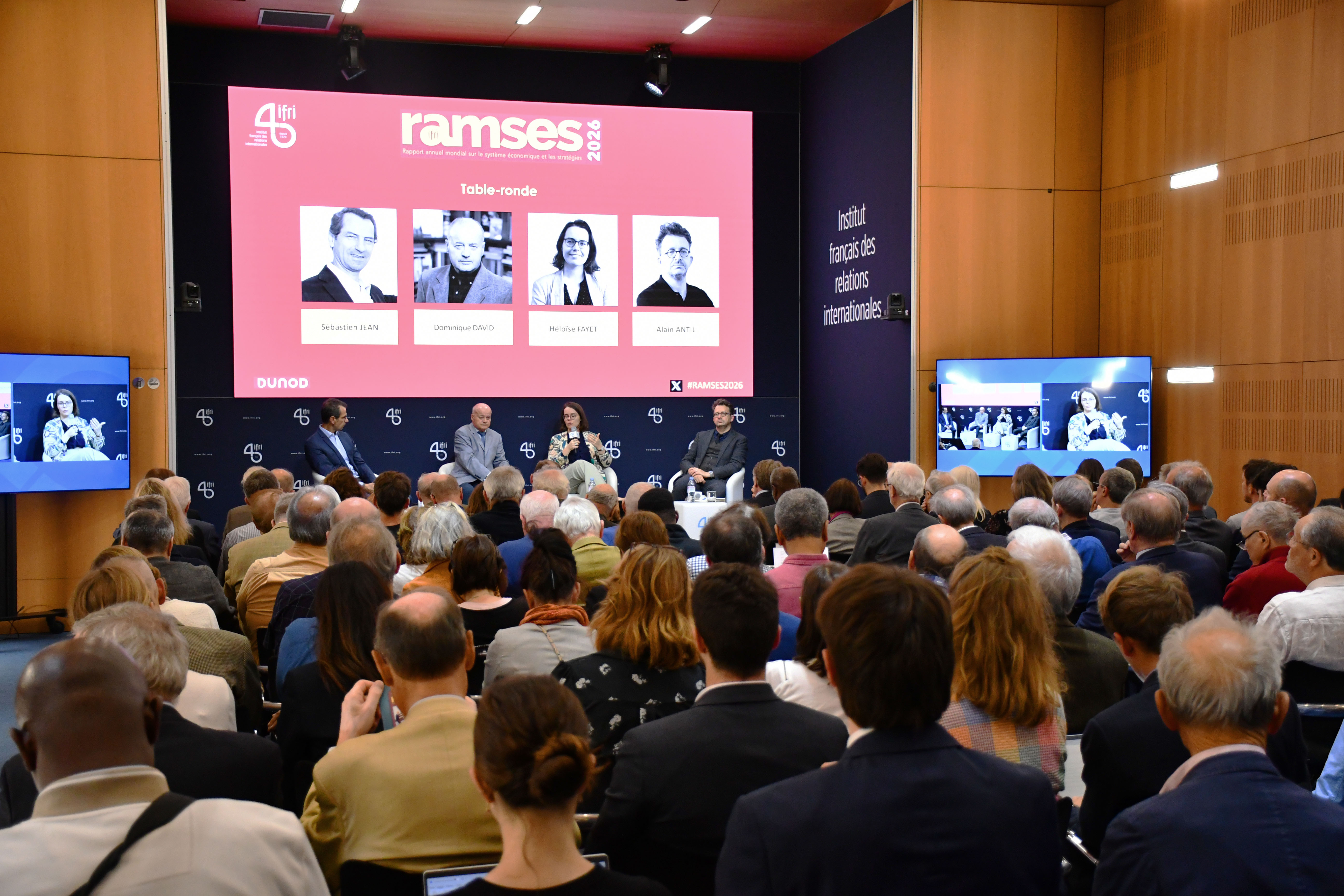
RAMSES 2019. The Clashes of the Future
RAMSES 2019. The Clashes of the Future, written by Ifri's research team and external experts, offers an in-depth and up-to-date analysis of global geopolitics.
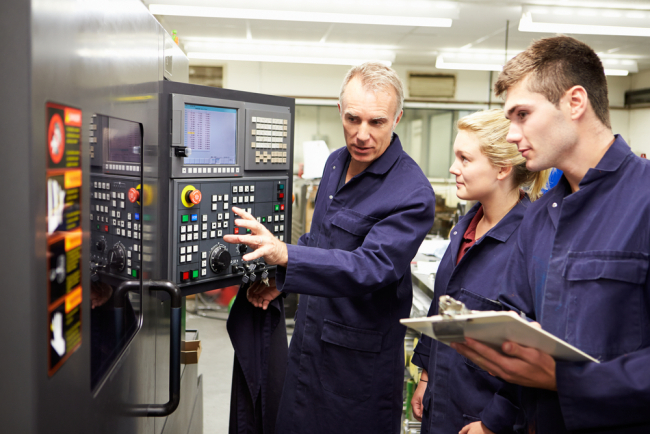
Dual system of professional training: keystone of "made in Germany"?
The German dual system of professional training is seen as an international reference model. It aims at training qualified employees for an innovative economy rather than being the last resort for less able pupils. Parents and adolescents regard apprenticeships as an entry ticket to a good job with career opportunities; companies value the advantages of practice-oriented training in situ conceived in cooperation with its own professionals as this spares them the costs of integrating school graduates.
Germany Hesitant over Macron’s Vision
The French president’s speech on ambitious EU reform met politely raised eyebrows in Germany as Berlin struggles to build a new government. Any other day, a two-hour plea from the French president for a stronger European Union would have sent politicians in Germany rushing for the nearest mic. But just a few days after its own election, Berlin is distracted.
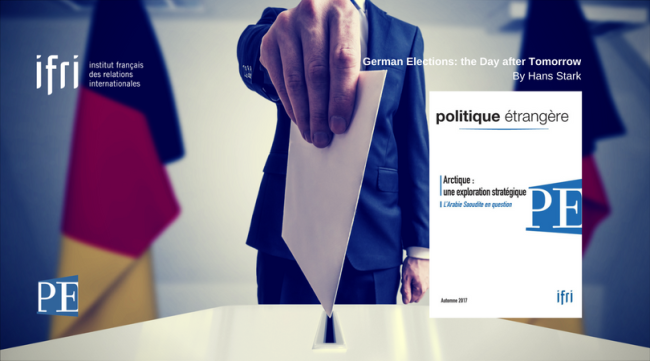
German Elections: the Day after Tomorrow
Angela Merkel is gaining thanks to her international standing and the weakness of her Social-Democrat opponent.
The German landscape of foundations and think tanks.
The number of crises we face is rising, due to failing states, wars and armed conflicts, poverty and lack of good governance in many countries. State and society are constantly confronted with new challenges. These crises occur simultaneously and at an ever faster pace.
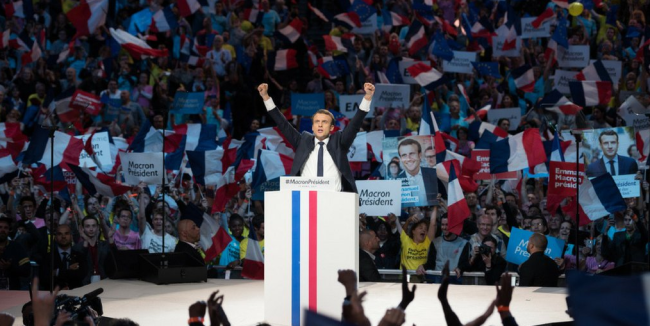
Meeting Macron in the Middle. How France and Germany Can Revive the EU
Macron's presidency offers a rare chance to revive the French-German relationship just when Europe needs it most.
Alternative für Deutschland: right-wing populism or extreme right?
An interview with Fabian Virchow, professor at the University of Applied Sciences in Düsseldorf and head of the extreme right Program at Hans-Böckler Foundation. M. Virchow came to Paris in April to speak at a conference on the German parti AfD -Alternative for Germany- organised by the Study Committee on French German relations.
Alternative für Deutschland: What risks for Germany?
The AfD - Alternative for Germany – founded in opposition to Angela Merkel’s policy line of supporting southern European countries, has quickly become part of the political family of "right-wing populism" in Europe, with whom it cultivates close ties.
Germany: with AfD the extreme right will enter the Bundestag
The Netherlands and France are not the only founding member states of the European Union that see extreme right party’s on the rise. The “Alternative für Deutschland” gathers 10 percent of voting intentions in Germany – especially in the East. Some of its leaders don’t hesitate to use vocabulary banished since 1945.
AfD and National Front converge ahead of elections
The right-wing spiral of Germany’s anti-EU Alternative für Deutschland party (AfD) has brought it shoulder to shoulder with France’s National Front (NF). The two parties see eye-to-eye on a number of issues, including Russia.
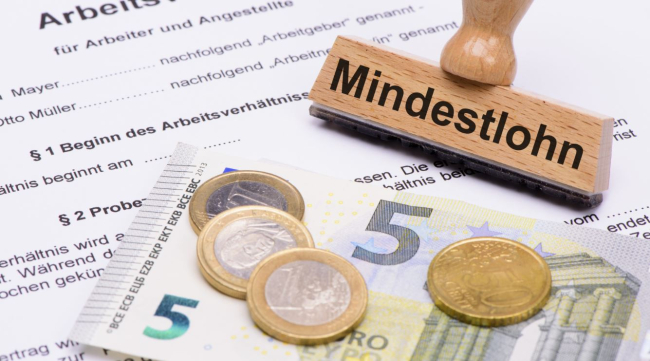
The introduction of the minimum wage in Germany: a first assessment
Germany introduced a minimum wage on January 1st, 2015 – a first in a country that had hitherto left it to the social partners to agree on salaries. This introduction came after vivid debates between those who fought against ever deeper inequalities and those who defended the nation’s competitiveness.

Does Merkel want to regain popularity at the expense of Europe?
Angela Merkel loosing the elections in Germany could be one of the many electoral suprises in 2017. Surveys on voting intentions for the legislative elections in September show that her opponent Martin Schulz (social-democrat) has started overtaking her.
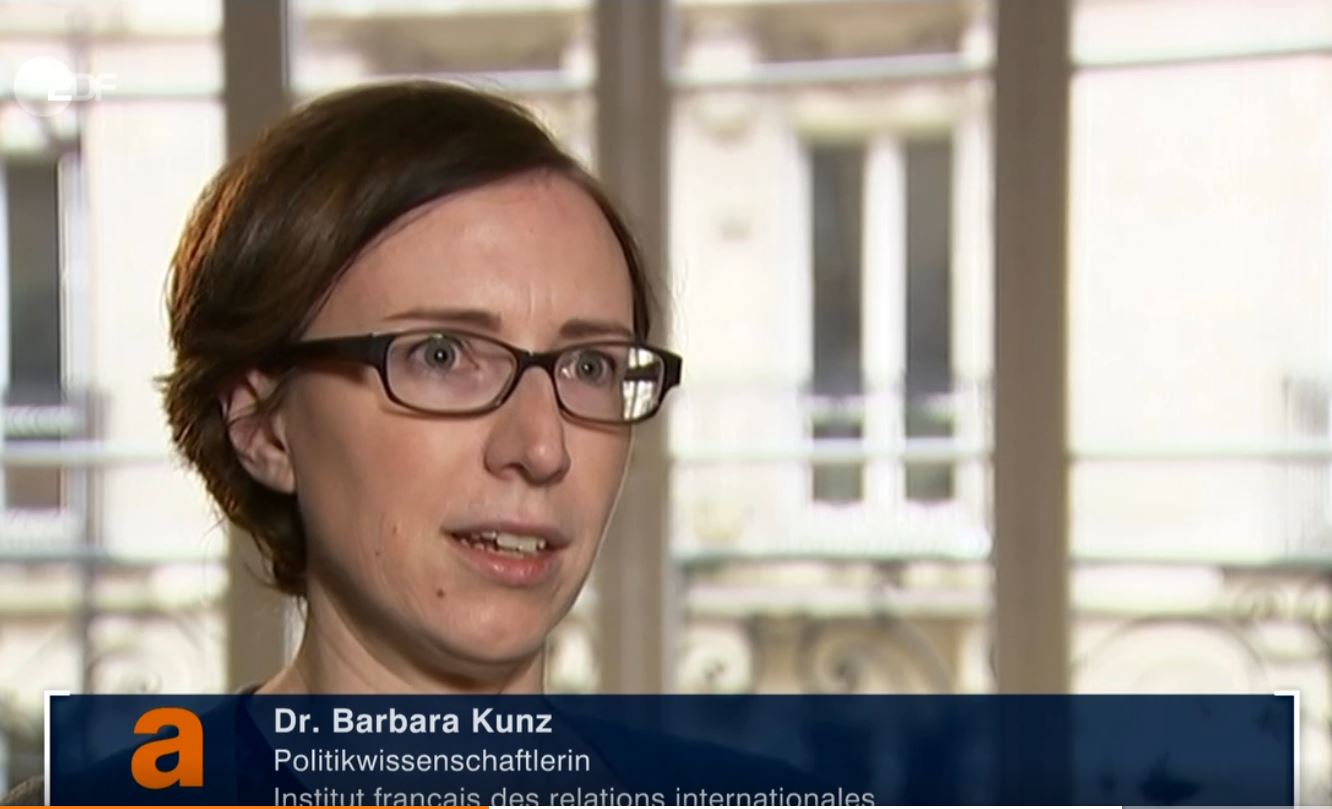
The fight for the Elysée ...and for Europe
On Germanys second channel, ZDF, Barbara Kunz enlarges upon the French presidential election in May.

What future for the German social democracy?
Martin Schulz will be the SPDs candidate for the general elections in 2017, facing the CDUs Angela Merkel. Could his arrival threaten the Chancellor and reinvigorate a rather dull looking SPD?

Berlin attack : Merkels Germany is facing populism
The leaders of the extreme right-wing AfD party, Alternative for Germany, intend to take advantage of the attack on the Christmas market in Berlin to challenge the German Chancellors welcoming policy : 1 million refugees arrived between 2015 and 2016, they argue that in welcoming them, she imported violence.
Will Angela Merkel have to pursue a major policy shift?
What political future for the German Chancellor Angela Merkel after a year characterised by the New Years incident in Cologne and the attack in Berlin?
Angela Merkel, ready for a fourth mandate?
The chancellor has launched the battle for the legislative elections. In front of the 1000 delegates of her party (CDU), Angela Merkel was firm on immigration in order to counter the populist right.
A fourth term would also make Merkel longest governing chancellor in Germany
In view of the Brexit and Donald Trump, Angela Merkel announced her candidacy for a 4th mandate to the Chancellery Sunday November 20th. What are her chances? What support can be expected from the German population and parties? Would she be a bulwark against the right-wing populist AfD?
Political scientist Barbara Kunz reacts to the announcement of Angela Merkel.
Ifri, a foundation recognized as being of public utility, relies largely on private donors – companies and individuals – to guarantee its sustainability and intellectual independence. Through their funding, donors help maintain the Institute's position among the world's leading think tanks. By benefiting from an internationally recognized network and expertise, donors refine their understanding of geopolitical risk and its consequences on global politics and the economy. In 2026, Ifri partners with over 90 French and international companies and organizations.
The Study Committee on Franco-German Relations (Cerfa) was created in 1954 by an inter-governmental agreement between the Federal Republic of Germany and France, in order to raise awareness of Germany in France and analyze Franco-German relations, including in their European and international dimensions. In its conferences and seminars, which bring together experts, political leaders, senior decision-makers and representatives of civil society from both countries, Cerfa develops the Franco-German debate and stimulates political proposals. It regularly publishes studies through two collections: Cerfa notes and studies as well as Franco-German visions.
Cerfa maintains close relations with the network of German foundations and think tanks. In addition to its research and debate activities, Cerfa promotes the emergence of a new Franco-German generation through original cooperation programs. This is how in 2021-2022, Cerfa led a program on multilateralism with the Konrad Adenauer Foundation in Paris. This program is aimed at young professionals from both countries interested in the issues of multilateralism in the context of their activities. It covered a wide range of themes relating to multilateralism, such as international trade, health, human rights and migration, non-proliferation and disarmament. Previously, Cerfa had participated in the Franco-German future dialogue, co-led with the DGAP from 2007 to 2020, and supported by the Robert Bosch Foundation and the Daniel Vernet group (formerly the Franco-German Reflection Group) which was founded in 2014 upon the initiative of the Genshagen Foundation.