




German Domestic Policy
The analysis of Germany, at both the national and regional levels, is necessary to understand the contemporary issues that polarize, drive debates, and influence both political parties and the government.
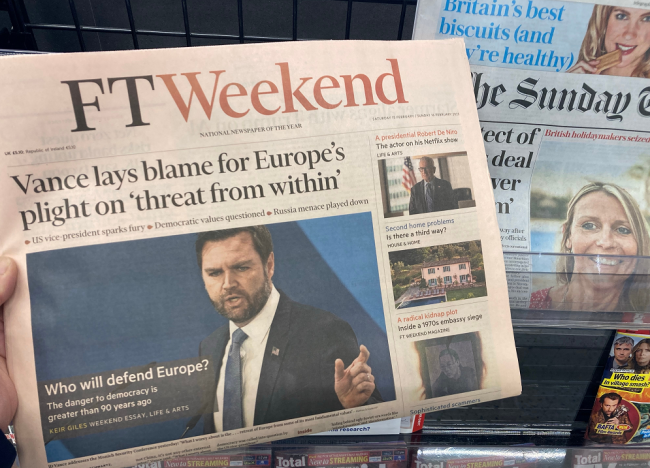
Friedrich Merz and the Zeitenwende 2.0. A “New Era” for Transatlantic Relations?
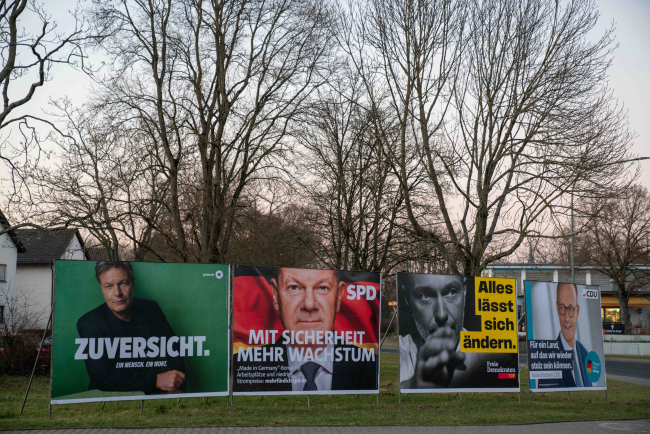
On February 23, 2025, almost 60 million voters were called upon to elect a new Bundestag. These elections will also give rise to a new government in Europe's largest economy.
After the Elections: Germany in Search of Shaken Stability?
With a voter turnout of 82.5%, Germany recorded its highest participation since 1987—an increase of 6.1 percentage points compared to 2021. As in the previous election, the high turnout particularly benefited the Alternative for Germany (AfD), which was able to mobilize many former non-voters. Many voters sought to punish the outgoing government with their ballots, as its approval rating had dropped to just 14% before the coalition broke apart in November 2024. Germany is now very likely heading toward a grand coalition between the CDU/CSU and the SPD, with exploratory talks having begun on February 28.
The German Greens as an Alliance Party: The End of an Illusion?
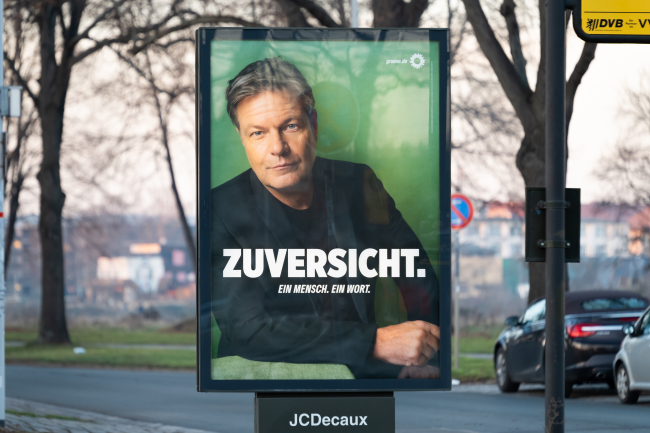
At the Wiesbaden Congress in November 2024, Robert Habeck, currently Minister for the Economy and Climate, was nominated as the Green Party’s candidate for the Chancellorship in the early parliamentary elections on February 23, 2025. The party, founded 45 years ago, is now firmly established in the German political landscape. Wishing to turn the page on an unloved ‘‘traffic light’’ coalition, the party is banking on a personal campaign and an optimistic discourse based on the energy transition and social justice.

The Rise of the AfD and the Choice of Radicalism
Founded in 2013, the Alternative für Deutschland (AfD) has become increasingly radical as crises have unfolded. Since 2015-2016 and the massive influx of immigrants into Germany, it has positioned itself as a virulently anti-migrant party and continues to consolidate its foothold in the German political system, particularly in parliaments. While its roots are very strong in the eastern regions, where its main strongholds are located, it is also attracting more and more voters in the west, against an overall backdrop of normalization of the far right and a national context marked by strong economic and political destabilization.
The Liberal Democrats in the German Federal Elections: A Party Fighting for Survival
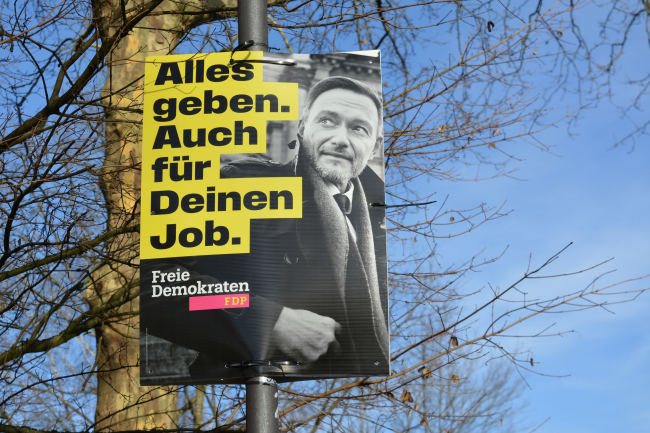
The Free Democratic Party FDP, in great difficulty ahead of the early elections in 2025, is trying to recover after the collapse of the coalition with the Social Democratic Party of Germany (SPD) and the Greens. Its wavering position between government and opposition has undermined its credibility, and it is struggling to surpass the 5% threshold.
The SPD in the Run-Up to the 2025 General Election: from Chancellor's Party to Junior Coalition Partner?
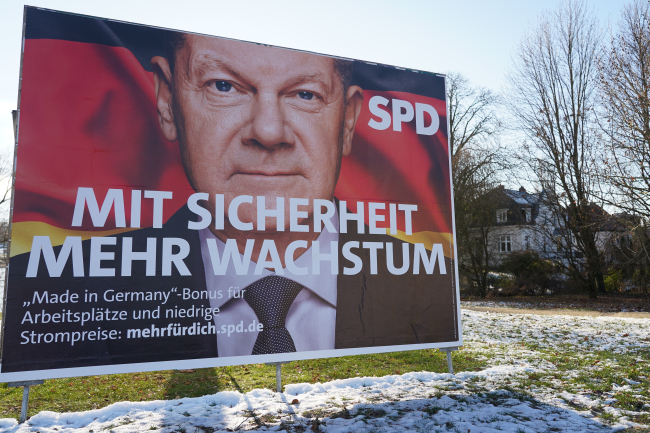
The 20th legislative period (2021-2024) came to an abrupt end in the Federal Republic, following the dismissal of Finance Minister and Vice-Chancellor of the Liberal Democratic Party FDP, Christian Lindner, by Chancellor Olaf Scholz, due to deep political disagreements, in November 2024.
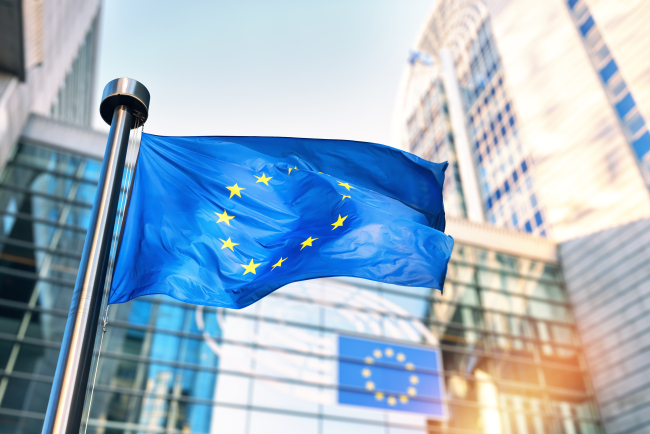
Taking the Pulse: Has Political Deadlock in Member States Become a Strategic Problem for the EU?
At a pivotal moment for the EU, several of its member states are experiencing domestic political and economic crises. Is this hindering collective EU action in response to the challenges posed by Russia, China, and Trump’s administration?
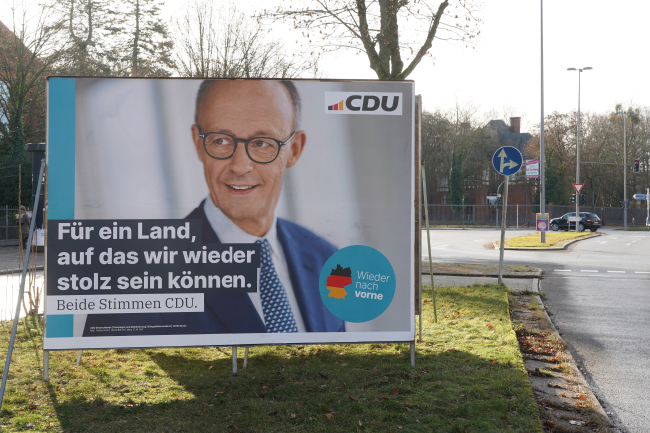
The CDU in the 2025 Elections: A Road to the Chancellery, Paved with Challenges
After a legislative session in the opposition, the Christian Democratic Union/Christian Social Union (CDU-CSU) looks set to win the snap elections in February 2025. It is very likely that the country’s future chancellor will be Friedrich Merz.
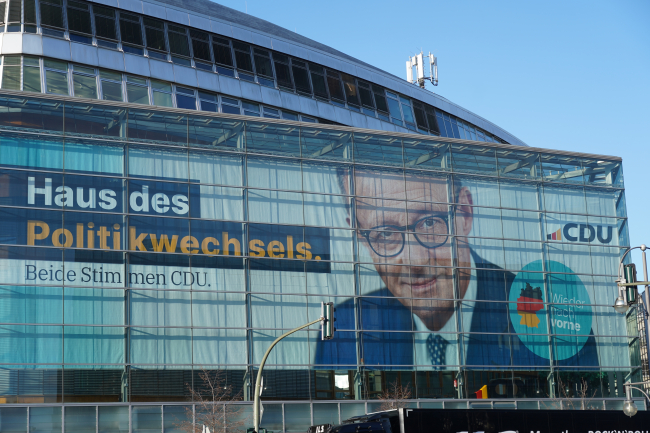
Germany in the Electoral Campaign to the Early Elections on February 23 - The Challenges of a high-risk Voting
One month before the early Federal Elections in Germany, which will take place on February 23, 2025, after the "Traffic light coalition" imploded on November 6, 2024, the political landscape in Germany appears to be relatively stable despite the rise of the far-right Alternative for Germany (AfD).

70th Anniversary of the Study Committee on Franco-German Relations (Cerfa). Genesis, History and Visions for Franco-German relations
The Study Committee on Franco-German Relations (Cerfa) was created in 1954 by an inter-governmental agreement between the Federal Republic of Germany and France, in order to raise awareness of Germany in France and analyze Franco-German relations, including in their European and international dimensions.
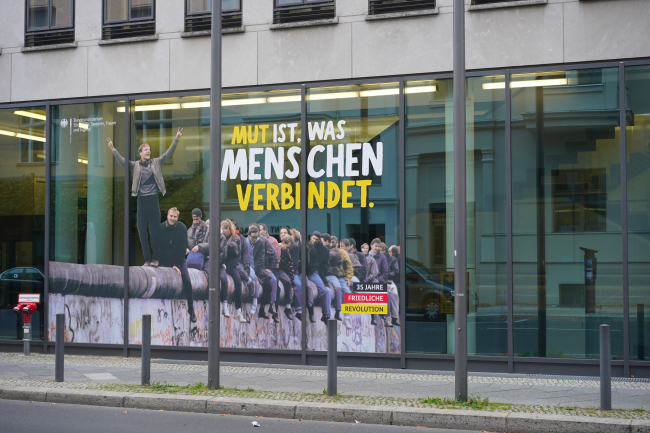
Thirty-five years after the fall of the Berlin Wall: what’s new in the East?
As we celebrate the 35th anniversary of the fall of the Berlin Wall on November 9, 2024, let’s start from the premise that the Berlin Wall did not “fall” on the night of November 9, 1989.
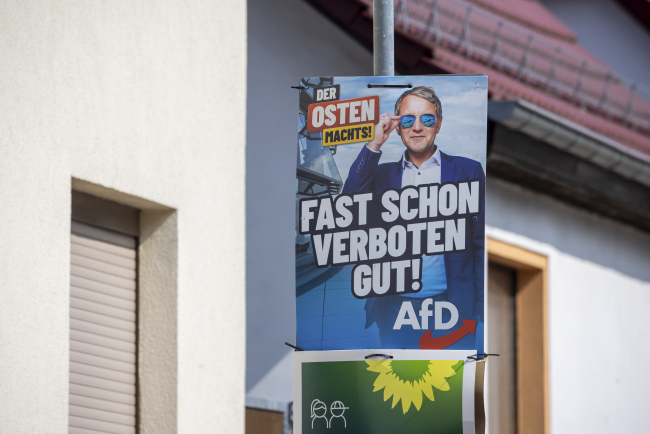
State Elections in Thuringia, Saxony and Brandenburg - Extreme Parties on the Rise?
The Alternative for Germany (AfD) became Germany's strongest political force in the regional elections in Thuringia and Saxony.
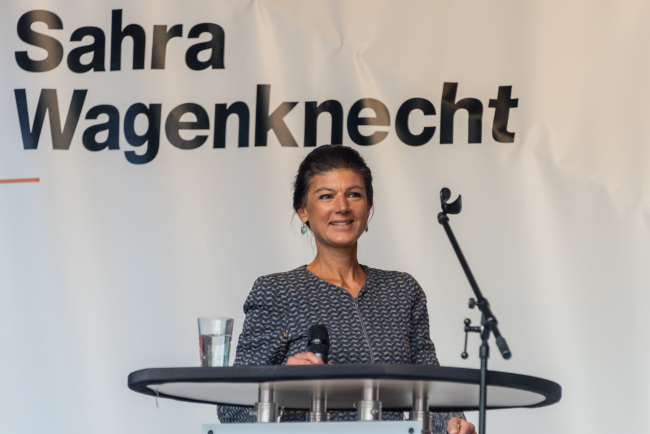
Neither Left nor Right, but Both? The Sahra Wagenknecht Alliance (BSW) in the Wake of European Elections
The 2024 European elections not only provided the occasion for a new German party, the “Bündnis Sahra Wagenknecht” (BSW), to emerge but also to obtain 6.2% of the vote.


Germany and France agree Ukraine may strike Russian Military Targets
German Chancellor Olaf Scholz said Germany would not prohibit Ukrainian attacks on Russian military targets, saying Ukraine "is allowed to defend itself."
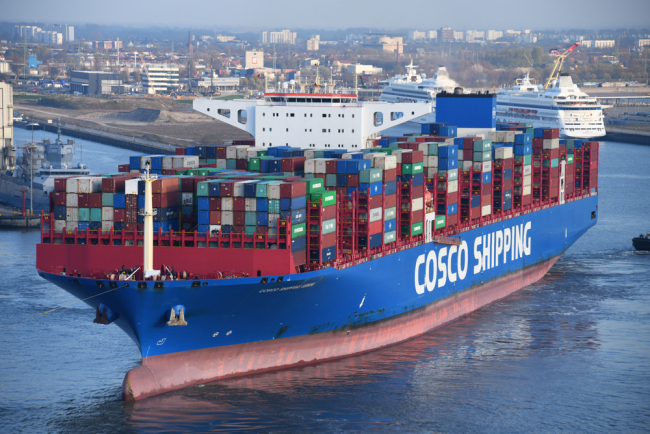
German Ports and China: How to Reconcile Openness, Resilience and Security?
Germany is dependent on its ports for the smooth running of its open economic model and has benefited from globalization in recent decades when the internationalization of its value chains strengthened its competitiveness. Yet, with today’s hardening geopolitics, the vulnerabilities of Europe’s leading economic power are becoming apparent.

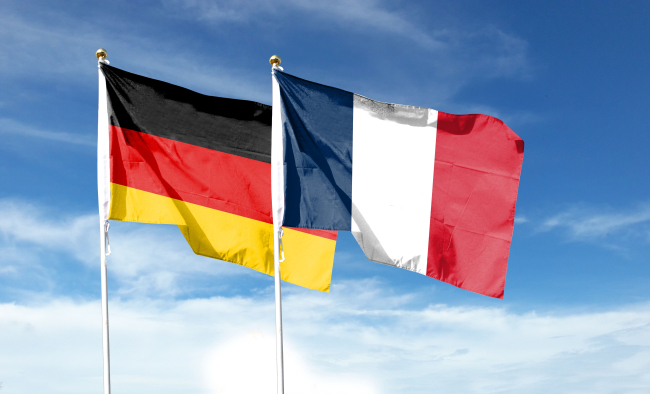
How Macron and Scholz broke the Franco-German alliance at the heart of the EU
Breakdown of continental partnership is a threat to Europe – and could be catastrophic for Ukraine. It was meant to be a patching up of the notoriously fraught Macron-Scholz relationship, a “reset”, to borrow Hillary Clinton’s expression.
AfD’s Foreign Policy Between Disengagement in the West and Partnership in the East
The Alternative for Germany (AfD) was formed in 2013 in the context of the currency crisis as an “alternative” to the Merkel government’s policy of rescuing the euro. Since then, the party’s platforms for the European elections in 2014, 2019 and 2024 have become increasingly radical.

“Broken” Franco-German tandem needs Tusk and Trump
As the vital relationship between Franco-German leaders Olaf Scholz and Emmanuel Macron appears “broken”, hopes for a sustainable fix rest on the Weimar Triangle and even the return of an old nemesis.
Macron and Scholz Meet to Patch up Their Fraying Ties
Allies fret that Franco-German animosity is undermining western unity over Ukraine. Emmanuel Macron will arrive in Berlin on Friday for talks designed to repair a fractured Franco-German relationship marred by caustic public spats and mutual recriminations over the war in Ukraine.
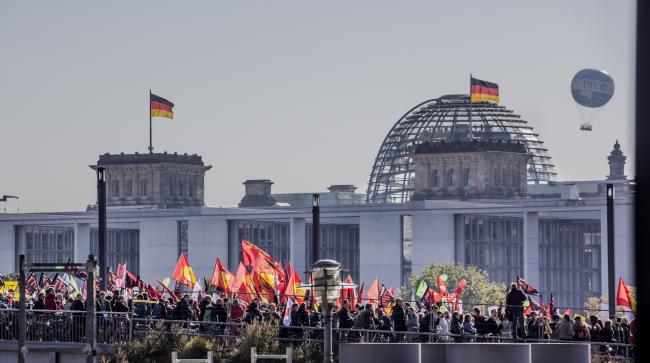
The End of a Happy Parenthesis. How the War in UkraineI Is Forcing Germany to Rethink Its Model
The period of peace, economic prosperity, and political stability that Germany has experienced since the end of the Cold War ends with the Ukrainian war. The shock wave of this conflict particularly hit its economy and thereby undermines the foundations on which Germany had based its power, its international influence and established its identity.
70th Anniversary of the Study Committee on Franco-German Relations (Cerfa). Genesis, History and Visions for Franco-German relations
The Study Committee on Franco-German Relations (Cerfa) was created in 1954 by an inter-governmental agreement between the Federal Republic of Germany and France, in order to raise awareness of Germany in France and analyze Franco-German relations, including in their European and international dimensions.
Thirty-five years after the fall of the Berlin Wall: what’s new in the East?
As we celebrate the 35th anniversary of the fall of the Berlin Wall on November 9, 2024, let’s start from the premise that the Berlin Wall did not “fall” on the night of November 9, 1989.
State Elections in Thuringia, Saxony and Brandenburg - Extreme Parties on the Rise?
The Alternative for Germany (AfD) became Germany's strongest political force in the regional elections in Thuringia and Saxony.

DOSSIER - 60th anniversary of the Elysée Treaty (1963) and implementation of the Treaty of Aachen (2019): where do Franco-German relations stand?
On January 23, 2023, France and Germany celebrated the 60th anniversary of the Élysée Treaty. This is an opportunity for us to analyze the state of relations between the two countries, and the contribution made by the Treaty of Aachen, which was added in 2019.
Deploying the Bundeswehr: more transparency, more flexibility, but Parliament’s consent remains key - The Rühe Commission’s final report
Besides the often invoked historical dimension behind Germany’s strategic culture of restraint, there are today very tangible legal reasons that prevent assertive German military interventionism (which are, of course, directly linked to the historical dimension): any intervention of the German armed forces requires the Bundestag’s consent.
Ifri, a foundation recognized as being of public utility, relies largely on private donors – companies and individuals – to guarantee its sustainability and intellectual independence. Through their funding, donors help maintain the Institute's position among the world's leading think tanks. By benefiting from an internationally recognized network and expertise, donors refine their understanding of geopolitical risk and its consequences on global politics and the economy. In 2026, Ifri partners with over 90 French and international companies and organizations.

The Study Committee on Franco-German Relations (Cerfa) was created in 1954 by an inter-governmental agreement between the Federal Republic of Germany and France, in order to raise awareness of Germany in France and analyze Franco-German relations, including in their European and international dimensions. In its conferences and seminars, which bring together experts, political leaders, senior decision-makers and representatives of civil society from both countries, Cerfa develops the Franco-German debate and stimulates political proposals. It regularly publishes studies through two collections: Cerfa notes and studies as well as Franco-German visions.
Cerfa maintains close relations with the network of German foundations and think tanks. In addition to its research and debate activities, Cerfa promotes the emergence of a new Franco-German generation through original cooperation programs. This is how in 2021-2022, Cerfa led a program on multilateralism with the Konrad Adenauer Foundation in Paris. This program is aimed at young professionals from both countries interested in the issues of multilateralism in the context of their activities. It covered a wide range of themes relating to multilateralism, such as international trade, health, human rights and migration, non-proliferation and disarmament. Previously, Cerfa had participated in the Franco-German future dialogue, co-led with the DGAP from 2007 to 2020, and supported by the Robert Bosch Foundation and the Daniel Vernet group (formerly the Franco-German Reflection Group) which was founded in 2014 upon the initiative of the Genshagen Foundation.