




United Kingdom
The United Kingdom has not emerged unscathed from the Brexit. Nevertheless, it continues to seek influence on the international stage, as illustrated by the "Global Britain" theme or the signing of the AUKUS agreement.

RAMSES 2021. At the Edge?
RAMSES 2021. At the Edge?, written by Ifri's research team and external experts, offers an in-depth and up-to-date analysis of geopolitics in today’s world.
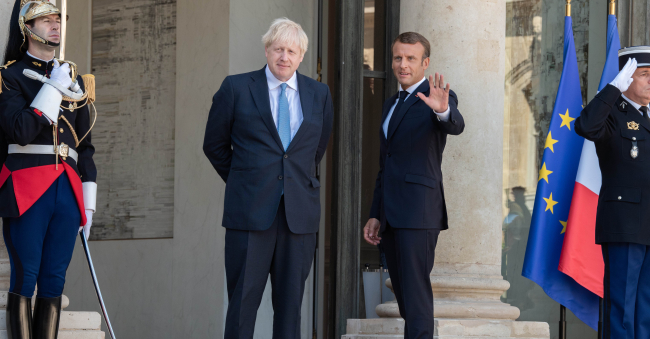
Complementarity or Competition? Franco-British Cooperation and the European Horizon of French Defense Policy
What does future hold for the Franco-British defense partnership after Brexit?

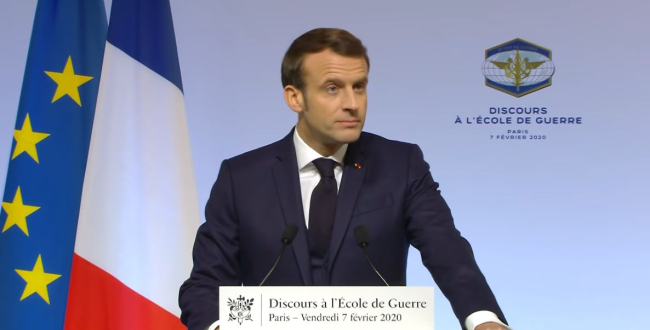
France to spell out post-Brexit nuclear weapons strategy
France, the European Union's sole nuclear power since Britain's exit from the bloc, will unveil Friday how it intends to use its atomic arsenal as a deterrent in an increasingly unstable world.
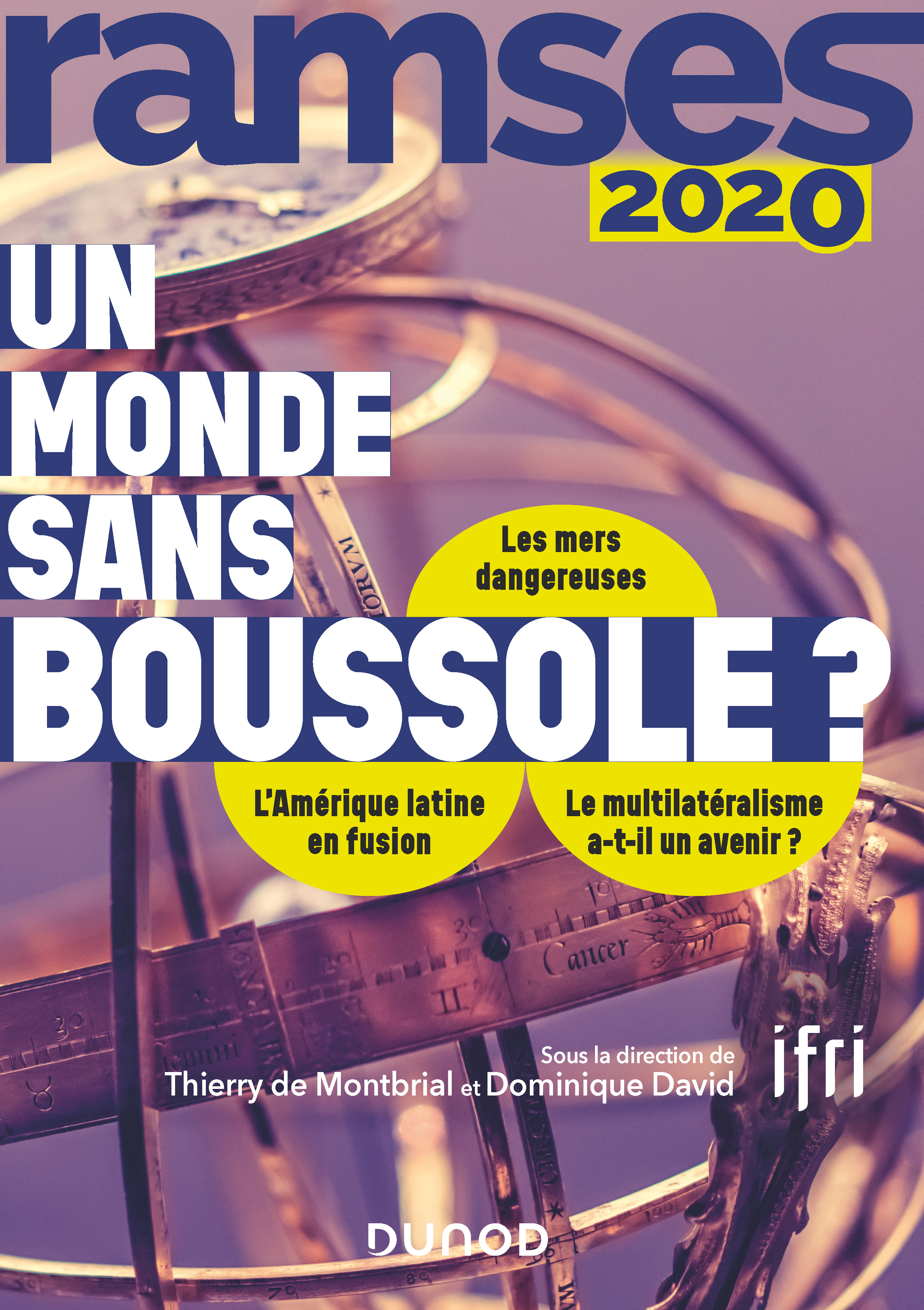
RAMSES 2020. A World without a Compass?
RAMSES 2020. A World without a Compass?, written by Ifri's research team and external experts, offers an in-depth and up-to-date analysis of geopolitics in today’s world.


Brexit pressures expose cracks in Franco-German relationship
Angela Merkel insists that the EU should avoid “putting pressure” on Britain when it comes to Brexit. After a wearying, six-hour EU summit in Brussels, the German chancellor said it was important to give the British “more space” to “make their own choices”. [...]
Brexit, Electricity and the No-Deal Scenario: Perspectives from Continental Europe, Ireland and the UK
When it comes to energy and electricity in particular, there can be no winner in the Brexit negotiations. The only reasonable objective should be to minimise losses and avoid trade friction.
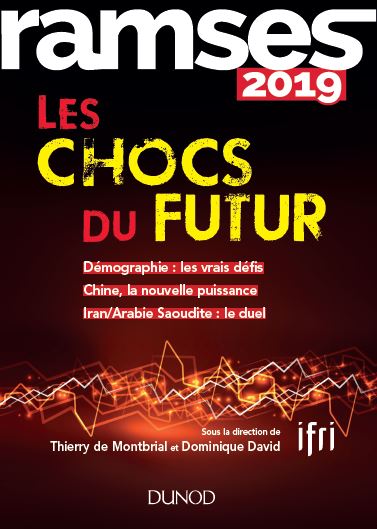
RAMSES 2019. The Clashes of the Future
RAMSES 2019. The Clashes of the Future, written by Ifri's research team and external experts, offers an in-depth and up-to-date analysis of global geopolitics.
Between political crisis and European recovery attempt: German interrogations
Even though the CDU-CSU led Grand Coalition was renewed following the German legislative elections of 24 September 2017, and even though Angela Merkel was re-elected chancellor a fourth consecutive term, the country has entered a period of growing political uncertainty. The formation of a new government took much longer than after previous elections for a number of different reasons: after negotiations, the liberal party refused to join a coalition with the CDU-CSU and the Green party, the SPD was reluctant to continue in government, and, above all, the internal divisions of the two sister parties CDU et CSU, that nearly caused the fall of the new government three months after its investiture.
Five theses on the "refugee crisis" in Germany
The term "refugee crisis" is not uncontroversial in Germany; it is indeed accused of presenting the refugees as being responsible for the crisis. The events that have occurred since the summer of 2015 should rather be called "crisis of the authorities", given that Germany could have anticipated the massive increase in the number of refugees. The use of the term "refugee crisis" in this article is axiologically neutral and reflects its present common use in politics, the media and specialised literature.
Russo-British Relations in the Age of Brexit
The paper examines the reasons for the poor state of relations between Russia and the United Kingdom, providing a brief historical and political account of why relations have deteriorated. The various options facing the UK after Brexit, and within this framework the ambiguity of current British foreign policy and diplomacy, are outlined.

RAMSES 2018. Will the Information War Take Place?
RAMSES 2018. Will the Information War Take Place?, written by Ifri's research team and external experts, offers an in-depth and up-to-date analysis of global geopolitics.

The Future of British Defense Policy
As the prospect of the United Kingdom leaving the European Union raises increasing challenges to its international position, as well as major divisions at home, the future of British defense policy seems more uncertain than ever.
Brexit: a Certain Idea of Europe
The reasons for the result of the UK’s June 2016 referendum reveal nothing we didn’t already know. They have to do with the development of British society and political debates particular to the UK.
Europe after the Brexit: German positions and perspectives
The British decision to leave the European Union comes at a critical moment for Germany and the EU. It exacerbates the “polycrisis” of recent years and leads to controversial questions: What should the EU look like without Great Britain? What is the objective, the “finality”, of European integration? And what role should Germany play in the future?
The Energy Sector Implications of Brexit
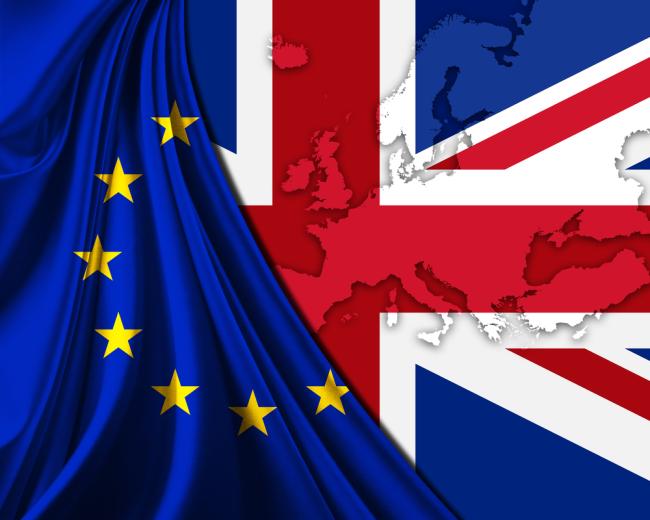
On June 23rd, the UK voted 51.9% to 48.1% to leave the European Union. While the referendum outcome was not legally binding, the broad political consensus that has since emerged across both Remain and Brexit camps has been that the will of the majority must be upheld. So while the UK leaving the EU could be considered inevitable, and has continued to be reinforced with the political mantra of ‘Brexit means Brexit’, it is not clear what this exit will look like.
Brexit: What Happened? What is Going to Happen?
The Brexit referendum demonstrated the fundamental reticence of the British to embrace the ethos underpinning the European construction, the powerlessness of politicians to explain it clearly to the public, the particular difficulties of the main political parties involved, as well as the development of a specifically English nationalist sentiment.

Germany - between 'welcome culture' and the outbursts of xenophobia
The 3rd of October is a national holiday celebrating German unity since 1990. What has the mass arrival of migrants these past years revealed about German society?

Juncker, the optimist
The president of the European Commission about security, investment and assistance in Africa. According to Hans Stark, Jean-Claude Juncker didn't beat around the bush and instead of going too far in self-chastisement he tried to give hope to European citizens.
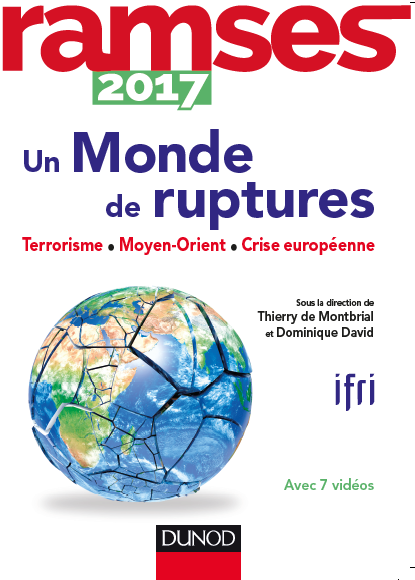
RAMSES 2017. A Fragmented World
RAMSES 2017. A Fragmented World, prepared by IFRI’s research team and selected external experts, offers an in-depth and up to date analysis of global geopolitics.
This 35th edition focuses on three key issues: the spread of jihadist terrorism, the Middle East’s disintegration, and doubts about the European project. With the world’s balance of power and economic foundations shifting, the next few months are likely to be decisive for our future. The growing diversity and complexity of our world is startling, which is why it is important to rethink our analyses and means of action.

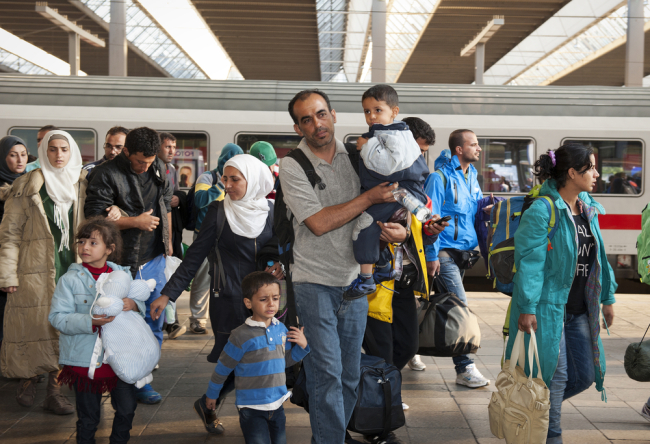
Welcoming refugees' in Germany: assessment after one year
What can be said about German politics on the welcoming of refugees this past year? Is the integration process effective?
Ifri, a foundation recognized as being of public utility, relies largely on private donors – companies and individuals – to guarantee its sustainability and intellectual independence. Through their funding, donors help maintain the Institute's position among the world's leading think tanks. By benefiting from an internationally recognized network and expertise, donors refine their understanding of geopolitical risk and its consequences on global politics and the economy. In 2026, Ifri partners with over 90 French and international companies and organizations.
