



Main Battle Tank: Obsolescence or Renaissance?
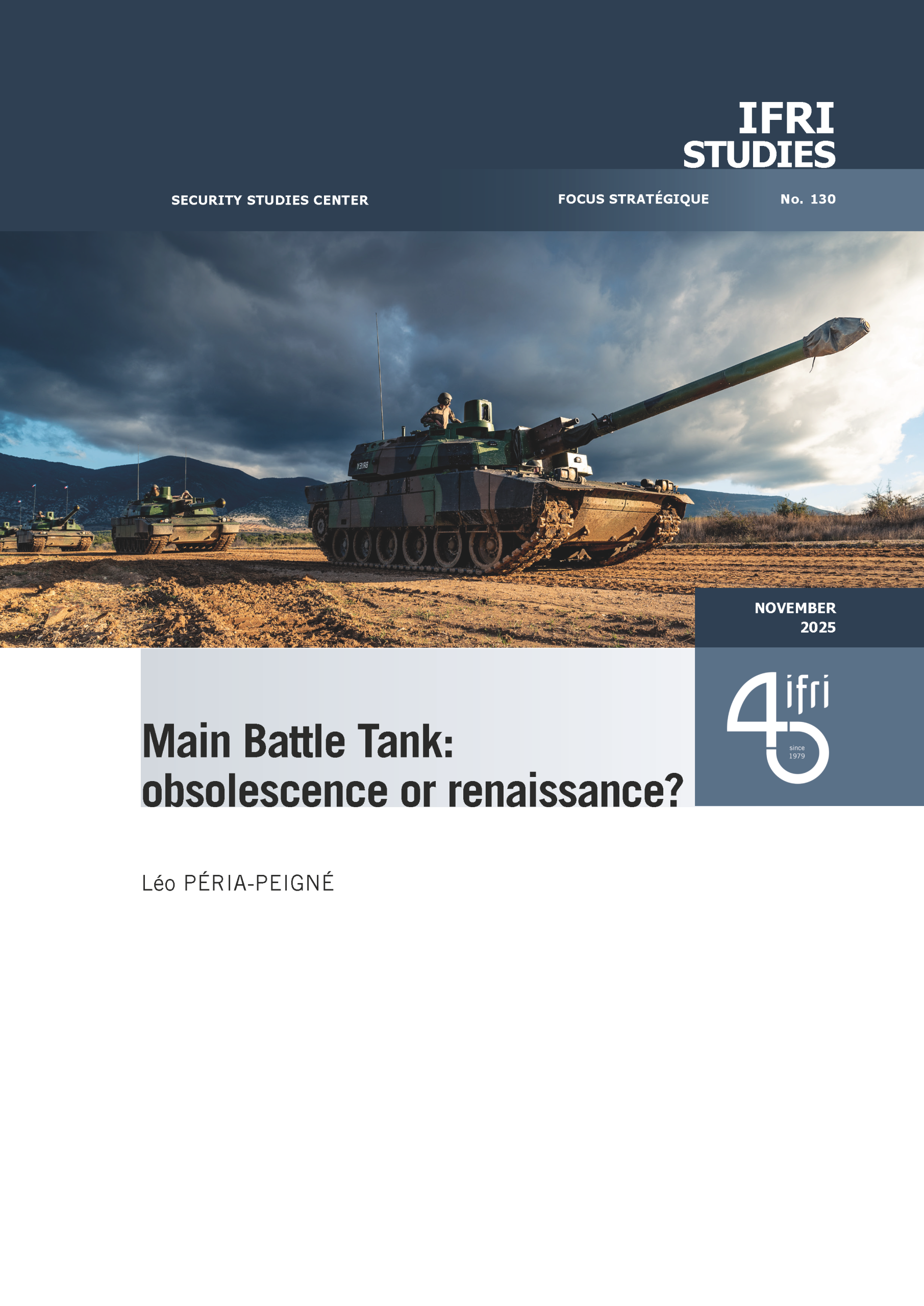
Since February 2022, Russian and Ukrainian forces combined have lost more than 5,000 battle tanks, a much higher volume than all the European armor combined. Spearhead of the Soviet doctrine from which the two belligerents came, tanks were deployed in large numbers from the first day and proved to be a prime target for UAVs that became more numerous and efficient over the months. The large number of UAV strike videos against tanks has also led a certain number of observers to conclude, once again, that armor is obsolete on a modern battlefield. This approach must, however, be nuanced by a deeper study of the losses and their origin, UAVs rarely being the sole origin of the loss itself, often caused by a combination of factors such as mines, artillery or other anti-tank weapons.
Even if its own efficiency has increased since 2022, the UAV itself is still often used to « finish » a disabled and abandoned armored vehicle, to avoid its recovery and recommissioning. Indeed, a significant proportion of tanks considered to be put out of action are recovered and returned to service or reused. Interestingly, the tank duel represents only a fraction of the losses.
To face a more transparent and deadlier battlefield, both sides have led adaptation of their use of the heavy segment, for example, favoring operations in overcast weather, less conducive to drones, or incorporating terrain modifications such as the famous anti-UAV cages – a Russian innovation subsequently adopted by other armies like the IDF. These tactical and technical adaptations have made it possible to reduce the losses of tanks, which are now mainly used for infantry support, just as they did in 1917 when they first appeared on the battlefield. The use of tanks to shoot beyond line of sight is another practice that has become widespread to gain a few kilometers and stay away from an increasingly lethal front line. The few breakthroughs, however, saw the more classic use of armor in a temporary return to mobile warfare. In the long term, changes in the very architecture of the tanks are envisaged by both sides to better fit their needs.
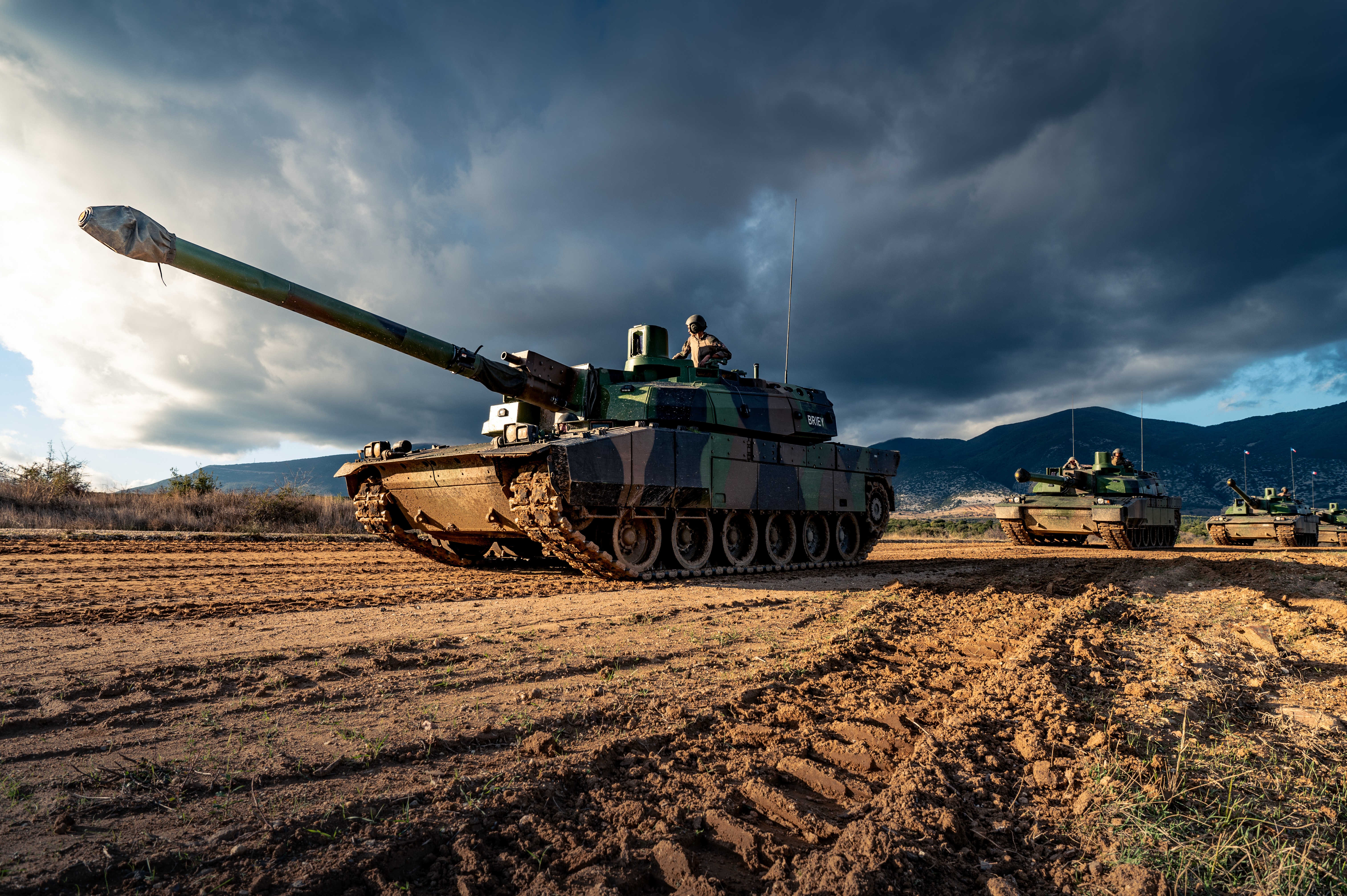
After three decades of contraction of the fleet in service, European forces are back investing in armor, which remains an essential element of combined arms combat. Most armies, including those that had abandoned them a decade earlier, launched programs to acquire new tanks or modernize existing parks. This dynamic mainly benefits the German industry, and the Leopard 2 is already the most common modern tank in Europe. The other historical European players in this sector – the United Kingdom, Italy, and France – no longer produce tanks, and non-European actors are coming to challenge the quasi-monopoly of Germany. South Korea and the United States have won a few contracts that offer them solid bridgeheads on a resurgent continental market. The competition for the next generation of tanks seems to be articulated between the German and South Korean industries, which both have a strong lead.
Strongly considered by the French Army in the early 2000s, abandoning tanks no longer seems relevant, but the alternatives to the ongoing French-German cooperation are limited. In addition to off-the-shelf procurement, leads exist in the Middle East as well as in Europe. A national effort could also lead to the development of an intermediate national solution, helping to upgrade the French land defense industry, which has been able to preserve the necessary core competence but did not put them in use for years. Regardless of the solution chosen, increasing the heavy segment seems essential to support the French ambition to command an army corps within the Atlantic Alliance. Without trying to match the Polish or German plans, which could exceed a thousand tanks in service, France must be more assertive in the ongoing European rearmament dynamic, at the risk of permanently losing ground in a military field that has long been its strong point.

Available in:
Themes and regions
ISBN / ISSN
Share
This page contains only a summary of our work. If you would like to have access to all the information from our research on the subject, you can download the full version in PDF format.
Main Battle Tank: Obsolescence or Renaissance?


Léo PÉRIA-PEIGNÉ
Research Fellow, Security Studies Center, Head of the Defense Research Unit, Ifri

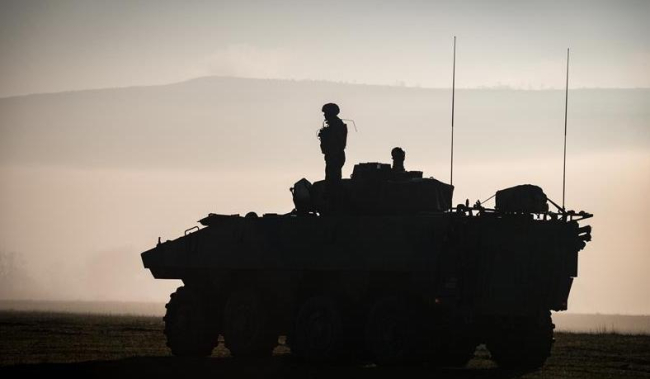
Security Studies Center
Heir to a tradition dating back to the founding of Ifri, the Security Studies Center provides public and private decision-makers as well as the general public with the keys to understanding power relations and contemporary modes of conflict as well as those to come. Through its positioning at the juncture of politics and operations, the credibility of its civil-military team and the wide distribution of its publications in French and English, the Center for Security Studies constitutes in the French landscape of think tanks a unique center of research and influence on the national and international defense debate.
Observatory on Future Conflicts
The Observatory of Future Conflicts is a research program carried out by the French Institute of International Relations and the Foundation for Strategic Research on behalf of the three army headquarters aimed at studying developments in tensions and armaments at the horizon 2040 in a transversal perspective, taking into account the issues of each army.
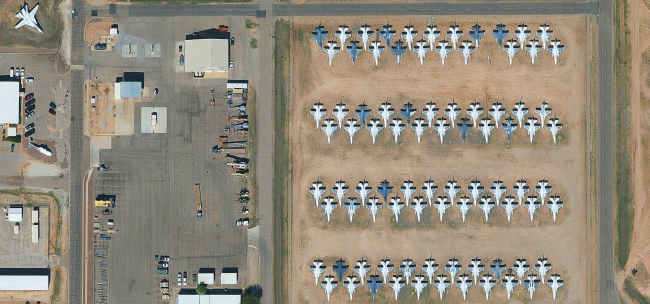
Toward Space-Based Intelligence for All? The Case of the Spring 2026 Iranian Strikes
The conflict in the Middle East has highlighted the effectiveness of Iranian strikes in identifying targets and conducting precision strikes. This raises the question: which capabilities enabled the Islamic Revolutionary Guard Corps (IRGC) to achieve these results?

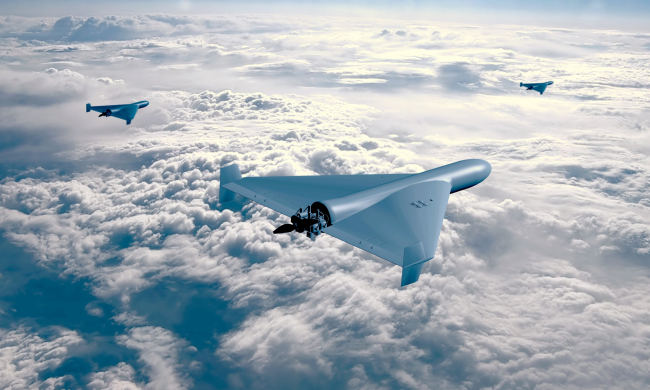
Confronting Russia’s High-Velocity Arsenal: European Challenges and Solutions
Since February 2022, Russian missile and long-range drone strikes against Ukraine have served as near-daily reminders of what European states could face in a war with Russia. The same weapon systems battering Ukrainian infrastructure and population centers would be directed against European military and civilian targets in any confrontation between Russia and NATO. As Russian missile production expands and its arsenal diversifies, Europe must confront an uncomfortable question: how to deter, and if push comes to shove, fight Russia's long-range strike arsenal?

The War on Terrorism: Global Experts Reflect on Lessons Learned Twenty-Five Years After 9/11
Twenty-five years ago, the September 11 attacks prompted the invention of new security architectures that shaped the war on terrorism. Sixteen think tank experts from fifteen countries reflect on the successes, failures, and missed opportunities in the fight against terrorism—a fight that is still ongoing.
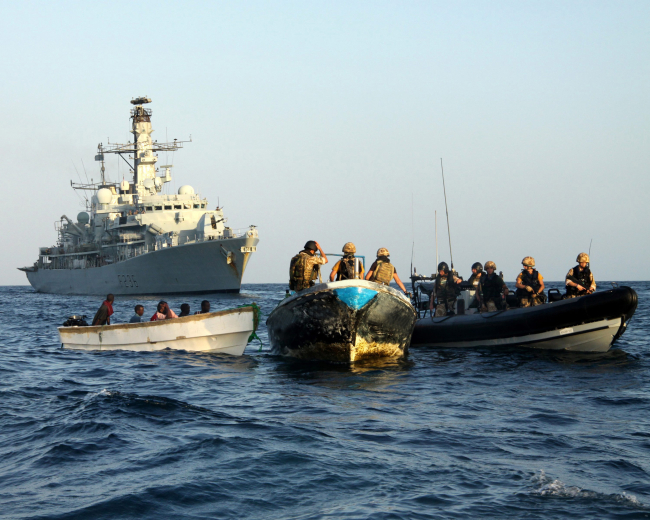
From Corsairs to Private Military Contractors. Nonmilitary Maritime Actors and the Historical Continuities of Naval Warfare
Since late 2023, several Houthi attacks on commercial shipping have involved privately contracted armed teams conducting defensive engagements and coordinating immediate response efforts, often in the relative absence of regular naval forces during the immediate hostilities at sea. These cases highlight a strategic tension that increasingly confronts modern navies. On the one hand, they are expected to conduct persistent, low-intensity maritime security tasks such as counterpiracy, maritime policing, and the protection of commercial shipping. On the other hand, they face renewed pressure to prepare for high-intensity conflict against peer and near-peer adversaries amid the return of great power competition.