




International Trade
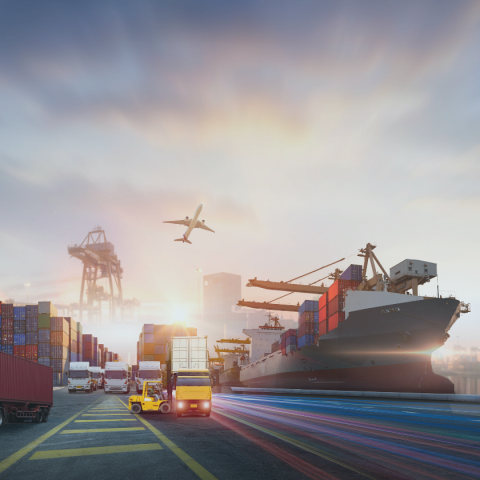
International trade has risen sharply in the era of globalization. The Covid-19 pandemic, the war in Ukraine and rising geopolitical tensions are leading to a reconfirguation of value chains.
Related Subjects
Ifri, a foundation recognized as being of public utility, relies largely on private donors – companies and individuals – to guarantee its sustainability and intellectual independence. Through their funding, donors help maintain the Institute's position among the world's leading think tanks. By benefiting from an internationally recognized network and expertise, donors refine their understanding of geopolitical risk and its consequences on global politics and the economy. In 2026, Ifri partners with over 90 French and international companies and organizations.

To analyze the impact of power rivalries and tensions on globalization, this initiative combines economic and political expertise. In the face of growing geopolitical risk, the goal is to decipher the dynamics of reconfiguration: protectionist pressures, sanctions, restrictions, industrial policies, and economic security concerns are redefining the rules of international trade. These tensions are also transforming international financial relations by undermining the foundations of trust and reshaping the global monetary system. They raise questions about the role of several key players: sovereign wealth funds, central banks, digital platforms, multilateral institutions, and financial infrastructure operators. In a context of profound disruption, simply refining existing approaches is no longer sufficient. The initiative is designed as a flexible model, drawing on diverse expertise to offer both broad overviews and targeted analyses. It also provides a platform for stakeholders and experts from various backgrounds to debate these issues freely.