



Energy-Climate
In the face of the climate emergency and geopolitical confrontations, how can we reconcile security of supply, competitiveness, accessibility, decarbonization and acceptability? What policies are needed?
Related Subjects
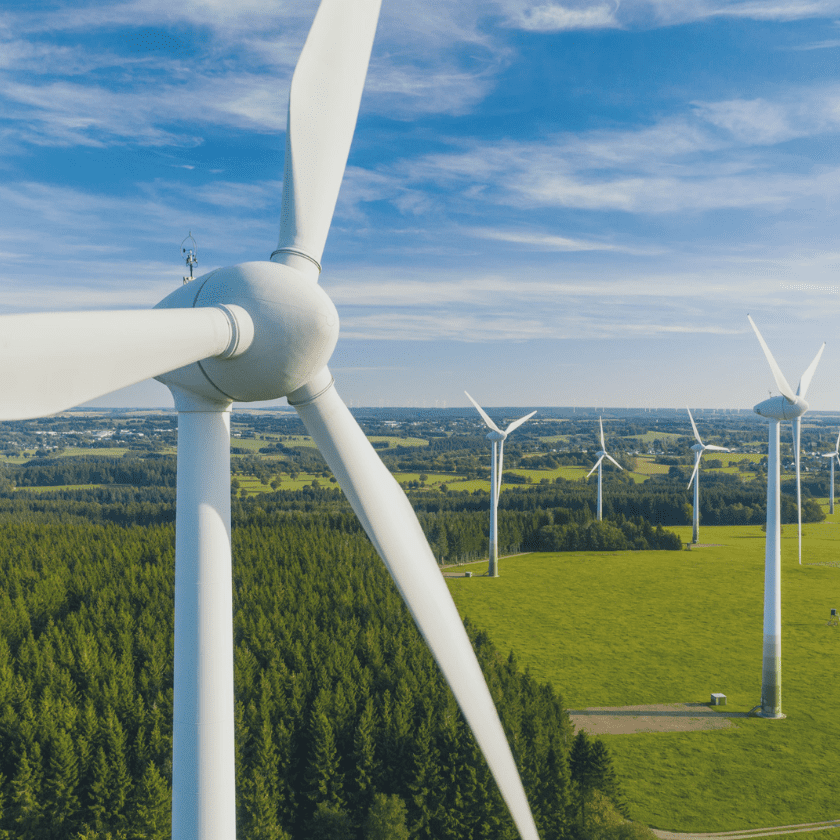
The US’s Critical Mineral Offensive Strategy: How Can Europe Step Up?
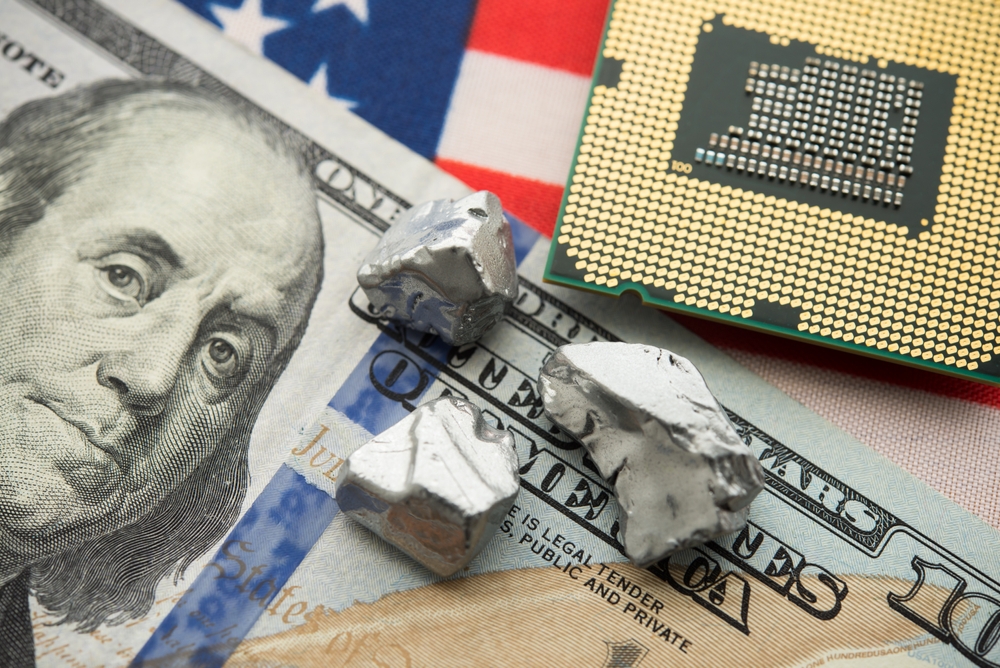
As Organization for Economic Co-operation and Development (OECD) economies are confronted with mounting threats to critical raw materials (CRM) supplies, resolute interventionist policies are needed to build resilient value chains.

The European Coal Market: Will Coal survive the EC's Energy and Climate Policy?
The European coal industry is at a crossroads. The European Commission (EC) Energy Policy by 2020, the 20/20/20 targets, is not favourable to coal:
a 20% decrease in CO2 emissions does not favour coal compared with natural gas, its main competitor in electricity generation;
a 20% increase in energy efficiency will lead to a decrease in energy/coal consumption;
a 20% increase in renewables will displace other energy sources, including coal.
Capacity Mechanisms : EU or National Issue? Are Capacity Remuneration Mechanisms Helping to Build the Market or Just a Symptom of What Does Not Work ?
In a competitive energy system, generation investment choices are let to investors. It is then the responsibility of the market actors to invest and ensure peak, medium and base load generation, based on market perspectives and trends. If through actors" investments the stability of the system cannot be ensured (because, for example, peak generation is not sufficient to satisfy demand), some measures have to be taken. These can have economic and system integrity impacts on neighboring systems, especially if they are connected. This is precisely what is happening in the European electricity market.
The GCC States of the Persian Gulf and Asia Energy Relation
Since the 2000s, China and India's needs for hydrocarbons, coming on top of those of older industrialized Asian countries (Japan and South Korea), have considerably strengthened customer-supplier links between Asia in general and the Persian Gulf, in the energy field.
Powering Kuwait into the 21st Century: Adopting a Sustainable Strategy
Over the last ten years, Kuwait's power consumption has doubled. This rising need for electricity has been mainly driven by the fast population growth rate, the increasing need for desalinated water, accounting for 93% of water consumption, and the economic development of the country.
Towards a New Geopolitics of Energy?
First of all, shale oil is starting to take the same dimension as shale gas in the US. Already 51% of US production comes presently from unconventional gas (shale, tight gas and coal-bed methane), and outlooks predict that the US will produce more gas than Russia by 2020. Oil imports have already diminished from 60 to 45%. As domestic unconventional oil production tends to increase, - it is now around 15% - imports will probably decline even more.
The Gulf Countries' Energy Strategies: What's on the Menu for the Power Sector?
The futuristic green city of Masdar in the United Arab Emirates or the latest announcements of Saudi Arabia which might now well become the new Eldorado for solar energy companies have a clear marketing varnish. But if they are showcases of green ambitions, they nonetheless reflect the situation the Gulf States face today driven by the development of heavy industry and petrochemicals but first and foremost by the rapid population growth (around 2% for Saudi Arabia and 3% for Kuwait; Qatar and the Emirates have higher population growth rate due to immigrants).
Positioning of Nuclear in the Japanese Energy Mix
Nuclear fission was discovered in the late 1930s. The first application went towards military use, and gradually expanded to civil use such as power generation. Power generation gained importance in two stages: firstly, to shift away from oil in power generation after the oil shocks in the 1970s, and second, to arrest climate change due to CO2-free nature of nuclear power more recently. This typically applies to Japan, which has become the world third largest in nuclear power generation. However, nuclear power is violent by nature, and major accidents of nuclear power plants shook the public confidence in nuclear safety. Japan has been put into such situation in a most radical way due to the Fukushima nuclear disaster of March 2011.
An Overview of Italy's Energy Mix
Italy is currently hit by an unprecedented economic, political and social crisis. This changing and uncertain environment affects more than ever the ability to define an energy strategy, which has never really benefitted from a clear vision and a solid organization. Since the 1987 referendum, which acknowledged the end of the nuclear program, the Italian energy policy has been elaborated through a juxtaposition of decrees and rules. Several laws have been approved either to comply with the European regulation or to correct former policies. These have contributed to the creation of a highly intricate regulation puzzle, only accessible to the most voluntary ones or the better equipped. The “success” of renewables subsidies has compromised the profitability of thermal power stations and increased the energy bills of retail consumers.
EU GHG Emission Targets: "Mind the gap"
While the actual price of carbon emissions in the EU market is at the extremely low level of €6 per tonne, it is crucial to track European emission trends and to compare them with the commitments of the EU-15 under the Kyoto Protocol and the targets set by the EU-27 for 2020.
China and Cleaner Coal: A marriage of necessity destined for failure?
For China, coal is a crucial source of abundant, indigenous and affordable energy and is a pillar of economic and social stability. From a logic of energy security, and because the industry itself maintains a formidable political presence through the sheer fact of its history and size, this resource will continue to play a central role in the country’s energy mix. But in order to respond to the growing need to reduce the burden of coal use on the environment and the Chinese population, and to prevent catastrophic climate change, both Chinese leaders and the industry itself have faced a certain reality - coal must become cleaner.
Gas Routes to Europe: Real Needs and Political Jockeying
The Energy Roadmap 2050 released by the Commission in December 2011 says it all: we will need more gas until 2030. Gas represents the default solution for a transition to an energy system with less GHG emissions. It also has great value as a back-up for intermittent renewable power generation. Therefore, stating that Europe still needs large quantities of gas means checking if supply volumes are available to satisfy growing demand.
February Gas Pains in Europe - Coping Is Not Managing: the Italian Response to the Gas Crisis
The recent cold spell that gripped much of Europe was a test for the European gas network. In many countries temperatures fell dramatically to -10°C during the first week of February, even dropping a bone chilling - 22°C in some places.
As the European Commission(s Director General for Energy Philippe Lowe said during a speech at our Annual Conference last Thursday (February 16) in Brussels, Europe(s gas network was able to respond to the sharp increase in demand despite a simultaneous drop in supply from Gazprom.
Libya: Old or New Picture? Risks of political uncertainty for the gas and oil business
Libya has an opportunity to get back on track. The end of embargoes and sanctions after the conclusion of the “February Revolution” is favoring a fast production growth.
The U.S. Oil and Gas Boom
A funny thing happened in the last few years when no one was paying attention. J.R. Ewing, the legendary Texas oilman, and his wife Sue Ellen sold Southfork, their ranch near Dallas, and moved to a new home in Pennsylvania (Northfork?). JR immediately began buying subsurface mineral rights for acres of land above the Marcellus and Utica shale formations in the Appalachian Basin.
Gas Exports in Turkmenistan
The Caspian region has been at the center of attention since Europe began seeking alternative routes to natural-gas resources. Turkmenistan has the potential to become an important gas exporter to Europe.
Russian Gas: Reminder of Yesterday Presaging Tomorrow?
One can’t help but be struck by the irony earlier this week of Russian President (ad-interim) Medvedev celebrating the landing of gas in Lubmin Germany from the Nordstream gas pipeline from Russia while Former President and President-in-waiting Putin welcomes Chinese Premier Wen Jiabao to seek a deal to send Russian gas east to Chinese markets.
Gazprom and the EU: Raiding the Gas Companies
It was a matter of time before the Commission competition authorities looked into the business arrangements between Gazprom and its European partners. Some would ask why it took so long.
Commission Communication of the EU Energy External Policy: Was There an Alternative?
EU is the world’s largest net energy importer and consumer, so why do its Members continue to negotiate individually with the rest of the world rather than as one big market with a big voice?
Trans Caspian Gas: A Worthy Teething Ring for Europe's Energy Diplomats
As an early task in its efforts to build a common external energy policy, the Commission has announced it will turn its attention to bringing the vast gas resources of Turkmenistan to European consumers. This will be an excellent place for the Commission to test its ability to speak with one voice for its polyglot constituency. First, their task may be facilitated by the fact that on this topic, no European voices are yet particularly audible.
Energy Efficiency versus the EU ETS: Counterproductive Tribalism in the Commission
On 22 June 2011, a proposal for increased Energy Efficiency was presented by the European Commission. The energy efficiency directive was intensely negotiated and faced strong internal opposition from a number of players. DG Climate officials have shared their concerns with the public.
Disaster in Gulf not a Disaster for Obama
Pundits argue that the BP accident in the US Gulf is a final nail in the coffin of President Obama’s energy and environment legislation. They conclude that American energy and environment policy will be left in disarray with little hope for key decisions before the crucial Cancun climate change talks.
A Smiling Medveded
In Denmark last Tuesday, President Medvedev said he had a smiling face for the world. Not surprising. The deal he is reported to have done with President Yanukovitch should bring smiles to many Russian faces - mostly in the Kremlin. However, it is unlikely that the President’s namesake in Gazprom, Alexandre Medvedev is smiling because his company’s interests have once again been subordinated to Russia’s foreign policy agenda.
Copenhagen's Legacy Is Ambiguity
The third Ifri Annual Energy Conference held at the Plaza Hotel, Brussels in February 2010 posed the question: “How do we begin effectively to close the gap between climate change policies and current practices - or put another way between climate change rhetoric and market reality”.
European Energy Treaty: Right Problems Wrong Answer
Jacques Delors’ Notre Europe has rendered a considerable service to European energy policy thinkers, but his proposed European Energy Treaty is the wrong answer.
Energy Security, Transnational Pipelines and China's Role in Asia
In recent decades, China's transformation from a regional energy supplier to one of the world's largest net energy importers, in particular with regards to oil and gas, has led to an increasing sense of energy insecurity in Chinese policy circles. Guaranteeing adequate supplies of energy to fuel economic growth is a central element in Beijing's efforts to maintain legitimacy in the face of economic reform and transformation. To combat energy insecurity a number of initiatives are being undertaken to diversify energy inputs, suppliers, and the means of their transport.
Who Needs OPEC - Russia steps up to the Plate ?
News that Conoco will sell off a significant portion of its Russian holdings is couched in terms of various corporate strategies that make all this perfectly normal. Conoco is said to need cash and will anyway have a 10% share remaining in Lukoil that will provide them some degree of influence in corporate decisions.
German Power Options: Lack of Clarity Will Be Costly
The German environment minister Norbert Röttgen (CDU) revived the German debate about the future of nuclear power in February when he argued for a limited lifetime extension of Germany’s nuclear plants.
Security of Supply Is Indivisible
The European gas market has an unusually large number of moving parts just now. Demand forecasts are buffeted by announcements of great expectations in de-carbonizing the energy mix, differing expectations on the longer term economic growth path and a range of assessments on how soon Europe will recover from the economic recession.
Getting Carbon Out: Tougher Than it Looks. An Assessment of EU, US & Chinese Pledges
This paper intends to examine the emissions trajectories of the three largest emitters, China, the US and the European Union through the optics of indicators and assess the feasibility of their targets for 2020.
The Institutions of Energy Governance in China
International collaboration, in any form, requires trust, and such trust is built on understanding. In the case of collaboration in the field of energy, potential partners need to have an appreciation of frameworks for energy governance in each others’ countries. Only then can they accurately interpret the data, the statements and the declared commitments provided by other parties. Nowhere is this ignorance of greater relevance to today’s challenges than the case of China.
Ifri, a foundation recognized as being of public utility, relies largely on private donors – companies and individuals – to guarantee its sustainability and intellectual independence. Through their funding, donors help maintain the Institute's position among the world's leading think tanks. By benefiting from an internationally recognized network and expertise, donors refine their understanding of geopolitical risk and its consequences on global politics and the economy. In 2026, Ifri partners with over 90 French and international companies and organizations.

Ifri's Energy and Climate Center carries out activities and research on the geopolitical and geoeconomic issues of energy transitions such as energy security, competitiveness, control of value chains, and acceptability. Specialized in the study of European energy/climate policies as well as energy markets in Europe and around the world, its work also focuses on the energy and climate strategies of major powers such as the United States, China or India. It offers recognized expertise, enriched by international collaborations and events, particularly in Paris and Brussels.