Weapons and Defense Technology
Today's armies are increasingly defined by their ability to innovate and integrate cutting-edge technologies such as cyberweapons, space systems, drones and artificial intelligence, all of which pose new operational and ethical challenges for combatants.
Related Subjects
Crowded and Dangerous Orbits: European Space Governance at a Time of Potentially Saturating Programs
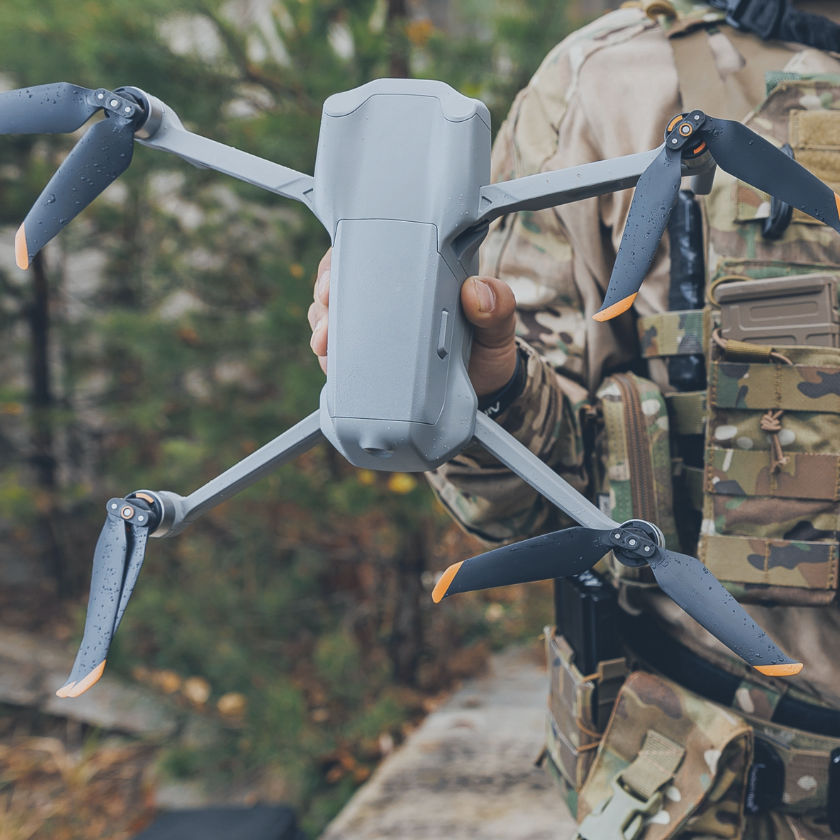
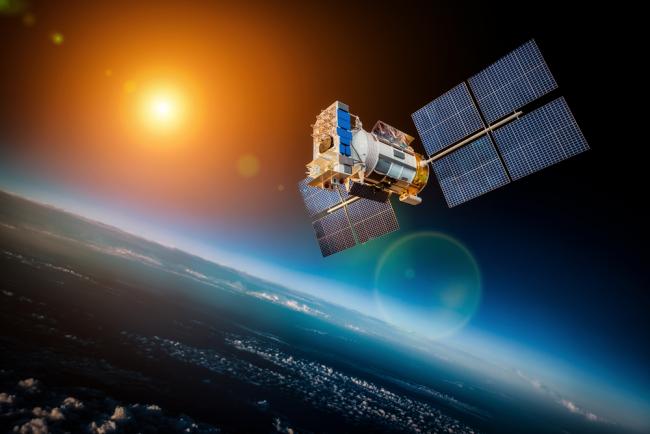
The unprecedented growth of space activities, the multiplication as well as diversification of players involved in the exploitation of outer space, and even, more generally, the dependence of all sectors of activity on space infrastructures are some of the main phenomena that have led to a progressive overuse of orbits and to saturation in the frequency spectrum.


Exclusive: Western Intelligence Fears New Russian Sat-Nav’s Espionage Capabilities
GLONASS, Moscow’s answer to GPS, is set to launch an upgraded satellite network later this year, which it hopes to sell to the U.S. and Europe. Buyer beware.
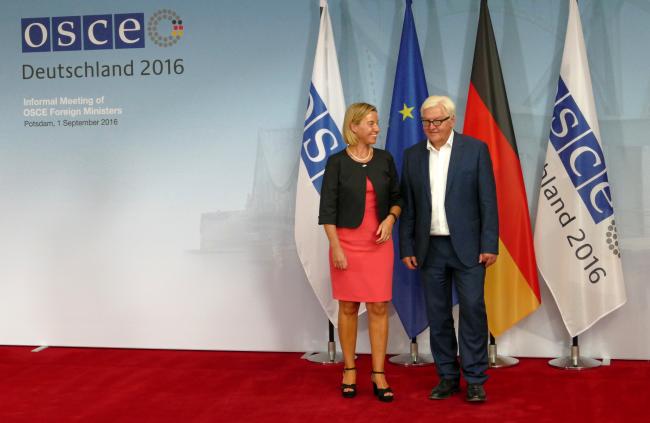
The Importance of the OSCE in German Diplomacy
As an essential platform for multilateralism, the Organization for Security and Co-operation in Europe (OSCE) has always been important to German diplomacy, although in varying degrees. Historically, Germany’s support for the Conference on Security and Co-operation in Europe (CSCE) process was motivated by the aim of mitigating and ultimately overcoming the division of Germany.
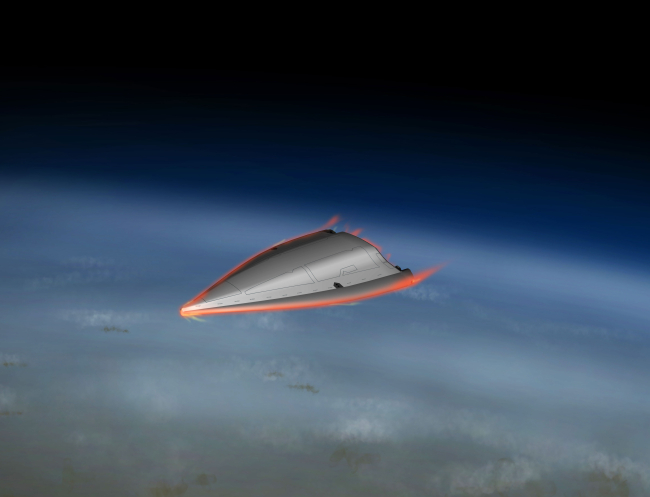
Hypersonic Weapons: What Are the Challenges for the Armed Forces?
Hypersonic systems are becoming attributes of power for the states that design and implement them, at the risk of reviving an arms race.
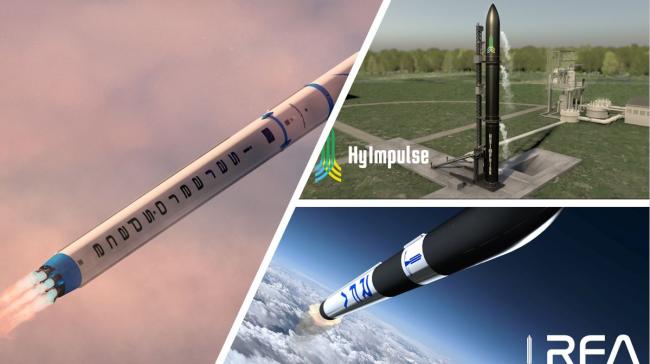
Commercial Space in Europe: A Balancing Act between Physics, Politics and Profession
Satellite constellations have become core elements of the digital transition. Over the next decade, several thousand satellites will have to be launched, to build these constellations. For positioning satellites, preferably in Low Earth Orbit (LEO), reliable and affordable launch services are essential.
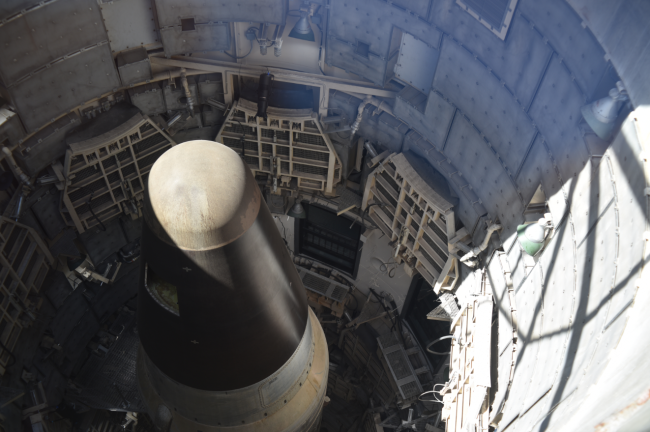
Strategic Risk Reduction between Nuclear-Weapons Possessors
The topic of nuclear risk reduction has gained momentum in the international security debate among policymakers, nongovernmental organizations, and experts.
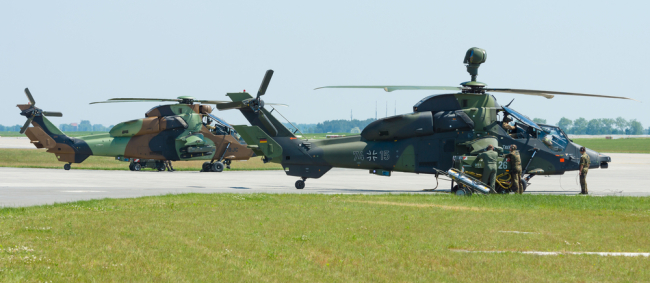
The Franco-German Armaments Cooperation. An Impossible Agreement?
In the Aachen Treaty in 2019, Germany and France agree to deepen their "common program in defense matters" and to pursue a common vision in terms of arms export. These are the preconditions that will help consolidate a culture of common armed forces, common interventions, and European defense industry.
The European Equation of Nuclear Deterrence, Variables and Possible Solutions
Ever since nuclear weapons were developed by the United States and the Union of Socialist Soviet Republics, Europe has lived under the nuclear shadow. A major direct confrontation between “the West” and “the East” could have very likely resulted in the detonation of nuclear weapons on the continent. As the Cold War ended, massive reductions in the US and Soviet arsenals (from 70,300 in 1986 to 13,890 in 2019) and a new security architecture radically transformed the European security environment.

New Global Challenges and European Security
In this special issue of Politique étrangère devoted to the proceedings of the conference organized by Ifri on April 10, 2019, in the Grand Amphitheater of the Sorbonne, on the occasion of its fortieth anniversary, discover the debate moderated by Nicole Gnesotto between Julian King, Jean-Marie Guéhenno, Wolfgang Ischinger, Nathalie Tocci, Hubert Védrine.
India’s Space Program - International Competition and Evolution
India’s space program has grown and evolved significantly in the last five decades. The program originally focused on developing space assets that provided direct developmental benefits, for example telecommunications and remote sensing satellites that helped both in improving communication facilities and giving direct assistance to India’s farmers. But over time, India has shifted a part of its focus towards space exploration and other high-profile missions that do not have as clear a developmental purpose as earlier. This includes, for example, India’s Mars and Moon exploratory missions. Overall, India has been fairly successful in these efforts and its space program has become a comprehensive one that includes not only a robust launch capacity and very large remote sensing satellite systems, but also a very well rounded scientific and deep space exploratory program.

Sustaining Multilateralism in a Multipolar World. What France and Germany Can Do to Preserve the Multilateral Order
While international multilateralism is under strain, it is vital for France and Germany to defend it, since it is the most appropriate system for preserving their interests – particularly in terms of welfare, security, prosperity and environmental protection. Against this backdrop, three political fields offer opportunities for joint initiatives: trade, conventional arms control and climate change.
Between Concentration and Dispersion: A Promising Future for Power Relations
The notion of power has long been a topic of study in international relations. In the coming decade, the evolution of power will be characterized by the dynamics of concentration and dispersion. On the one hand, the global system will be marked by the clash of two superpowers, the United States and China. On the other hand, capacity for individual action will proliferate through information and communication technologies.

Will Artificial Intelligence Revolutionize the Art of War?
Despite the development of artificial intelligence (AI) only being in its early stages, it has already had an impact on armed forces.
The Erosion of Strategic Stability and the Future of Arms Control in Europe
The instruments of cooperative security created during and since the Cold War to foster mutual confidence and reduce the risks of war, inadvertent escalation, and arms races, in and around Europe, have come under increasing strain.
The Gulf Monarchies' Armed Forces at the Crossroads
Something is happening with the military forces of the Arab monarchies in the Gulf.

Missiles of March: A political means of last resort for Putin
President Vladimir Putin’s extra-heavy emphasis on new strategic missile systems in his March 1 address to parliament was quite unexpected and rather out of character.
Where is the U.S. nuclear arsenal headed?
An interview with Jon WOLFSTHAL, nonresident scholar, Nuclear Policy Program, Carnegie Endowment for International Peace
Corée du Sud, la septième armée du monde ?
As Democratic Republic of Korea’s (DPRK) continuous development of non-conventional weapons and challenges of the international community reaches a new level, Republic of Korea (ROK) appears more than ever as the frontline state on which most of North-East Asia security depends.
La politique française de soutien aux exportations d'armement : raisons et limites d'un succès
During François Hollande’s five-year term French defense exports have reached quite spectacular results. Arms sales abroad have increased at least fourfold since 2012, when the former presidential team came to power.
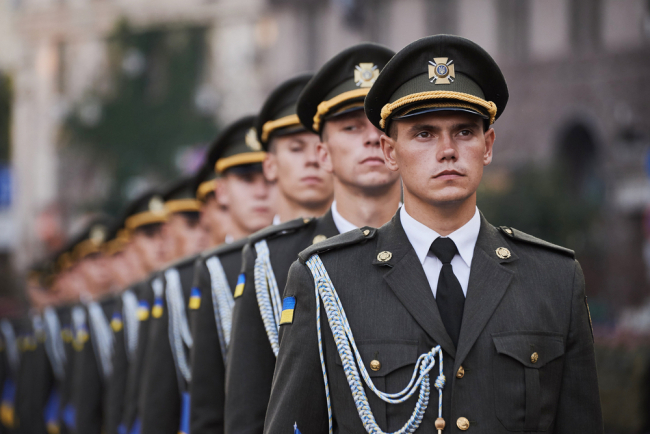
Reforming Ukrainian Defense: No Shortage of Challenges
Ukraine’s conflict with Russia has highlighted the catastrophic state of Ukraine’s defense apparatus.

Main Battle Tank: Obsolescence or Renaissance?
Since February 2022, Russian and Ukrainian forces combined have lost more than 5,000 battle tanks, a much higher volume than all the European armor combined. Spearhead of the Soviet doctrine from which the two belligerents came, tanks were deployed in large numbers from the first day and proved to be a prime target for UAVs that became more numerous and efficient over the months. The large number of UAV strike videos against tanks has also led a certain number of observers to conclude, once again, that armor is obsolete on a modern battlefield. This approach must, however, be nuanced by a deeper study of the losses and their origin, UAVs rarely being the sole origin of the loss itself, often caused by a combination of factors such as mines, artillery or other anti-tank weapons.
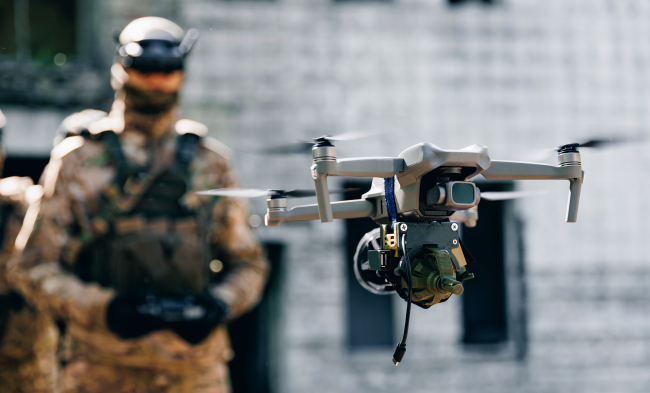
Design, Destroy, Dominate. The Mass Drone Warfare as a Potential Military Revolution
The widespread use of drones observed in Ukraine—both in terms of the scale of the fleets deployed and their omnipresence in the operations of both belligerents—appears to meet the conditions of a genuine military revolution.
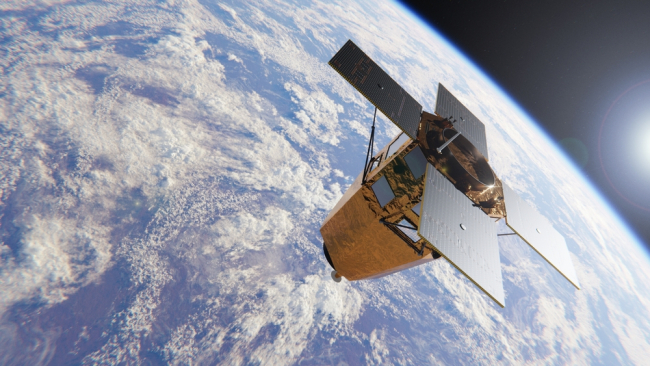
The European Space Model: Renewing Ambition in a Changing Strategic Landscape
The European space model, based on science, cooperation and trade, is now being undermined by changes in international relations and the economic upheavals brought about by New Space. In light of the war in Ukraine and American disengagement, Europe needs to rethink its strategy by adding a fourth pillar dedicated to defense, in order to strengthen its sovereignty and deter possible aggression against the continent.

A Transatlantic Defense Industrial Base? Two Contrasting Views
The evolving landscape of global defense cooperation has brought the transatlantic relationship between the United States (US) and Europe into sharp focus. As geopolitical tensions rise and the threat environment becomes more complex, the question of how Europe can best ensure its security while navigating its relationship with the United States has become paramount. This double feature report offers two contrasting views on the dynamics of US-Europe defense industrial relations, highlighting the challenges and opportunities that lie ahead for both parties.
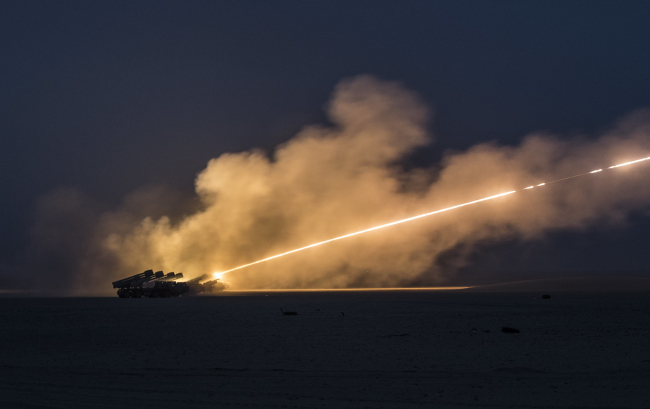
Deep Precision Strikes: A New Tool for Strategic Competition?
Reaching deep into the enemy’s system to weaken it and facilitate the achievement of operational or strategic objectives is a key goal for armed forces. What capabilities are required to conduct deep strikes in the dual context of high-intensity conflict and strengthened enemy defenses?
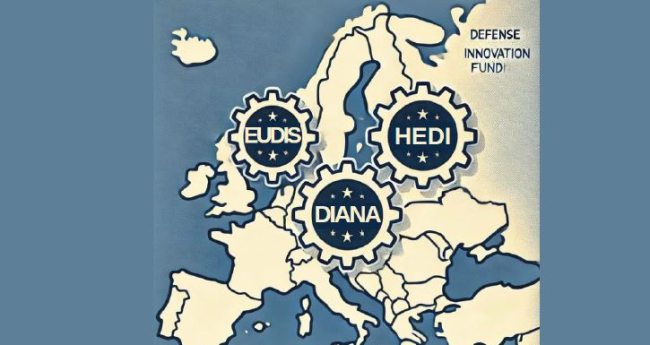
EUDIS, HEDI, DIANA: What's behind Three Defense Innovation Acronyms?
In Europe, with Russia’s war of aggression against Ukraine showing little sign of abating, a persistent gap remains between security needs and defense spending. According to a 2006 commitment enshrined at the 2014 Wales NATO summit, the North Atlantic Treaty Organization (NATO) members should disburse no less than 2% of their national gross domestic product (GDP) on defense, out of which 20% is to be spent on equipment and research and development. In 2024, only 23 Allies out of 32 are expected to meet or exceed this target, though a significant improvement from only three in 2014. This total includes the United States (US) devoting 3.38% of its GDP to defense, constituting almost 70% of all NATO member defense spending combined.
Hypersonic Weapons: What Are the Challenges for the Armed Forces?
Hypersonic systems are becoming attributes of power for the states that design and implement them, at the risk of reviving an arms race.
The European Equation of Nuclear Deterrence, Variables and Possible Solutions
Ever since nuclear weapons were developed by the United States and the Union of Socialist Soviet Republics, Europe has lived under the nuclear shadow. A major direct confrontation between “the West” and “the East” could have very likely resulted in the detonation of nuclear weapons on the continent. As the Cold War ended, massive reductions in the US and Soviet arsenals (from 70,300 in 1986 to 13,890 in 2019) and a new security architecture radically transformed the European security environment.
New Global Challenges and European Security
In this special issue of Politique étrangère devoted to the proceedings of the conference organized by Ifri on April 10, 2019, in the Grand Amphitheater of the Sorbonne, on the occasion of its fortieth anniversary, discover the debate moderated by Nicole Gnesotto between Julian King, Jean-Marie Guéhenno, Wolfgang Ischinger, Nathalie Tocci, Hubert Védrine.
The Gulf Monarchies' Armed Forces at the Crossroads
Something is happening with the military forces of the Arab monarchies in the Gulf.
Ifri, a foundation recognized as being of public utility, relies largely on private donors – companies and individuals – to guarantee its sustainability and intellectual independence. Through their funding, donors help maintain the Institute's position among the world's leading think tanks. By benefiting from an internationally recognized network and expertise, donors refine their understanding of geopolitical risk and its consequences on global politics and the economy. In 2026, Ifri partners with over 90 French and international companies and organizations.