




Security - Defense
As a result of global strategic competition, security and defense issues are marked by the return of major wars and nuclear deterrence, the transformation of terrorism and the race for military technologies.
Related Subjects
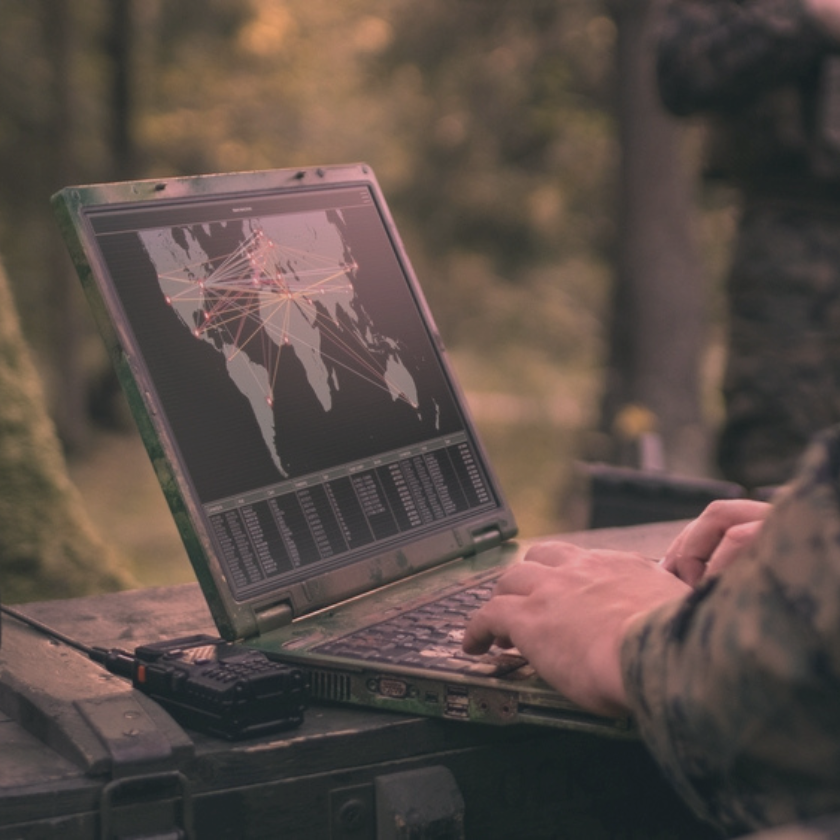
Intelligence and Nuclear Proliferation: Lessons Learned
Intelligence agencies play a fundamental role in the prevention of nuclear proliferation, as they help to understand other countries' intentions and assess their technical capabilities and the nature of their nuclear activities.

Activists without borders? The trips to Israel and the Palestinian territories organized by activists from France
Zionism: how militant oppositions lead to multiple interpretations
RAMSES 2012. Les États submergés ?
RAMSES (Le Rapport annuel mondial sur le système économique et les stratégies), is a yearly publication that provides in-depth reviews and prospective analysis on current events, providing readers with indispensable insights and perspectives for understanding contemporary geopolitics on the global scale.
Toward the End of Force Projection? I. The Anti-Access Threat
Force projection has become a general posture and a fundamental dimension of the influence Western powers intend to exert over the world by means of their armed forces.
La guerre des hélicoptères : L'avenir de l'aéromobilité et de l'aérocombat
Military helicopters have evolved into technologically sophisticated weapon systems. Originally designed to counter Soviet armor, attack helicopters now have to cope with a wide spectrum of threats, some of them bringing choppers back to their counterinsurgency roots.
NATO Partnerships: Shaking Hands or Shaking the System?
The new Strategic Concept takes stock of the past ten years but outlines only modest objectives for the future of NATO. Partnership falls under the third core task, cooperative security. A subsequent partnership policy was unveiled, but has provided little new impetus.
Russia's Nuclear Forces: Between Disarmament and Modernization
Nuclear weapons have traditionally occupied an important place in Russia’s national security strategy. As Russia and the United States have been reducing their nuclear arsenals since the end of the Cold War, their relationship has undergone a complex transformation. Russia, however, still considers strategic balance with the United States to be an important element of national security.
Economic Constraint and Ukraine's Security Policy
Since winning the 2010 presidential elections in Ukraine, Viktor Yanukovych has worked hard to repair Kyiv's relationship with Moscow.
Protecting Nuclear Installations: The difference between industrial safety and national security
There is a gritty public debate going on in Europe about what threats should be considered in conducting stress tests on existing nuclear power plants or in establishing safety criteria for new build nuclear power.
Hoplites numériques : Le combat d'infanterie à l'âge de l'information
FELIN, the first "integrated soldier system" in the world, will be effective this year in the French Army. Throughout history, infantrymen have tried to capitalize on technology while trying to arbitrate between the three basic requirements that are mobility, firepower and force protection.
Francs-tireurs et Centurions : Les ambiguïtés de l'héritage contre-insurrectionnel français
The war in Afghanistan and David Galula’s reputation in the United States have revived France’s counterinsurgency legacy. This legacy must be divided into two separate periods: the colonial era and later on the wars of decolonization fought by France in Indochina and Algeria.
Strategic Stability in the Cold War: Lessons for Continuing Challenges
During the Cold War, the phrase “strategic stability” gained currency both as a foreign policy objective and as an apt way of describing the fact that the United States and the Soviet Union never actually went to war.
Les camps de réfugiés et la guerre : Du sanctuaire à l'enfermement humanitaire ?
Refugee and IDP camps, intended to protect civilians affected by conflicts and natural disasters, have an undeniable strategic importance, and their management can be critical for the resolution of crises.
Caveats to Civilian Aid Programs in Counterinsurgency: The French Experience in Afghanistan
Amaury de Féligonde has just spent one year in Kapisa and Surobi as a project manager within the Afghan-Pakistan Interministerial Unit. Back in France, he expresses his personal views and draws conclusions from his experience.
France's Return into NATO: French Military Culture and Strategic Identity in Question
More than 40 years after the unilateral decision by General de Gaulle to withdraw French forces from NATO's integrated military command, President Sarkozy decided that France would reintegrate the Atlantic Alliance’s military structure, based on "full and complete participation". The decision was endorsed by Parliament and has generated little debate in France, while a majority of French people appear to approve of it.
Evolution of the Australia-Japan Security Partnership: Toward a Softer Triangle Alliance with the United States?
This paper examines how and why the Australia-Japan defense and security partnership has evolved, what policy implications this new partnership has for the U.S.-Japan alliance system, and what constraints the further advancement of trilateral security cooperation faces.
Entente or Oblivion : Prospects and Pitfalls of Franco-British Co-operation on Defence
German Military Engagement in Afghanistan: Conditions, Assessment, Outlook
Since the beginning of 2010, German authorities have become conscious of the fact that they cannot continue to maintain the Bundeswehr’s involvement in Afghanistan with a majority of the German population opposing it. It is clearly understood that the federal government and the Bundestag will adhere to President Obama’s plans to gradually withdraw national troops from ISAF, starting in the summer of 2011, and to hand over complete control of the country’s security to Afghani authorities.
Potential Strategic Consequences of the Nuclear Energy Revival
Renewed interest throughout the globe in harnessing nuclear energy has raised concern about security threats from states and non-state actors while holding out the promise of more electricity for more people.
Ifri, a foundation recognized as being of public utility, relies largely on private donors – companies and individuals – to guarantee its sustainability and intellectual independence. Through their funding, donors help maintain the Institute's position among the world's leading think tanks. By benefiting from an internationally recognized network and expertise, donors refine their understanding of geopolitical risk and its consequences on global politics and the economy. In 2026, Ifri partners with over 90 French and international companies and organizations.

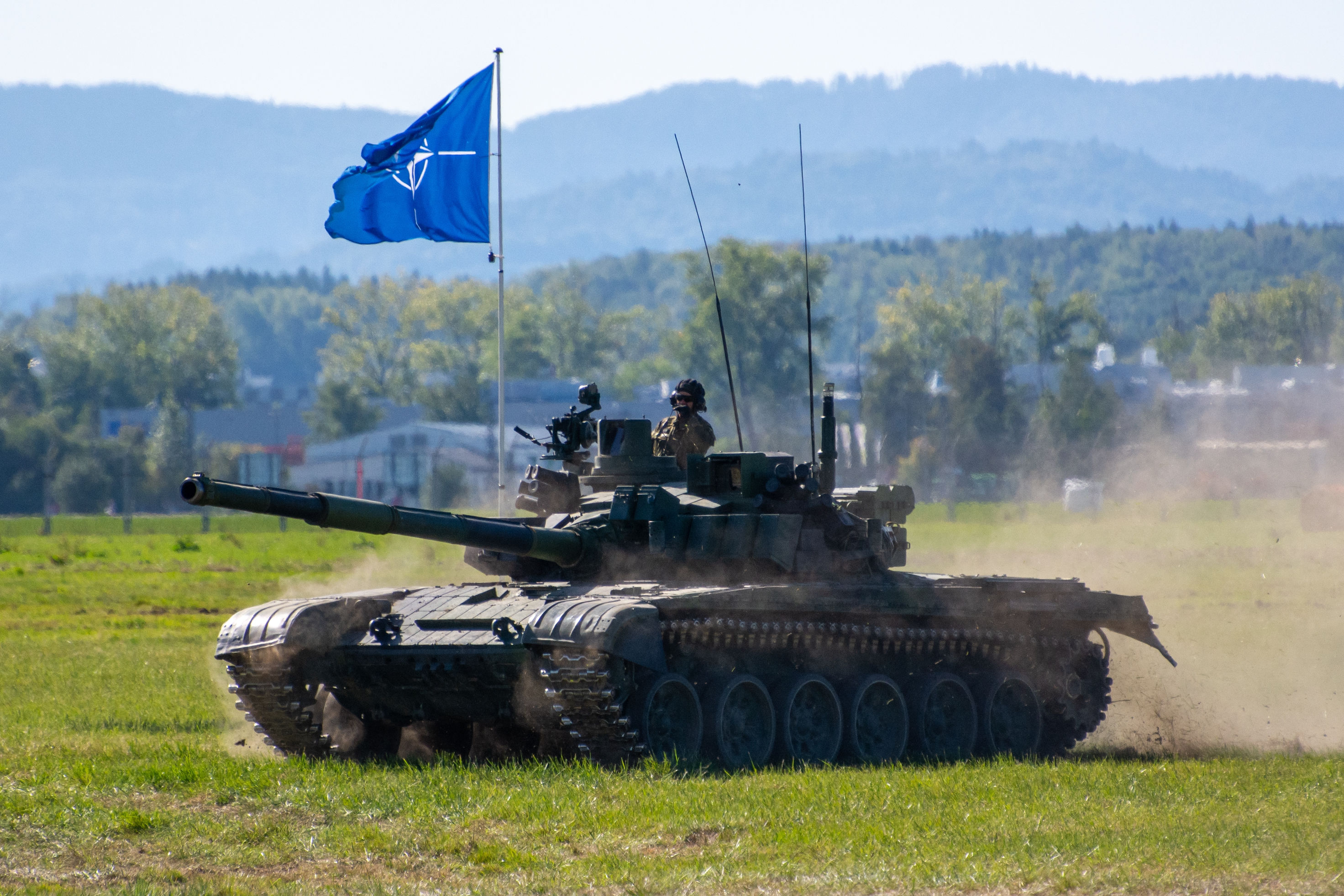
The European & Transatlantic Security Program aims to contribute to the strategic debate by developing analyses around three main axes: European defense and the security architecture of the European continent, institutional and strategic links between the Treaty Organization of North Atlantic (NATO) and the European Union (EU), as well as the evolution of the transatlantic relationship.
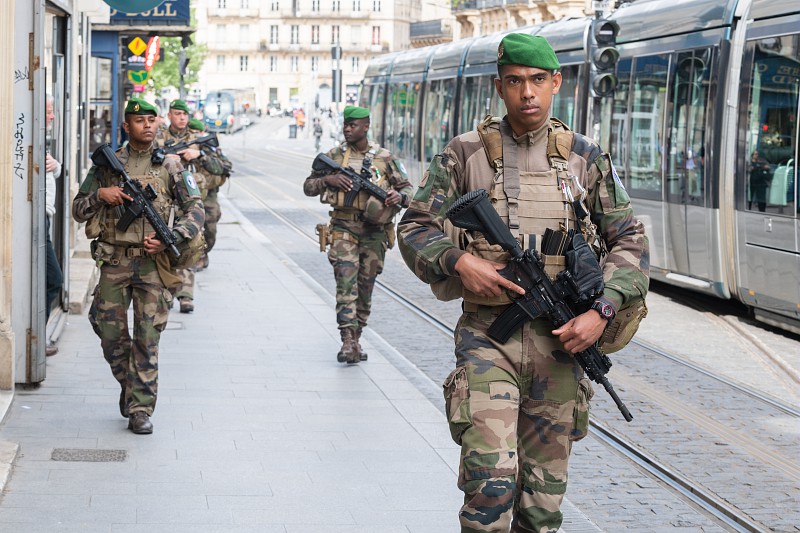
The distinction between internal and external threats is often exaggerated, as the borders are so porous. Conflicts taking place thousands of kilometers from France can have tragic resonances on national territory. Radicalization, terrorism and even organized crime have an international dimension that cannot be ignored.
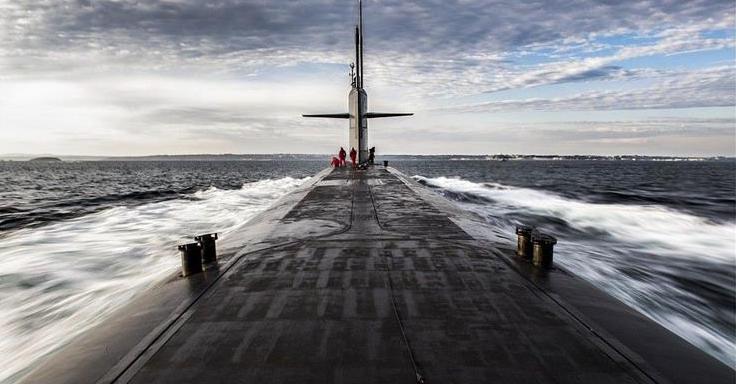
The conflicts in Europe, Asia and the Middle East demonstrate a return of nuclear power to the balance of power. Arsenals are being modernized and expanded, while arms control is collapsing. This research program aims to analyze these phenomena.
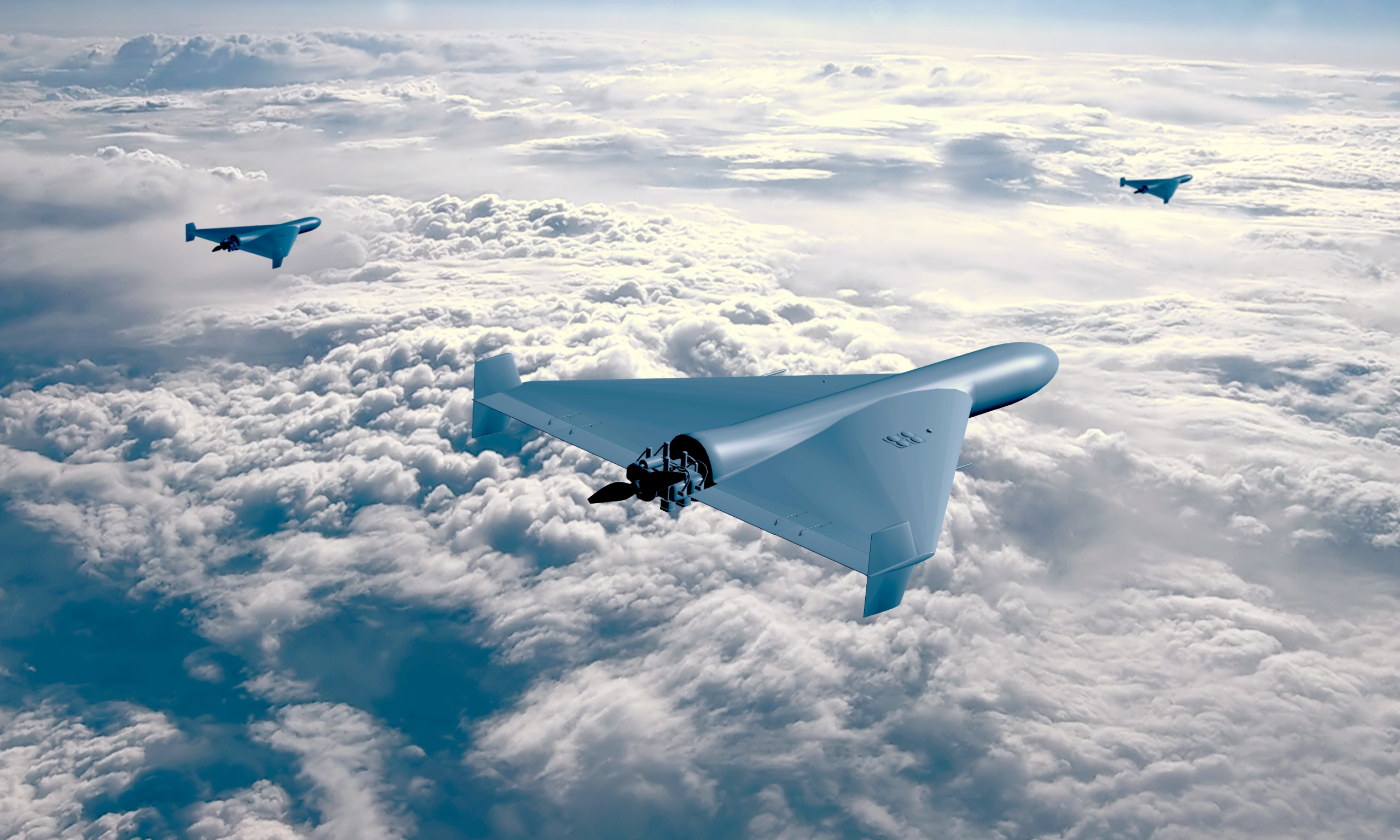
The Observatory of Future Conflicts is a research program carried out by the French Institute of International Relations and the Foundation for Strategic Research on behalf of the three army headquarters aimed at studying developments in tensions and armaments at the horizon 2040 in a transversal perspective, taking into account the issues of each army.
Heir to a tradition dating back to the founding of Ifri, the Security Studies Center provides public and private decision-makers as well as the general public with the keys to understanding power relations and contemporary modes of conflict as well as those to come. Through its positioning at the juncture of politics and operations, the credibility of its civil-military team and the wide distribution of its publications in French and English, the Center for Security Studies constitutes in the French landscape of think tanks a unique center of research and influence on the national and international defense debate.
The Defense Research Unit is a program that aims at stimulating the strategic debate by dealing with subjects at the junction of the “technico-operational” and the “political-strategic”. A unique structure in France, it brings together civilian researchers and “military fellows” from each of the three armies to produce work on defense policies, the capability and strategic adaptation of armies, and foresight on tomorrow's conflicts.