




Practical information
Accessibility
Themes and regions
Related centers and programs
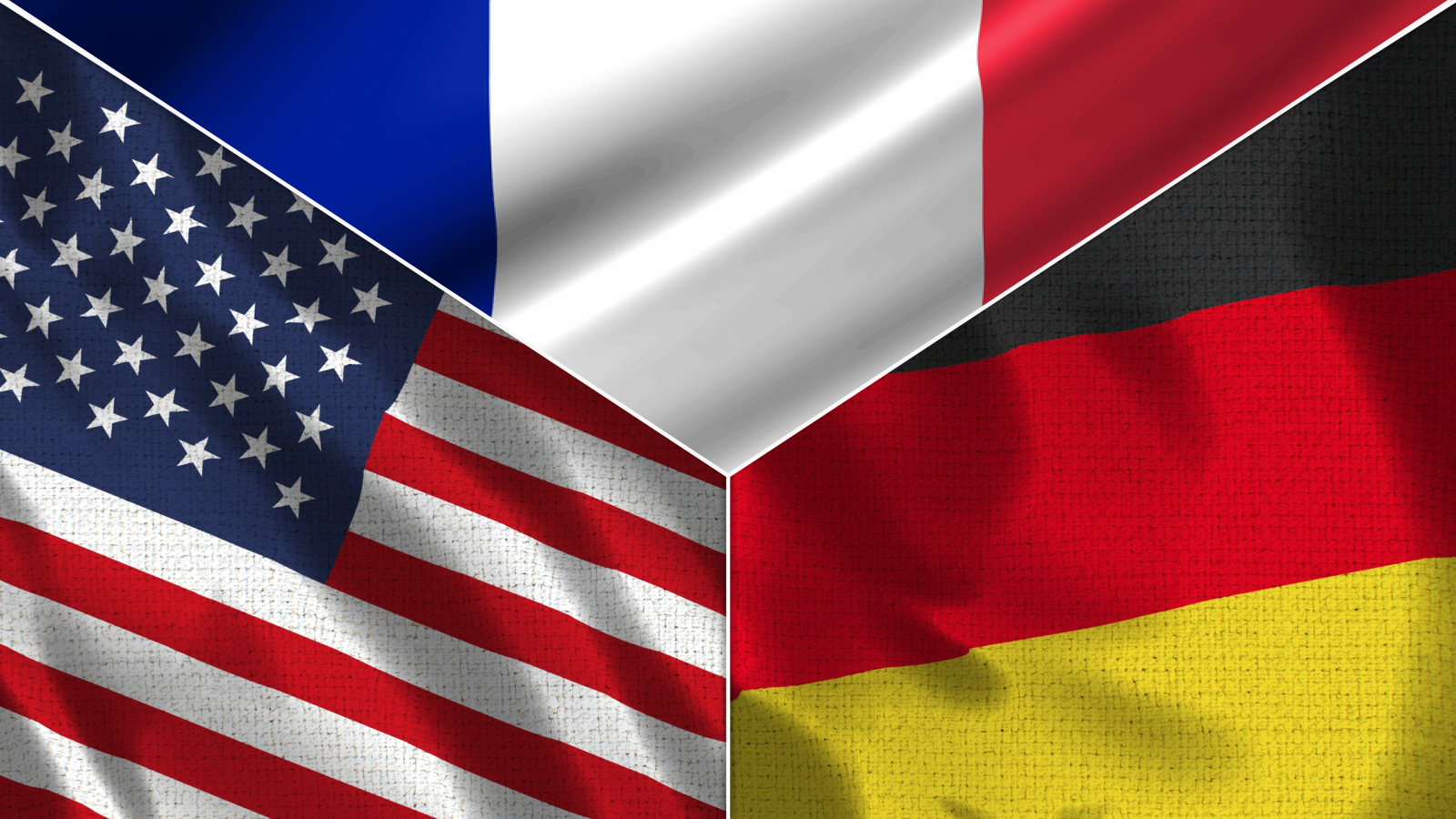
Conference with Anne-Marie Descôtes, Secretary-General of the French Ministry for Europe and Foreign Affairs, and Thomas Bagger, State Secretary of the German Federal Foreign Office.
Since Donald Trump's return to the White House, transatlantic relations have been put to the test. New sources of tension emerge every week: war in Ukraine, customs duties, interference in electoral processes, etc. The speech by Vice President J.D. Vance at the Munich Security Conference caused a form of shock. Could the American ally turn into an adversary?
Faced with this new challenge, will the European Union be able to form a united front, or will its member states enter into bilateral transactional logic? At this historic moment, France and Germany, traditional drivers of European integration, must find a balance between defending their national interests and promoting European solidarity.
With:
Anne-Marie Descôtes, Secretary-General of the French Ministry for Europe and Foreign Affairs
Thomas Bagger, State Secretary of the German Federal Foreign Office
Discussion:
Laurence Nardon, Responsable for the America-Program of Ifri
Chair:
Paul Maurice, Secretary General of the Study Committee on Franco-German Relations (Cerfa), Ifri
At Ifri under the Chatham House rule.
Conference in French and German with simultaneous translation.
Contact
Catherine NAIKER
Assistant to the Study Committee on Franco-German Relations (Cerfa), Ifri

Speakers

Our team

Paul MAURICE
Secretary General of the Study Committee on Franco-German Relations (Cerfa), Ifri

Laurence NARDON
Research Fellow, Head of the Americas Program, Ifri


Related Subjects
Other events
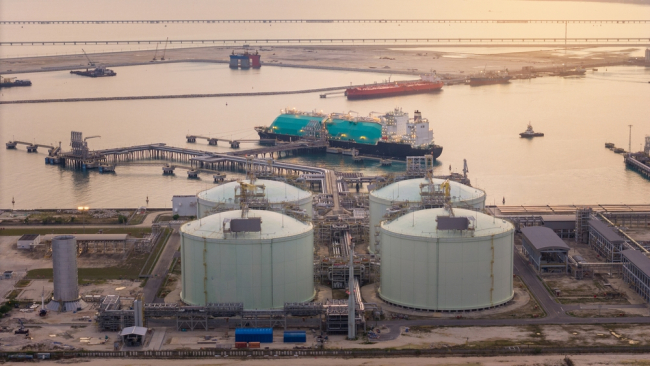
Europe Bracing for a Tough Winter: Prospects for Tighter Oil and Gas Markets
Summer witnessed a sharp escalation in the Russia-Europe confrontation, amidst continued partial closure of Hormuz and major extreme weather events. Oil and gas prices are high, and the price and supply outlooks for Europe this winter are very challenging for oil products, LNG and possibly, electricity markets which see growing contamination from the Hormuz crisis and growing risks of disbalances. Moreover, the phase-out of Russian gas supplies comes with renewed risks.
One Month Ahead of the Midterms: Where Is Trump’s America Headed?
The 24th edition of the Ifri Americas Programme Annual Conference will examine the dynamics at play in the United States and their implications for Europe and the transatlantic relationship. will examine the dynamics at play in the United States and their implications for Europe and the transatlantic relationship.
The EU in a World of Economic Warfare: Trade, Geopolitics, and the Battle for Economic Sovereignty
The international trading system has become a primary theatre of geopolitical competition. Tariffs, sanctions, and technology controls have replaced dialogue as the default instruments of economic relations.