
Gaza Through the World’s Eyes
This page brings together a series of publications on Gaza and the Israeli-Palestinian conflict, examining how it is perceived and addressed across different national contexts. It explores the positions and responses of countries around the world, the regional and global repercussions of the conflict, and the geopolitical shifts it has set in motion.
Related Subjects

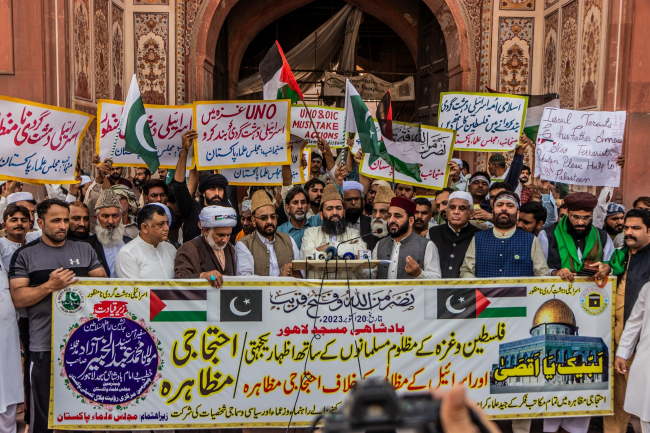
Pakistan and the Israel-Palestine Conflict: Transformation in Pakistan’s Approach After the War in Gaza
Pakistan has long combined vocal support for the Palestinian cause with covert engagement with Israel. Since the war in Gaza, this balance has become untenable: public opinion is united against Israel, joining Trump’s Board of Peace has drawn rare cross-party criticism, and new regional alignments put normalization out of reach.
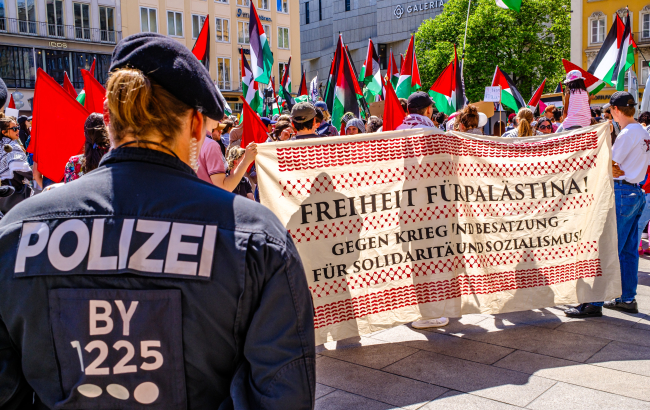
Overwhelmed: Germany’s Israel Policy after October 7th
Few countries have been as profoundly affected by the attacks of October 7th and the subsequent Gaza war as Germany. This is not merely a political controversy. It reflects a deeper structural problem: German-Israel policy has long rested on two guiding principles—a particular historical responsibility toward Israel derived from the Holocaust, and a firm commitment to universalist norms, above all international law and human rights.
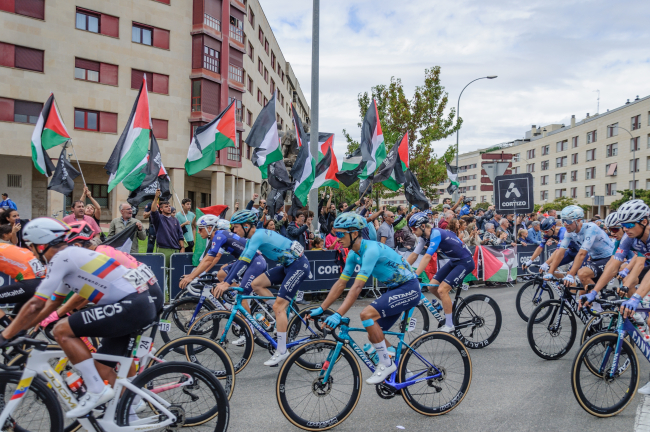
Escalation within Continuity: Spain’s Foreign Policy towards Israel and Palestine after October 7th
Over the past two years, Spain has emerged as one of the most vocal countries in supporting the Palestinian cause. While Madrid initially aligned with the prevailing European position, recognizing Israel’s right to self-defense after the 7 October attacks, it soon distinguished itself from most European Union (EU) Member States by questioning and later condemning Israel’s conduct of war in Gaza.
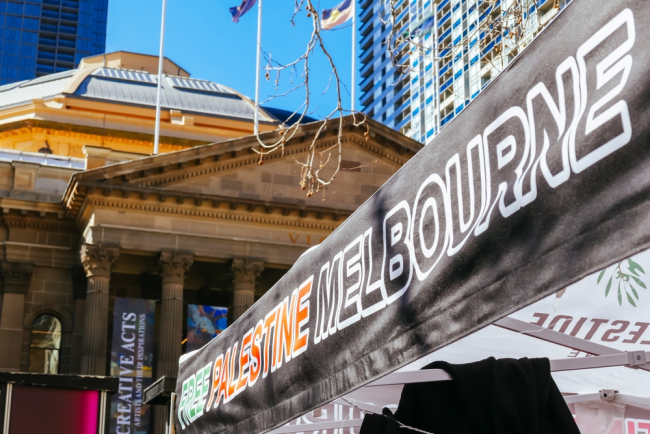
Australia’s Recognition of Palestine: A Case of Supporting the Status Quo over Accountability
Hamas’s terrorist attacks against Israel on October 7, 2023, killed over a thousand Israelis, altering irrevocably the way the Palestinian/Israeli conflict is viewed internationally. Australia’s government professed profound shock and disgust at Hamas’s attacks, together with its unwavering diplomatic and political support for Israel. But as Israel’s response became more concerned with exacting revenge and as the pretext to fulfill long-held ideological dreams of a Greater Israel, support from Australia became more muted and conditional. This culminated in Australia joining Britain, France, and Canada in formally recognizing a Palestinian state at the United Nations General Assembly meeting in September 2025.
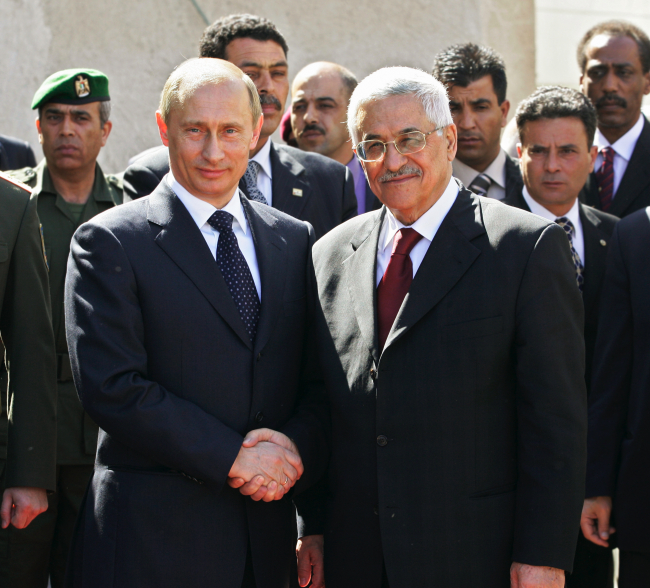
Russia, the Palestinians and Gaza: Adjustments after October 7th
The Soviet Union (USSR), and subsequently the Russian Federation as its internationally recognized legal successor, has consistently sought to play a visible role in efforts to resolve the Israeli-Palestinian conflict.
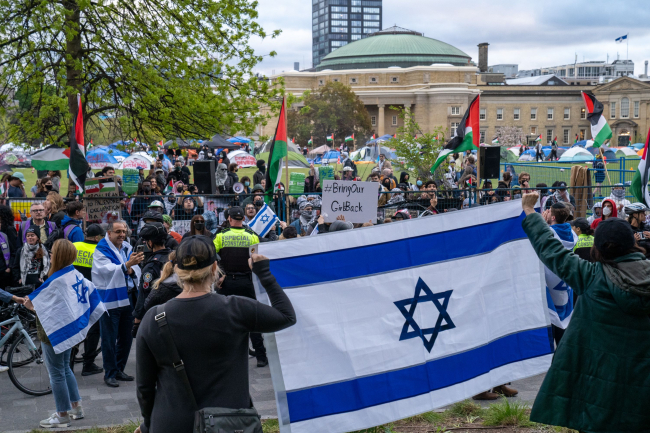
Canada’s Recognition of a Palestinian State: What Consequences on its Foreign Policy Toward Palestine?
On September 21, 2025, Canada became the 148th of 157 countries to recognize Palestine as a state. It did this with the United Kingdom (UK) and Australia, defying the United States (US) and Israeli opposition.
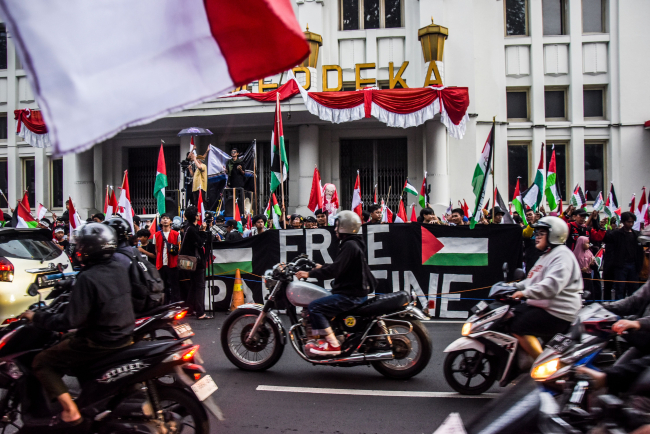
Indonesia and the Palestinian Cause
During his inaugural presidential speech on October 20, 2024, Indonesia’s incumbent president, Prabowo Subianto, iterated certain principles central to the philosophical foundation of the Indonesian nation. He noted Indonesia’s longstanding foreign policy of non-alignment or “bebas dan aktif” (free and active) and its aversion to military pacts.
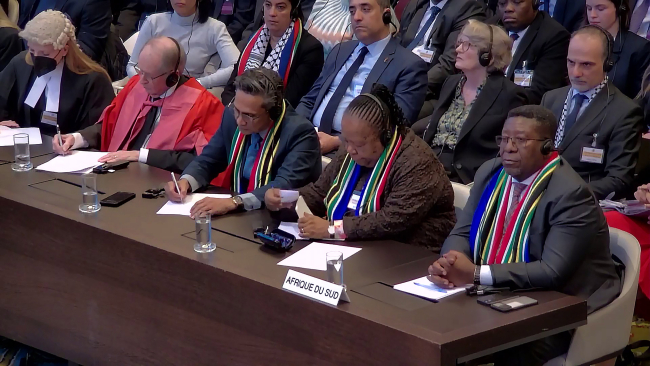
Middle Power Lawfare : South Africa, International Justice, and the Gaza Crisis
The intensification of violence in Gaza following Hamas’s 7 October 2023 Al Aqsa Flood attack and Israel’s military response prompted a broader reassessment of global diplomacy. Longstanding geopolitical alignments were disrupted, and questions about humanitarian obligations, institutional accountability, and the limits of state conduct returned to the centre of international debate.
Russia, the Palestinians and Gaza: Adjustments after October 7th
The Soviet Union (USSR), and subsequently the Russian Federation as its internationally recognized legal successor, has consistently sought to play a visible role in efforts to resolve the Israeli-Palestinian conflict.
Canada’s Recognition of a Palestinian State: What Consequences on its Foreign Policy Toward Palestine?
On September 21, 2025, Canada became the 148th of 157 countries to recognize Palestine as a state. It did this with the United Kingdom (UK) and Australia, defying the United States (US) and Israeli opposition.
Indonesia and the Palestinian Cause
During his inaugural presidential speech on October 20, 2024, Indonesia’s incumbent president, Prabowo Subianto, iterated certain principles central to the philosophical foundation of the Indonesian nation. He noted Indonesia’s longstanding foreign policy of non-alignment or “bebas dan aktif” (free and active) and its aversion to military pacts.
Middle Power Lawfare : South Africa, International Justice, and the Gaza Crisis
The intensification of violence in Gaza following Hamas’s 7 October 2023 Al Aqsa Flood attack and Israel’s military response prompted a broader reassessment of global diplomacy. Longstanding geopolitical alignments were disrupted, and questions about humanitarian obligations, institutional accountability, and the limits of state conduct returned to the centre of international debate.
Ifri, a foundation recognized as being of public utility, relies largely on private donors – companies and individuals – to guarantee its sustainability and intellectual independence. Through their funding, donors help maintain the Institute's position among the world's leading think tanks. By benefiting from an internationally recognized network and expertise, donors refine their understanding of geopolitical risk and its consequences on global politics and the economy. In 2026, Ifri partners with over 90 French and international companies and organizations.