

Asia and Indo-Pacific
Asia and the Indo-Pacific are often presented as the heart of international relations in the 21st century.
Related Subjects


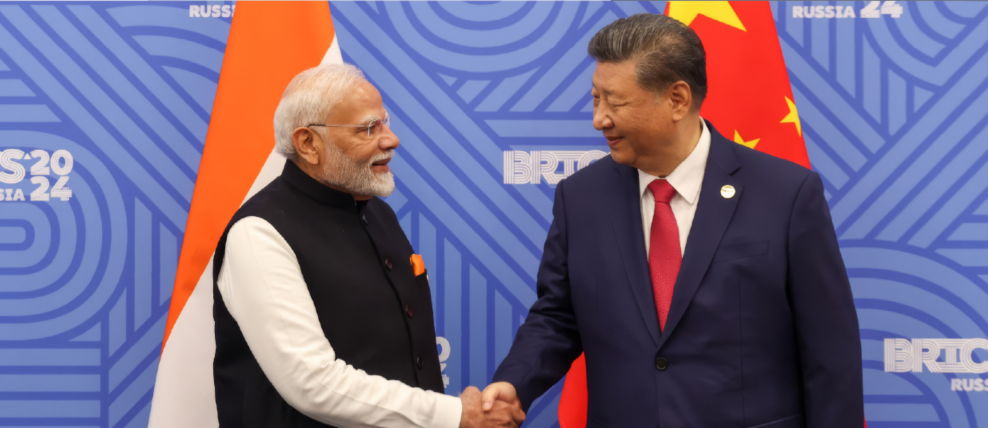
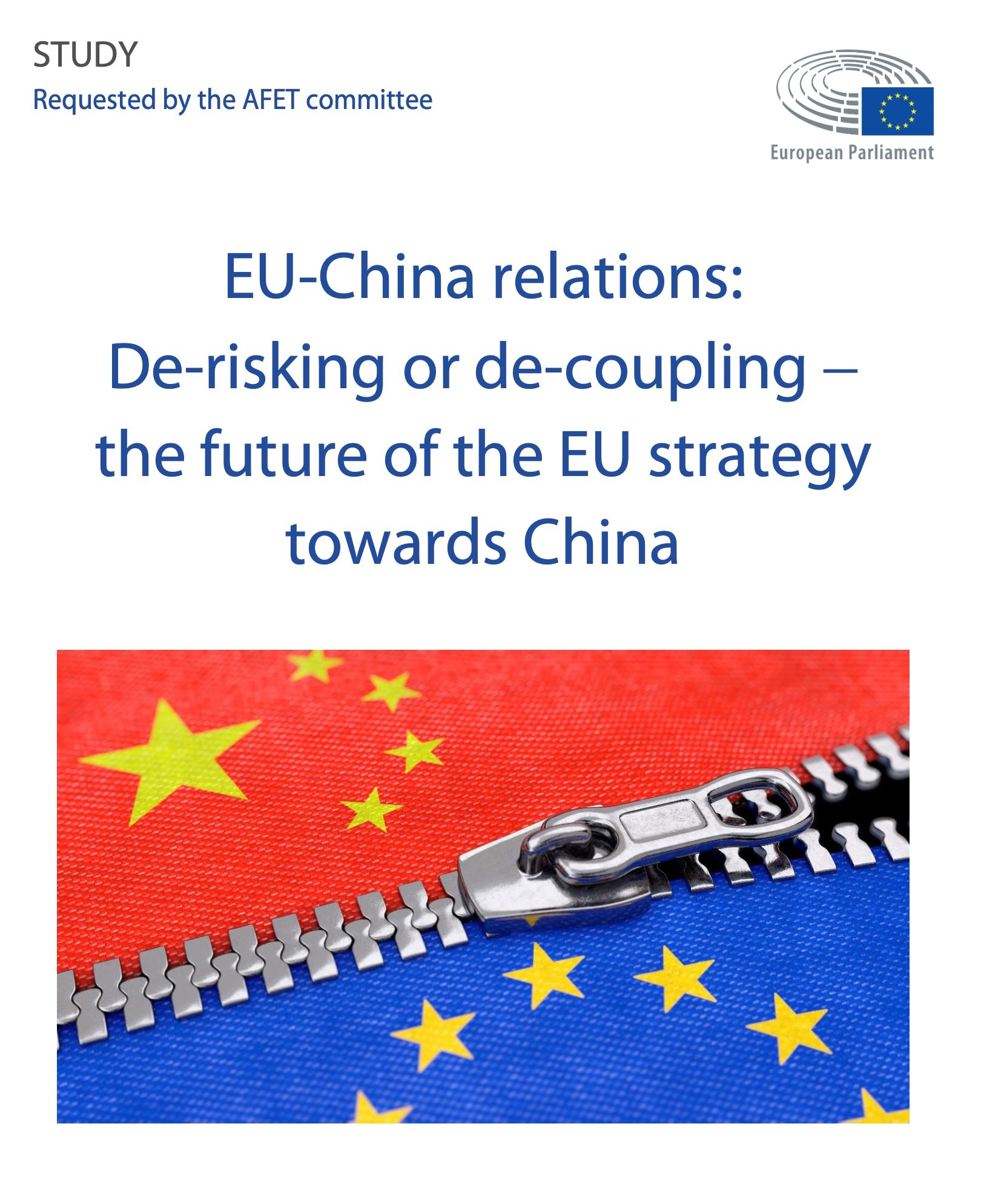
EU-China relations: De-risking or de-coupling − the future of the EU strategy towards China


New Cold War? What New Cold War? Confronting the Geoeconomic Fragmentation Narrative with the Data
It has become widely accepted that the world economy should be seen as increasingly shaped by forces of fragmentation, resulting from geopolitical tensions. This article takes another look at this narrative, using international trade data. While an aggregate analysis is consistent with a new Cold War narrative, whereby international trade is increasingly seen as split into two blocs, this is only a mix of very different outcomes. Far from being a widespread trend, geoeconomic fragmentation of trade flows is only significant in “hotspots”: Russia's foreign trade and China-US bilateral exchanges, and the impact is massive in these cases. Outside these “hotspots”, there is no tangible sign that geopolitical tensions have been shaping international trade patterns in terms of blocs, nor is there any hint of a trend toward nearshoring – to the contrary, in fact.
Has ASEAN become Marginalized within Regional Security Architecture?
South Asian leaders continue to reiterate how “central” ASEAN is to the region’s security architecture. However, in practice, the tendency is to prioritize bilateral agreements, gradually marginalizing the organization. This fragmentation is weakening regional cooperation, accentuating divisions, and compromising stability in the context of growing tensions in the Indo-Pacific. These trends are worrying at a time when Sino-American rivalries are becoming more acute.
Caught between China and the US: Southeast Asia’s Strategic Fence-Sitting
The secret of success for many Southeast Asian countries has been their choice of economic and diplomatic multilateralism. Fence-sitting between rival powers is becoming fraught. China inspires a degree of fear in the region, due to its clout and geographical proximity. And under Trump, the United States is on the offensive against the multilateral trade system, with major diplomatic consequences. Can Southeast Asian countries maintain their balance by embracing new partnerships?

The Gulf Search for Power(s) / Politique étrangère, Vol. 90, No. 4, 2025
Persian Gulf countries have become heavyweights in the international arena, wielding influence both regionally and far beyond. Acting as diplomatic mediators, investors, and hosts of global events, they are attempting to move beyond their long-standing role as suppliers of energy resources and reshape their economic, social, and political foundations through ambitious national “Visions”. Their international alliances are proving increasingly flexible, broadening their diplomatic reach (even if Washington’s influence remains decisive)—with Saudi Arabia, Qatar, and the United Arab Emirates all part of a dynamic pushing many global actors toward multi-alignment.
Opening up the G7 to South Korea to Address Contemporary Global Challenges
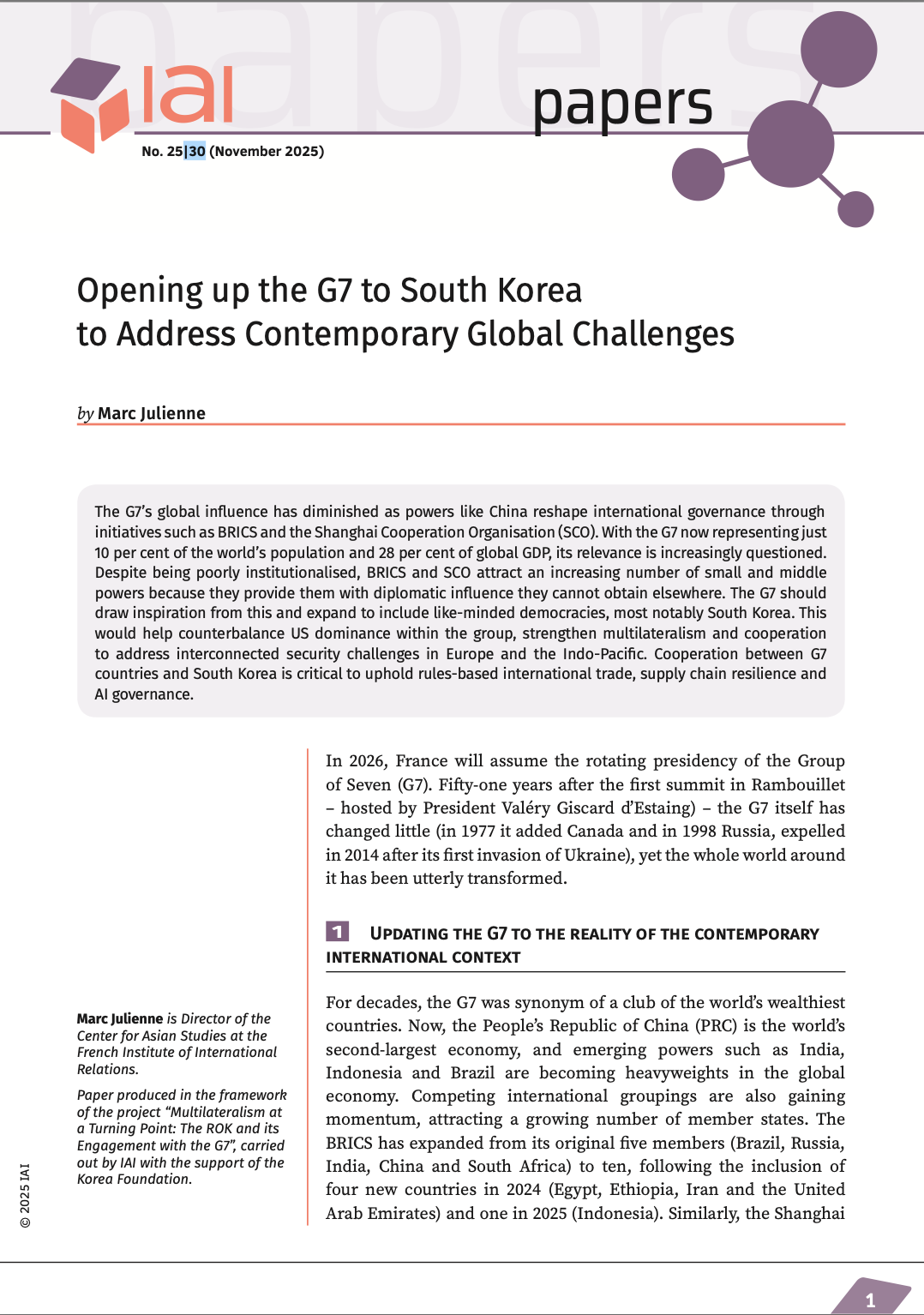
The G7’s global influence has diminished as powers like China reshape international governance through initiatives such as BRICS and the Shanghai Cooperation Organisation (SCO). With the G7 now representing just 10 per cent of the world’s population and 28 per cent of global GDP, its relevance is increasingly questioned.

Expanding SPDMM as a pivotal institution in the Pacific – A French perspective
The South Pacific Defence Ministers’ Meeting (SPDMM) is the only forum that brings together defense ministers from the wider South Pacific — including Chile, which is hosting it for the first time. This heterogeneous group of countries with varying resources, capacities, and interests — Australia, Chile, Fiji, France, New Zealand, Papua New Guinea (PNG), and Tonga — are united by their shared determination to strengthen cooperation on maritime security and humanitarian assistance and disaster relief (HADR) activities.
EU’s Derisking From China: A Daunting Task
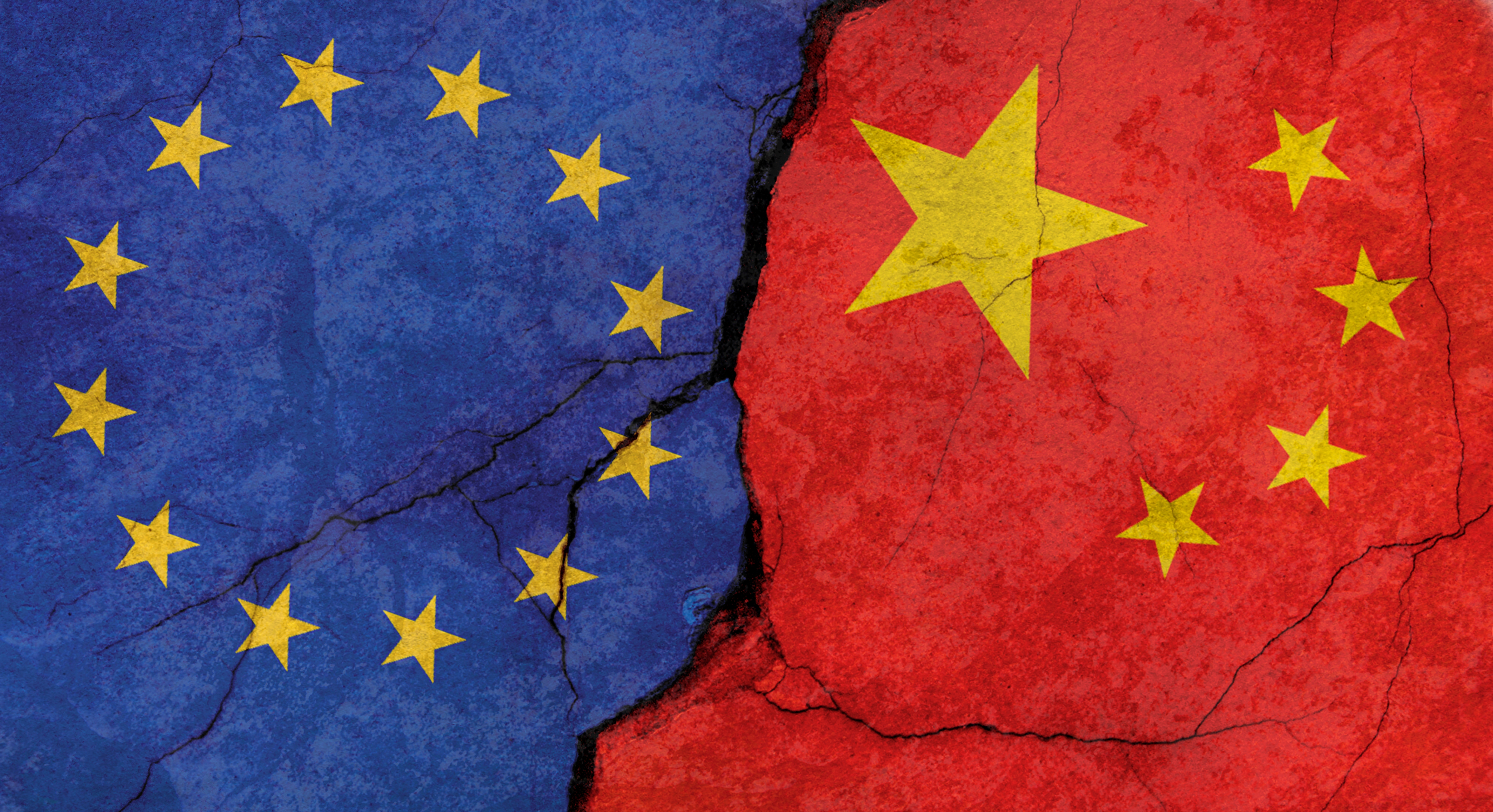
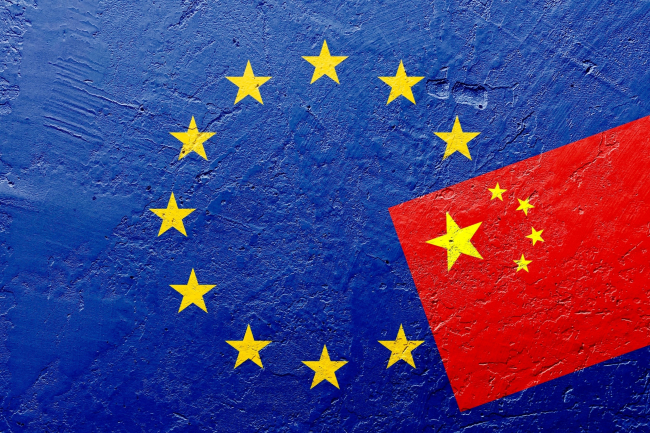
With economic security as a major concern, the EU has recently turned to “derisking” from China. The EU strategy entails reducing critical dependencies and vulnerabilities, including in EU supply chains, and diversifying where necessary, while recognizing the importance and need to maintain open channels of communication.
Sri Lanka’s NPP Government. From System Change to Structural Compliance
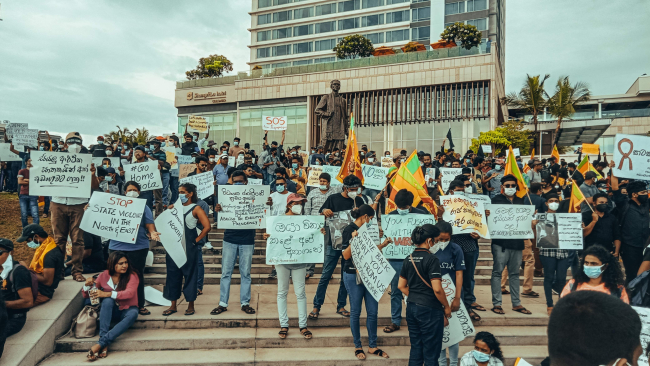
In September 2024, a relative outsider to Sri Lanka’s two-party-dominated political system, Anura Kumara Dissanayake, won the presidential elections. The anti-establishment, populist movement he represented, the National People’s Power (NPP), went on to receive an overwhelming mandate in the November 2024 general elections, winning 159 seats in a 225-member parliament.
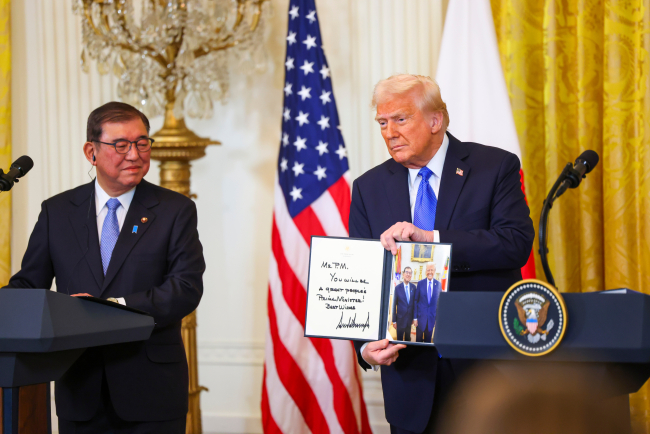
Japan Under Trump: Alliance Strains, the Push for Autonomy and Essential Partnerships
Japan is under pressure from the United States (US) on punitive tariffs and demands for increased defence spending. This has sparked deep concern over US credibility and triggered growing domestic calls for greater autonomy.
Trump II and Asia: The Wind is Picking Up…
The Indo-Pacific is a priority for the second Trump administration, which sees China as the United States' principal rival. However, Donald Trump began his second term in a rather disconcerting fashion by taking a harder line with Washington's traditional partners. He then provoked hostilities with Beijing, sparking a trade war even more intense than during his first term. The Chinese authorities have no intention of taking it lying down.
New Cold War? What New Cold War? Confronting the Geoeconomic Fragmentation Narrative with the Data
It has become widely accepted that the world economy should be seen as increasingly shaped by forces of fragmentation, resulting from geopolitical tensions. This article takes another look at this narrative, using international trade data. While an aggregate analysis is consistent with a new Cold War narrative, whereby international trade is increasingly seen as split into two blocs, this is only a mix of very different outcomes. Far from being a widespread trend, geoeconomic fragmentation of trade flows is only significant in “hotspots”: Russia's foreign trade and China-US bilateral exchanges, and the impact is massive in these cases. Outside these “hotspots”, there is no tangible sign that geopolitical tensions have been shaping international trade patterns in terms of blocs, nor is there any hint of a trend toward nearshoring – to the contrary, in fact.
Has ASEAN become Marginalized within Regional Security Architecture?
South Asian leaders continue to reiterate how “central” ASEAN is to the region’s security architecture. However, in practice, the tendency is to prioritize bilateral agreements, gradually marginalizing the organization. This fragmentation is weakening regional cooperation, accentuating divisions, and compromising stability in the context of growing tensions in the Indo-Pacific. These trends are worrying at a time when Sino-American rivalries are becoming more acute.
The Gulf Search for Power(s) / Politique étrangère, Vol. 90, No. 4, 2025
Persian Gulf countries have become heavyweights in the international arena, wielding influence both regionally and far beyond. Acting as diplomatic mediators, investors, and hosts of global events, they are attempting to move beyond their long-standing role as suppliers of energy resources and reshape their economic, social, and political foundations through ambitious national “Visions”. Their international alliances are proving increasingly flexible, broadening their diplomatic reach (even if Washington’s influence remains decisive)—with Saudi Arabia, Qatar, and the United Arab Emirates all part of a dynamic pushing many global actors toward multi-alignment.
Caught between China and the US: Southeast Asia’s Strategic Fence-Sitting
The secret of success for many Southeast Asian countries has been their choice of economic and diplomatic multilateralism. Fence-sitting between rival powers is becoming fraught. China inspires a degree of fear in the region, due to its clout and geographical proximity. And under Trump, the United States is on the offensive against the multilateral trade system, with major diplomatic consequences. Can Southeast Asian countries maintain their balance by embracing new partnerships?
Opening up the G7 to South Korea to Address Contemporary Global Challenges
The G7’s global influence has diminished as powers like China reshape international governance through initiatives such as BRICS and the Shanghai Cooperation Organisation (SCO). With the G7 now representing just 10 per cent of the world’s population and 28 per cent of global GDP, its relevance is increasingly questioned.
Expanding SPDMM as a pivotal institution in the Pacific – A French perspective
The South Pacific Defence Ministers’ Meeting (SPDMM) is the only forum that brings together defense ministers from the wider South Pacific — including Chile, which is hosting it for the first time. This heterogeneous group of countries with varying resources, capacities, and interests — Australia, Chile, Fiji, France, New Zealand, Papua New Guinea (PNG), and Tonga — are united by their shared determination to strengthen cooperation on maritime security and humanitarian assistance and disaster relief (HADR) activities.
EU’s Derisking From China: A Daunting Task
With economic security as a major concern, the EU has recently turned to “derisking” from China. The EU strategy entails reducing critical dependencies and vulnerabilities, including in EU supply chains, and diversifying where necessary, while recognizing the importance and need to maintain open channels of communication.
Sri Lanka’s NPP Government. From System Change to Structural Compliance
In September 2024, a relative outsider to Sri Lanka’s two-party-dominated political system, Anura Kumara Dissanayake, won the presidential elections. The anti-establishment, populist movement he represented, the National People’s Power (NPP), went on to receive an overwhelming mandate in the November 2024 general elections, winning 159 seats in a 225-member parliament.
Japan Under Trump: Alliance Strains, the Push for Autonomy and Essential Partnerships
Japan is under pressure from the United States (US) on punitive tariffs and demands for increased defence spending. This has sparked deep concern over US credibility and triggered growing domestic calls for greater autonomy.
Trump II and Asia: The Wind is Picking Up…
The Indo-Pacific is a priority for the second Trump administration, which sees China as the United States' principal rival. However, Donald Trump began his second term in a rather disconcerting fashion by taking a harder line with Washington's traditional partners. He then provoked hostilities with Beijing, sparking a trade war even more intense than during his first term. The Chinese authorities have no intention of taking it lying down.
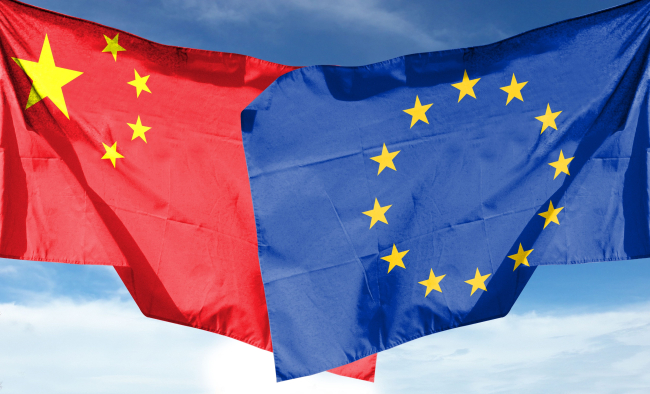
China-EU ties reach half century: 4 things to know
Will Trump 2.0 push the two combative sides to find common ground?

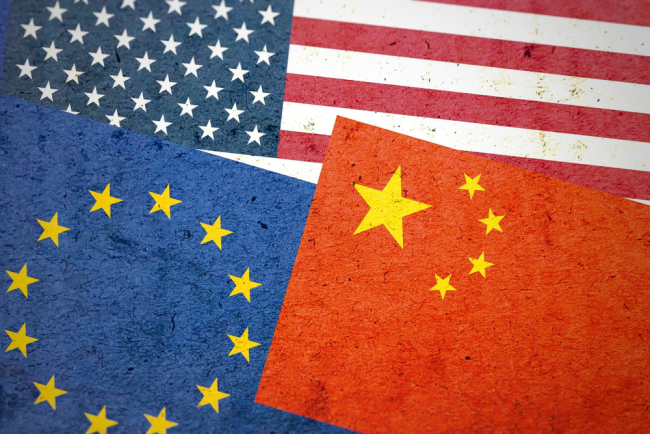
Trump-battered Europe eyes China with launch of diplomatic flurry to Beijing
EU officials and European national representatives are on overlapping visits but each will be asking for something slightly different

Will Europe Distance Itself From Taiwan?
To counter U.S. President Donald Trump’s hostility toward Europe, one idea being considered in Brussels is to lean into China’s latest charm offensive.

Europe Tempted by Closer Relations With China Following Trump’s Hostility, but Barriers to Cooperation Persist
While U.S. Vice President JD Vance left Europe reeling at the Munich Security Conference last month, Chinese Foreign Minister Wang Yi (王毅) met with several European officials on the sidelines. At the U.N. Security Council a few days later, China pushed for greater European involvement in peace negotiations in the Russia-Ukraine war.

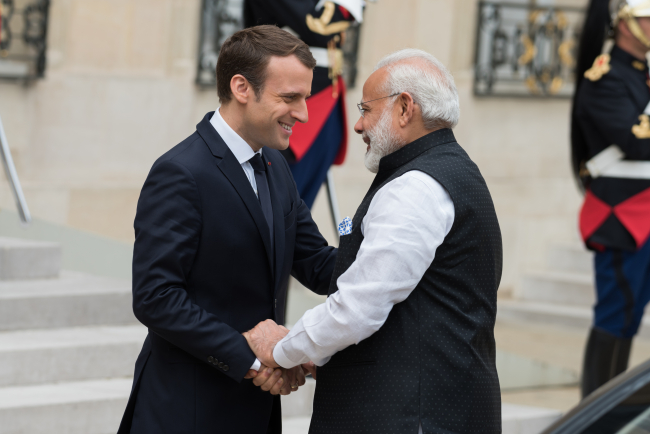
India's Modi heads to Paris as co-chair of AI summit
Indian Prime Minister Narendra Modi is visiting France from Monday as co-chair of an international summit on artificial intelligence in Paris that is expected to be attended by industry leaders, including executives from OpenAI and DeepSeek.


Will Europe's pivot to Asia have any teeth?
Spurred by fears of a ‘new Ukraine’ in East Asia, European powers are ramping up their presence in the Indo-Pacific.

Japan’s New Leadership: Heralding a New Direction?
Japan’s ruling Liberal Democratic Party (LDP) chose its next leader on September 27, after in mid-August incumbent Prime Minister Kishida announced that he would not run for a second term as LDP President.

10th Pacific Islands Leaders Meeting: 5 things to know
Pacific leaders will gather in Tokyo for the 10th Pacific Islands Leaders Meeting (PALM10) from Tuesday to Thursday.
France’s left wins big, but paralysis in parliament looms
France is headed for a hung parliament after none of the political parties that contested Sunday’s parliamentary runoff vote managed to secure an outright majority — a situation that could put the country on a path for months of political gridlock.

China seeks its own Apollo moment – and more
On April 25, a Long March 2F rocket briefly lit up the dark desert sky above Jiuquan Spaceport in northwest China, carrying three Shenzhou-18 astronauts to the Tiangong space station. Such missions, including crew handovers, have become remarkably routine for China.
Support independent French research
Ifri, a foundation recognized as being of public utility, relies largely on private donors – companies and individuals – to guarantee its sustainability and intellectual independence. Through their funding, donors help maintain the Institute's position among the world's leading think tanks. By benefiting from an internationally recognized network and expertise, donors refine their understanding of geopolitical risk and its consequences on global politics and the economy. In 2025, Ifri supports more than 80 French and foreign companies and organizations.
Related centers and programs
European Think-tank Network on China (ETNC)
The European Think-tank Network on China (ETNC) is a gathering of China experts from a selection of European research institutes. It is devoted to the policy-oriented study of Chinese foreign policy and relations between China and European countries as well as China and the EU. It facilitates regular exchanges among participating researchers with a view to deepening the understanding within the European policy and research community and the broader public of how Europe, as a complex set of actors, relates with China and how China’s development and evolving global role is likely to impact the future of Europe. The network’s discussions and analyses take a decidedly ‘bottom-up’ approach, accounting for the various aspects of bilateral relations between European countries and China, and the points of convergence and divergence among EU member states in order to examine EU-China relations in a realistic and comprehensive way. The views presented in ETNC reports are the sole responsibility of the signed authors and do not in any way represent the views of all members of the ETNC, its participating institutions, nor the institutions with which the authors are affiliated.
Center for Asian Studies
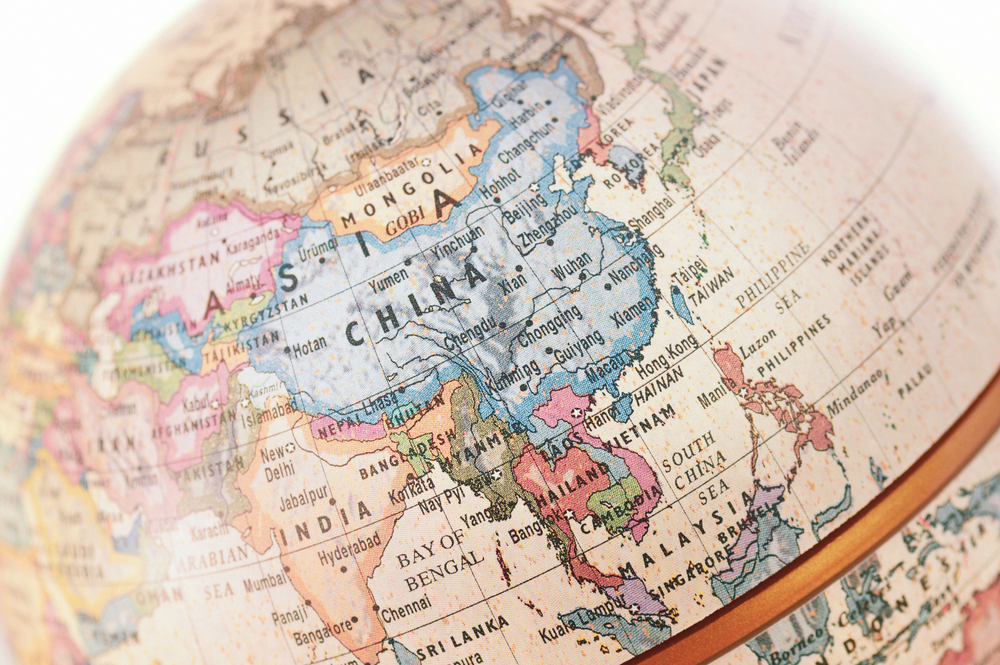
Asia is a nerve center for multiple global economic, political and security challenges. The Center for Asian Studies provides documented expertise and a platform for discussion on Asian issues to accompany decision makers and explain and contextualize developments in the region for the sake of a larger public dialogue.
The Center's research is organized along two major axes: relations between Asia's major powers and the rest of the world; and internal economic and social dynamics of Asian countries. The Center's research focuses primarily on China, Japan, India, Taiwan and the Indo-Pacific, but also covers Southeast Asia, the Korean peninsula and the Pacific Islands.
The Centre for Asian Studies maintains close institutional links with counterpart research institutes in Europe and Asia, and its researchers regularly carry out fieldwork in the region.
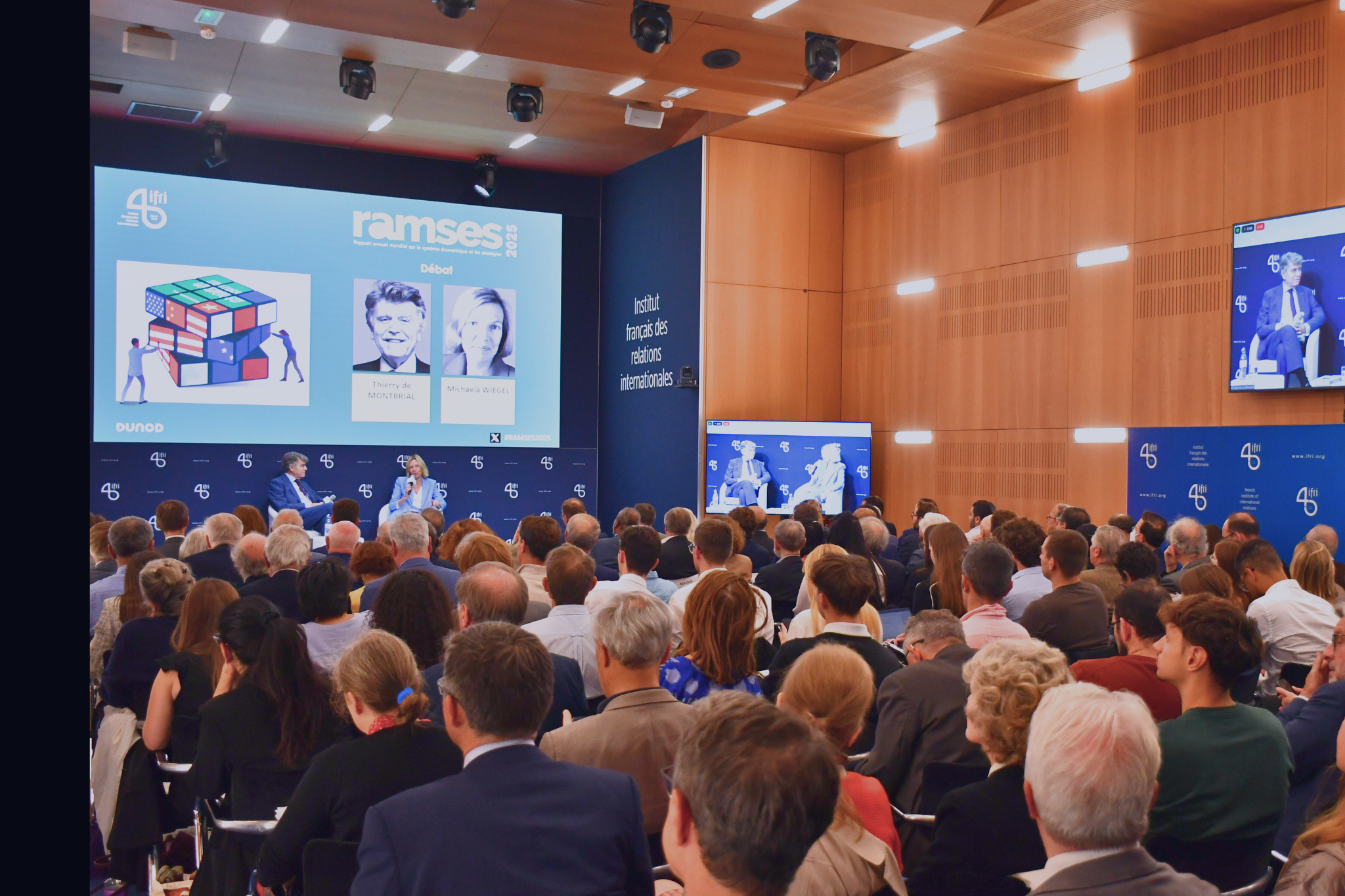
The Center organizes closed-door roundtables, expert-level seminars and a number of public events, including an Annual Conference, that welcome experts from Asia, Europe and the United States. The work of Center’s researchers, as well as that of their partners, is regularly published in the Center’s electronic journal Asie.Visions.