




Germany
An in-depth analysis of Germany's trajectory through its foreign and European policies, its relations with France, its economy and its domestic politics, offering a perspective on the country and its role in the world.
Related Subjects
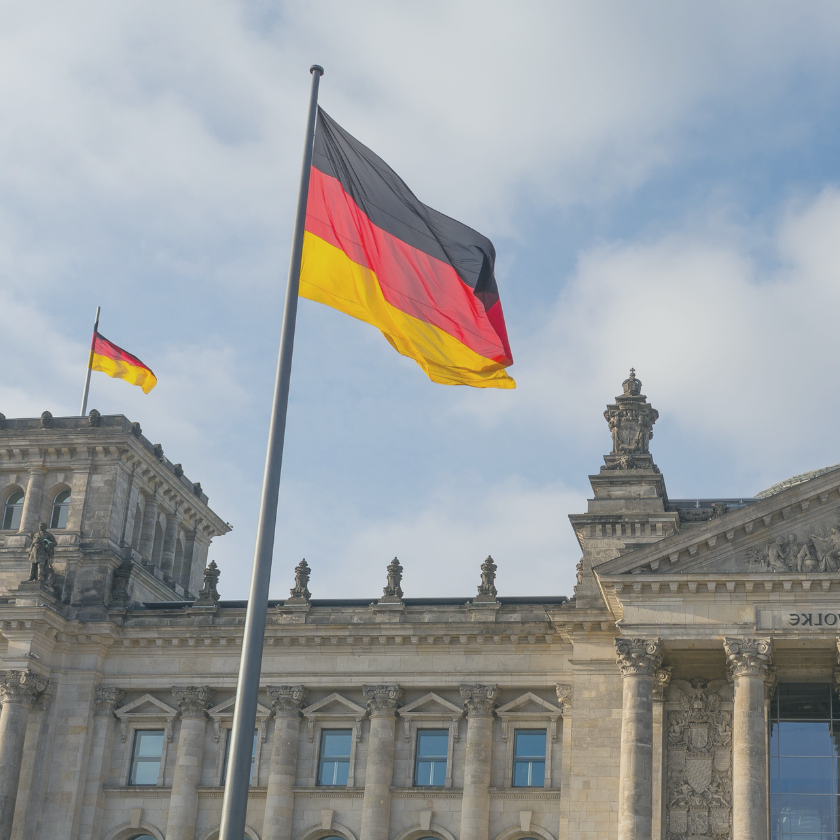
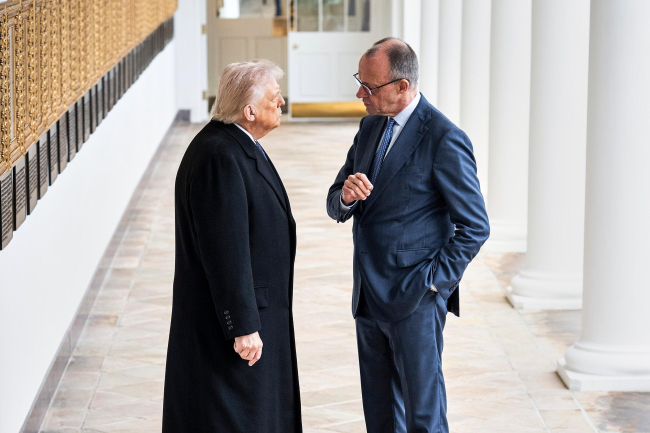
'With the withdrawal of US troops from Germany, Berlin is facing a historic dilemma'
Donald Trump's announcement of the withdrawal of US troops is forcing Berlin to confront the long-standing taboo on its own defense, explains Paul Maurice, a specialist in Franco-German relations at the Study Committee on Franco-German Relations (Cerfa) at French Institute of International Relations.
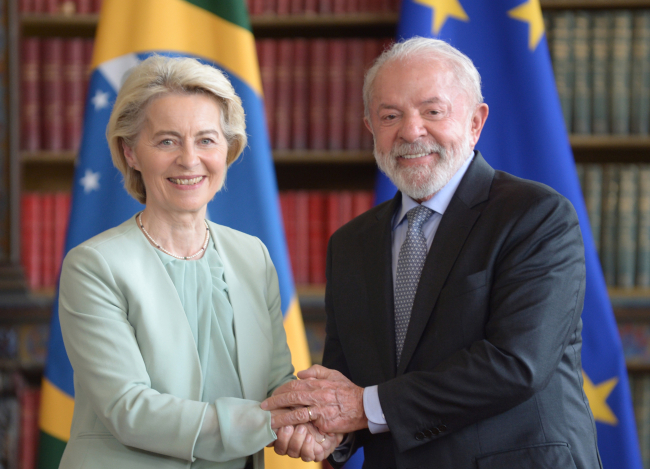
Entry into force of the EU-Mercosur agreement: last act of an endless drama for Germany?
At the World Economic Forum in Davos on January 20, 2026, Ursula von der Leyen, the President of the European Commission, stated that "geopolitical shocks can and must serve as opportunity for Europe".
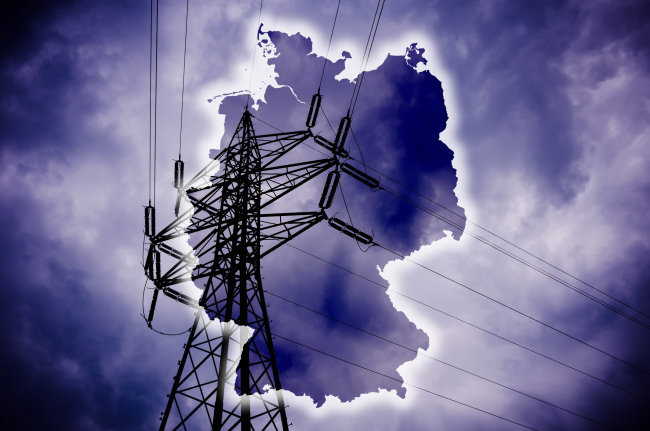
Germany Maintains Its Single Electricity Price Zone: Implications
In December 2025, Germany refused to split its bidding zone despite recommendations from ENTSO-E, in order to preserve its federal unity, market liquidity, and the competitiveness of its industry, at the cost of persistent North-South imbalances.
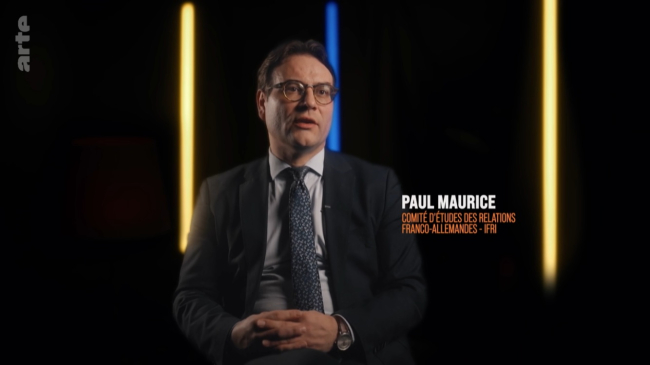
Macron-Merz: Power Behind the Scenes
French German relations have been very close for decades as key partners in driving forward European integration within the EU. Can the current leaders President Emmanuel Macron and Chancellor Friedrich Merz reforge the relationship and build a Europe fit for the challenges of our times and the future? This documentary follows the two men across Europe and the world and observes their common goals as well as their differences.
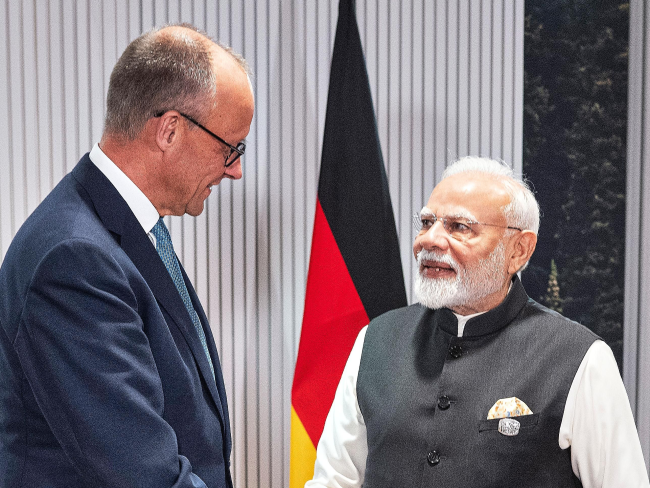
German-Indian Relations: a Partnership based on values or on interests?
In recent years, virtually no other Asian country has seen such a rise in prominence in German foreign policy as India.
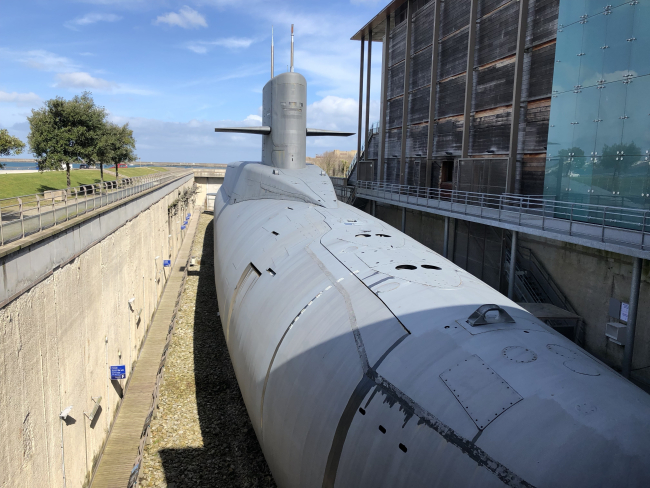
France has a new nuclear doctrine of ‘forward deterrence’ for Europe. What does it mean?
On Monday, French President Emmanuel Macron delivered a speech on France’s nuclear deterrence at the Île Longue naval base near Brest in Brittany, which hosts the country’s nuclear-armed ballistic missile submarines. Such addresses are a well-established presidential ritual, typically delivered once per presidential term and receiving moderate attention. This one, however, was highly anticipated in France and abroad, given the profound geopolitical shifts since Macron’s first nuclear speech in February 2020.
Germany: The Return of Military Service?
Abolished in 2011, conscription returned to Germany in 2025, albeit in a new, voluntary form. The decision in 2011 was broadly supported. Public opinion, like the political sphere, is more divided now. The reintroduction of voluntary service for men reflects the demands of the geopolitical landscape and the Bundeswehr’s need for troops. It remains to be seen whether the model chosen will fulfill the requirements of defense chiefs.
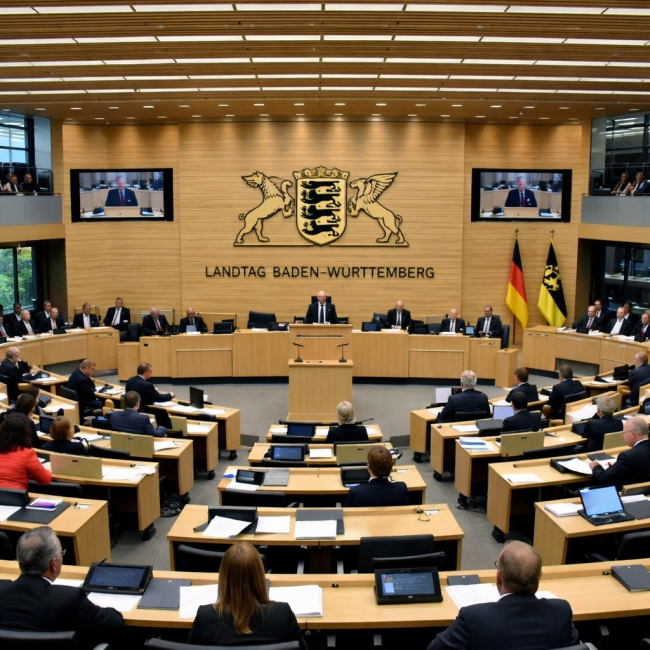
The 2026 State Elections in Baden-Württemberg: First Test For Chancellor Merz's Federal Government?
The state election in Baden-Wuerttemberg in March 2026 will be the first major test of public opinion for Chancellor Friedrich Merz's federal government. At the same time, Baden-Wuerttemberg is one of the federal states that—as an important location for the German automotive industry and its suppliers—is particularly affected by the transformation policy driven by climate change and the international conflict constellation.
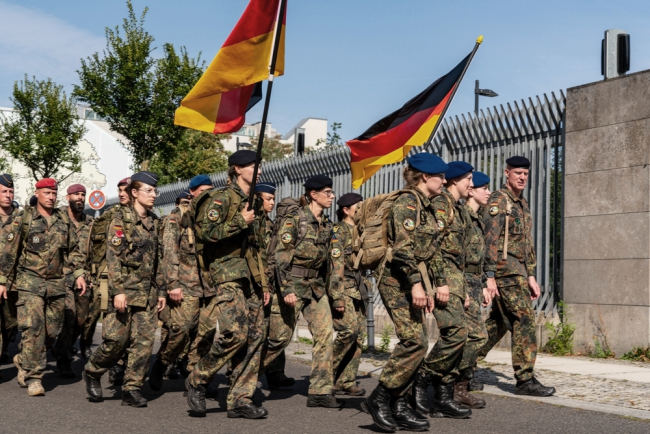
Bundeswehr: From Zeitenwende (historic turning point) to Epochenbruch (epochal shift)
The Zeitenwende (historic turning point) announced by Olaf Scholz on February 27, 2022, is shifting into high gear. Financially supported by the March 2025 reform of Germany’s “debt break” and backed by a broad political and societal consensus to strengthen and modernize the Bundeswehr, Germany's military capabilities are set to rapidly increase over the coming years. Expected to assume a central role in the defense of the European continent in the context of changing transatlantic relations, Berlin’s military-political position on the continent is being radically transformed.
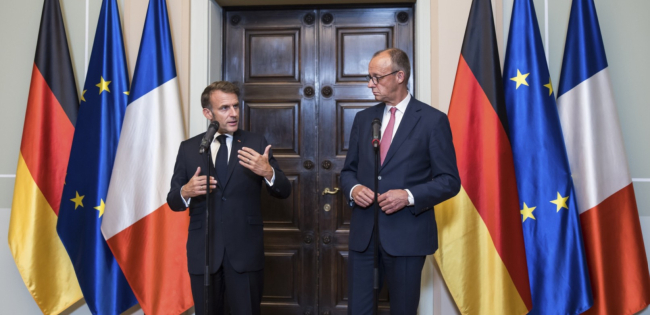
Germany and France now publicly display their disagreements over Macron's proposals
Friedrich Merz's government has criticized the idea of a joint European loan and the push for European preference in goods purchases advocated by Emmanuel Macron. These disagreements come on top of tensions over the Mercosur trade deal and how to use frozen Russian assets.
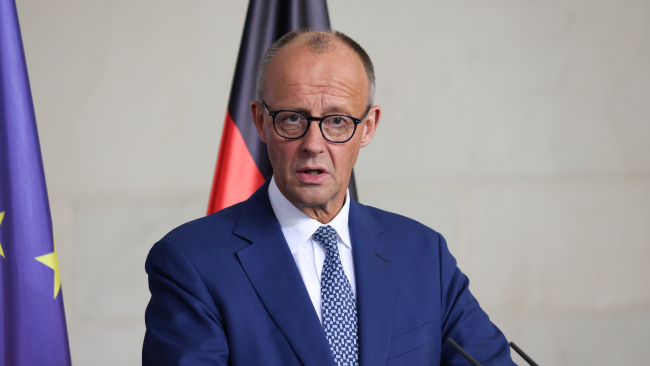
Merz’ European Policy-making: The End of the ‘German Vote’?
Friedrich Merz’s European ambition is to turn Germany, long seen as hesitant into a leading actor within the European Union (EU). To that end, he has pledged to end the “German vote,” a phenomenon that epitomizes the paradox of a country both indispensable and frequently absent from European decision-making.
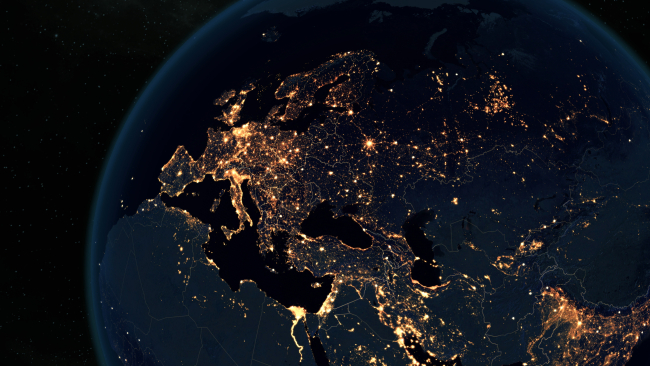
Europe-Russia: Balance of Power Review
European countries can no longer avoid the "Russian question," as Russia has chosen war. They have the necessary potential—that is, the economic means, military capabilities, and technological expertise—to face Russia by 2030, provided they demonstrate the political will to do so.

Securing critical raw material (CRM) value chains – a prerequisite for Europe’s technological resilience
At the heart of economic security, technological resilience is a backbone of the European Union’s (EU) competitiveness. The EU’s energy and digital transitions depend on critical raw materials (CRM).

Reconciling competitiveness and demographic change: a Franco-German imperative
France and Germany are facing parallel demographic shifts that could reshape the future of their economies and their social models. These shifts reflect broader European patterns but are magnified by the central role both nations play in EU governance and competitiveness.
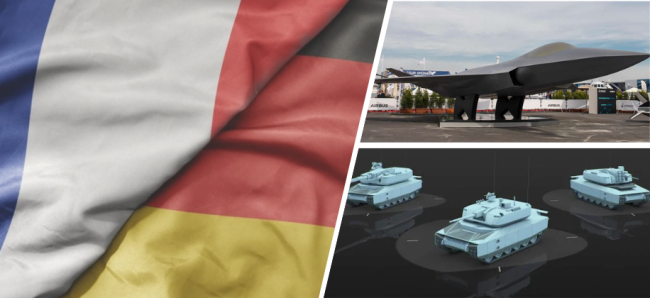
French-German future combat aircraft project on the brink of collapse
Eight years after Emmanuel Macron and Angela Merkel launched the SCAF, this symbol of European sovereignty in defense is on the verge of collapse. At issue are the demands of the project's main contractor, Dassault Aviation, which Berlin considers excessive, as well as political and strategic differences between France and Germany.
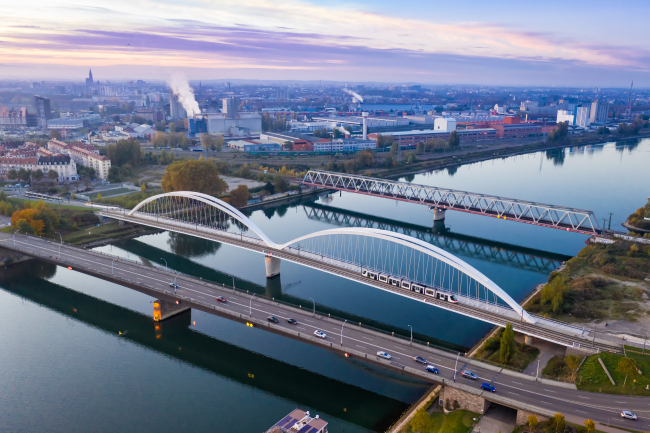
Imaginary and Reality of the Franco-German border: a Laboratory for Europe of tomorrow
In Europe, the question of borders is a central issue. According to the European Parliament, border regions cover around 40% of the European Union (EU) territory, concentrate 30% of its population and produce nearly a third of its gross domestic product.
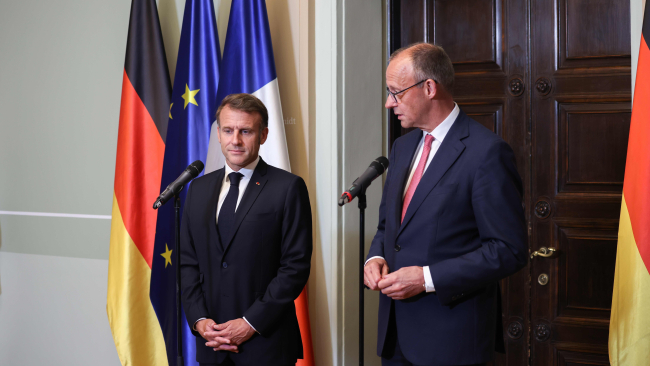
Macron turns to Merz as French parliament nears collapse
The French president must now rely more than ever on Merz to make his voice heard in Europe.
PARIS – Emmanuel Macron will host German Chancellor Friedrich Merz on the Riviera on Thursday evening, hoping support from Berlin can bolster his standing in the EU as the French government edges towards collapse.
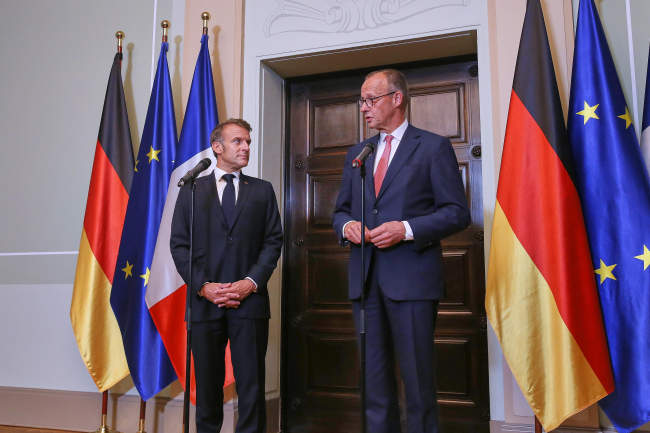
A Franco-German “Reset”? The Ambitions of the Franco-German Council of Ministers. Challenges of Joint Leadership in Europe
As a Catholic from the Rhineland, Friedrich Merz is heir to the CDU’s Franco-German policy, from Konrad Adenauer to Helmut Kohl and Wolfgang Schäuble. While Franco-German rhetoric and reflexes are deeply ingrained in him, their results must nevertheless be put into perspective.
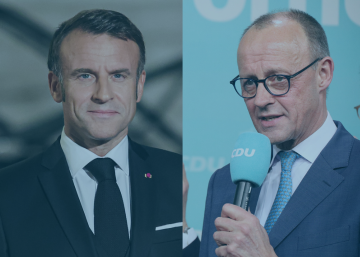
Macron and Merz try to revive challenging French-German partnership in Berlin
The French president and the German chancellor met on Wednesday, July 23, to prepare for a joint cabinet meeting scheduled for August 29. From defense projects to trade negotiations, several disagreements remain.
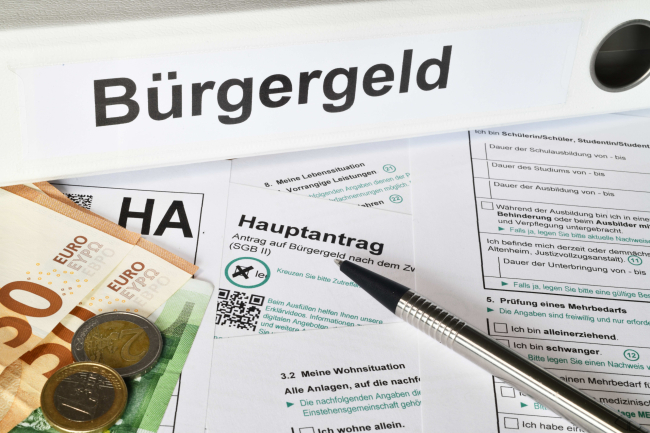
Social Policies in Germany. Assessment of the “Traffic Light” Coalition and Prospects for the New Government
Notes du Cerfa, No. 188, Ifri, July 2025 — The defeat of the “traffic light” governing coalition in the snap parliamentary elections of February 2025 calls for an initial – necessarily selective – assessment of the social policies implemented during its term.
Securing critical raw material (CRM) value chains – a prerequisite for Europe’s technological resilience
At the heart of economic security, technological resilience is a backbone of the European Union’s (EU) competitiveness. The EU’s energy and digital transitions depend on critical raw materials (CRM).
Reconciling competitiveness and demographic change: a Franco-German imperative
France and Germany are facing parallel demographic shifts that could reshape the future of their economies and their social models. These shifts reflect broader European patterns but are magnified by the central role both nations play in EU governance and competitiveness.
Imaginary and Reality of the Franco-German border: a Laboratory for Europe of tomorrow
In Europe, the question of borders is a central issue. According to the European Parliament, border regions cover around 40% of the European Union (EU) territory, concentrate 30% of its population and produce nearly a third of its gross domestic product.
A Franco-German “Reset”? The Ambitions of the Franco-German Council of Ministers. Challenges of Joint Leadership in Europe
As a Catholic from the Rhineland, Friedrich Merz is heir to the CDU’s Franco-German policy, from Konrad Adenauer to Helmut Kohl and Wolfgang Schäuble. While Franco-German rhetoric and reflexes are deeply ingrained in him, their results must nevertheless be put into perspective.
Social Policies in Germany. Assessment of the “Traffic Light” Coalition and Prospects for the New Government
Notes du Cerfa, No. 188, Ifri, July 2025 — The defeat of the “traffic light” governing coalition in the snap parliamentary elections of February 2025 calls for an initial – necessarily selective – assessment of the social policies implemented during its term.
The “Huawei Saga” in Europe Revisited: German Lessons for the Rollout of 6G
While the European Union attempted to coordinate a collective response through its 5G Toolbox in Europe’s 5G infrastructure, member states diverged significantly in balancing political, economic, and technological considerations. Germany, despite its economic ties to China and status as Europe’s largest telecom market, only reached a tentative agreement in July 2024—one that appears largely symbolic.
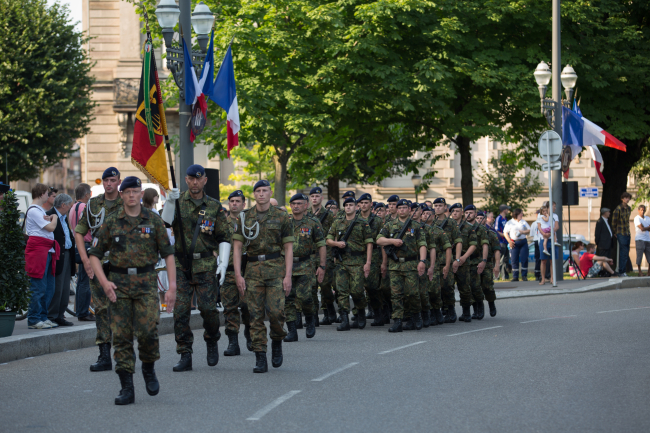
The Franco-German Brigade and the Revival of European Defense
One thing has been clear since Donald Trump's return to the White House: the very existence of the European unification project is threatened. Unless it develops a sovereign defense policy to counter the war in Ukraine and the weakening of American security guarantees, the European Union will continue to see its internal cohesion and external attractiveness wane.
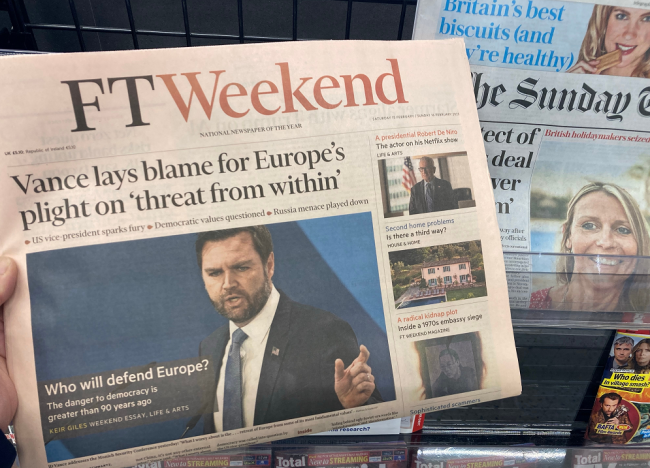
Friedrich Merz and the Zeitenwende 2.0. A “New Era” for Transatlantic Relations?
On February 23, 2025, almost 60 million voters were called upon to elect a new Bundestag. These elections will also give rise to a new government in Europe's largest economy.
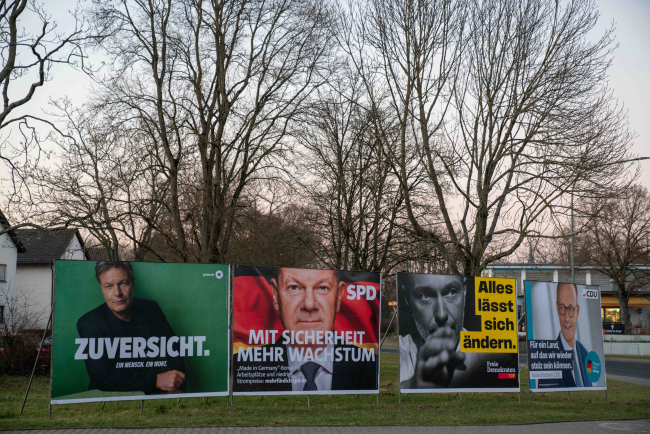
After the Elections: Germany in Search of Shaken Stability?
With a voter turnout of 82.5%, Germany recorded its highest participation since 1987—an increase of 6.1 percentage points compared to 2021. As in the previous election, the high turnout particularly benefited the Alternative for Germany (AfD), which was able to mobilize many former non-voters. Many voters sought to punish the outgoing government with their ballots, as its approval rating had dropped to just 14% before the coalition broke apart in November 2024. Germany is now very likely heading toward a grand coalition between the CDU/CSU and the SPD, with exploratory talks having begun on February 28.
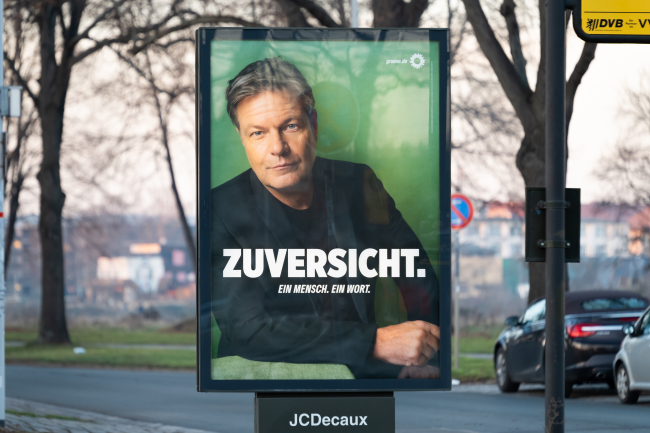
The German Greens as an Alliance Party: The End of an Illusion?
At the Wiesbaden Congress in November 2024, Robert Habeck, currently Minister for the Economy and Climate, was nominated as the Green Party’s candidate for the Chancellorship in the early parliamentary elections on February 23, 2025. The party, founded 45 years ago, is now firmly established in the German political landscape. Wishing to turn the page on an unloved ‘‘traffic light’’ coalition, the party is banking on a personal campaign and an optimistic discourse based on the energy transition and social justice.

The Rise of the AfD and the Choice of Radicalism
Founded in 2013, the Alternative für Deutschland (AfD) has become increasingly radical as crises have unfolded. Since 2015-2016 and the massive influx of immigrants into Germany, it has positioned itself as a virulently anti-migrant party and continues to consolidate its foothold in the German political system, particularly in parliaments. While its roots are very strong in the eastern regions, where its main strongholds are located, it is also attracting more and more voters in the west, against an overall backdrop of normalization of the far right and a national context marked by strong economic and political destabilization.
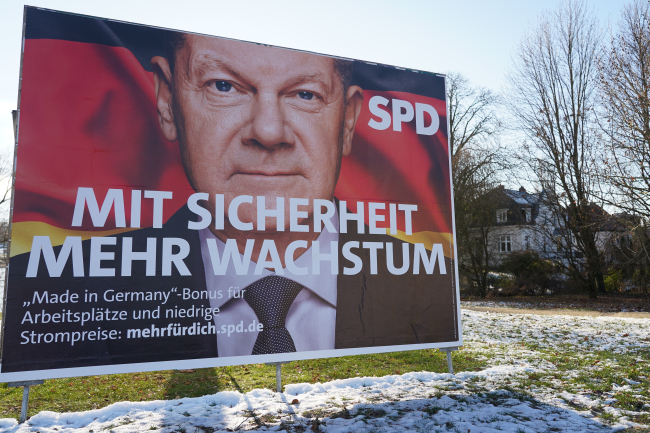
The SPD in the Run-Up to the 2025 General Election: from Chancellor's Party to Junior Coalition Partner?
The 20th legislative period (2021-2024) came to an abrupt end in the Federal Republic, following the dismissal of Finance Minister and Vice-Chancellor of the Liberal Democratic Party FDP, Christian Lindner, by Chancellor Olaf Scholz, due to deep political disagreements, in November 2024.
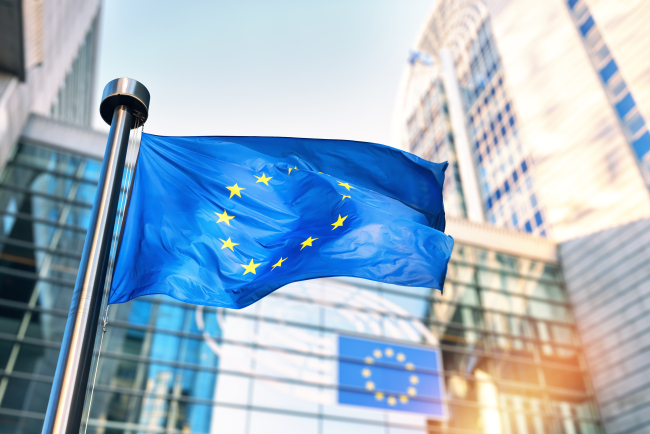
Taking the Pulse: Has Political Deadlock in Member States Become a Strategic Problem for the EU?
At a pivotal moment for the EU, several of its member states are experiencing domestic political and economic crises. Is this hindering collective EU action in response to the challenges posed by Russia, China, and Trump’s administration?
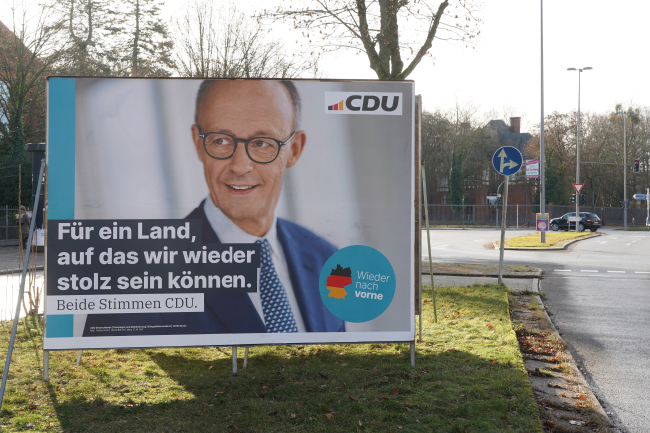
The CDU in the 2025 Elections: A Road to the Chancellery, Paved with Challenges
After a legislative session in the opposition, the Christian Democratic Union/Christian Social Union (CDU-CSU) looks set to win the snap elections in February 2025. It is very likely that the country’s future chancellor will be Friedrich Merz.
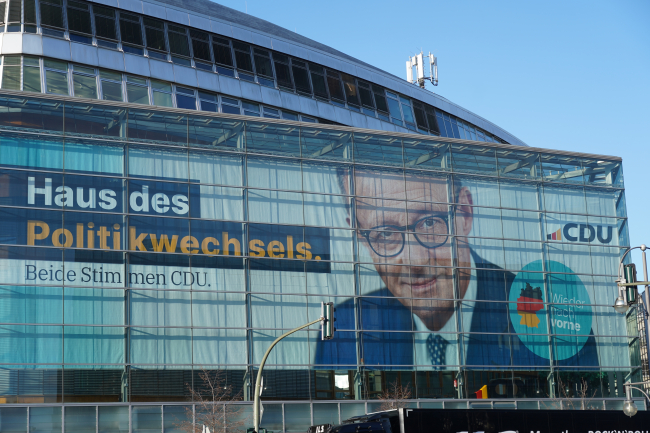
Germany in the Electoral Campaign to the Early Elections on February 23 - The Challenges of a high-risk Voting
One month before the early Federal Elections in Germany, which will take place on February 23, 2025, after the "Traffic light coalition" imploded on November 6, 2024, the political landscape in Germany appears to be relatively stable despite the rise of the far-right Alternative for Germany (AfD).

70th Anniversary of the Study Committee on Franco-German Relations (Cerfa). Genesis, History and Visions for Franco-German relations
The Study Committee on Franco-German Relations (Cerfa) was created in 1954 by an inter-governmental agreement between the Federal Republic of Germany and France, in order to raise awareness of Germany in France and analyze Franco-German relations, including in their European and international dimensions.
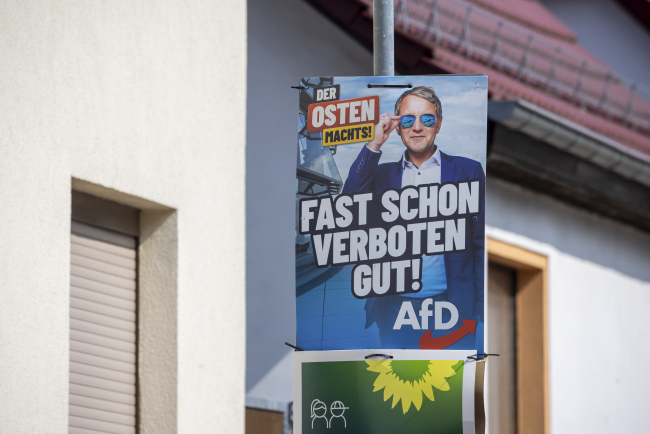
State Elections in Thuringia, Saxony and Brandenburg - Extreme Parties on the Rise?
The Alternative for Germany (AfD) became Germany's strongest political force in the regional elections in Thuringia and Saxony.
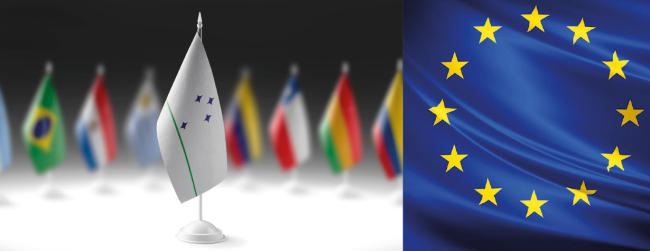
Between „Strategic Autonomy” and „Zeitenwende”: The Importance of Trade Between The EU and Mercosur
This policy paper analyses the geopolitical and economic significance of the EU-Mercosur agreement for the European Union (EU) in the context of the EU’s new European Economic Security Strategy.
Zeitenwende: The Bundeswehr’s Paradigm Shift
Russia’s invasion of Ukraine on February 24, 2022, marked a turning point in German defense policy. After thirty years of military downsizing, the Bundeswehr found itself at an extremely low capability level just as a high-intensity war involving a great power was breaking out on Europe’s doorstep for the first time since 1945. Chancellor Olaf Scholz’s response was to embrace this “turning point” (Zeitenwende) by launching a major program to reequip Germany’s armed forces.

DOSSIER - 60th anniversary of the Elysée Treaty (1963) and implementation of the Treaty of Aachen (2019): where do Franco-German relations stand?
On January 23, 2023, France and Germany celebrated the 60th anniversary of the Élysée Treaty. This is an opportunity for us to analyze the state of relations between the two countries, and the contribution made by the Treaty of Aachen, which was added in 2019.
France, Germany play safe during China Premier Li's European trip
HAMBURG, Germany -- Chinese Premier Li Qiang avoided public clashes on a high-profile visit to Germany and France this week, in what analysts see as a sign of the European nations' reluctance to alienate Beijing.

In the middle of the race, the Franco-German motor seems to be breaking down
Faced with the risk of losing investments in the technologies of the future, due to subsidies that its global competitors are pumping into their economies, the European Union is forced to rethink its industrial policy.
The United States and Europe risk entering into a subsidy war, each trying to support the competitiveness of their economies… their market economies… with public money. Meanwhile, member states expect from Brussels solutions that will allow them to remain relevant in a world where interventionism is the order of the day.

At the Sorbonne, Macron and Scholz pass the remedial oral
From the cupola of the great amphitheater of the Sorbonne, the five large medallions in monochrome representing the sciences, letters, law, medicine and theology will judge the event. Sunday January 22, in the morning, in one of the oldest universities on the continent (founded in 1253), the German Chancellor Olaf Scholz must meet Emmanuel Macron, where the French President made his great speech on Europe in 2017.
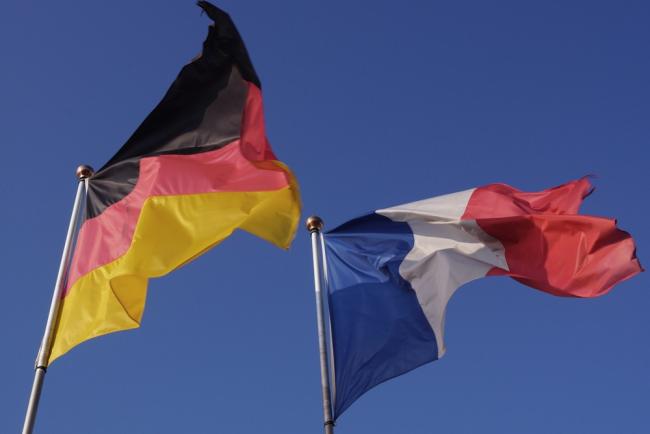
French-German friendship ‘still alive’ as Macron meets Scholz amid tensions
Two leaders under pressure to repair relations after rifts over defence, energy and China. The French president, Emmanuel Macron, hosted the German chancellor, Olaf Scholz, for lunch on Wednesday as they sought to iron out significant differences on energy and defence that have weakened their relationship at a time of war in Ukraine.
An Engine Replacement Could Kill Europe’s Huge F-35 Plans
If the decision to replace the engine for the F-35A is implemented, countries flying F-35s will find themselves forced into unforeseen and overly complicated supply chains.
Business as Usual for Next Franco-German Couple, Despite Sticking Points
While some argue that the next Franco-German power couple could be business as usual, there are some potential sticking points ahead.
The end of the Merkel-Macron era — a mediocre legacy?
German Chancellor Merkel has met with French President Macron in what could be her final working visit to France. Some analysts say their cooperation should have produced more results.
French Complain of Germany's 'Political Infidelity'
"Thirty years of infidelity" is how France's current affairs magazine Marianne describes Germany's relationship with France. An issue this month was devoted to how Germany has been "fleecing France" for years.

Cyprus, to be remade, must resolve some issues
Cyprus is set to be ‘remade’ in the coming years through €1 billion in grants from the European Recovery Plan, as we’ve reported here, but there are a few issues to be resolved along the way, according to EU policy experts and economists.
[...]

Can Huawei Face EU Fines Like Google and Apple?
The European Union’s chief antitrust official, Margrethe Vestager, has made her name tackling big corporate fish in pretty unconventional ways. A ruling on Alphabet Inc.’s Google, which came with a seven-figure fine, argued free services weren’t always good for the consumer, while those on Apple Inc. and Starbucks Corp. deemed that low taxes were illegal state aid (though some judges begged to differ).
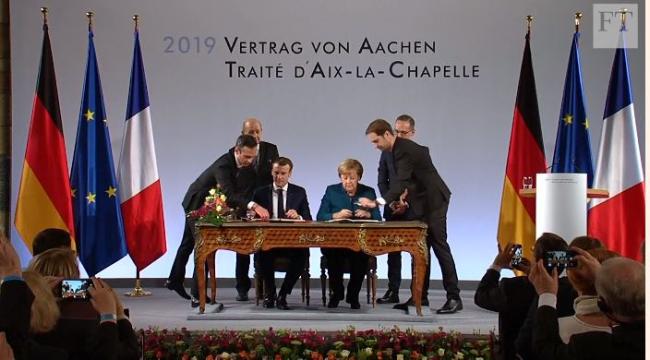
Merkel and Macron betray weakness with cautious Aachen treaty
When Angela Merkel and Emmanuel Macron sign a new Franco-German treaty in the historic city of Aachen on Tuesday, there will be much soaring rhetoric about the deepening ties between the two countries. To critics, though, the Treaty of Aachen is thin gruel. Anyone hoping for a new, tighter alliance between France and Germany, and for signs that the two countries might once again drive European integration, will be disappointed.
100 years after independence from Moscow, Finland anchored firmly to West
HELSINKI (AFP) - A century after gaining independence from its powerful neighbour Russia, Finland continues to consolidate its ties to the West, as tensions flare between Moscow and the West. Russia's 2014 annexation of Crimea and an uptick in military activity in the Baltic region have tested Finnish-Russian relations, painstakingly maintained over the years with scrupulous diplomatic efforts.
Sweden brings back military conscription amid Baltic tensions
The Swedish government has decided to reintroduce military conscription - a move backed by the country's MPs. Why is this happening? And how will it work? How does it impact regional security? And which other European countries have conscription?
An Architect of the Latest Greek Bailout Navigates Germany’s Dual Roles
When the German Parliament set aside its objections and voted on Wednesday to approve a bailout for Greece, the chief proponent was both an architect of the deal and one of those raising fundamental questions about it: Germany’s finance minister, Wolfgang Schäuble.
Ifri, a foundation recognized as being of public utility, relies largely on private donors – companies and individuals – to guarantee its sustainability and intellectual independence. Through their funding, donors help maintain the Institute's position among the world's leading think tanks. By benefiting from an internationally recognized network and expertise, donors refine their understanding of geopolitical risk and its consequences on global politics and the economy. In 2026, Ifri partners with over 90 French and international companies and organizations.

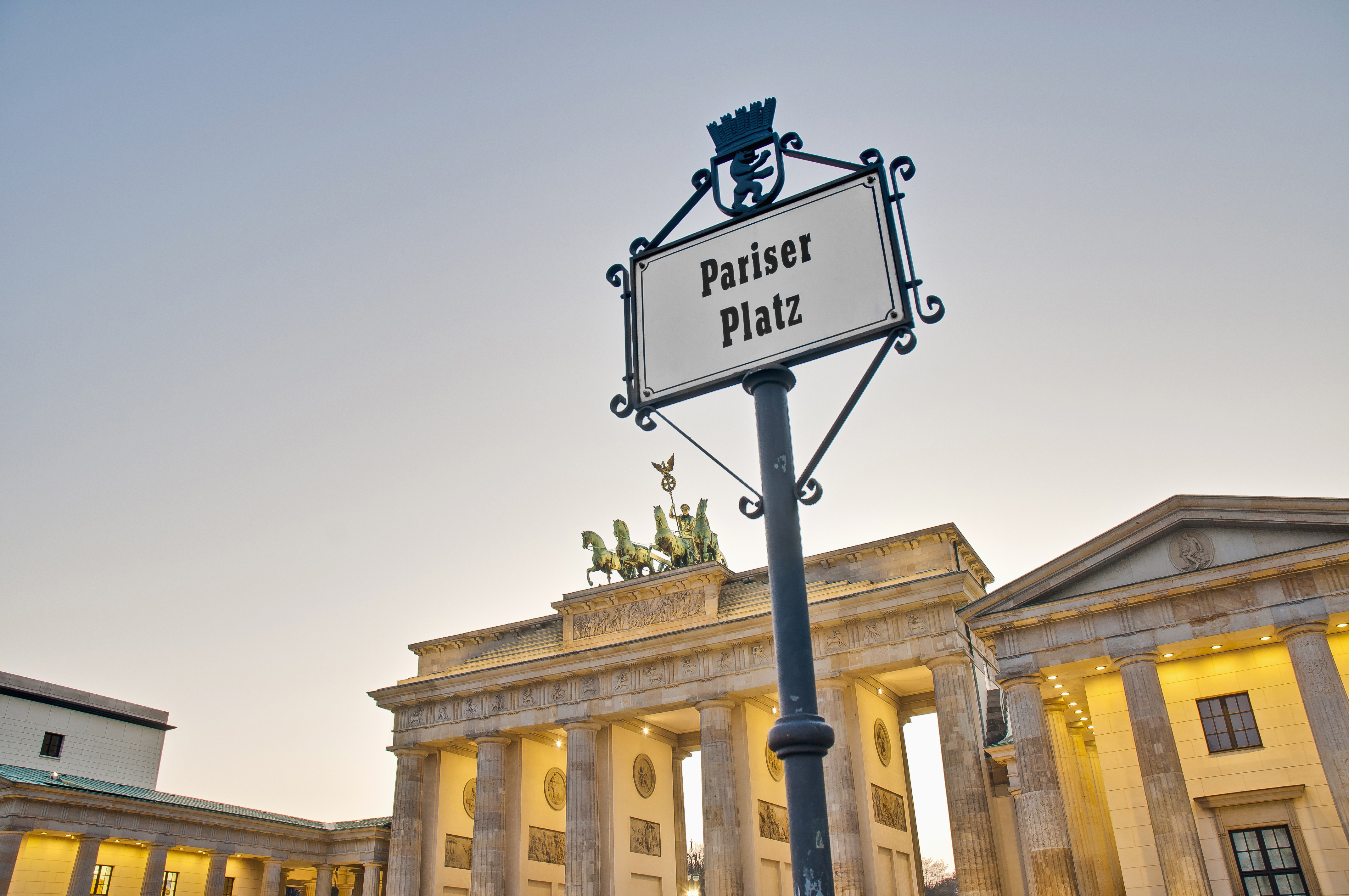
The Study Committee on Franco-German Relations (Cerfa) was created in 1954 by an inter-governmental agreement between the Federal Republic of Germany and France, in order to raise awareness of Germany in France and analyze Franco-German relations, including in their European and international dimensions. In its conferences and seminars, which bring together experts, political leaders, senior decision-makers and representatives of civil society from both countries, Cerfa develops the Franco-German debate and stimulates political proposals. It regularly publishes studies through two collections: Cerfa notes and studies as well as Franco-German visions.
Cerfa maintains close relations with the network of German foundations and think tanks. In addition to its research and debate activities, Cerfa promotes the emergence of a new Franco-German generation through original cooperation programs. This is how in 2021-2022, Cerfa led a program on multilateralism with the Konrad Adenauer Foundation in Paris. This program is aimed at young professionals from both countries interested in the issues of multilateralism in the context of their activities. It covered a wide range of themes relating to multilateralism, such as international trade, health, human rights and migration, non-proliferation and disarmament. Previously, Cerfa had participated in the Franco-German future dialogue, co-led with the DGAP from 2007 to 2020, and supported by the Robert Bosch Foundation and the Daniel Vernet group (formerly the Franco-German Reflection Group) which was founded in 2014 upon the initiative of the Genshagen Foundation.