






Germany
An in-depth analysis of Germany's trajectory through its foreign and European policies, its relations with France, its economy and its domestic politics, offering a perspective on the country and its role in the world.
Related Subjects
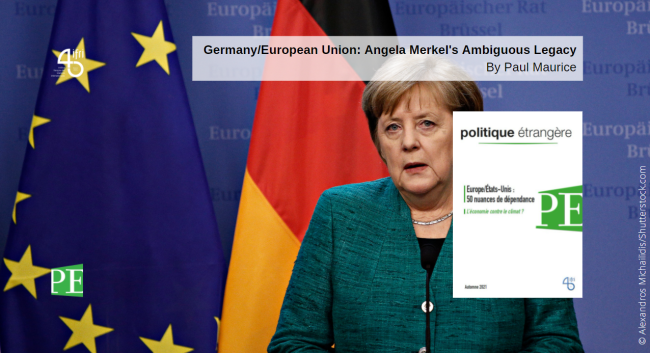
Germany/European Union: Angela Merkel’s Ambiguous Legacy
Angela Merkel is ending her fourth term as German Chancellor. Although she has made a number of statements demonstrating her commitment to the European project, her record in this area nevertheless appears to be mixed.
The Future of the Franco-German Tandem
At the heart of the European project, the Franco-German tandem provides impetus for further integration within the EU. However, Brussels is yet to decide which direction it wants to take, and the French and Germans still have to agree on their position with regards to economics, foreign affairs, and enlargement.
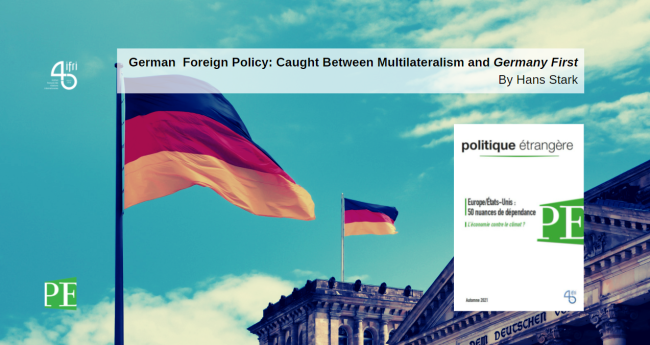
German Foreign Policy: Caught Between Multilateralism and Germany First
Underneath the rhetoric of commitment to a multilateral order, Germany's policy seems to be mainly structured around its national interests.
Which way for Germany’s foreign policy after the 2021 elections?
After 16 years of Angela Merkel, Germany’s federal election will not only pave the way for a new government but also for a brand-new foreign policy. At least potentially.

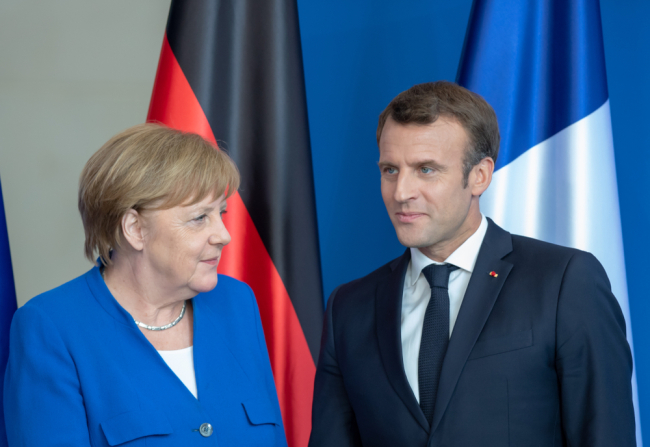
The end of the Merkel-Macron era — a mediocre legacy?
German Chancellor Merkel has met with French President Macron in what could be her final working visit to France. Some analysts say their cooperation should have produced more results.
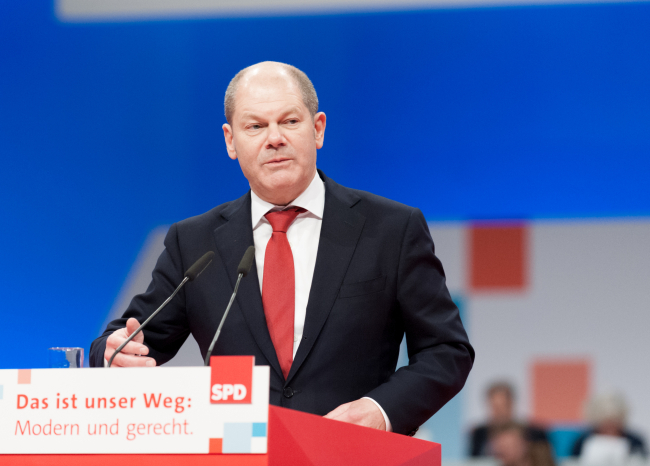
The SPD Between Programmatic Reorientations and Political Continuity?
Just like most of the European Social-Democratic parties, the Social Democratic Party of Germany (SPD) has been going through a major crisis for several decades. Its centrism that got Gerhard Schröder elected in 1998 and 2002 is seen as a betrayal by the party's traditional electoral base.
Advancing Europe: Green for Danger?
In France, the prospect of the Greens entering the German government this fall raises both hopes and fears.
The German Presidency of the EU Council 2020. What Role for Paris and Berlin?
The German EU presidency in the second half of 2020 was Angela Merkel’s last presidency, shortly before her chancellorship ends in 2021. It was therefore expected that the Chancellor would use all her experience and influence to achieve positive results.
Relations Between Europe and Africa Seen Through the Franco-German Prism
The year 2020 was to be a pivotal year for (re)formulating Europe's Africa strategy. Germany and France were committed to strengthening relations between the two continents and to consolidating them at the sixth summit of the African Union and the European Union, which was postponed because of the COVID-19 pandemic.
European asylum and immigration policy: what role for the Franco-German couple?
EU policy on migration and asylum is being built for the last 20 years. But this process is today on hold although France and Germany support the same position on this matter. However, the “migration crisis” in 2015 highlighted the weakness of the Franco-German alliance and the extend to which France’s support to Germany was timid although Germany was facing an extraordinary circumstances.
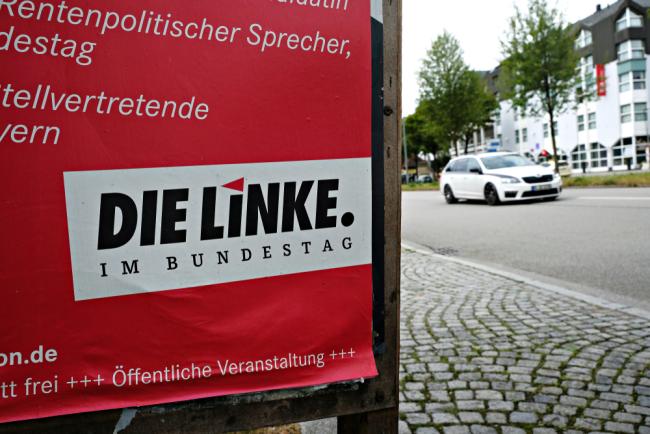
What Is Left and to Whom? Germany’s Left-wing Party Die Linke and the Search for Its Identity
In late February 2021, Germany’s left-wing party Die Linke gave themselves a new party executive. The new team is supposed to lead the party into the federal elections in September and, if possible, into a national center-left government.
French Complain of Germany's 'Political Infidelity'
"Thirty years of infidelity" is how France's current affairs magazine Marianne describes Germany's relationship with France. An issue this month was devoted to how Germany has been "fleecing France" for years.
Germany calls for closer cooperation with France over security threats
German Defence Minister Annegret Kramp-Karrenbauer has called for closer bilateral cooperation with France in light of the tense security situation in Europe marked by the Russian “threat”, the rise of China and spreading “Islamist terrorism” in the Sahel region.
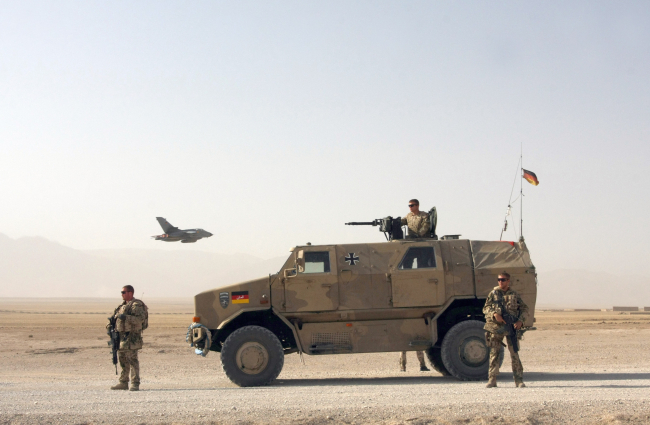
Circumstantial Pacifism: Political Parties and the Participation of the Bundeswehr in Foreign Operations
In Germany's parliamentary democracy, political parties play an important role in mandating Bundeswehr missions abroad and in overseeing their deployment. The political debate on these deployments is polarized between opponents, who are called “pacifists”, and supporters, who are called “militarists”.
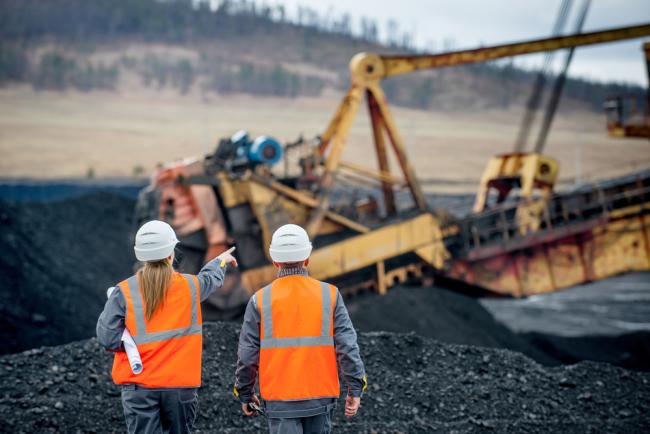
Consequences of the coal phase-out on the electricity production in Germany: a best practice model for Europe?
2020 marked the beginning of the total phasing out of electricity production based on coal, as well as coal extraction in Germany. Laws implemented in 2020 concluded a governmental process started in 2015, which itself resulted from a prior broader debate on the role of coal in a viable and sustainable energy and economic system.
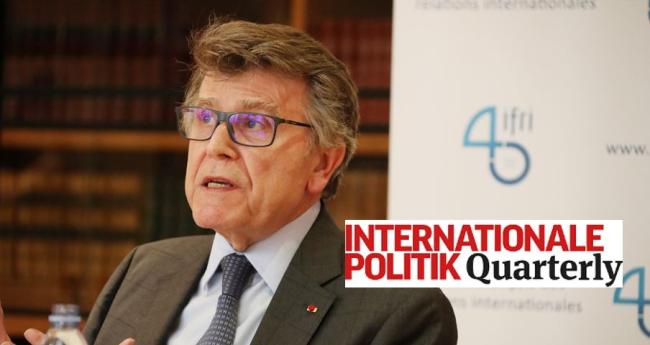
Toward a New German Foreign Policy. Stepping Into the 21st Century
To adapt its foreign policy to new challenges, Germany must overcome certain taboos inherited from its history.
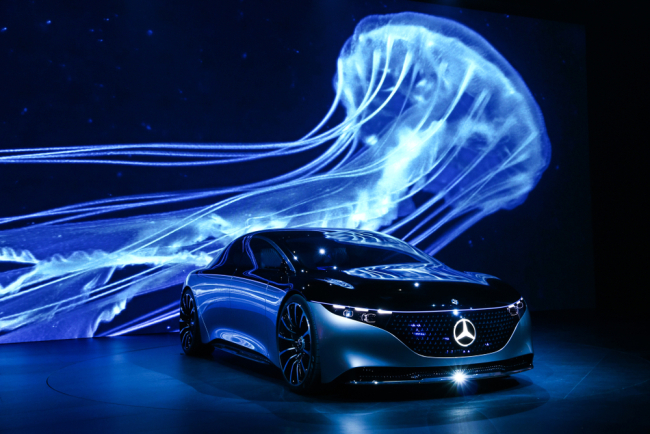
The Automotive Industry: The Achilles’ Heel of German Economy?
The global car market has been shrinking since 2018. This is a key economic sector for Germany whose producers belong to the Top 15 carmakers worldwide. Yet they are running the risk of being outclassed and eventually replaced, given emerging actors in the USA and China.
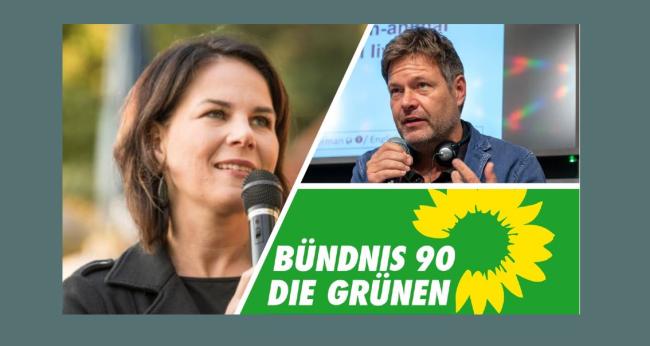
The German Green Party, a new People's Party?
In the context of increasing awareness of the climate crisis, environmental parties across the EU obtained high scores in the European elections of May 2019, reaching 20% in Germany, 17% in Ireland, 16% in Finland and 13 % in France. Meanwhile, far-right parties gained strength.
Europe in the World: for a Modest and Effective Reform
This sad year ends with a pandemic that continues in full swing over a large part of the planet, especially in the United States and Europe, with no other reassuring prospect than that of one or more vaccines, which is already a lot. But that’s not the subject I want to focus on in this eighth letter, the last one for 2020. Internationally, two other facts have dominated the scene in recent months.
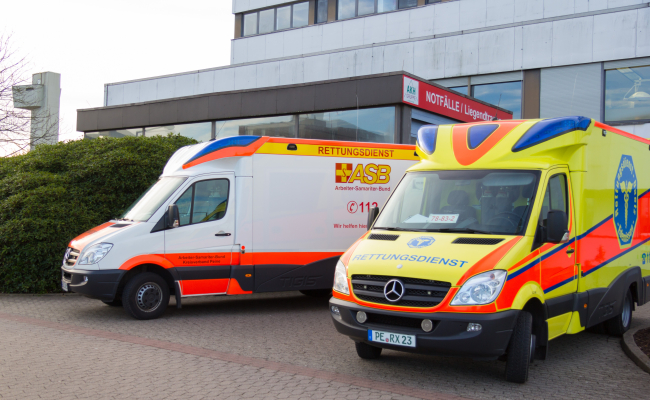
The German Health care System in the Face of the Coronavirus Crisis
The handling of the COVID-19 pandemic by the German government and health system has globally been perceived as a success because of a relatively low death rate.
Ifri, a foundation recognized as being of public utility, relies largely on private donors – companies and individuals – to guarantee its sustainability and intellectual independence. Through their funding, donors help maintain the Institute's position among the world's leading think tanks. By benefiting from an internationally recognized network and expertise, donors refine their understanding of geopolitical risk and its consequences on global politics and the economy. In 2026, Ifri partners with over 90 French and international companies and organizations.

The Study Committee on Franco-German Relations (Cerfa) was created in 1954 by an inter-governmental agreement between the Federal Republic of Germany and France, in order to raise awareness of Germany in France and analyze Franco-German relations, including in their European and international dimensions. In its conferences and seminars, which bring together experts, political leaders, senior decision-makers and representatives of civil society from both countries, Cerfa develops the Franco-German debate and stimulates political proposals. It regularly publishes studies through two collections: Cerfa notes and studies as well as Franco-German visions.
Cerfa maintains close relations with the network of German foundations and think tanks. In addition to its research and debate activities, Cerfa promotes the emergence of a new Franco-German generation through original cooperation programs. This is how in 2021-2022, Cerfa led a program on multilateralism with the Konrad Adenauer Foundation in Paris. This program is aimed at young professionals from both countries interested in the issues of multilateralism in the context of their activities. It covered a wide range of themes relating to multilateralism, such as international trade, health, human rights and migration, non-proliferation and disarmament. Previously, Cerfa had participated in the Franco-German future dialogue, co-led with the DGAP from 2007 to 2020, and supported by the Robert Bosch Foundation and the Daniel Vernet group (formerly the Franco-German Reflection Group) which was founded in 2014 upon the initiative of the Genshagen Foundation.