




3456 publications
“Remodeling” the Middle East?
Chaos continues to spread, seemingly without end, across the Middle East. The Israeli-American attack on Iran has resulted in a clear military and diplomatic failure, but it is paving the way for a regional realignment, the consequences of which remain uncertain. New regional groupings are taking shape, either centered around Israel or built on the prospect of coexistence with Tehran, alongside a decline in American influence and the marginalization of Europe, while China maintains a low-key presence.
Iran: Anatomy of a Power at War
The elimination of Supreme Leader Ali Khamenei and several high-ranking officials at the outset of the 2026 American-Israeli operation did not succeed in bringing down the Iranian regime. The regime had prepared for such a scenario, notably by decentralizing its structures. Moreover, it continues to adapt to war. The power of the Islamic Revolutionary Guard Corps is growing at the expense of the Shiite clergy. The security apparatus defends the country’s sovereignty and justifies its actions in the name of raison d’état.
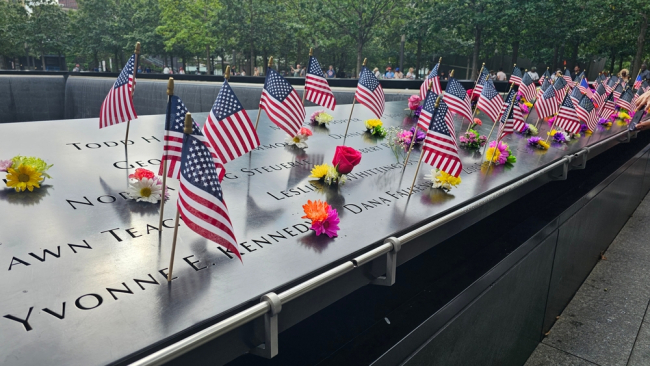
The War on Terrorism: Global Experts Reflect on Lessons Learned Twenty-Five Years After 9/11
Twenty-five years ago, the September 11 attacks prompted the invention of new security architectures that shaped the war on terrorism. Sixteen think tank experts from fifteen countries reflect on the successes, failures, and missed opportunities in the fight against terrorism—a fight that is still ongoing.
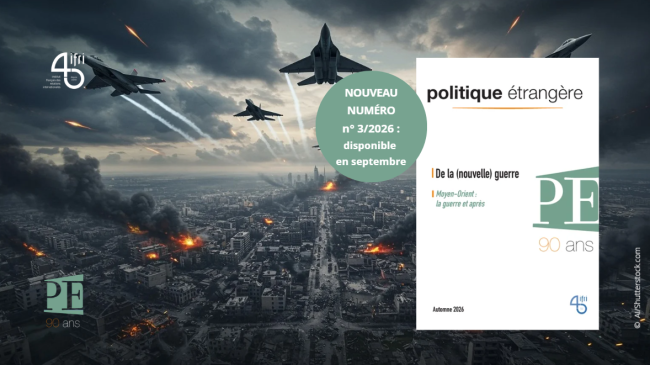
On (New) War
Are the new dynamics of power assertion, the redistribution of influence, and the emergence of new technologies changing both the place of war in the everyday life of our societies and the way war is waged when it occurs? Does the obsession with conflict, combined with technical efficiency, impose upon us a state of permanent latent war? And when weapons speak, does the involvement of modern technologies and the companies that produce them revolutionize both the political decision-making process and the way people are engaged in war? These are fundamental questions raised by the conflicts in Ukraine and the Middle East, and they are already shaping current thinking on military strategy and organization.
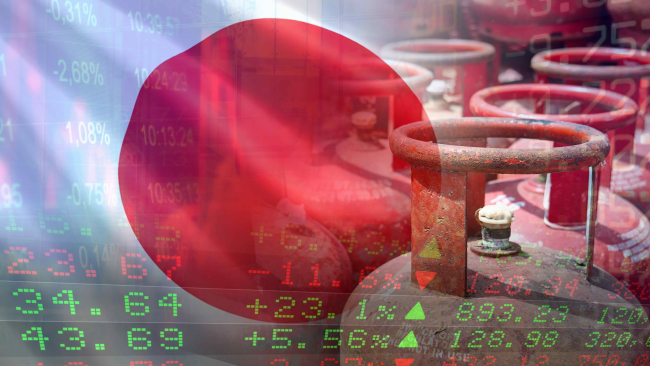
Japan’s Energy Policy after Hormuz. Security, Competitiveness, and Decarbonization
The 2026 Hormuz crisis has strengthened rather than weakened the rationale for Japan’s decarbonization strategy, contrary to what might have been expected. Rather than energy policy supplanting climate policy, the two should actually be viewed as inseparable.
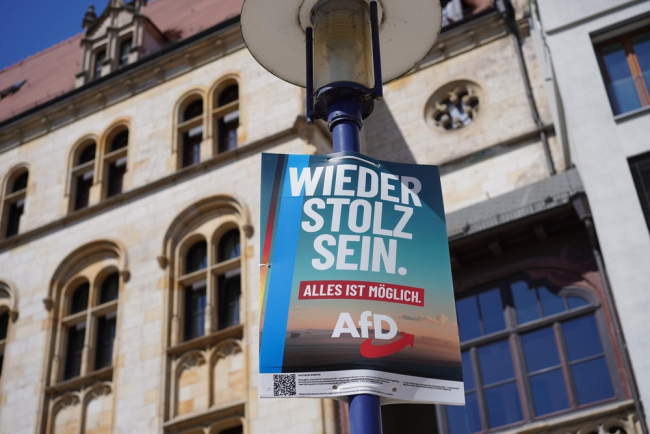
From Protest to Power? The AfD Ahead of the Eastern State Elections
The September state elections will test the AfD’s transition from protest force to potential governing power amid growing political fragmentation and dissatisfaction with Chancellor Friedrich Merz and his coalition. While firmly established in eastern Germany, the AfD is also gaining ground in the west, raising questions about coalition-building and the future direction of German politics.

Ramses 2027. In the Eye of the Storm
The frameworks—the tools we used to make sense of the world and try to organize it—are fading away one by one. How can we reshape and redefine them? Can the European Union—conceived for a different era—still play its role, and if so, what role? How does Trump’s America fit into the global landscape? And how are new technologies transforming both the fabric of our societies and the conditions of their international coexistence?
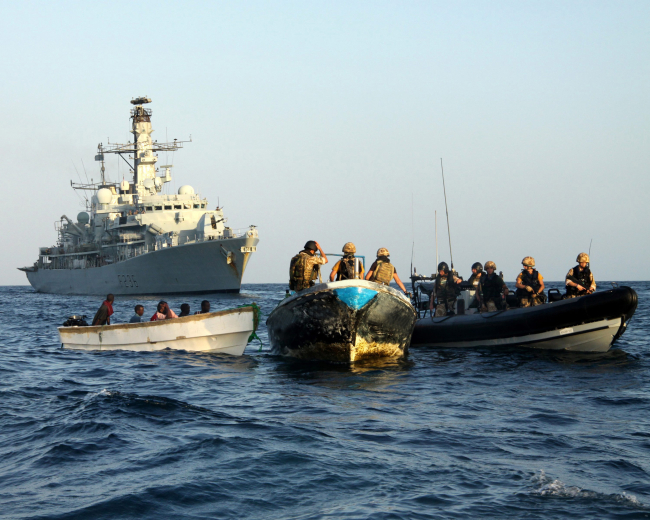
From Corsairs to Private Military Contractors. Nonmilitary Maritime Actors and the Historical Continuities of Naval Warfare
Since late 2023, several Houthi attacks on commercial shipping have involved privately contracted armed teams conducting defensive engagements and coordinating immediate response efforts, often in the relative absence of regular naval forces during the immediate hostilities at sea. These cases highlight a strategic tension that increasingly confronts modern navies. On the one hand, they are expected to conduct persistent, low-intensity maritime security tasks such as counterpiracy, maritime policing, and the protection of commercial shipping. On the other hand, they face renewed pressure to prepare for high-intensity conflict against peer and near-peer adversaries amid the return of great power competition.