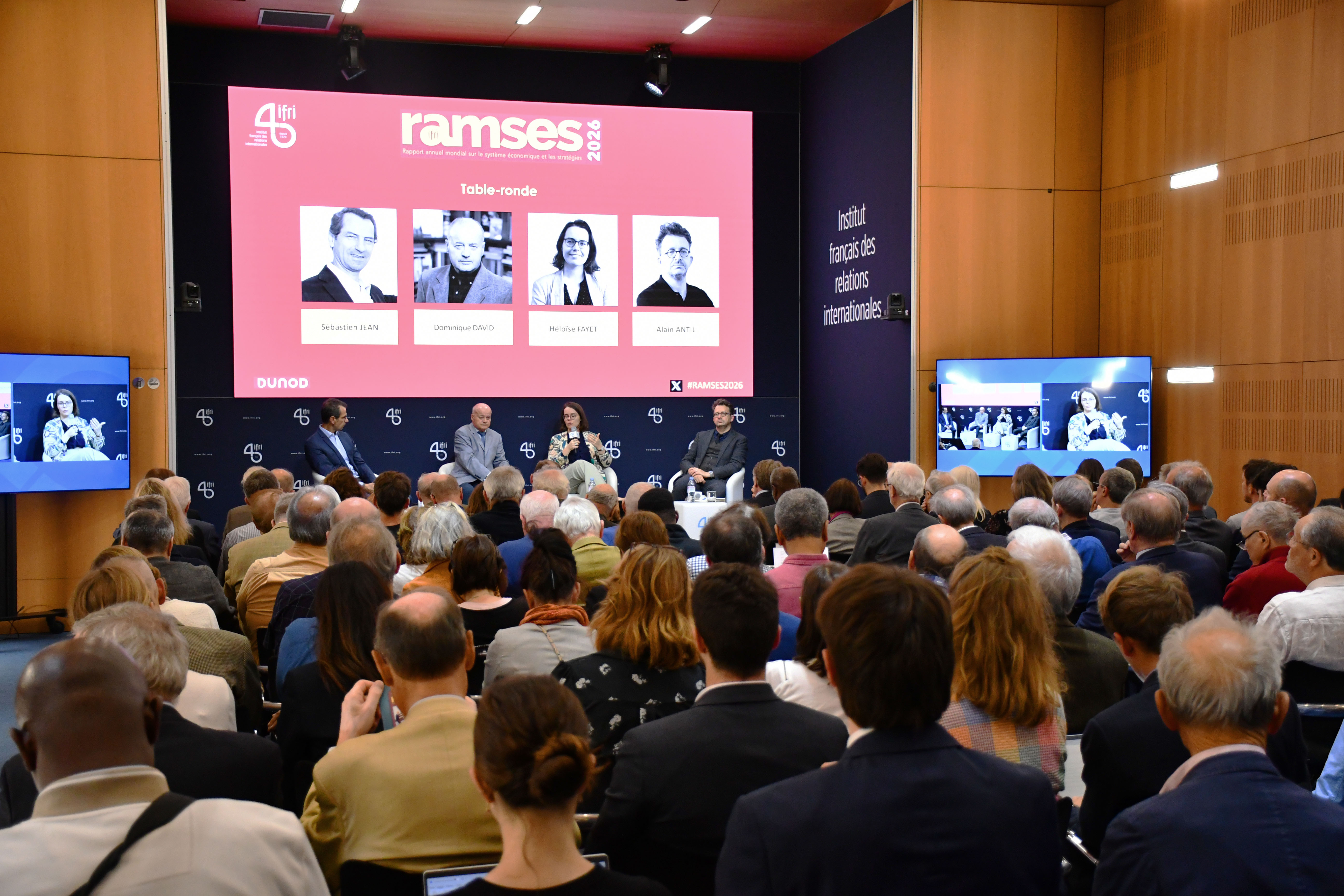
Political Systems
At the end of the Cold War, the idea spread that liberal democracy was going to take over the world. In reality, authoritarian regimes have resisted, and political systems remain varied.


Governing in coalitions: Commonplace throughout Europe, an oddity for France
French President Emmanuel Macron will have to rule with only a relative majority in Parliament – an anomaly in recent French history, but a common practice in Europe.
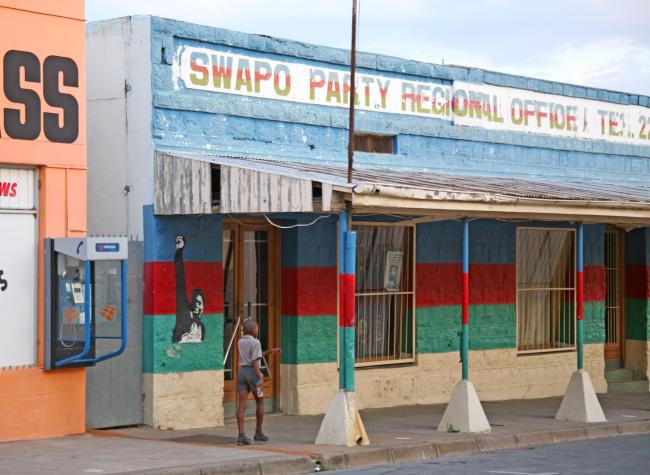
SWAPO: The Beginning of the Political Challenge
Increasingly, the South West Africa People’s Organization (SWAPO) is on shaky ground, caught between internal factionalism and external resentment. Whereas no major new political party has emerged since independence, opposition parties are gradually gaining support, mainly among young voters, and now control the three most important economic centers, weakening SWAPO's thirty-year one-party domination.
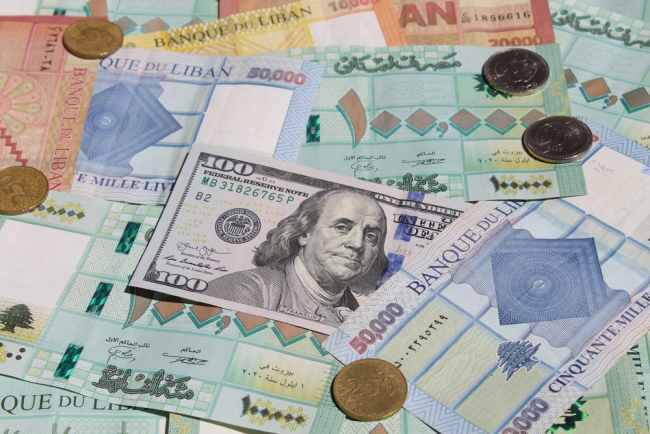
Lebanese Banking Crisis: The Systemic Workings of a Wreck

Delhi to Paris: A strategic partnership
Prime Minister Narendra Modi’s visit to France on May 4 is his fifth since 2015, and the 10th such high-level bilateral visit.
Japan's upgraded economic security strategy
An interview with Kazuto SUZUKI, Professor, Graduate School of Public Policy, University of Tokyo.
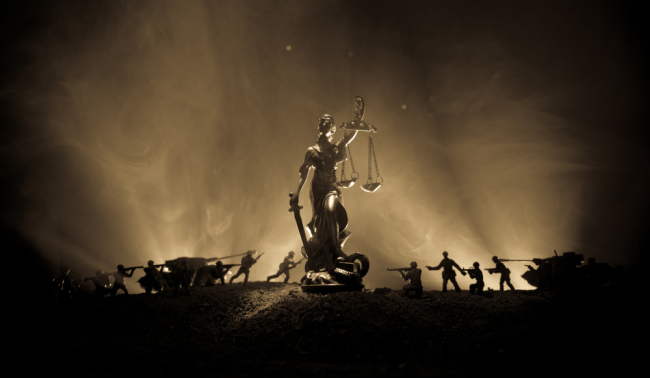
Towards a War of Norms ? From Lawfare to Legal Operations
Defined as the use of law to establish, perpetuate, or change power relations in order to counter an adversary, lawfare practices reflect a reality that is inherent in international law.
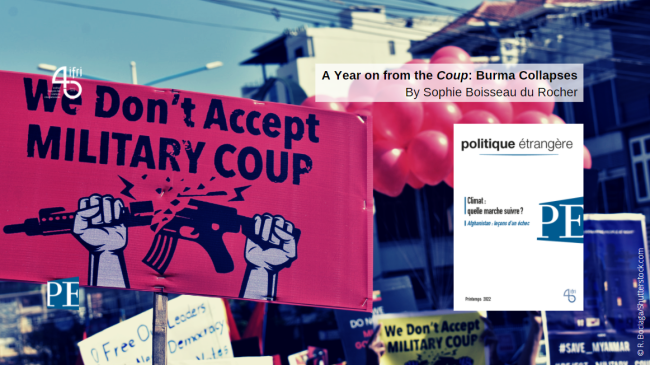
A Year on from the Coup: Burma Collapses
The February 2021 coup encountered a level of resistance that the military did not expect: demonstrations, boycotts, and a slide toward an armed resistance against repression from the authorities.

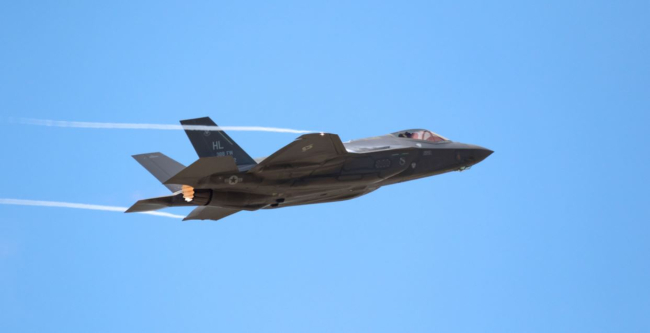
F-35: Why Germany is opting for the US-made stealth fighter jet
Germany wants to upgrade its military with the world's most modern fighter jet. The order is worth billions. But is it a good fit?
The Weimar Triangle Three Decades After Its Foundation: Review and Prospects
When it was founded in August 1991, the Weimar Triangle was intended as a forum for trilateral consultations between the foreign ministers of France, the Federal Republic of Germany, and Poland on the future of Europe after the end of the Cold War.
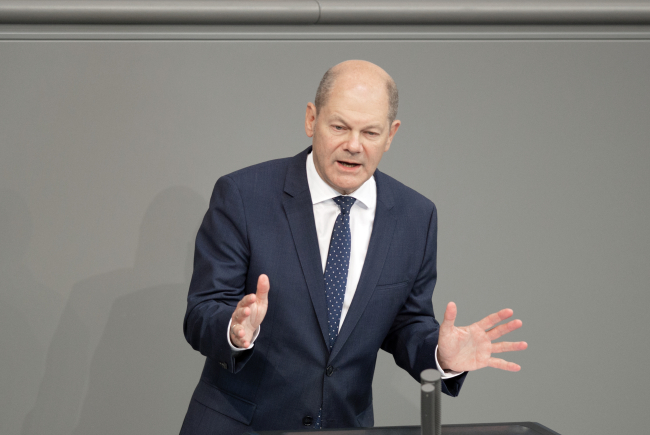
A “New Era”? Toward a Realignment of German Foreign Policy after the Russian Invasion of Ukraine
German Chancellor Olaf Scholz’s speech to the Bundestag on February 27, 2022, announced a new orientation in foreign policy and challenged the principles that had been the consensus in Germany for the past thirty years.
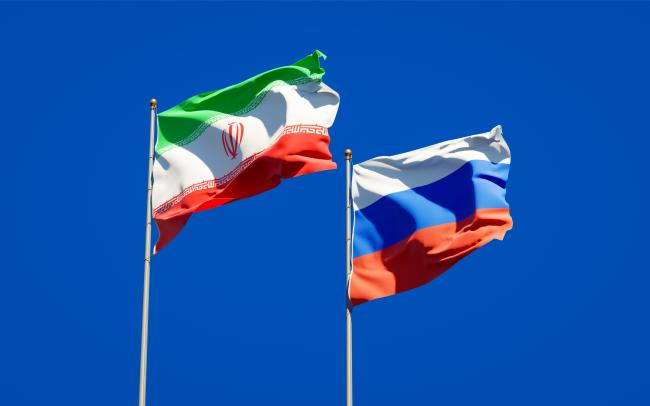
The Russian-Iran Partnership in a Multipolar World
The strengthening of the partnership between Russia and Iran depends on overlapping security interests; bilaterally, regionally and on the world stage.
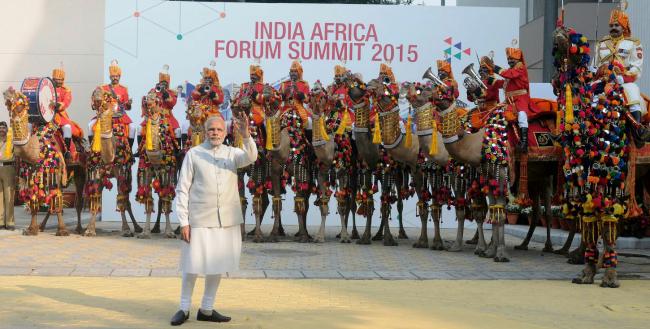
India–East Africa: A Not So Healthy Relationship?
Due to historical as well as geographical reasons, India and East Africa have long been close partners. In the recent period however, and even more so since the early 2000s, these ties have tightened as a result of combined efforts by the government of India and its business community.
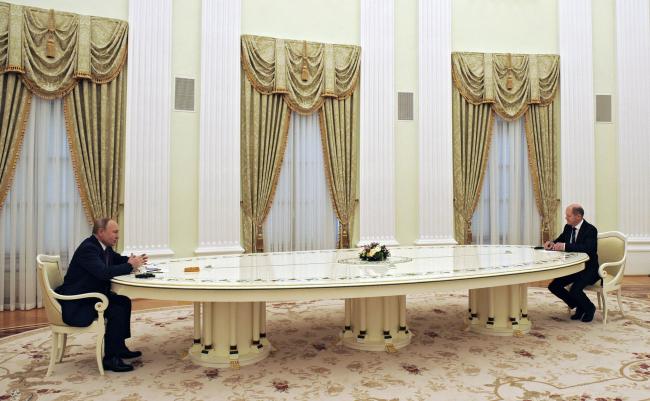
The Shock of Reality: The Traffic Light Coalition in the Russian-Ukrainian Crisis
The Russian-Ukrainian crisis puts to the test the cohesion of the new traffic light coalition, the authority of Chancellor Scholz and the ambition to adapt the post-Merkel German foreign policy.
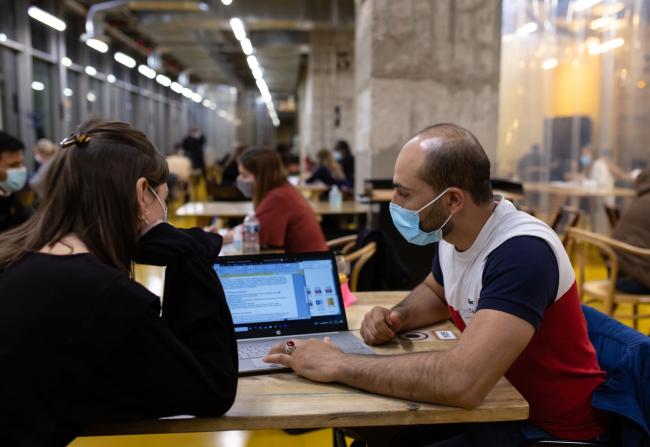
The Employment of Refugees – From Career Pathways to Company Recruitment Policies
The issues of employment and work for refugees have received increasing attention from both the political, NGO and economic spheres in France since 2017, but few studies have yet to address this subject. This study was born out of cooperation between the Observatory on Immigration and Asylum and the “Work with Refugees” collective, that brings together several French NGOs supporting refugees and asylum seekers into employment.
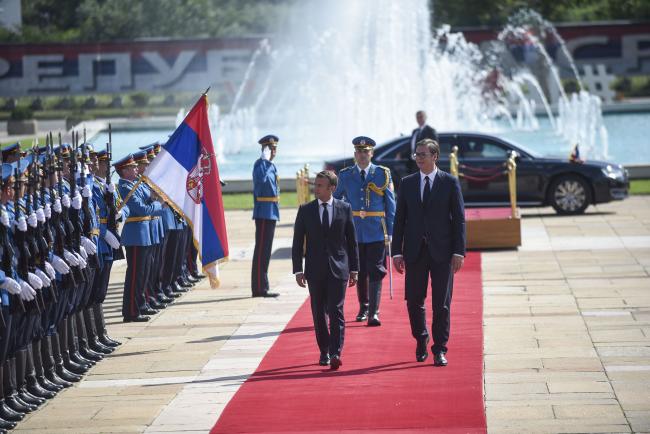
French Engagement in the Western Balkans: Boosting Strategic, Political, Economic, and Societal Cooperation
After years of lower interest, France has signaled its ambition to re-engage in the Western Balkans. It is not starting from scratch. Historical affinities with the countries of the region abound, in culture, sciences, politics, and economy.
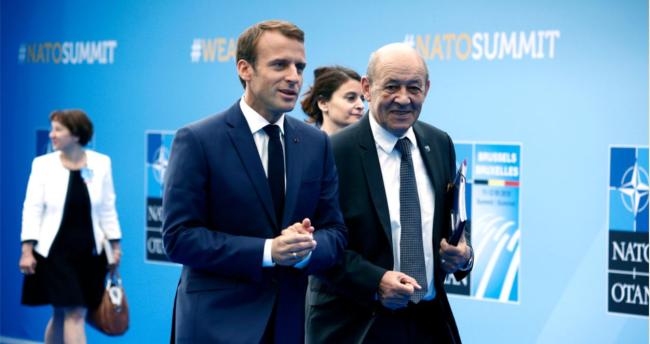
How to Keep France Engaged in NATO
France’s policy vis-à-vis the North Atlantic Treaty Organization (NATO) has always been ambivalent. On paper, France’s strategic culture fits well within NATO’s nature and agenda. Yet, in practice, French membership of NATO has always been uneasy. Several intra-alliance developments will likely affect the quality of French-NATO relations over the next few years.
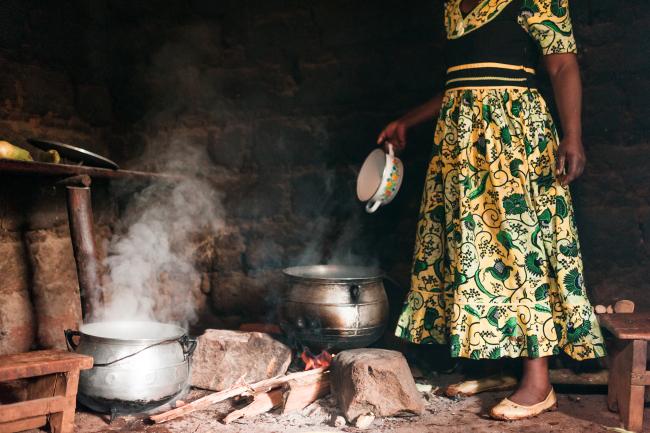
Power to the Cooks! New Clean Cooking Opportunities for Sustainable Development in Sub-Saharan Africa
2.6 billion people globally and 1 billion in Sub-Saharan Africa (SSA) cook using biomass fuel. The detrimental effects on the environment and public health, as well as the time and money lost are considerable. If nothing new is done, this situation will worsen further in SSA.
France: 'Precarious' employment conditions for refugees
Around 42% of refugees settled in France manage to find a job within a year of obtaining official status. But the jobs they find are often far below their skill levels, resulting in a "professional downgrade" that leads to discontent and exhaustion.
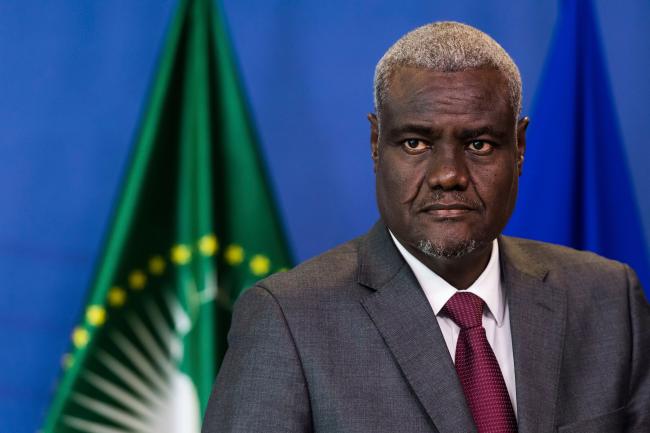
New African Union Commission (2021-2025). Challenges and Issues After the Reform Initiated by Paul Kagamé
The election of the Commission to run the African Union (AU) on February 6 and 7, 2021 was an important step towards implementing its institutional reform. The Commission is the institution’s real government, setting the pan-African organization’s objectives under the leadership of the Heads of State who meet once a year at the Assembly. The Chadian Moussa Faki, who was re-elected as AU Commission (AUC) Chairperson, has the onerous task of undertaking this reform, initiated by the former AU Chair, Rwandan president Paul Kagamé, between 2016 and 2018.
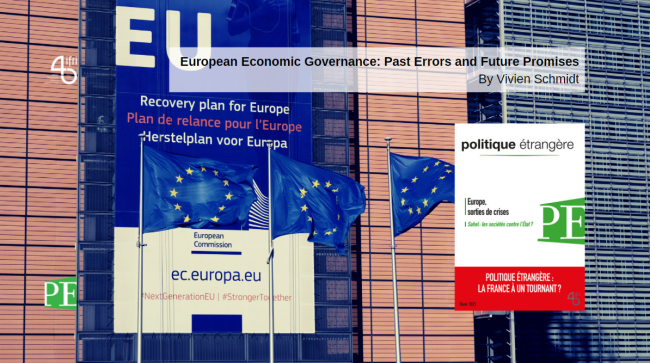
European Economic Governance: Past Errors and Future Promises
The eurozone crisis marked a real failure of European Union (EU) policy, which led to mediocre economic performance and the erosion of its political legitimacy among the populations of member states.
Caught in the Web of Bureaucracy? How ‘Failed’ Land Deals Shape the State in Tanzania
After more than ten years of hectic debates on international ‘land grabs’, academic interest in collapsed land deals or projects with unexpected results is growing.
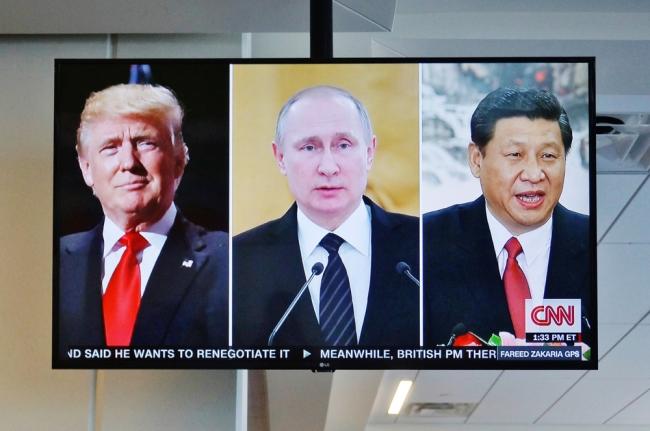
Global Order in the Shadow of the Coronavirus: China, Russia and the West
The coronavirus pandemic has thrown a harsh spotlight on the state of global governance. Faced with the greatest emergency since the Second World War, nations have regressed into narrow self-interest. The concept of a rules-based international order has been stripped of meaning, while liberalism faces its greatest crisis in decades.
French Foreign Policy in the Age of Polycrisis
Under the presidency of Emmanuel Macron, France has set itself the goal of strengthening its international presence, being more proactive and defining the European reform agenda. However, the French room for manoeuver is limited.
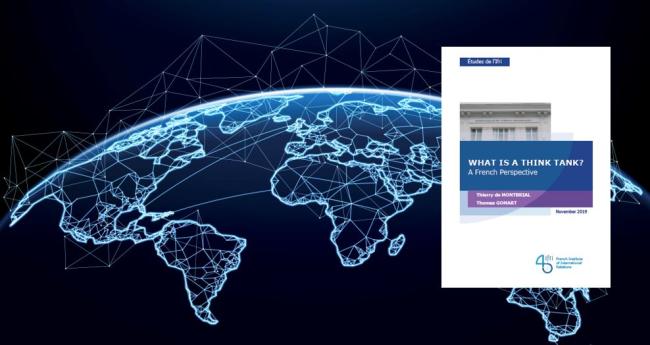
What Is a Think Tank? A French Perspective
The French Institute of International Relations (Ifri) celebrated its 40th anniversary in the spring of 2019, in a completely different environment to when it was founded, which was dominated by the competition between the two “superpowers” of the time, the United States and the Soviet Union (USSR).
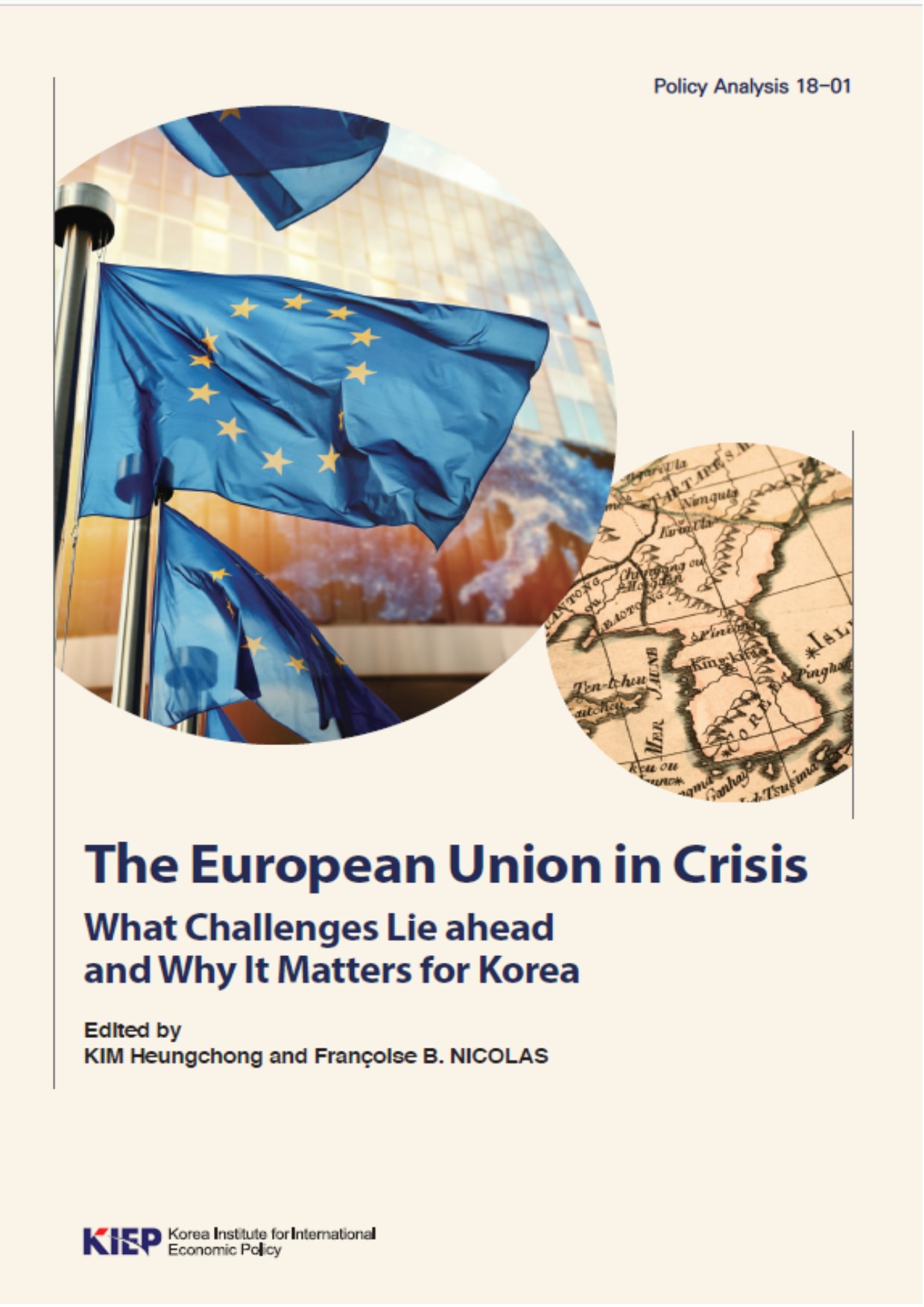
The European Union in Crisis: What Challenges Lie ahead and Why It Matters for Korea
The EU is currently undergoing serious challenges from inside such as Brexit and strengthening Euroscepticism, rising populism and changing political geography, anti-immigration moods as well as retarded economic recovery.
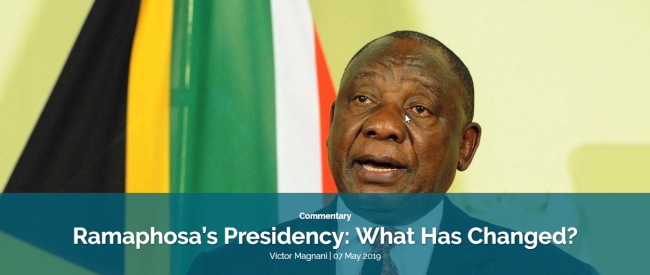
Ramaphosa’s Presidency: What Has Changed?
On the eve of the 25th anniversary of democracy in South Africa, the African National Congress (ANC) still holds power in a nearly hegemonic way. Nevertheless, the popularity of the party is decreasing while economic and social inequalities are deeply entrenched in the country.
Europe in Ten Years
In the last 10 years, European integration has suffered several shocks. These shocks have challenged the historical narrative of the European Union, and have profoundly affected policies, as well as support by the peoples of Europe for the EU project. The real risk of disintegration can only be avoided if Member States accept to overhaul European integration, based on the idea of “civilizing globalization” and adopting corresponding policies grounded in solidarity.
The Middle East in 2029
The wars ravaging the Middle East are not destined to continue forever and the region is not condemned to being governed by autocrats. A transition to a more just order for the region’s populations is possible, but will take time. It is unlikely to happen by 2029. Progress will be gradual, pushed by civil society. New revolutions are possible, although it is not sure they will lead to greater democracy.
The Waning of Universalism
During the 19th century, Westerners provided ideological justifications for their colonization, namely spreading the Enlightenment across the globe. This project was received favorably until the second half of the 20th century. Over the last 20 years, it has met new hostility. The “universal values” promoted by the West are viewed today as a form of imperialism to be opposed – especially by China, Russia and Turkey.
The Africas of 2029
Real progress in diversification in some economic areas, as well as improvements in public policies, have modified the general conditions of development on the African continent since the 2000s. In politics, apart from the demands of formal representative democracy, states need to be reconstructed in order to integrate marginalized regions and develop regional and continental co-operation.
Ifri, a foundation recognized as being of public utility, relies largely on private donors – companies and individuals – to guarantee its sustainability and intellectual independence. Through their funding, donors help maintain the Institute's position among the world's leading think tanks. By benefiting from an internationally recognized network and expertise, donors refine their understanding of geopolitical risk and its consequences on global politics and the economy. In 2026, Ifri partners with over 90 French and international companies and organizations.